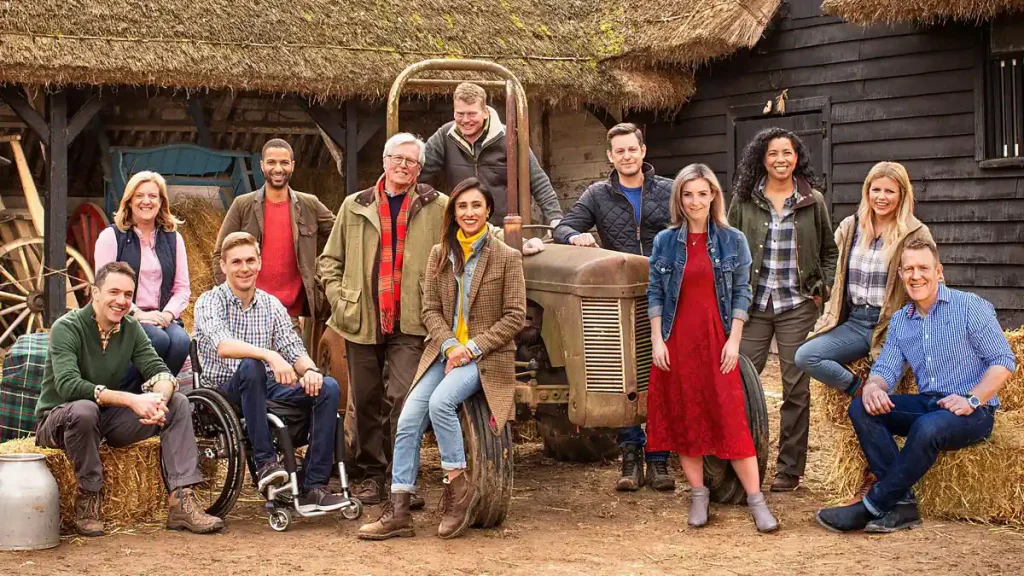
Countryfile 2025: The River Tweed Awakens for Salmon Season
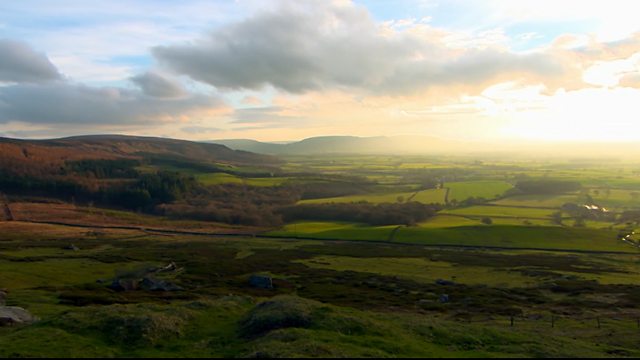
There is something magical about the start of a new season. The air feels different. The water moves differently. And along the ancient banks of the River Tweed, something extraordinary stirs. Countryfile captures this beautifully in its latest episode, taking viewers deep into one of Britain’s most cherished natural landscapes. Here, tradition, nature, and country life weave together like threads in a fine piece of tweed cloth.
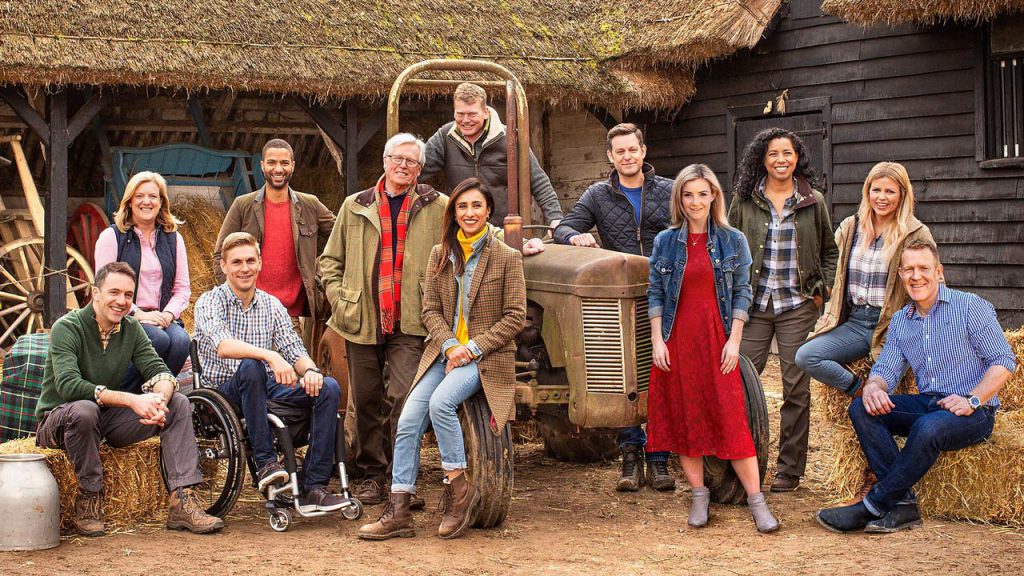
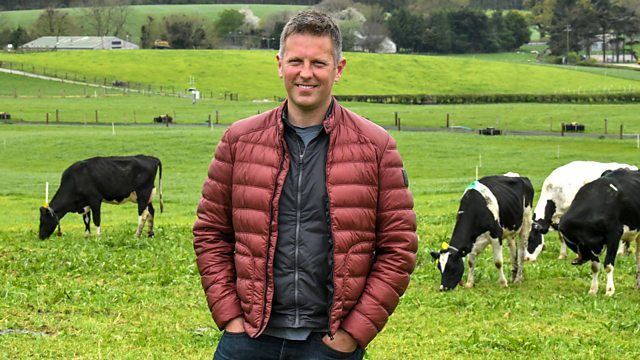
The River Tweed is no ordinary waterway. It flows through history, culture, and community with quiet purpose. For centuries, salmon fishing has shaped the lives of everyone who calls these banks home. As the new salmon-fishing season approaches, excitement ripples through the region. Countryfile presenters Sammi Kinghorn and Matt Baker arrive to witness the anticipation firsthand.
Together, they follow the final preparations before that all-important first cast of the year. It feels like the calm before a glorious storm. Every rope coiled, every rod inspected, every boat readied carries the weight of tradition.
After a long, quiet winter, the boatmen are back. These are the unsung heroes of agricultural and country life along the Tweed. Their skills have passed down through generations, handed from father to son like a precious heirloom. Watching them return to the water feels deeply emotional. It signals renewal, not just for the river, but for the entire community.
Sammi and Matt spend time with these weathered, warm-hearted men. Their stories are fascinating. Furthermore, their dedication to their craft is genuinely humbling. They don’t just work the river — they belong to it.
Meanwhile, not everything on the River Tweed relies on instinct and experience alone. Scientists quietly monitor the river’s health, tracking salmon populations and water conditions with careful precision. Their work is essential. Without healthy water, there are no fish. Without fish, there is no season.
Countryfile highlights this delicate balance beautifully. Nature and wildlife depend on human responsibility. Consequently, the scientists act as guardians, ensuring the river remains vibrant for future generations. Their dedication adds a quietly powerful layer to this episode’s storytelling.
Behind the scenes, other hands are equally busy. Rod makers craft their tools with extraordinary care and skill. Every rod is a small work of art, built for purpose but carrying unmistakable pride. Similarly, tweed weavers work their looms with rhythmic dedication. Their fabric is iconic, instantly connected to Scottish and border country life.
Countryfile 2025 shines a warm spotlight on these craftspeople. Their work often goes unnoticed by the wider world. Yet without them, so much of what makes this region special would quietly disappear. They are the backbone of a living, breathing cultural heritage.
Not everything in this episode reflects peace and tradition, however. Presenter Tom Heap turns his attention to a deeply troubling issue facing agricultural life across Britain. Illegal hare coursing has surged dramatically in recent years. Farmers in affected areas report frightening encounters with organised criminal gangs.
Countryfile – The River Tweed
This is no minor nuisance. These are criminal operations, arriving without warning and terrorising rural communities. Furthermore, farmers describe feeling genuinely unsafe on their own land. That is a devastating reality for people who dedicate their lives to the countryside.
Tom’s investigation is thorough and unsettling. It reminds viewers that country life faces real, modern challenges. Nature and wildlife suffer too, as hares are chased and harmed across farmland with reckless disregard. Countryfile handles this difficult subject with sensitivity and seriousness.
What makes this Countryfile episode so compelling is its range. It moves seamlessly from celebration to concern, from beauty to hardship. The River Tweed segment feels joyful and life-affirming. Conversely, the hare coursing investigation feels urgent and necessary.
Together, these stories paint an honest picture of British country life in 2025. Agricultural life is rich with heritage, but it also faces pressures that deserve attention. Countryfile has always understood this balance. This episode delivers it with particular skill and heart.
Ultimately, this is what Countryfile does best. It connects urban viewers to a world they may rarely encounter. It reminds everyone that nature, wildlife, and agricultural life matter deeply. The River Tweed, with its salmon runs and riverside communities, is a jewel worth protecting.
So whether you fish, farm, weave, or simply love the land, this episode speaks to you. Pull up a chair. Let the Tweed carry you somewhere meaningful.
Countryfile – The River Tweed
Countryfile 2025: The River Tweed Awakens for Salmon Season marks one of the most anticipated moments in the British countryside calendar, drawing together fishermen, farmers, conservationists, and nature lovers in a shared ritual that stretches back centuries. The River Tweed, threading its way through the Scottish Borders before crossing into Northumberland, is no ordinary waterway. It is a living archive of country life, a place where agricultural traditions, ecological pressures, and wild beauty converge with uncommon intensity. As winter loosens its grip and the first days of February arrive, the river transforms. The salmon are coming.
Few events in the natural world carry the weight of symbolism that the opening of the salmon season does along the Tweed. For the communities settled along its banks, this is more than a sporting occasion. It signals the resumption of a way of life rooted in the rhythms of wildlife and water. Countryfile 2025 captures this transition with remarkable intimacy, following the people who depend on, protect, and celebrate this extraordinary river.
The Tweed has long occupied a singular place in British consciousness. It lends its name to the famous woven cloth, its waters have inspired poets and painters, and its fisheries have sustained local economies for generations. Yet the river is far from a museum piece. It is dynamic, contested, and vulnerable. The challenges it faces, from environmental pressures to questions of access and conservation, make it a compelling lens through which to examine broader themes of country life and stewardship. Countryfile 2025 uses this setting to explore all of these threads with depth and care.
The episode arrives at a moment when public interest in British rivers has never been higher. Agricultural life along river corridors faces scrutiny over its environmental footprint, while conservationists push for more ambitious restoration. Against this backdrop, the Tweed offers a more nuanced picture. Here, farmers, anglers, ghillies, and wildlife managers have worked alongside each other for decades. The relationships are complex, sometimes fraught, but ultimately bound by a shared attachment to the land and water.
What unfolds across the programme is a portrait of a river caught between tradition and transformation. The opening of the salmon season is the anchor, but the episode ranges widely, touching on upland farming, wildlife encounters, local crafts, and the particular atmosphere of winter giving way to spring in the Scottish Borders. Nature pulses through every scene. The cold clarity of the water, the bare trees lining the banks, the breath of horses in crisp morning air, all of it contributes to a sense of place that feels both specific and universal.
Presenter Tom Heap leads viewers through this landscape with evident affection. He arrives at Coldstream, the historic border town where the River Tweed forms a natural boundary between Scotland and England. This is no arbitrary starting point. Coldstream carries enormous historical significance, and the programme honours that history while keeping its focus firmly on the living present. The town’s connections to the famous regiment, its role in border history, and its position at the heart of the Tweed’s fishing culture all inform what follows.
The ghillies, the skilled river guides who have stewarded these waters across generations, emerge as central figures. Their knowledge of the Tweed is encyclopaedic. They read the river the way others read text, interpreting its moods, its currents, and its secrets. This expertise represents a form of agricultural life and rural knowledge that rarely receives the attention it deserves. Countryfile 2025 places these figures at the heart of the episode, and rightly so.
The programme also ventures beyond the riverbank. Upland farms, livestock management, and the particular texture of Borders agriculture all feature. Meanwhile, nature stakes its own claim on the viewer’s attention. Otters, wading birds, and the salmon themselves share the screen with farmers and fishermen. The result is a rich, layered picture of a landscape where wildlife and agricultural life are not opposites but partners, however uneasy that partnership sometimes proves.
The River Tweed and the Ancient Ritual of Salmon Season Opening
The opening of the salmon season on the Tweed occurs on 1 February each year, one of the earliest starts in Scotland. This date has legal and cultural weight. The Tweed is governed by its own Act of Parliament, the Tweed Fisheries Act, which sets the framework for managing the river’s fisheries. This unusual legal status reflects the river’s exceptional importance, not just as a natural resource but as a shared heritage.
Tom Heap joins local fishermen for the ceremonial first cast of the season. The atmosphere is charged. Anglers who have waited through the long winter months wade into the cold water with a mixture of reverence and excitement. The Tweed at this time of year is running cold and clear, the fish heavy and powerful. Landing a springer, the local name for an early-season Atlantic salmon, is considered the highest achievement a Tweed angler can aspire to.
The ghillies who accompany the fishermen carry the institutional memory of the river. One ghillie explains that reading the river, knowing which pools hold fish at different water heights and temperatures, takes years to learn. This knowledge cannot be found in textbooks. It passes between generations through direct experience. That transmission of expertise is itself a form of country life, a living tradition as significant as any craft or agricultural practice.
Countryfile 2025 and the Ghillies Who Guard the Tweed
The ghillie’s role is multifaceted. On one level, it is a practical profession. Ghillies guide visiting anglers, advise on technique, manage the riverbank, and ensure that fishing is conducted legally and sustainably. On another level, they are custodians. Their daily presence on the water means they monitor the river’s health more consistently than almost any formal conservation programme could.
Several ghillies featured in the programme speak with authority about changes they have observed over their careers. Water temperatures have shifted. The timing of fish runs has altered. Invertebrate populations, which form the base of the food chain that sustains salmon parr during their early freshwater life, fluctuate in ways that concern experienced observers. These are not abstract ecological statistics. They are lived observations from people who spend their working lives on the river.
The relationship between ghillies and the estates that employ them is also part of the picture. Many of the beats on the Tweed, the defined stretches of river allocated to particular fisheries, are managed by large private estates. This arrangement has historical roots stretching back centuries. Countryfile 2025 does not shy away from the tensions this creates. Questions of access, ownership, and the public interest in a nationally significant natural resource surface naturally within the programme’s exploration of the river.
Farming and Agricultural Life Along the Tweed Valley
The land flanking the Tweed is among the most productive in Scotland. The Merse, the low-lying agricultural plain in Berwickshire through which the lower Tweed flows, supports mixed farming of considerable scale and variety. The programme visits farms engaged in livestock rearing and cereal production, capturing the particular quality of agricultural life in winter, when the pace is demanding but different from the frenzy of harvest.
Sheep farming dominates much of the upland territory above the valley floor. The programme follows a hill farmer checking on his flock during a cold snap, a reminder that agricultural life rarely pauses regardless of season or weather. The practical relationship between this farmer and his land is direct and unmediated. He knows each field, each drainage issue, each stretch of wall that needs attention. This intimacy with place is a recurring theme.
The programme also explores the environmental relationship between agriculture and the river. Runoff from farmland, particularly nitrogen and phosphorus from fertiliser applications, affects water quality in ways that have downstream consequences for salmon and other species. This is a sensitive subject, and Countryfile 2025 handles it carefully. Farmers are not presented as villains. Instead, the programme illustrates the genuine complexity of balancing productive agriculture with river health, and highlights farmers who have taken active steps to manage their land’s impact on the Tweed.
Wildlife on the River Tweed: Nature Beyond the Salmon
While Atlantic salmon are the emblematic species of the Tweed, they share the river with a remarkable community of wildlife. The programme devotes considerable attention to the otter, once a rarity on British rivers but now recovering strongly along the Tweed. Otters are highly sensitive to water quality and disturbance. Their return to this river in healthy numbers is taken by conservationists as a positive indicator of overall ecosystem health.
The Tweed also supports important populations of wading birds. Oystercatchers, common sandpipers, and dippers all feature. The dipper, in particular, is a species closely associated with fast-flowing, well-oxygenated rivers. Its presence or absence reflects subtle changes in invertebrate abundance and water chemistry. A wildlife expert shown in the programme explains that monitoring indicator species like the dipper provides an early warning system for ecological deterioration.
Nature along the Tweed is not only observed. It is actively managed. Riparian vegetation, the trees and shrubs growing along the riverbank, plays a vital role in shading the water, stabilising banks, and providing habitat for invertebrates and birds. The programme visits a riparian planting project where volunteers work alongside landowners to restore stretches of bank that had been cleared or degraded. This kind of cooperative conservation work, blending country life with ecological purpose, represents one of the more optimistic strands of the episode.
Countryfile 2025 and the Cultural Heritage of the Border Country
The Tweed’s significance extends well beyond ecology and agriculture. The Border country through which it flows is saturated with history. Coldstream, where the programme begins, is the birthplace of the Coldstream Guards, one of the oldest and most celebrated regiments in the British Army. The town’s connection to military history is not merely commemorative. It shapes the community’s identity and its relationship to tradition in ways that resonate through the episode.
The programme also touches on the tradition of Common Ridings, the annual civic ceremonies in which Border towns ceremonially ride their boundaries. These events, unique to the Scottish Borders, bind communities together across generations. They are expressions of collective identity rooted in the agricultural life and border history of the region. Their continued vitality, in towns like Coldstream, Kelso, and Duns, speaks to the enduring importance of shared ritual in rural communities.
Countryfile 2025 connects these cultural threads to the landscape itself. The Borders is a country where the past is close to the surface. Ancient earthworks, ruined abbeys, and drove roads are woven into the working landscape. Farmers plough around archaeological features. Anglers fish beneath bridges that have stood for centuries. This layering of time gives the region a distinctive atmosphere, one that the programme captures with sensitivity.
The Science of Salmon: Understanding the Tweed’s Most Celebrated Fish
Atlantic salmon undertake one of the most remarkable journeys in the natural world. Born in the gravels of upland rivers like the Tweed, they spend their juvenile years in freshwater before migrating to the sea. After years feeding in the rich waters of the North Atlantic, they return to the very river in which they hatched, guided by an extraordinary navigational ability based on magnetic fields and smell. Countryfile 2025 explains this life cycle with clarity, grounding it in what is known about the Tweed’s specific population.
The Tweed’s salmon run has been monitored and managed for many years. Counter data from fish passes at weirs along the river provides year-on-year counts of returning fish. These figures have shown considerable variation over recent decades. Some years bring strong runs, others are poor. The causes are complex, involving conditions at sea, freshwater habitat quality, and climatic variation. Scientists working with the Tweed Foundation, the body responsible for river research and conservation, track these numbers closely.
Salmon farming and sea lice pressure on wild populations are among the issues that scientists and conservation managers continue to debate. Meanwhile, the programme highlights work being done to improve spawning habitat within the Tweed catchment. Gravel cleaning, the removal of fine sediments that can smother salmon eggs in the riverbed, is one practical intervention. Habitat connectivity, ensuring that fish can access the full range of spawning tributaries without obstruction, is another priority. These are unglamorous but essential tasks.
Countryfile 2025 and the Craft Traditions of the Scottish Borders
The Scottish Borders is home to one of Britain’s most distinctive craft traditions: the production of woollen cloth. Tweed cloth, the fabric that takes its name from the river, has been woven in the mills of the Borders for centuries. The programme visits one of the surviving mills to explore this heritage, connecting the craft to the landscape, the sheep breeds, and the agricultural life of the region.
The weaving of tweed is not merely an industrial process. It involves decisions about colour, texture, and pattern that draw directly on the local landscape. The muted greens, browns, and purples characteristic of Border tweed reflect the colours of heather moorland, river sedge, and winter pasture. Weavers and designers describe their work as a form of place-making, a translation of landscape into cloth.
The survival of the Border wool industry in the face of global competition has required adaptation. Several mills have repositioned themselves at the premium end of the market, supplying fabric to high-end fashion houses and bespoke tailors. Country life has provided both the raw material and the aesthetic inspiration for a product now worn on runways and in boardrooms far from the Tweed valley. This arc from local agricultural production to global luxury market is one of the more surprising threads the programme follows.
The Tweed Foundation and River Conservation in Countryfile 2025
The Tweed Foundation, the charitable body responsible for research and conservation on the river, occupies a central role in the programme’s treatment of environmental issues. Founded in the 1990s, the foundation brings together scientific expertise, practical conservation work, and engagement with riparian landowners. Its approach is collaborative rather than adversarial, working with farmers, estate managers, and local communities rather than against them.
Foundation staff explain the range of monitoring work they carry out across the catchment. Water temperature sensors, fish counters, invertebrate surveys, and water chemistry analysis all contribute to an evidence base that informs management decisions. This scientific infrastructure, largely invisible to the casual visitor, underpins the practical conservation work that keeps the Tweed healthy enough to support its famous salmon runs.
The foundation also runs educational programmes aimed at local schools and community groups. Introducing young people to the river, its ecology, and its cultural significance is understood as a long-term investment in stewardship. The children who learn to identify mayfly larvae or who watch salmon spawning in a clear Borders stream are more likely, as adults, to care about the river’s future. This intergenerational dimension of conservation is one of the most quietly important aspects of the foundation’s work, and Countryfile 2025 gives it appropriate weight.
Winter Giving Way to Spring: The Rhythms of Country Life on the Tweed
The episode closes with a sense of seasonal turning. February on the Tweed is still firmly winter. The fields are bare or frosted. The river runs high with snowmelt from the hills. Yet there are signs of change. Snowdrops appear beneath riverside trees. Lambs arrive in the lowland farms. The first salmon are in the pools, powerful and silver, carrying the promise of the season to come.
This attentiveness to seasonal rhythm is central to country life in the Borders. The agricultural calendar and the natural calendar are not separate things here. They are the same thing, expressed in different registers. The farmer watching the weather for frost, the ghillie reading the river for rising levels, the conservation officer checking the fish counter data, all of them are responding to the same underlying pulse of the year.
Countryfile 2025 captures this rhythm with uncommon fidelity. The programme does not sentimentalise the landscape or the people who work within it. The cold is real, the work is hard, and the uncertainties, ecological, economic, and climatic, are genuine. Yet there is evident vitality here. The River Tweed and the communities around it are not passively waiting for better times. They are actively engaged in shaping the future of a landscape they know and love with exceptional depth.
The salmon season opening, that first cast in cold February water, is both an ending and a beginning. It closes the long winter pause and opens a new cycle of nature, work, and community. Along the Tweed, as generations before have understood, these cycles are not simply background. They are the substance of life itself.
FAQ Countryfile – The River Tweed
Q: What makes the River Tweed significant for salmon fishing in Britain?
A: The River Tweed ranks among Britain’s most celebrated salmon rivers, governed by its own Act of Parliament, the Tweed Fisheries Act. This unique legal status reflects the river’s exceptional cultural and ecological importance. Its salmon runs attract anglers from across the world, and the season opens on 1 February, one of the earliest starts in Scotland. Additionally, the river supports a remarkable ecosystem of otters, wading birds, and invertebrates that depend on its clean, fast-flowing waters.
Q: When does the salmon season open on the River Tweed and why is that date important?
A: The Tweed salmon season opens on 1 February each year, making it one of the earliest opening dates in Scotland. This date carries both legal and cultural weight for local communities. Anglers eagerly await the first cast of the season, particularly hoping to land a springer, the prized term for an early-season Atlantic salmon. Furthermore, the opening day functions as a communal ritual, reconnecting generations of fishermen with a deeply rooted countryside tradition.
Q: What is a ghillie and what role do ghillies play on the River Tweed?
A: A ghillie is a skilled river guide responsible for stewarding specific stretches of water known as beats. On the Tweed, ghillies guide visiting anglers, advise on casting technique, and monitor the river’s daily condition. However, their role extends beyond practical assistance. Ghillies accumulate decades of observational knowledge about fish behaviour, water levels, and seasonal changes. This expertise passes between generations through direct experience rather than formal study, representing an irreplaceable form of rural knowledge.
Q: How do Atlantic salmon find their way back to the River Tweed after years at sea?
A: Atlantic salmon navigate back to their birth river using an extraordinary combination of magnetic field detection and an acute sense of smell. Born in the Tweed’s upland gravels, juvenile salmon migrate to the North Atlantic to feed for several years. They then return to the precise river system where they hatched. Scientists consider this homing ability one of the most remarkable feats in the natural world. The Tweed Foundation monitors returning fish through counter systems installed at weirs along the catchment.
Q: What conservation work does the Tweed Foundation carry out on the river?
A: The Tweed Foundation is a charitable body established in the 1990s to lead research and conservation across the river catchment. It operates water temperature sensors, fish counters, invertebrate surveys, and water chemistry monitoring. Additionally, the foundation runs gravel cleaning programmes to remove fine sediments that can smother salmon eggs in the riverbed. It works collaboratively with farmers, estate managers, and local communities rather than taking an adversarial approach. Educational outreach programmes also introduce young people to the river’s ecology and long-term stewardship.
Q: How does farming along the Tweed valley affect the river’s water quality and salmon habitat?
A: Agricultural runoff, particularly nitrogen and phosphorus from fertiliser applications, can affect river water quality with downstream consequences for salmon and other wildlife. The Tweed valley supports mixed farming including sheep rearing and cereal production across the fertile Merse lowlands. However, many local farmers actively manage their land to reduce environmental impact. The relationship between agriculture and river health is complex rather than adversarial. Conservation managers work directly with landowners to balance productive farming with the ecological needs of this nationally significant waterway.
Q: What wildlife beyond salmon can visitors expect to encounter along the River Tweed?
A: The River Tweed supports a diverse community of wildlife beyond its famous salmon. Otters, once rare on British rivers, have recovered strongly along the Tweed and serve as a positive indicator of overall ecosystem health. Dippers, oystercatchers, and common sandpipers frequent the riverbanks throughout the season. The dipper, in particular, depends on fast-flowing, well-oxygenated water rich in invertebrates. Conservation experts monitor these indicator species closely, as their presence or decline provides early warning of changes in water quality and ecological condition.
Q: What is tweed cloth and how does it connect to the River Tweed and Border countryside?
A: Tweed cloth is a woollen fabric woven in the mills of the Scottish Borders for centuries, taking its name from the river. The muted greens, browns, and purples characteristic of Border tweed directly reflect the colours of heather moorland, river sedge, and winter pasture. Weavers describe the fabric as a translation of landscape into cloth. Furthermore, several surviving mills have successfully repositioned themselves within the global luxury market, supplying premium fabric to high-end fashion houses. Local sheep farming provides the raw material, connecting agricultural life to an internationally recognised craft tradition.
Q: What is the historical and cultural significance of Coldstream on the River Tweed?
A: Coldstream is a historic Border town where the River Tweed forms the natural boundary between Scotland and England. It is the birthplace of the Coldstream Guards, one of the oldest and most celebrated regiments in the British Army. The town also participates in the Common Ridings tradition, an annual civic ceremony unique to the Scottish Borders in which communities ride their historic boundaries. These events bind local communities across generations. Coldstream’s position at the heart of the Tweed’s fishing culture makes it a natural gateway to understanding the river’s broader heritage.
Q: How does seasonal change shape country life and wildlife patterns along the River Tweed?
A: Seasonal rhythm organises every aspect of life along the Tweed, binding agricultural work, fishing, and wildlife behaviour into a single interconnected calendar. February marks a turning point: snowdrops emerge beneath riverside trees, lowland farms receive early lambs, and the first powerful salmon enter the pools. Farmers monitor frost forecasts, ghillies read rising river levels, and conservation officers analyse fish counter data simultaneously. Therefore, the natural and agricultural calendars are not separate systems but expressions of the same seasonal pulse. This deep attentiveness to seasonal change defines the distinctive character of countryside life in the Scottish Borders.