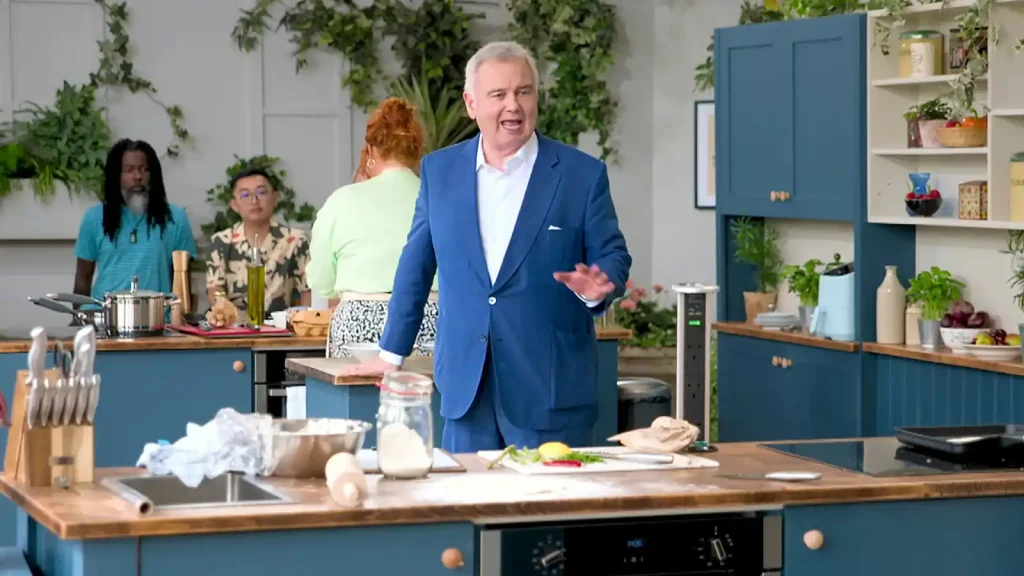
Farm to Feast episode 6: The long journey reaches its thrilling conclusion. Weeks of intense competition have whittled down a field of hopefuls. Now, only two culinary warriors remain standing. They have chopped, sautéed, baked, and braised their way here. Furthermore, they have showcased incredible skill and passion. The Farm to Feast grand final is upon us. Consequently, the air crackles with anticipation. Who possesses the nerve, the creativity, and the endurance to claim the coveted title? This final battle promises an unforgettable culinary spectacle. Indeed, it’s the ultimate test under pressure.
Our two finalists enter the grand arena, the castle kitchen. This space has witnessed triumphs and tears throughout the competition. However, today feels different. The stakes have never been higher. One final challenge separates them from glory. Interestingly, the task demands a look back before moving forward. They must revisit two key ingredients featured earlier in the series. This clever twist tests their growth and adaptability. Can they elevate these familiar elements to new heights? Therefore, memory and innovation must work hand-in-hand. It’s a true measure of their journey.
The specific challenge involves crafting an exquisite two-course meal. This isn’t just any meal, though. It must be formal, refined, and utterly delicious. Moreover, it needs to impress a very discerning audience. The finalists must summon all their experience. They need to blend technique with artistry. Precision is absolutely paramount. Flavours must sing in perfect harmony. Consequently, every plate represents their final statement. It’s their last chance to prove their mastery. The pressure is immense, like a tightly coiled spring.
Adding to the grandeur, the meal has a truly magnificent setting. The finalists will serve their creations in the castle’s grand state dining room. Imagine polished silver gleaming under soft lights. Picture historic portraits gazing down from ornate walls. The long, imposing table awaits, draped in fine linen. Indeed, this room breathes history and elegance. Serving a meal here is an honour in itself. However, it also adds another layer of expectation. The food must match the splendour of its surroundings. Only perfection will suffice in such a prestigious space.
The judges’ table is equally impressive, featuring familiar and influential faces. Of course, our esteemed judges, Danni and Joris, are ready. They have guided and critiqued the contestants throughout. Their palates are sharp, their standards exacting. Joining them are the lord and lady of the castle. Their presence lends a regal air to the proceedings. Significantly, the two food producers behind the chosen ingredients are also attending. This truly embodies the “farm to feast” philosophy. The producers will taste the final evolution of their own hard work. It connects the field to the fork in a powerful way. Therefore, the feedback will be comprehensive and deeply meaningful.
Let’s consider the finalists’ state of mind. Hours stand between them and the finish line. Adrenaline surely courses through their veins. Doubt might whisper in quiet moments. Conversely, determination likely burns brightly. They must channel every ounce of focus. Distractions are the enemy now. They recall past mistakes and lessons learned. Furthermore, they visualize perfect execution. Each contestant likely feels a mix of exhaustion and exhilaration. It’s a true emotional rollercoaster. Their individual cooking styles might offer a fascinating contrast under this final pressure cooker. One might be technically brilliant, the other wildly creative. Ultimately, temperament could be as crucial as talent.
Inside the kitchen, the atmosphere is electric. Former competitors have returned, not as rivals, but as a cheering section. Their applause and encouragement echo off the walls. This supportive presence adds a heartwarming dimension. It shows the camaraderie forged in the heat of competition. Seeing familiar faces might steady the finalists’ nerves. Or perhaps, it adds a different kind of pressure – the desire not to disappoint their peers. Regardless, their presence underscores the shared journey. They are all part of this Farm to Feast family. They watch intently, knowing exactly the stress their friends face.
Meanwhile, the clock ticks relentlessly. The finalists move with purpose and intensity. Knives chop rhythmically against cutting boards. Pans sizzle and steam on the stovetop. The air fills with complex, tantalizing aromas. Concentration etches itself onto their faces. They meticulously measure, taste, and adjust. Every element requires careful consideration. For instance, the sauce must have the perfect consistency. The protein needs cooking to the exact temperature. Vegetables should retain their vibrant colour and bite. Plating demands an artist’s eye. A misplaced garnish or a single drip could cost them dearly. Consequently, focus is their most vital tool right now.
Imagine the potential hurdles. Perhaps a key component doesn’t turn out as planned. Maybe a sauce splits or an element burns. How will they recover? Quick thinking and improvisation are essential. Grace under pressure separates champions from contenders. They must adapt, overcome, and keep pushing forward. Moreover, managing time effectively is crucial. The two courses need to be ready simultaneously. This requires careful planning and coordination. It’s a high-wire act performed with whisks and knives. The tension is palpable; you could almost slice it.
Finally, the moment of service arrives. Waitstaff carefully carry the plates into the grand dining room. A hush falls over the assembled guests. All eyes are on the beautifully presented dishes. The first course represents the opening statement. It must capture attention and delight the palate immediately. Then comes the main course, the heart of the meal. This dish needs to showcase depth, skill, and a complete understanding of the core ingredients. The judges and guests lift their forks. The tasting begins. Expressions are carefully neutral, betraying little. Yet, behind their eyes, analysis is in full swing.
Farm to Feast episode 6
Danni and Joris lead the critique. They discuss texture, flavour balance, and presentation. They consider the interpretation of the revisited ingredients. Was it innovative? Was it respectful? Did it elevate the produce? The lord and lady offer their impressions. Their perspective adds a layer of gracious formality. Crucially, the food producers provide unique insight. They know their ingredients intimately. They can speak to authenticity and how well the cooks captured the essence of the farm’s bounty. This comprehensive feedback paints a full picture. It highlights the strengths and potential weaknesses of each dish.
After the plates are cleared, the deliberation begins. The judges retreat to weigh their decision. They compare notes, debate nuances, and reflect on the entire performance. It’s not just about this final meal. It’s about the journey, the growth, and the consistency shown throughout Farm to Feast. They consider who best embodies the spirit of the competition. Who demonstrated not only skill but also heart and resilience? Choosing a winner is never easy, especially when both finalists have poured everything into this last challenge. The wait feels agonizingly long for the two competitors.
Back in the grand dining room, anticipation reaches its peak. The finalists stand side-by-side, nerves frayed, hearts pounding. Their supporters watch with bated breath. The judges return, their faces composed. The silence deepens. This is the culmination of weeks of dreaming, striving, and cooking. One name will be announced. One person will be crowned the Farm to Feast champion. Which cook successfully navigated the immense pressure? Who transformed those familiar ingredients into a winning masterpiece? Ultimately, who proved themselves the most worthy winner? The answer awaits in this thrilling grand final.
Conclusion Farm to Feast episode 6: The Ultimate Culinary Journey
As the final plates were cleared and the judges delivered their verdict, Farm to Feast came full circle. This wasn’t merely a cooking competition; it was a celebration of farm-fresh ingredients transformed through passion and skill. Throughout the season, we witnessed ordinary cooks become extraordinary culinary artists. Moreover, we saw firsthand how determination can turn raw talent into mastery.
The castle kitchen, once an intimidating battleground, became a second home for our finalists. They learned to dance with pressure rather than buckle under it. Consequently, each challenge pushed them beyond their comfort zones and into new realms of creativity. The growth from those first nervous knife cuts to the confident plating in the grand finale tells a story of remarkable transformation.
Remember the early episodes? Contestants fumbled with unfamiliar ingredients and techniques. Now, they execute complex dishes with the precision of seasoned professionals. Furthermore, they’ve developed their unique culinary voices—signatures that set them apart in a crowded field. This evolution didn’t happen overnight but through countless hours of practice and reflection.
The farm-to-table philosophy at the heart of this competition transcends television entertainment. It reminds us that great food begins with respect for ingredients and their origins. When we honor the journey from soil to kitchen, we create meals that nourish both body and soul. Therefore, the show’s legacy extends far beyond crowning a champion.
Behind every dish served was a story—of farmers tending their crops, producers perfecting their craft, and chefs transforming these elements into edible art. These interconnected narratives create a rich tapestry that celebrates our relationship with food. Through this lens, cooking becomes a powerful form of storytelling.
The castle dining room, with its history-soaked walls, provided the perfect backdrop for this culinary climax. Like the ingredients featured throughout the series, the location itself added depth and character to the final challenge. Both finalists rose to meet the grandeur of their surroundings with dishes worthy of the setting.
As we bid farewell to another season of Farm to Feast, we carry forward lessons about perseverance, creativity, and respect for food’s journey. The champion earned their title through sweat and inspiration, but every contestant walked away transformed. Their culinary adventures have only just begun.
FAQ Farm to Feast episode 6
Q: What makes the finale of a cooking competition so intense?
A: The finale of a cooking competition intensifies because it represents the culmination of weeks of challenges and growth. Contestants face heightened expectations, more complex tasks, and a discerning panel of judges. Moreover, finalists must channel every technique they’ve mastered while managing overwhelming pressure. The stakes skyrocket as only one person can claim the championship title. Additionally, many finales feature special venues or prestigious settings that add another layer of expectation. This combination of elements creates an atmosphere that’s as tightly wound as a coiled spring, testing not just culinary skill but mental fortitude.
Q: How do judges evaluate dishes in high-stakes cooking competitions?
A: Judges evaluate competition dishes through a comprehensive multi-faceted approach. First, they assess technical execution—checking for perfect cooking temperatures, proper knife skills, and consistent seasoning. Next, they examine flavor balance, considering how ingredients harmonize and whether the dish delivers depth and complexity. Presentation plays a crucial role too, as judges expect visually stunning plates that showcase artistry. Furthermore, they look for creativity and innovation, especially in how contestants interpret challenge requirements. Perhaps most importantly, judges consider the story behind each dish and how well it connects to the competition’s theme. This holistic evaluation ensures that winners demonstrate both technical mastery and creative vision.
Q: Why do cooking competitions often emphasize farm-to-table concepts?
A: Cooking competitions emphasize farm-to-table concepts because they celebrate the complete journey of food. This approach highlights the crucial connection between producers and chefs, shining a spotlight on ingredient quality and provenance. Consequently, contestants must understand ingredients at their fundamental level to showcase them effectively. Farm-to-table challenges also test adaptability, as chefs must work with seasonal, sometimes unfamiliar ingredients. Additionally, this philosophy resonates with modern viewers who increasingly care about food sustainability and authenticity. By featuring food producers and their stories, these competitions create a meaningful narrative that extends beyond mere cooking techniques, connecting viewers to the entire food ecosystem.
Q: How do contestants manage time pressure during cooking competitions?
A: Contestants manage time pressure through meticulous planning and practiced efficiency. Successful competitors begin by mentally mapping their entire cooking process, prioritizing tasks that require the longest cooking times. They leverage mise en place—preparing and organizing all ingredients before cooking begins. Furthermore, experienced contestants build time buffers into their plans for unexpected issues. Many develop and practice timing strategies during training, creating muscle memory for complex techniques. Additionally, they master multitasking, perhaps reducing sauces while simultaneously monitoring proteins cooking. The best competitors also remain adaptable, quickly pivoting when challenges arise. This combination of preparation, practice, and flexibility helps them deliver completed dishes despite the relentlessly ticking clock.
Q: What qualities separate winning contestants from runners-up in cooking competitions?
A: Winners in cooking competitions possess a unique blend of technical skill and psychological resilience. While runners-up often match technical abilities, winners typically demonstrate superior grace under pressure, maintaining precision even as stress mounts. Furthermore, champions showcase remarkable creativity, transforming familiar ingredients into surprising, delightful creations. Their palates are exceptionally refined, allowing them to balance flavors with extraordinary precision. Additionally, winners often display remarkable growth throughout the competition, incorporating feedback and constantly evolving. They also exhibit unwavering confidence in their culinary point of view, presenting dishes that tell cohesive stories. Perhaps most importantly, winners possess that indefinable spark—a combination of passion, intuition, and artistry that elevates their food from excellent to unforgettable.
Q: How do cooking competition settings influence the contestants’ performances?
A: Competition settings profoundly impact contestants’ performances through both practical and psychological means. Unfamiliar kitchens challenge competitors to adapt quickly to different equipment and layouts. Grand or historic venues, like castle dining rooms, add pressure by elevating expectations and creating a sense of occasion. Moreover, the presence of live audiences can either energize contestants or intensify their nervousness. The physical environment—including lighting, temperature, and acoustics—affects concentration and sensory perception. Additionally, special settings often inspire contestants creatively, encouraging them to match their dishes to the surroundings’ elegance. These environmental factors become another variable in the competition equation, sometimes separating those who rise to the occasion from those who become overwhelmed.
Q: What role does presentation play in judging competition dishes?
A: Presentation plays a vital role in judging as it forms the crucial first impression before tasting begins. Judges evaluate how thoughtfully components are arranged and whether the plating style enhances the eating experience. Color balance creates visual appeal, while height and texture variations add dimension and interest. Furthermore, presentation reveals a contestant’s attention to detail through precisely placed garnishes and spotless plate edges. The best presentations tell a coherent story that connects to the dish’s concept. Additionally, judges consider whether the presentation matches the competition’s context—casual challenges require different approaches than formal finals. Though flavor ultimately matters most, exceptional presentation demonstrates the complete package of skills expected from a winner.
Q: How do contestants recover from mistakes during high-stakes cooking challenges?
A: Recovering from mistakes during competitions requires quick thinking and emotional control. Successful contestants immediately assess whether the error can be fixed or requires starting over, making this decision swiftly to preserve remaining time. They maintain composure, knowing that panic only leads to additional mistakes. Furthermore, adaptable competitors transform errors into new opportunities—a broken sauce becomes a deconstructed element, or an overcooked component gets repurposed. They prioritize delivering complete dishes over perfection, recognizing that empty plates earn no points. Additionally, resilient contestants compartmentalize emotions, setting aside disappointment to focus on remaining tasks. This ability to problem-solve under extreme pressure often impresses judges more than flawless execution, revealing the contestant’s true mettle and resourcefulness.
Q: What impact does the camaraderie between contestants have on cooking competitions?
A: Camaraderie significantly impacts competitions by creating a supportive yet complex dynamic. Contestants form bonds through shared experiences, often helping each other during moments of crisis. This supportive atmosphere improves overall performance quality as competitors push each other to excel. However, friendships also create emotional complications—contestants feel torn between competitive drive and not wanting to outshine friends. Former competitors returning as supporters adds another dimension, providing emotional anchors during intense moments. Furthermore, this camaraderie often leads to knowledge sharing and cross-pollination of techniques. Many contestants report that these relationships become their most valued takeaway, transcending the competition itself. This balance between fierce competition and genuine connection creates the compelling human element that draws viewers to cooking shows.
Q: How do cooking competitions impact contestants’ future culinary careers?
A: Cooking competitions transform contestants’ careers through multiple avenues. Even non-winners gain invaluable exposure to industry professionals and potential employers. The intense feedback from expert judges accelerates professional development, compressing years of growth into weeks. Furthermore, competitors develop unshakable confidence from performing under extreme pressure. Many contestants forge career-changing connections with fellow competitors, judges, and producers. Additionally, the media exposure often leads to opportunities like cookbook deals, restaurant partnerships, or television appearances. Beyond tangible benefits, many competitors discover their unique culinary voice during these challenges. This combination of growth, exposure, and self-discovery explains why many successful chefs view competitions as pivotal moments in their careers, regardless of whether they claimed the final trophy.