Simon Schama: The Road to Auschwitz
History often feels distant, like black-and-white photographs in dusty albums. Yet, some historians possess the rare gift of breathing life into the past. They transform dates and events into vibrant, human stories. Sir Simon Schama is undoubtedly one such master storyteller. For decades, his rich narratives have captivated audiences worldwide. He paints history not just with facts, but with colour, emotion, and profound insight. Therefore, when Schama turns his lens towards one of history’s darkest chapters, the result is exceptionally powerful.
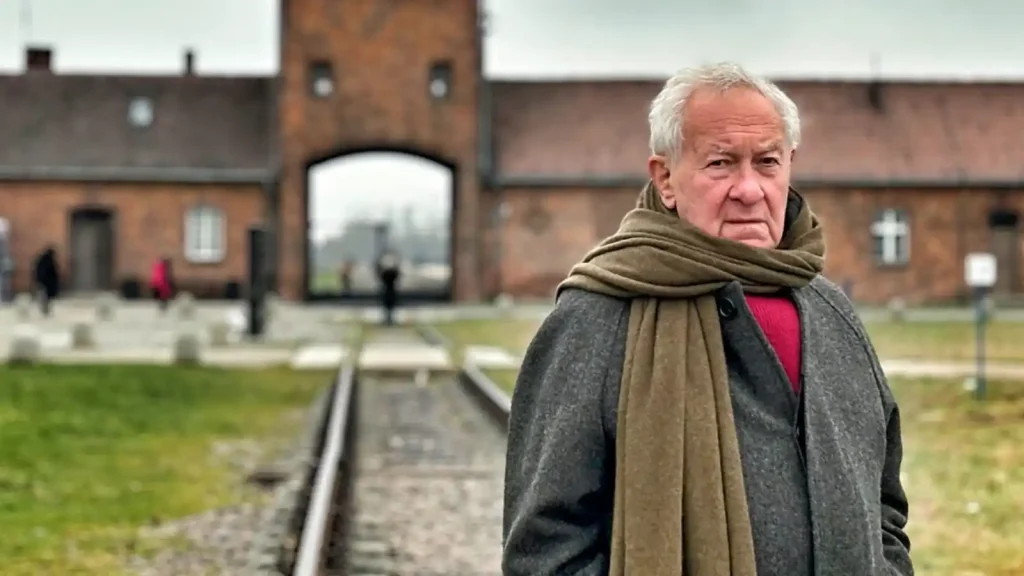
In “The Road to Auschwitz,” Schama undertakes perhaps his most personal and demanding project. This film is far more than a historical account; indeed, it is a deeply intimate journey. Schama, a historian of Jewish descent, confronts the staggering reality of the Holocaust. He grapples with the immense catastrophe that befell its millions of victims. Furthermore, the film documents his own pilgrimage, a path leading him across a wounded continent. This journey ultimately culminates in his first, harrowing visit to Auschwitz itself. It’s a confrontation with a past that shaped not only the world but also his own identity.
Who is Simon Schama? He is a renowned British historian, writer, and broadcaster. Born in London in 1945, his academic journey took him through Cambridge University. Subsequently, he built an impressive career, teaching at prestigious institutions on both sides of the Atlantic. However, Schama is best known for making history accessible and utterly compelling. He rejects dry, academic approaches.
Instead, he embraces vivid storytelling. His books, like “Citizens: A Chronicle of the French Revolution” or “The Embarrassment of Riches,” feel like novels. They pull readers directly into the lives and times he describes. Similarly, his television series, such as “A History of Britain,” have redefined historical documentaries. Schama connects the grand sweep of events to individual human experiences. This ability makes his work profoundly relatable.
His Jewish heritage adds another layer of significance to “The Road to Auschwitz.” While always present in his work, here it moves to the forefront. The Holocaust is not an abstract subject for Schama; consequently, it resonates with personal history and collective memory. He approaches the topic with the meticulousness of a scholar. Yet, he also brings the sensitivity of someone deeply connected to the community that was targeted. This personal stake fuels the film’s unflinching honesty. It drives its search for understanding beyond simple narratives.
The film powerfully challenges a common misconception about the Holocaust. Many view it solely as a monstrous obsession of the Nazi regime. They picture its horrors confined primarily to the infamous gas chambers of camps like Auschwitz. However, Schama reveals a far more complex and disturbing truth. He argues compellingly that the Holocaust was not merely a German crime. Instead, it was a European-wide catastrophe, built on a foundation of widespread complicity. This complicity wasn’t always active malice; often, it involved indifference, bureaucratic cooperation, and turning a blind eye. Therefore, the road to Auschwitz didn’t just start in Berlin; its paving stones were laid across the continent.
Schama’s journey becomes a physical exploration of this chilling thesis. He travels through landscapes scarred by memory. His path takes him to the Lithuanian lands of his own ancestors. Here, the Holocaust unfolded not with industrial efficiency, but with brutal, intimate violence. Bullets fired in forests and pits became the instruments of genocide. This stark reality contrasts sharply with his exploration of the Netherlands. There, the machinery of destruction relied less on outright savagery. Instead, meticulous bureaucracy played a crucial role. Orderly lists, registration systems, and transportation schedules facilitated the deportation of Dutch Jews. Thus, Schama shows how evil manifested in different, yet equally devastating, forms.
Central to the film’s narrative is the insidious way prejudice became a weapon. Schama meticulously demonstrates how centuries of deep-rooted anti-Jewish sentiment were exploited. This wasn’t a sudden eruption of hatred. Rather, it was a gradual process, carefully orchestrated. Propaganda relentlessly dehumanized Jewish people. Laws systematically stripped them of their rights and property. Neighbours, colleagues, and friends were slowly conditioned to see Jewish people as ‘other’. Consequently, the bonds of community frayed and eventually snapped. People were manipulated into turning against those they had lived alongside for generations. It’s a terrifying illustration of how societal norms can be corrupted. Fear and prejudice, once unleashed, can poison human relationships with shocking speed.
The film powerfully incorporates the voices of those who survived. One particularly moving interview underscores the film’s central warning. A survivor explains, with heartbreaking clarity, how “evil comes step by step.” This simple phrase encapsulates the gradual descent into barbarity. It wasn’t a single, monstrous leap. Instead, it was a series of seemingly small compromises, ignored warnings, and escalating aggressions. Each step made the next one easier, normalizing the unthinkable. This testimony resonates profoundly, echoing across the decades. It serves as a stark reminder that atrocities rarely begin with mass murder. They often start with words, with discrimination, and with the erosion of empathy. Therefore, understanding this step-by-step process is crucial for recognizing danger signs today.
Schama’s own emotional journey mirrors the historical one he uncovers. Visiting the killing fields in Lithuania connects him directly to his ancestral past. Confronting the bureaucratic coldness in the Netherlands reveals a different facet of systematic evil. Yet, the journey’s emotional apex is undoubtedly Auschwitz. Standing for the first time within the infamous gates of Auschwitz-Birkenau is a profound moment. It’s a place where the sheer scale of industrialized murder becomes terrifyingly real. For Schama, the historian and the individual, it is the ultimate confrontation with the abyss. The film captures the weight of this experience, the silence heavy with unspoken horrors. It’s a pilgrimage into the heart of darkness, seeking not easy answers, but deeper understanding.
Simon Schama: The Road to Auschwitz
What makes Schama’s approach so effective is his masterful blend of elements. He weaves together rigorous historical analysis with poignant personal reflection. He connects vast historical forces to individual stories of suffering and resilience. His narrative style avoids academic dryness, instead opting for clarity and emotional resonance. Like a skilled guide leading us through treacherous terrain, he illuminates the path. He helps us navigate the complexities of the past without losing sight of the human cost. Furthermore, his genuine intellectual curiosity and profound empathy shine through. He doesn’t just present history; he invites us to feel its weight and consider its lessons.
The chilling relevance of “The Road to Auschwitz” cannot be overstated. The film explores themes that remain painfully pertinent in the 21st century. Prejudice, the weaponization of hatred, and the dangers of indifference are not confined to history books. Similarly, the process of dehumanizing specific groups continues in various forms around the world. The survivor’s warning about evil arriving step by step serves as a timeless caution. We must remain vigilant against the incremental erosion of rights and empathy. Consequently, Schama’s work is more than a history lesson; it is an urgent call to awareness. It reminds us that the capacity for great evil exists within societies, often masked by normalcy.
In conclusion, Simon Schama’s “The Road to Auschwitz” is a landmark documentary. It is unflinching, deeply personal, and profoundly important. Schama expands our understanding of the Holocaust beyond the Nazi inner circle. He reveals the devastating impact of widespread European complicity, from violent pogroms to bureaucratic efficiency. Through his own journey and the voices of survivors, he traces the terrifying path by which prejudice escalated into genocide. The film is a powerful testament to the importance of memory.
Moreover, it serves as a critical reminder of our collective responsibility to recognize and resist the step-by-step arrival of evil. It challenges us to look honestly at the past, precisely because its shadows stretch, long and undeniable, into our present. We must remember, not just to honour the victims, but to safeguard the future.
FAQ Simon Schama: The Road to Auschwitz
Q: Who is Simon Schama and what is his background?
A: Simon Schama is a renowned British historian, writer, and broadcaster born in London in 1945. After studying at Cambridge University, he built an impressive career teaching at prestigious institutions across the UK and US. Rather than using dry academic approaches, Schama embraces vivid storytelling that makes history accessible. His Jewish heritage plays a significant role in his work, particularly in “The Road to Auschwitz” documentary where his personal connection to the Holocaust adds profound depth to his historical exploration.
Q: What is the main thesis of “The Road to Auschwitz” documentary?
A: The central thesis challenges the common misconception that the Holocaust was solely a Nazi German crime. Instead, Schama powerfully argues that it was a European-wide catastrophe built on widespread complicity. Through his journey across different countries, he demonstrates how the Holocaust manifested through various forms of participation, from bureaucratic cooperation in the Netherlands to brutal violence in Lithuania. Essentially, Schama reveals that the road to Auschwitz didn’t just start in Berlin; its foundation was laid across the entire continent through actions and inactions of many.
Q: How does Schama’s documentary differ from other Holocaust films?
A: Unlike many Holocaust documentaries that focus exclusively on concentration camps or Nazi policies, Schama’s film stands out through its deeply personal journey. As a historian of Jewish descent, he makes his first visit to Auschwitz while filming, creating an emotional connection rarely seen in historical documentaries. Furthermore, he expands the narrative beyond the camps themselves to explore how everyday prejudice, bureaucracy, and indifference across Europe enabled genocide. His masterful blend of rigorous historical analysis with poignant personal reflection transforms distant history into a vibrant, urgent story that resonates with contemporary relevance.
Q: What locations does Schama visit in the documentary and why are they significant?
A: Schama travels to multiple significant locations that illustrate different aspects of the Holocaust. He visits Lithuania, the land of his ancestors, where genocide took place through brutal, intimate violence in forests and pits. Additionally, he explores the Netherlands, where meticulous bureaucracy facilitated the deportation of Dutch Jews through orderly lists and transportation schedules. Finally, his journey culminates at Auschwitz-Birkenau, representing the industrial-scale murder that defined the Holocaust. Each location reveals how evil manifested in different yet equally devastating forms across Europe.
A: In one of the most powerful moments, a Holocaust survivor explains with heartbreaking clarity that “evil comes step by step.” This simple yet profound statement encapsulates how societies descended into barbarity not through a single monstrous leap but through a series of seemingly small compromises and escalating aggressions. The testimony underscores Schama’s central warning that atrocities rarely begin with mass murder; instead, they often start with words, discrimination, and the gradual erosion of empathy. Consequently, this warning serves as a timeless caution about recognizing danger signs in our own time.
Q: How does Schama portray the role of anti-Jewish sentiment in the Holocaust?
A: Schama meticulously demonstrates how centuries of deep-rooted anti-Jewish sentiment became a weaponized tool of genocide. Rather than portraying hatred as a sudden eruption, he reveals it as a gradual, carefully orchestrated process. Through propaganda that dehumanized Jewish people and laws that systematically stripped them of rights, neighbors and colleagues were slowly conditioned to view Jews as “other.” This profound insight illuminates how societal norms can be corrupted, causing fear and prejudice to poison human relationships with shocking speed, ultimately enabling ordinary people to participate in or ignore extraordinary evil.
Q: What storytelling techniques make Schama’s approach to history effective?
A: Schama’s effectiveness stems from his exceptional storytelling abilities that transform history from dusty facts into vibrant narratives. He weaves together academic rigor with emotional resonance, connecting vast historical forces to individual stories of suffering and resilience. Unlike traditional historians, Schama rejects dry academic approaches in favor of vivid descriptions that feel novelistic. Furthermore, his genuine intellectual curiosity and profound empathy shine through as he guides viewers through complex historical terrain without losing sight of the human cost, making distant events feel immediate and relevant.
Q: Why is “The Road to Auschwitz” relevant to contemporary society?
A: The documentary’s themes remain painfully pertinent in the 21st century as prejudice, weaponized hatred, and dangerous indifference continue to manifest globally. Modern societies still witness the dehumanization of specific groups and the incremental erosion of rights. Therefore, Schama’s work serves as more than a history lesson; it functions as an urgent call to awareness about recognizing the warning signs of societal breakdown. The film challenges viewers to look honestly at the past precisely because its shadows stretch into our present, reminding us of our collective responsibility to resist intolerance before it escalates into violence.
Q: How does Schama’s personal identity influence the documentary?
A: Schama’s Jewish heritage adds profound significance to his exploration of the Holocaust, moving from background influence to the documentary’s emotional center. The Holocaust resonates with both his personal history and collective memory, allowing him to approach the subject with a scholar’s meticulousness and the sensitivity of someone connected to the targeted community. His emotional journey mirrors the historical narrative, particularly when visiting Lithuania where his ancestors lived and ultimately culminating at Auschwitz. This personal stake fuels the film’s unflinching honesty and drives its search for understanding beyond simplified narratives.
Q: What unique perspective does Schama offer on how the Holocaust unfolded?
A: Schama uniquely focuses on the diverse mechanisms that enabled the Holocaust across different European regions. In Lithuania, he examines how genocide manifested through brutal, intimate violence in forests rather than camps. Conversely, in the Netherlands, he reveals how meticulous bureaucracy and administrative efficiency facilitated mass deportations. Through this comparative approach, Schama illuminates how evil adapted to local conditions while achieving the same devastating outcome. Moreover, he emphasizes that understanding this complex regional variation is crucial for recognizing how genocide can develop through different pathways, making his perspective especially valuable for contemporary warning signs.