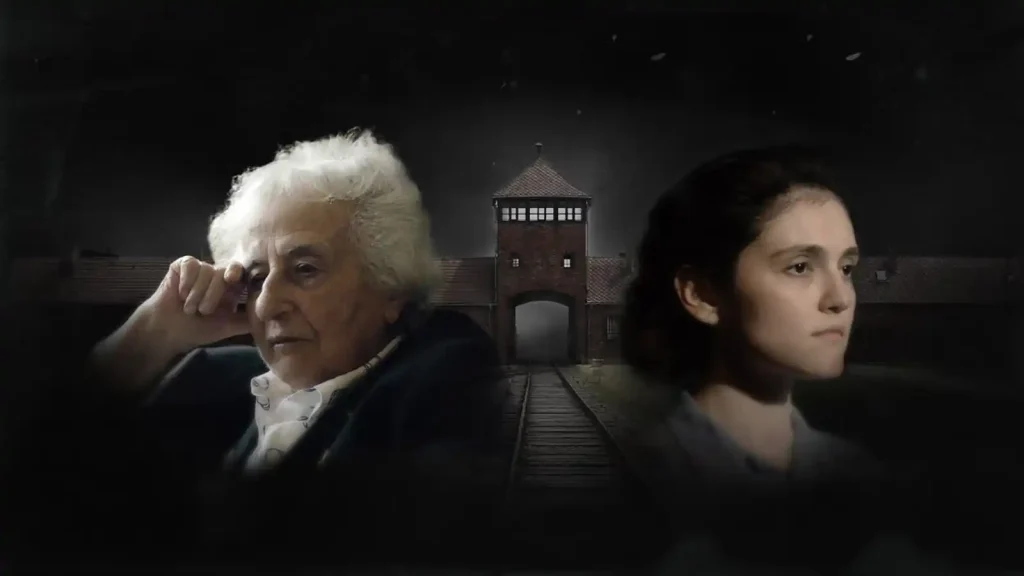
The Last Musician of Auschwitz – a title that sparks curiosity and unease in equal measure. How could music, a symbol of human expression and beauty, exist in one of the darkest corners of history? This poignant film delves into the heart of that paradox, revealing how music became a fragile lifeline amidst the horrors of Auschwitz. Through the voices of survivors and the melodies of those who once played under unimaginable duress, it tells a story of resilience, resistance, and the enduring power of art.
At the core of this narrative are the words of camp victims who, despite living through the unimaginable atrocities of the Holocaust, found solace and strength in music. For many, music was not just a creative outlet but a way to endure, to testify to their suffering, and to preserve a shred of their humanity. It was a means of silent defiance against a regime determined to strip them of their identity and will. These survivors recount how melodies, sometimes faint and fragile, carried their voices when words failed.
Interwoven throughout the film are new interpretations of musical works composed by victims of Auschwitz. These pieces, hauntingly beautiful and profoundly moving, are performed at evocative locations near the camp, adding layers of meaning to the story. The music captures the essence of themes like loss, longing, and the desperate clinging to memories of a world left behind. Each note speaks volumes, confronting the viewer with the harsh realities of life under a barbaric and murderous regime.
The film also explores the significance of cultural memory. Music, as it turns out, was not only a form of personal survival but also a way to preserve a collective heritage. The compositions heard in the film bear witness to the lives and cultures that the Holocaust sought to erase. Through the act of creation, these musicians left a legacy that transcends time, ensuring their voices are heard long after their physical silencing. The film’s juxtaposition of past and present brings this heritage to life, showing how art continues to be a bridge between generations, carrying messages of hope and warning.
Filmed on location, the visuals heighten the film’s emotional impact. The stark landscapes of Auschwitz—its crumbling barracks and barbed wire fences—stand as silent witnesses to unspeakable cruelty. Against this backdrop, the music takes on an almost ethereal quality, offering glimpses of humanity in a place designed to erase it. Each performance is a testament to the resilience of the human spirit, the ability to find light even in the darkest times.
The narrative structure of the film alternates between survivor testimonies, historical context, and musical performances, creating a rich tapestry of voices and experiences. The survivors’ stories are told with raw honesty, painting vivid pictures of the daily horrors they endured and the small, fleeting moments of hope they clung to. Their accounts are not merely tales of suffering but also of the courage to create and connect despite overwhelming odds.
The Last Musician of Auschwitz
As the film unfolds, it challenges the viewer to grapple with difficult questions. How could such beauty arise from such ugliness? What does it say about humanity that even in the face of unimaginable evil, the desire to create and share art persisted? These questions linger long after the credits roll, prompting reflection on the complexities of human nature.
The Last Musician of Auschwitz is not just a film; it is a memorial, a reminder, and a call to action. It underscores the importance of remembering history—not just the atrocities but also the acts of defiance and resilience that occurred within it. By giving voice to the victims through their own words and music, the film ensures that their stories are not forgotten. It invites the audience to bear witness, to listen deeply, and to honor the legacy of those who found light in the darkest of places.
This is a story that resonates on many levels. It speaks to the power of art as a universal language, capable of expressing what words cannot. It reminds us of the enduring strength of the human spirit, even in the face of overwhelming darkness. And it challenges us to reflect on our own lives, to consider how we might find and share hope in our own struggles. In the end, The Last Musician of Auschwitz is not just a story about the past—it is a testament to the timeless power of music to heal, to connect, and to endure.
Conclusion The Last Musician of Auschwitz
In the end, The Last Musician of Auschwitz is more than a film; it is a haunting symphony of memory, resilience, and the human spirit. Like a melody carried on a fragile breeze, it reminds us that even in the darkest corners of history, beauty and hope can find a way to endure. Music, in this story, becomes both a lifeline and a legacy—a way for those who suffered to speak across time and generations.
The survivors’ voices echo like whispered prayers, blending sorrow with strength. Their stories, underscored by the ethereal notes of music born in captivity, ask us to confront the depths of human cruelty while marveling at the heights of human creativity. How extraordinary it is that amidst unimaginable horror, the desire to create beauty persisted—a testament to the indomitable spirit that refuses to be silenced.
Each note played in the film carries the weight of history, much like footprints in the snow that refuse to fade. These compositions are not just art; they are monuments, living memorials to the lives and cultures that the Holocaust sought to erase. The act of performing them today transforms grief into defiance, turning ephemeral sounds into lasting symbols of resistance and remembrance.
The film’s visuals serve as powerful companions to its narrative. The stark landscapes of Auschwitz, once a stage for unspeakable cruelty, now resonate with the haunting beauty of these performances. Here, the music feels almost otherworldly, a shimmering thread of light woven into the fabric of a place steeped in shadow. It’s a reminder that even where despair once reigned, hope can take root and flourish.
Ultimately, The Last Musician of Auschwitz challenges us to see beyond tragedy. It calls on us to honor the resilience of those who lived through such horrors and to ensure their stories remain vibrant in collective memory. This is not just a film about survival; it is a testament to the power of art to heal wounds, to connect hearts, and to defy oblivion.
As the final notes linger, they leave an imprint—a gentle but firm call to action. Remember the past, yes, but also carry its lessons forward. Let this music, born of pain yet filled with hope, inspire you to create, to connect, and to stand against darkness in all its forms. For in these melodies, we find not only a bridge to the past but also a compass for our shared humanity.
FAQ The Last Musician of Auschwitz
Q: What is “The Last Musician of Auschwitz” about?
A: “The Last Musician of Auschwitz” is a poignant film that explores the role of music in the lives of those imprisoned in Auschwitz during the Holocaust. It tells the story of how music became a source of hope, resilience, and resistance in the face of unimaginable suffering. Through survivor testimonies and newly interpreted musical pieces, the film reveals the power of music to preserve human dignity and cultural memory. Furthermore, it serves as a reminder of the importance of remembering the past and honoring the legacy of those who perished in the Holocaust.
Q: How does the film portray the experiences of Auschwitz survivors?
A: The film presents survivor testimonies with raw honesty and sensitivity. It allows survivors to share their stories in their own words, providing a firsthand account of the horrors they endured. However, the film goes beyond simply documenting suffering. It also highlights the incredible resilience of the human spirit and the ways in which these individuals found strength and hope amidst unimaginable circumstances. Ultimately, their testimonies serve as a powerful testament to the enduring power of the human spirit.
Q: What kind of music is featured in the film?
A: “The Last Musician of Auschwitz” features new interpretations of musical works composed by victims of Auschwitz. These pieces are hauntingly beautiful and profoundly moving, capturing the essence of themes like loss, longing, and the struggle for survival. Moreover, the music is performed at evocative locations near the camp, adding another layer of meaning to the story. By bringing these compositions to life, the film ensures that the voices of these musicians are heard long after their physical silencing.
Q: How does the film use visuals to enhance its message?
A: The film was shot on location at Auschwitz, and the visuals are incredibly powerful. The stark landscapes of the camp – the crumbling barracks, the barbed wire fences – serve as a constant reminder of the atrocities that occurred there. Against this backdrop, the music takes on an almost ethereal quality, symbolizing the resilience of the human spirit. In essence, the visuals and the music work together to create a deeply moving and unforgettable experience.
Q: What is the significance of cultural memory in the film?
A: The film emphasizes that music was not only a form of personal survival for the prisoners of Auschwitz, but also a way to preserve their cultural heritage. The Nazis sought to erase the identities of their victims, but through their music, these individuals left a legacy that transcends time. Consequently, the film argues that remembering and preserving this cultural heritage is crucial to understanding the Holocaust and preventing future atrocities.
Q: What is the overall message of “The Last Musician of Auschwitz”?
A: “The Last Musician of Auschwitz” is a powerful reminder of the importance of remembering the past and honoring the victims of the Holocaust. However, it is also a testament to the enduring strength of the human spirit and the power of art to heal and connect us. The film encourages us to reflect on our own lives and to find ways to share hope and resist darkness in all its forms. Ultimately, “The Last Musician of Auschwitz” is a call to action, urging us to learn from history and work towards a more just and compassionate world.