What Happened at Auschwitz
The Holocaust stands as one of humanity’s darkest chapters—a harrowing moment that shook the world to its core. Yet, as journalist Jordan Dunbar discovers, its story is being diluted by a troubling mix of disinformation and fading collective memory.
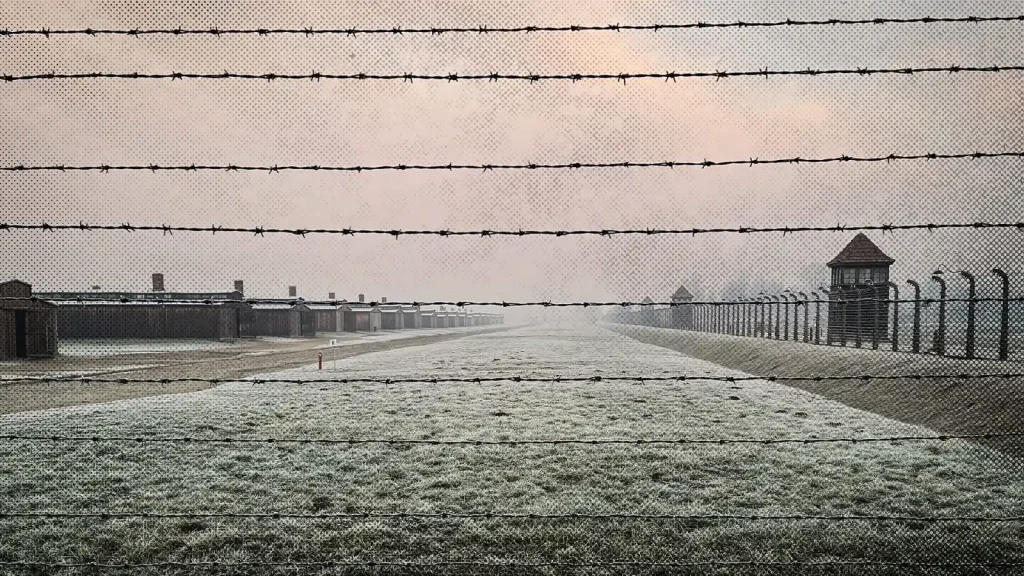
In a compelling new documentary commemorating the 80th anniversary of Auschwitz-Birkenau’s liberation, survivors recount their experiences at the largest site of mass murder in human history. During World War II, approximately one million Jewish men, women, and children were murdered in Auschwitz alone. Across Europe, millions more fell victim to the Nazis’ systematic campaign of genocide, perishing in concentration and extermination camps.
Determined to understand what truly happened, Jordan embarks on a deeply personal journey of discovery. He speaks with survivors in the UK and travels to Poland, where he walks the same grounds that witnessed unimaginable horrors. Each step connects him to those who lived and died there, offering him—and us—a glimpse into the profound resilience of the human spirit.
One of the voices guiding this exploration is Dov Forman, the great-grandson of Lily Ebert, a remarkable Auschwitz survivor. Lily became a beacon of hope for younger generations, amassing millions of TikTok followers by sharing her story and answering questions about the Holocaust. Through her lens, Dov and Jordan confront the modern challenges of misinformation, exploring how platforms that spread disinformation can distort history.
The documentary doesn’t shy away from the grim details. Survivors recount being torn from their families, many never to reunite. They share harrowing memories of surviving through forced labor under the constant threat of random executions. For others, the so-called “joy” of liberation was overshadowed by the realization that their loved ones had been gassed as part of a plan to exterminate an entire race.
The testimonies of Renee Salt, Ivor Perl, Harry Olmer, and Arek Hersh offer an unflinching look at the Final Solution’s brutal reality. Their stories reveal families shattered, communities erased, and lives stolen in an operation designed to eliminate the Jewish people. Yet, despite the devastation, these survivors found the strength to rebuild.
After liberation, many survivors sought refuge and began new lives in the UK. Some, including children, were sent to the serene Lake District to recover from the horrors they endured. These stories of hope amidst despair remind us that even in the face of unimaginable cruelty, humanity can endure, rebuild, and thrive.
What Happened at Auschwitz
Auschwitz is not merely a historical site; it is a warning. The personal accounts shared in the documentary underscore why these stories must be preserved. They remind us of the dangers of forgetting—of allowing disinformation to seep into our collective consciousness, distorting the truth of what happened.
Jordan’s journey is a poignant reminder that the Holocaust was not just a historical event—it was a seismic rupture in humanity’s moral fabric. Through survivor testimonies, historical records, and modern reflections, this documentary challenges us to remember, to educate, and to ensure that such atrocities never happen again.
As we mark this solemn anniversary, we must listen to the voices of those who survived. Their stories are not just echoes of the past but lessons for the present—a call to resist hatred, challenge denial, and honor the memory of those who were lost.
Conclusion of What Happened at Auschwitz
Auschwitz stands as a scar on humanity’s conscience, a site where cruelty reached depths that defy comprehension. It is a haunting reminder of what unchecked hatred can achieve. The stories shared in this documentary are not mere fragments of history; they are powerful warnings etched into the fabric of our collective memory.
Through the voices of survivors, we glimpse both the fragility and resilience of the human spirit. These testimonies serve as bridges to a past that must never fade into obscurity. They remind us of families torn apart, communities annihilated, and dreams extinguished—all in the name of a twisted ideology.
Yet, within this darkness, sparks of hope flicker. Survivors like Lily Ebert illuminate the strength it takes to rebuild, turning unspeakable suffering into lessons for future generations. Their courage inspires us to confront the uncomfortable truths of our history and ensure such atrocities never happen again.
As Jordan Dunbar retraced the footsteps of those who endured Auschwitz, his journey echoed a profound truth: remembering is an act of defiance against forgetting. It is a shield against the creeping tide of disinformation and denial. Each story told and every fact preserved is a testament to humanity’s resolve to learn from its past.
Auschwitz is not just a physical place—it is a symbol of the cost of indifference. It implores us to remain vigilant against prejudice, to question narratives that sow division, and to nurture empathy in a world still prone to hate. These are not just moral imperatives but vital lessons for preserving the very essence of humanity.
As we commemorate 80 years since Auschwitz’s liberation, let us honor those who survived by carrying their stories forward. Let us teach their lessons in our homes, schools, and communities. The weight of their experiences should propel us to build a world where dignity triumphs over despair and compassion eclipses cruelty.
In remembering Auschwitz, we do more than preserve history—we safeguard the future. We owe it to those who suffered, to those who resisted, and to generations yet to come. The Holocaust is a chapter humanity must never close, for its lessons are the ink with which we must write a better tomorrow.
FAQ What Happened at Auschwitz
Q: What is the main focus of the documentary “What Happened at Auschwitz”?
A: This powerful documentary commemorates the 80th anniversary of the liberation of Auschwitz-Birkenau. Furthermore, it explores the harrowing experiences of Holocaust survivors at Auschwitz, the largest Nazi extermination camp. Through survivor testimonies, the film offers an unflinching look at the atrocities committed during the Holocaust. Additionally, it delves into the importance of preserving historical memory and combating misinformation. Ultimately, the documentary serves as a poignant reminder of the devastating consequences of hatred and prejudice.
Q: Who is Jordan Dunbar and what role does he play in the documentary?
A: Jordan Dunbar is a journalist who embarks on a personal journey to understand the horrors of Auschwitz. He speaks with survivors in the UK, connecting with their stories of resilience. Moreover, he travels to Poland to visit the Auschwitz-Birkenau memorial site. By walking the grounds of the camp, he gains a deeper understanding of the unimaginable suffering that occurred there. Throughout the documentary, Jordan acts as a guide, leading viewers through a profound exploration of history and memory.
A: How does the documentary address the issue of misinformation surrounding the Holocaust?
A: The documentary tackles the growing concern of Holocaust denial and distortion. It features Dov Forman, the great-grandson of Auschwitz survivor Lily Ebert. Together, they discuss the dangers of misinformation spreading online, particularly on social media platforms. Moreover, they emphasize the importance of education and critical thinking in combating these harmful narratives. By highlighting the voices of survivors and historical evidence, the film actively challenges attempts to rewrite or diminish the Holocaust.
Q: Can you provide some specific examples of the survivor testimonies featured in the documentary?
A: The documentary includes deeply moving accounts from several Holocaust survivors. For instance, Renee Salt, Ivor Perl, Harry Olmer, and Arek Hersh share their experiences. They recount being separated from their families, enduring forced labor, and witnessing unimaginable cruelty. However, their testimonies also reveal incredible strength and resilience. These personal stories provide invaluable insight into the human cost of the Holocaust and the enduring power of the human spirit.
Q: Why is it crucial to continue remembering and learning about Auschwitz?
A: Auschwitz serves as a stark reminder of the consequences of unchecked hatred and prejudice. Remembering the Holocaust is essential to prevent such atrocities from happening again. By learning about the experiences of survivors, we can honor their memory and educate future generations. Furthermore, understanding the past helps us to recognize and confront contemporary forms of discrimination and intolerance. Ultimately, remembering Auschwitz is an act of defiance against forgetting and a commitment to building a more just and compassionate world.
Q: What is the overall message and impact of “What Happened at Auschwitz”?
A: The documentary leaves viewers with a profound sense of responsibility. It compels us to confront the darkest chapters of human history and to actively work towards a better future. Through its powerful storytelling and poignant survivor testimonies, the film fosters empathy and understanding. It encourages viewers to challenge prejudice, promote tolerance, and safeguard human dignity. In essence, “What Happened at Auschwitz” is a call to action, urging us to never forget the past and to remain vigilant in the face of hatred.