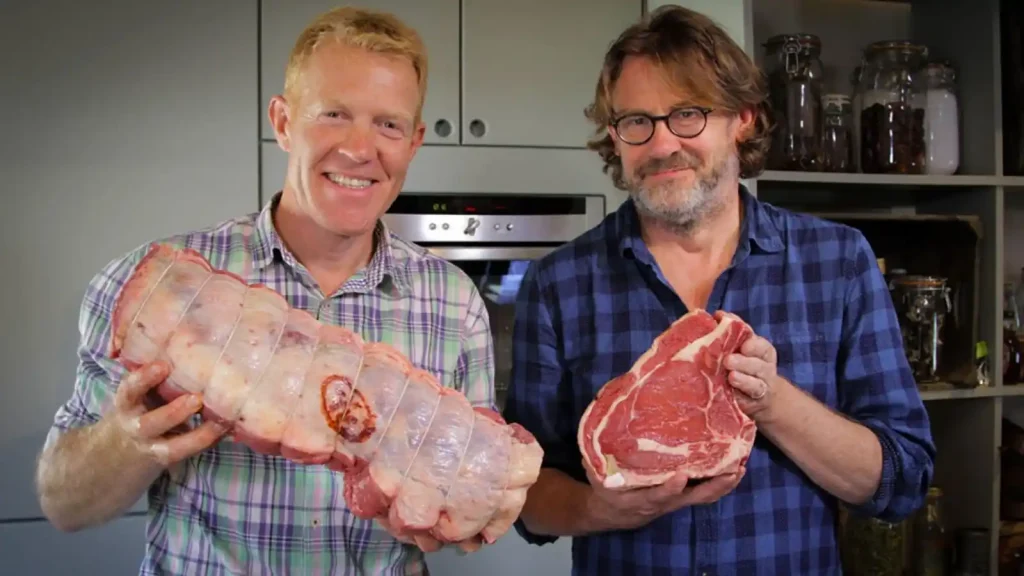
Nigel and Adam’s Farm Kitchen episode 3 takes viewers on another flavorful journey as the duo continues their heartfelt mission to reconnect Britain with the roots of its food. With the UK consuming well over a billion chickens annually, it’s no surprise that chicken reigns supreme as the nation’s favorite meat. Whether it’s fried, roasted, or part of a spicy curry, chicken has found its way onto almost every takeaway and restaurant menu across the country.
In this episode, Nigel ventures to the vibrant city of Manchester, a culinary melting pot brimming with diverse flavors and traditions. Here, he seeks inspiration from local restaurants to elevate his recipes back on the picturesque farm nestled in the rolling hills of the Cotswolds. Manchester’s bustling food scene offers an array of ideas, from fiery peri-peri chicken to fragrant Thai curries, showcasing how international cuisines have influenced British dining habits.
Armed with these inspirations, Nigel demonstrates how to recreate popular processed foods, like chicken kiev and creamy avocado dips, with fresh, wholesome ingredients. By taking the time to prepare these dishes from scratch, he not only highlights the joy of cooking but also underscores the importance of knowing exactly what’s on your plate.
Meanwhile, Adam takes on a farming challenge that pushes the boundaries of tradition and embraces innovation. Determined to grow exotic crops such as rice and Asian mushrooms, Adam transforms the farm into a hub of experimentation. With grit and ingenuity, he tackles the unique demands of these crops, from replicating the warm, wet conditions needed for rice paddies to creating the perfect environment for delicate mushrooms to thrive. His efforts underscore the resilience of farmers and the endless possibilities of British agriculture.
As the episode unfolds, Nigel and Adam’s farm becomes a vibrant hub of activity. The ultimate goal? To host a grand feast featuring a medley of international dishes crafted with ingredients grown or prepared on-site. With guests eagerly awaiting their culinary creations, the pressure is on to bring together flavors from around the globe while staying true to the farm’s ethos of sustainability and self-sufficiency.
Nigel’s approach to cooking is nothing short of inspiring. He takes viewers through step-by-step processes, transforming simple ingredients into mouthwatering dishes. For instance, his version of chicken kiev involves carefully stuffing juicy chicken breasts with a rich garlic butter filling before coating them in golden breadcrumbs. Pairing this with a vibrant avocado dip, he emphasizes the freshness and flavor that homemade cooking can deliver—a stark contrast to the often bland and preservative-laden options found in stores.
On the other hand, Adam’s farming journey is a testament to perseverance and adaptability. Growing rice in the UK is no small feat, but with a makeshift paddy field and an unwavering spirit, he proves it can be done. His success with Asian mushrooms, cultivated in carefully controlled conditions, further demonstrates how even the most unconventional crops can thrive with the right care and attention. Adam’s work is a reminder that farming is as much about innovation as it is about tradition.
Nigel and Adam’s Farm Kitchen episode 3
Together, Nigel and Adam bring their shared passion for food and farming to life. Their partnership reflects a deep respect for the land and the joy of bringing people together through food. As the episode builds to its celebratory conclusion, the feast serves as a fitting finale. Guests are treated to a sumptuous spread that highlights the rich diversity of global cuisine while showcasing the very best of British farming. From aromatic rice dishes to perfectly cooked chicken and earthy mushroom sautés, each plate tells a story of hard work, creativity, and a love for good food.
By bridging the gap between farm and fork, Nigel and Adam’s Farm Kitchen not only entertains but also educates. The series reminds us of the value of locally sourced, sustainably grown produce and the satisfaction that comes from making meals with care. It’s a call to action for viewers to think more deeply about where their food comes from and to appreciate the farmers who make it all possible.
This episode of Nigel and Adam’s Farm Kitchen is a celebration of food’s power to connect people, cultures, and traditions. It’s a reminder that with a little creativity and effort, anyone can bring the flavors of the world to their table while honoring the land that provides for us all. Whether you’re a seasoned cook or a curious beginner, this episode offers something to savor and inspires a deeper appreciation for the journey from farm to plate.
Conclusion Nigel and Adam’s Farm Kitchen episode 3
As the credits roll on Nigel and Adam’s Farm Kitchen episode three, viewers are left with a sense of warmth and inspiration. This isn’t just another cooking show—it’s a heartfelt celebration of connection, creativity, and courage in both the kitchen and the fields. Nigel’s culinary creations and Adam’s farming innovations remind us that food is so much more than sustenance; it’s a bridge linking past traditions, global influences, and our collective future.
Nigel’s journey to Manchester was more than a quest for recipes—it was a dive into the melting pot of British culture. The city’s bustling food scene brought new dimensions to his cooking, blending fiery spices with comforting familiarity. His recreated chicken kiev and fresh avocado dip showcased the transformative power of homemade meals. These dishes weren’t just food; they were experiences, each bite a testament to the joy of taking control over what we eat and savoring every ingredient.
Meanwhile, Adam’s daring endeavors on the farm proved that innovation thrives where tradition and determination meet. Growing rice in the damp, unpredictable British climate was a challenge many wouldn’t dare to attempt. Yet Adam’s ingenuity turned obstacles into stepping stones, crafting makeshift paddy fields and adapting to the needs of exotic crops. His success is a reminder of farming’s boundless potential and the endless possibilities of working in harmony with the land.
The culmination of these efforts was the grand feast, a vibrant tapestry of flavors, stories, and cultures. Guests gathered around a table laden with dishes that showcased not just culinary skill but also the heart of British agriculture. Each plate reflected a journey—from seed to soil, stove to serving dish—woven together by Nigel and Adam’s shared passion for sustainable living.
This episode goes beyond entertaining. It challenges us to rethink our relationship with food, encouraging curiosity and creativity in our kitchens. It’s a call to appreciate the hands that grow our ingredients and to honor the land that nourishes us. With every recipe and farming experiment, Nigel and Adam inspire us to connect more deeply with our food and the world around us.
In a world where convenience often overshadows quality, Nigel and Adam remind us to pause and savor. Whether you’re stirring a pot or planting a seed, their journey shows that great things grow from care, effort, and a dash of daring—a recipe we can all embrace in our daily lives.
FAQ Nigel and Adam’s Farm Kitchen episode 3
Q: What is unique about Nigel and Adam’s approach to cooking in “Nigel and Adam’s Farm Kitchen”?
A: Nigel and Adam champion a “farm-to-table” philosophy. Consequently, they emphasize fresh, locally-sourced ingredients. Furthermore, they prioritize sustainable practices. Their approach underscores the importance of knowing where your food comes from. Ultimately, they aim to reconnect people with the origins of their meals.
Q: Why did Nigel travel to Manchester in this episode?
A: Manchester is a melting pot of cultures and cuisines. Therefore, Nigel sought inspiration from the city’s diverse food scene. He wanted to bring new flavors and ideas back to his farm in the Cotswolds. Specifically, he explored how international cuisines have influenced British cooking. Moreover, he aimed to demonstrate how these global influences can be incorporated into home cooking.
Q: What innovative farming techniques does Adam explore in episode 3?
A: Adam pushes the boundaries of traditional British agriculture. For example, he attempts to cultivate rice, a crop typically grown in warmer climates. Additionally, he experiments with growing Asian mushrooms. To achieve this, he creates specialized growing environments on the farm. Through these endeavors, he showcases the adaptability and resilience of farmers.
Q: How does Nigel demonstrate the value of homemade food in this episode?
A: Nigel recreates popular processed foods, like chicken kiev, using fresh ingredients. By doing so, he highlights the difference in flavor and quality. He advocates for cooking from scratch. Moreover, he emphasizes the satisfaction of knowing exactly what goes into your food. In contrast to store-bought options, his homemade dishes are free of preservatives and additives.
Q: What is the significance of the feast at the end of the episode?
A: The feast serves as a culmination of Nigel and Adam’s efforts. It is a celebration of their shared passion for food and farming. Furthermore, it symbolizes the connection between the land and the table. The feast features a diverse array of dishes. These dishes showcase both global flavors and the best of British produce. Ultimately, the feast is a testament to the power of food to bring people together.
Q: What can viewers learn from watching “Nigel and Adam’s Farm Kitchen”?
A: The show goes beyond entertainment. Indeed, it educates viewers about sustainable farming and cooking. It encourages viewers to think critically about their food choices. Additionally, it inspires them to be more creative in the kitchen. The show promotes a deeper appreciation for the journey from farm to plate. Finally, it highlights the importance of supporting local farmers and sustainable agriculture.