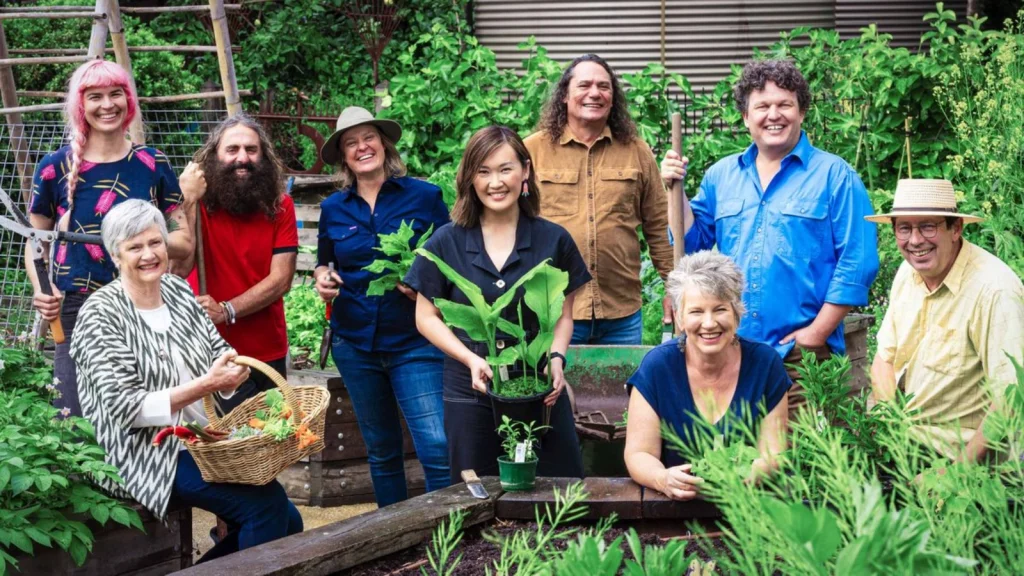
The Melbourne International Flower & Garden Show, as showcased in Gardening Australia 2025 Episode 16, serves as a vibrant hub for horticultural innovation and inspiration. This event brings together leading experts, passionate gardeners, and stunning displays, creating a unique educational atmosphere. It provides a platform to explore the latest trends, from intricate floral designs to large-scale landscape construction. Consequently, the show acts as a barometer for the state of modern horticulture, reflecting both current aesthetics and emerging environmental concerns.
The significance of such an event extends beyond mere visual appeal, touching on the very heart of community and environmental stewardship. It fosters a deeper connection with the natural world, encouraging attendees to engage more actively with their own green spaces. The questions posed by the public during the event reveal a growing desire for knowledge, particularly regarding sustainable practices. This focus on responsible gardening demonstrates a collective shift towards creating resilient and ecologically sound environments, one backyard at a time.
This exploration delves into several key facets presented in Gardening Australia 2025 Episode 16, offering a comprehensive overview of the event’s core themes. We will examine the expert advice shared during interactive sessions, addressing common challenges faced by everyday gardeners. Furthermore, the article will investigate the impressive logistical efforts involved in managing the show’s environmental footprint, specifically its waste recycling program. Finally, it will uncover the rich history of the heritage-listed site that hosts this celebrated festival.
Understanding the context of the venue itself is crucial to appreciating the show’s full character. The Carlton Gardens, home to the Royal Exhibition Building, is a site steeped in history, a fact that enriches the visitor experience. Before the first plants were ever curated for a show, this land held deep cultural significance for the Wurundjeri people. Its subsequent transformation into a Victorian-era public park and a stage for international exhibitions adds layers of historical narrative to the modern spectacle of flowers and design.
This journey through the show’s highlights, from practical advice to historical insights, reveals a multi-faceted world. It bridges the gap between the aspirational show gardens and the achievable home garden, providing tangible takeaways for enthusiasts of all levels. As we move from expert Q&A sessions to the operational mechanics behind the scenes, a clearer picture emerges of an event that is as much about education and sustainability as it is about beauty. The practical solutions and historical perspectives together create a robust framework for understanding contemporary horticulture.
Gardening Australia 2025 Episode 16
Expert Insights from Gardening Australia 2025 Episode 16
One of the most valuable aspects of the Melbourne International Flower & Garden Show is the direct access it provides to horticultural experts. In a segment hosted by Millie Ross, Costa Georgiadis, and Sophie Thomson, a range of common yet complex gardening questions were addressed, offering practical solutions grounded in science and experience. A recurring theme was the management of plant health, moving beyond simple remedies to understand the root causes of problems. For instance, when discussing lawn care, the experts emphasized the importance of soil health as the foundation for a robust turf, a principle that applies across all forms of gardening.
A question regarding the control of oxalis, a persistent weed, highlighted a strategic, long-term approach over quick fixes. Sophie Thomson explained that the weed’s bulbils make it difficult to eradicate mechanically. She advised a method of attrition: consistently removing the foliage to deplete the bulb’s energy reserves over time. This technique, she noted, requires patience but is ultimately more effective and less disruptive to the soil ecosystem than chemical alternatives. This advice underscores a broader philosophy of working with natural cycles rather than against them.
The discussion also ventured into the realm of plant selection and placement, a critical component of successful landscaping. A query about growing productive fruit trees in narrow urban spaces prompted a look at espalier techniques and columnar varieties. Costa Georgiadis pointed out that by choosing the right rootstock and cultivar, it is possible to cultivate a surprising amount of food in limited areas. This approach not only maximizes the utility of small gardens but also contributes to local food security and reduces reliance on commercial supply chains. The experts collectively stressed the importance of research before planting, ensuring the chosen species suits the specific site conditions.
Sustainable Systems: Recycling Waste at the Show
Behind the breathtaking floral displays and elaborate show gardens lies a complex logistical operation. A significant part of this operation, as detailed in Gardening Australia 2025 Episode 16, is the commitment to sustainability, particularly through comprehensive waste management. The event generates a vast amount of organic and inorganic waste, and the system in place to process it is a model of efficiency and environmental responsibility. Millie Ross’s behind-the-scenes look revealed a multi-stream approach to ensure as much material as possible is diverted from landfill.
The process begins with the careful separation of materials at the source. Exhibitors and vendors are guided to use specific bins for green waste, co-mingled recycling, and general rubbish. According to the show’s waste management team, the green waste, which includes everything from floral off-cuts to soil and mulch, constitutes the largest volume. This material is transported to a dedicated facility where it undergoes a transformation into high-quality compost. This compost is then used in public parks and community garden projects, effectively closing the loop and returning valuable organic matter to the earth.
This circular economy model is central to the show’s environmental ethos. The sheer scale of the event provides a unique opportunity to educate a large audience about the importance of recycling and resource recovery. By making the process transparent, the organizers aim to inspire visitors and other event managers to adopt similar practices. The success of the program demonstrates that with careful planning and collaboration, large-scale events can significantly minimize their environmental impact, turning potential waste into a valuable resource for the community and its green spaces.
A Landscape Steeped in History
The ground upon which the Melbourne International Flower & Garden Show is held is as significant as the event itself. As Costa Georgiadis explored in the program, the Carlton Gardens and the Royal Exhibition Building are not merely a backdrop but a central character in the story. This UNESCO World Heritage Site has a rich and layered history that predates the garden show by more than a century. The Royal Exhibition Building, completed in 1880, was constructed to host the Melbourne International Exhibition, a grand event that showcased industry, art, and culture from around the globe.
The building and its surrounding gardens were designed to impress, representing Melbourne’s ambition and its place on the world stage. The landscaping of the gardens themselves was a masterpiece of Victorian design, featuring sweeping lawns, formal avenues of trees, and ornamental lakes. These elements were intended to create a space for public recreation and moral edification, reflecting the 19th-century belief in the restorative power of nature. Many of the mature trees that grace the gardens today, such as the majestic elms and oaks, were planted during this foundational period.
This historical context provides a deeper appreciation for the site’s contemporary use. The legacy of showcasing innovation continues with the Flower & Garden Show, which introduces new plants, techniques, and design concepts to a modern audience. The event’s presence within this heritage landscape creates a powerful dialogue between past and present. It highlights the enduring human need to connect with nature and celebrates the evolution of horticulture against a backdrop of remarkable architectural and historical significance.
Where Heritage Blooms Meet Tomorrow’s Gardens
Standing amid the grandeur of the Carlton Gardens, surrounded by century-old elms and the architectural marvel of the Royal Exhibition Building, visitors to the Melbourne International Flower & Garden Show experience something far more profound than a simple horticultural display. They witness a living testament to humanity’s enduring relationship with the natural world—one that stretches from the Wurundjeri people’s deep connection to this land, through Victorian aspirations of public beautification, to today’s urgent conversations about environmental stewardship.
The show’s true brilliance lies not in its spectacular floral arrangements or award-winning landscape designs, though these certainly dazzle. Rather, it’s found in the seamless weaving together of expert knowledge, practical solutions, and environmental consciousness that transforms visitors from passive admirers into active participants in their own green spaces. When Sophie Thomson patiently explains the art of oxalis control through persistent foliage removal, or Costa Georgiadis demonstrates how espalier techniques can transform a narrow urban balcony into a productive food source, they’re doing more than sharing gardening tips—they’re building a community of informed environmental stewards.
Perhaps most inspiring is how the show’s comprehensive waste management program transforms potential environmental burden into community benefit. This circular approach—where yesterday’s floral displays become tomorrow’s compost for public parks—offers a tangible model that extends far beyond the event itself. It demonstrates that sustainability isn’t just an abstract ideal but a practical framework that can be applied at every scale, from municipal events to backyard composting systems.
The historical backdrop adds weight to these modern innovations. In the same space where Victorian gardeners once showcased exotic specimens as symbols of empire and progress, today’s horticulturists present indigenous plants and water-wise gardening as symbols of adaptation and resilience. This evolution reflects our growing understanding that the most beautiful gardens are those that work in harmony with their environment rather than dominating it.
For the home gardener leaving the show with a head full of ideas and perhaps a few carefully chosen plants, the real journey is just beginning. The challenge—and the opportunity—lies in translating the inspiration found among these heritage-listed grounds into everyday practices that honor both the past and the future. Whether it’s implementing water-wise plantings, creating habitat for native wildlife, or simply taking the time to understand soil health before reaching for quick fixes, each small action contributes to a larger movement toward more thoughtful, sustainable horticulture.
As the show’s gates close and the exhibits are carefully recycled into next year’s garden beds, the most valuable takeaway isn’t found in any single display or expert tip. It’s the understanding that gardening, at its heart, is an act of hope—a belief that through patient tending, thoughtful planning, and respect for natural systems, we can create spaces that nurture both our communities and the environment that sustains them. In our own gardens, we become the inheritors and stewards of this remarkable tradition.
FAQ Gardening Australia 2025 Episode 16
Q: What is the Melbourne International Flower & Garden Show?
A: The Melbourne International Flower & Garden Show serves as Australia’s premier horticultural event, bringing together leading experts, passionate gardeners, and stunning displays. Additionally, this vibrant hub showcases the latest trends in floral design and landscape construction while acting as a barometer for modern horticulture’s current aesthetics and emerging environmental concerns.
Q: Where is the show held and what makes this venue historically significant?
A: The show takes place at Carlton Gardens surrounding the Royal Exhibition Building, a UNESCO World Heritage Site with remarkable historical depth. Furthermore, this land held deep cultural significance for the Wurundjeri people before transforming into a Victorian-era public park. The Royal Exhibition Building, completed in 1880, originally hosted the Melbourne International Exhibition, representing the city’s global ambitions.
Q: What type of expert advice can visitors access at the show?
A: Visitors gain direct access to horticultural experts like Millie Ross, Costa Georgiadis, and Sophie Thomson during interactive Q&A sessions. Moreover, these experts address common gardening challenges with practical solutions grounded in science and experience. The recurring theme emphasizes understanding root causes of plant health issues rather than relying on simple remedies or quick fixes.
Q: How does the show demonstrate environmental responsibility and sustainability?
A: The show operates an impressive comprehensive waste management system that diverts maximum material from landfill through multi-stream recycling approaches. Consequently, exhibitors separate green waste, co-mingled recycling, and general rubbish at the source. This circular economy model transforms potential waste into valuable community resources, demonstrating that large-scale events can significantly minimize environmental impact.
Q: What specific gardening techniques do experts demonstrate for common problems?
A: Sophie Thomson demonstrates strategic oxalis control through persistent foliage removal, depleting the weed’s energy reserves over time rather than using disruptive chemical alternatives. Additionally, experts emphasize soil health as the foundation for robust turf and successful gardening. This approach reflects a broader philosophy of working with natural cycles rather than against them.
Q: How does the show help urban gardeners maximize small spaces?
A: Costa Georgiadis showcases espalier techniques and columnar fruit tree varieties that enable productive cultivation in narrow urban spaces. Furthermore, by selecting appropriate rootstock and cultivars, gardeners can achieve surprising food production in limited areas. This approach maximizes garden utility while contributing to local food security and reducing reliance on commercial supply chains.
Q: What historical elements enhance the visitor experience at Carlton Gardens?
A: The Victorian-era landscape design features sweeping lawns, formal tree avenues, and ornamental lakes intended for public recreation and moral edification. Moreover, many mature trees like majestic elms and oaks were planted during the foundational period, reflecting 19th-century beliefs in nature’s restorative power. This historical context creates powerful dialogue between past and present horticultural practices.
Q: How does the show’s recycling program transform waste into community resources?
A: Green waste including floral off-cuts, soil, and mulch comprises the largest volume and undergoes transformation into high-quality compost at dedicated facilities. Subsequently, this compost returns to public parks and community garden projects, effectively closing the loop. The transparent process educates visitors about recycling importance while inspiring similar practices across other events and organizations.
Q: What role do Gardening Australia hosts play in the show’s educational mission?
A: Gardening Australia 2025 Episode 16 featured comprehensive coverage highlighting the show’s educational aspects through expert-hosted segments. Additionally, the hosts facilitate knowledge transfer by addressing real gardening challenges and demonstrating practical solutions. Their involvement bridges the gap between aspirational show gardens and achievable home garden projects for enthusiasts at all skill levels.
Q: How can home gardeners apply show insights to their own green spaces?
A: Visitors can implement water-wise plantings, create native wildlife habitat, and prioritize soil health understanding before seeking quick fixes. Furthermore, the show emphasizes research before planting, ensuring species suit specific site conditions. Each small action contributes to a larger movement toward thoughtful, sustainable horticulture that honors both environmental stewardship and community wellbeing in everyday garden practices.


