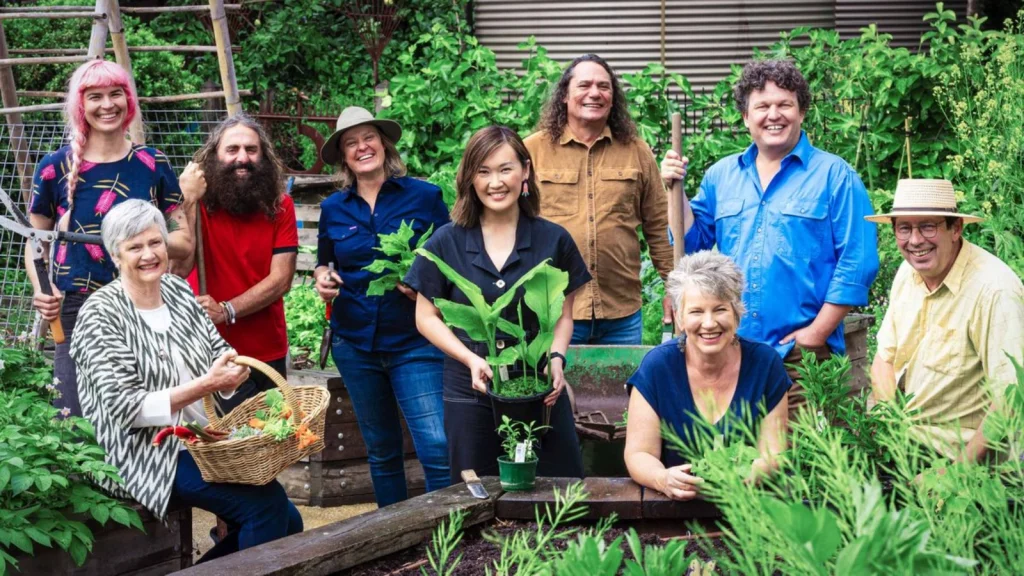
The latest installment, Gardening Australia 2025 Episode 17, offers a captivating journey across the continent, exploring the diverse ways Australians connect with the land through horticulture. This episode reveals how ancient traditions and modern innovations are shaping the future of gardening. It underscores a growing awareness of sustainability, as gardeners adapt their practices to unique and often challenging environmental conditions. The program delves into specialized techniques, from the meticulous art of bonsai to the practical science of growing food with minimal water.
As we explore the stories presented in Gardening Australia 2025 Episode 17, we uncover a tapestry of passion, patience, and ingenuity. The subjects range from pruning heritage fruit trees to creating experimental native gardens, providing a rich source of inspiration for both novice and experienced gardeners. This exploration provides a foundational understanding of the core principles that guide dedicated plant lovers across the country. We see how a deep respect for the natural world, combined with a desire to innovate, leads to stunning and productive landscapes.
At the heart of successful fruit production lies the essential practice of winter pruning, a key topic explored in the program. For pome fruits like apples and pears, this annual haircut is not merely cosmetic; it is crucial for maintaining the tree’s health, structure, and productivity. As expert gardener Hannah demonstrates, the process begins with a careful inspection for the “three Ds”: dead, diseased, or damaged wood. Removing these compromised sections is the first step in preventing the spread of potential problems and ensuring the tree directs its energy toward healthy growth. This foundational cleanup sets the stage for more strategic cuts that will shape the tree for years to come.
The primary goal for many gardeners is to establish an open vase shape. This structure, with a hollow center and branches radiating outwards, maximizes airflow and sunlight penetration. Improved airflow is a critical factor in disease prevention, as it helps keep the foliage dry and less hospitable to fungal pathogens. Likewise, better light exposure ensures that fruit ripens evenly and develops good color. To achieve this shape, gardeners must make selective cuts, removing any branches that grow inward toward the center of the tree. The documentary highlights cutting just above an outward-facing bud, a simple yet effective technique that encourages new growth to extend away from the tree’s core, reinforcing the open structure.
Understanding the unique growth habits of different fruit varieties is also paramount. Apples and pears, for instance, primarily produce fruit on spurs—short, stubby branches that form on older wood. These fruiting spurs are precious, and care must be taken to preserve them during pruning. The episode contrasts this with quinces, which bear fruit on the tips of the current season’s growth. This distinction dictates a different pruning approach, where preserving new wood is the priority. For espaliered trees, a flat, two-dimensional training method, the focus shifts to managing these spurs within a confined space, ensuring they are not overcrowded to allow each fruit to reach its full potential.
Gardening Australia 2025 Episode 17
The Living Art of Bonsai
The ancient and intricate practice of bonsai represents a profound connection between human creativity and the natural world, a form of living art that embodies patience and dedication. As explored in Gardening Australia 2025 Episode 17, bonsai is more than just growing a tree in a pot; it is the art of creating a miniature, idealized representation of nature. Originating in China over two thousand years ago and later refined in Japan, this heritage art form has captivated enthusiasts worldwide.
Megumi Bennett, a master practitioner with fifty years of experience, explains that the term “bonsai” translates to “cultivation in a pot.” It involves a deep understanding of horticulture and aesthetics to shape and nurture a tree over many years, sometimes for centuries.
The practice is governed by a set of traditional styles that guide the artist’s vision. The five main styles are formal upright, informal upright, slanting, cascade, and semi-cascade, each with distinct characteristics that mimic how trees grow in nature under various conditions. A formal upright style, for example, features a straight, tapering trunk, while a slanting style suggests a tree leaning as if battered by wind. The creation and maintenance of these forms require a specialized set of tools, including concave branch cutters for clean wounds, wire cutters for shaping branches, and rakes for root pruning during repotting.
According to Megumi, one of her oldest specimens, an Atlas cedar, is approximately 130 years old, its gnarled bark a testament to the passage of time. Paradoxically, while bonsai makes a tree appear old, the constant care, including root pruning, stimulates new growth and can actually extend its lifespan far beyond that of its counterparts in the wild.
The episode provides a practical demonstration of creating a bonsai forest setting using trident maples, a species well-suited for this purpose due to its vigorous root system that tolerates heavy pruning. The process involves carefully selecting and positioning several trees in a shallow pot to create a sense of depth and perspective. The tallest tree serves as the focal point, with smaller trees arranged around it to create a natural, flowing composition.
Alex Bennett, Megumi’s son and apprentice, shows how each tree’s roots are trimmed and the branches pruned to balance the overall design. The placement aims to introduce tension and movement, avoiding symmetrical or static arrangements. Finally, moss is added to the soil surface, which not only enhances the aesthetic but also helps insulate the soil and retain moisture, completing the miniature landscape.
Creating a Thriving Dryland Garden in the Subtropics
One of the most compelling stories in Gardening Australia 2025 Episode 17 is the experimental garden of Katrina and David, two medical specialists who transformed a weed-infested Brisbane block into a haven for Australian native plants, particularly those from Western Australia. Their journey showcases a remarkable fusion of ambitious landscaping and ecological sensitivity. Facing a steep, challenging site that backed onto a national park, their primary vision was to create a water-wise garden that could thrive in their subtropical climate. This involved extensive earthworks to create terraces and building the garden on large mounds of reconstituted soil to ensure the excellent drainage that many Western Australian species require to survive in a wet, humid environment.
Their garden is a masterclass in thematic planting and creating microclimates. The design includes two distinct green roofs, each with a different theme. One, facing north-east, is an exposed, coastal-themed landscape featuring hardy plants like banksias, westringias, and various ground covers such as pigface and Myoporum. The other, on the cooler, shadier south-western side, is a miniature dry rainforest, offering a lush, green view from the bedroom. This thoughtful approach to landscaping demonstrates how different plant communities can be cultivated within a single property by carefully considering aspect, light, and plant selection. The use of rusted iron edging and gravel paths further enhances the Western Australian aesthetic, evoking the colors and textures of the Pilbara.
The success of their garden hinges on several key strategies. Mounding the soil is critical for preventing root rot, a common issue when growing arid-climate plants in a region with high summer rainfall. Furthermore, they have embraced grafting as an essential technique. By grafting desirable but sensitive Western Australian plants onto rootstock from hardier, eastern species, they give the plants a much better chance of tolerating the local soil and climate conditions. This blend of horticultural science and hands-on effort has allowed them to successfully cultivate iconic plants like kangaroo paws, prostrate banksias, and the unique one-sided bottlebrush far from their natural range. Their garden stands as a powerful example of sustainability and innovation in urban gardening.
Water-Wise Innovations for Arid Conditions
As changing weather patterns bring lower rainfall to many regions, finding ways to grow food with less water has become a critical challenge for many gardeners. The documentary sheds light on this issue by profiling David de Vries, an educator who travels to remote and regional communities, teaching low-water gardening methods. His primary tool is the wicking bed, a self-contained growing system that dramatically reduces water consumption.
A wicking bed is essentially a planter with a water reservoir at the bottom. The water is drawn upwards into the soil through capillary action, or “wicking,” delivering moisture directly to the plant roots where it is needed most. This system minimizes water loss from evaporation and ensures a continuous, reliable water supply for the plants.
The construction of a wicking bed can be adapted to use a wide variety of recycled materials, making it an accessible and sustainable option for any gardener. The basic components include a waterproof container, an overflow outlet to prevent waterlogging, a reservoir space often filled with a lightweight material like perlite, and a permeable geotextile fabric to separate the soil from the water reservoir. In the workshop featured, David demonstrates how to convert a simple 20-litre container into a functional wicking pot.
The same principles can be applied to larger containers like blue barrels or custom-built garden beds. This adaptability makes it a versatile solution for growing vegetables and flowers in areas with alkaline soils or scarce water resources.
The benefits of wicking beds extend beyond water conservation. Because they are a contained system, nutrients are also kept within the bed rather than leaching out into the surrounding environment. This creates a more fertile growing medium and reduces the need for frequent fertilization. For gardeners in inland Australia, where soils are often highly alkaline, wicking beds provide an opportunity to create a perfect growing environment with controlled pH levels.
The story of Bec and Simon Bell, sheep farmers experiencing one of the driest years on record, illustrates the profound impact of these techniques. By learning to create and manage wicking beds, they have been able to produce fresh food despite their limited water supply, demonstrating a powerful and practical approach to food sustainability.
Cultivating Tomorrow: Where Ancient Wisdom Meets Modern Innovation
The stories woven throughout this gardening odyssey reveal a profound truth: the most resilient gardens emerge when we honor the past while embracing the future. Whether it’s the methodical precision of winter pruning, the meditative art of bonsai, or the bold experimentation with native plantings in unexpected climates, each approach teaches us that successful gardening isn’t just about what we grow—it’s about how we adapt, learn, and connect with the living world around us.
What strikes me most deeply about these diverse practices is their shared foundation of patience and observation. The fruit tree pruner who carefully studies each branch before making a cut, the bonsai master who tends the same specimen for decades, and the native plant enthusiasts who create microclimates through thoughtful design—all understand that gardening is a conversation with nature, not a conquest of it. They’ve learned to read the subtle language of plants, soil, and seasons, responding with techniques that work with natural processes rather than against them.
The water-wise innovations showcased here offer particular hope for gardeners facing an uncertain climate future. The elegant simplicity of wicking beds—drawing water upward through capillary action—mirrors nature’s own solutions while addressing very modern challenges. It’s a perfect example of how indigenous wisdom and contemporary engineering can combine to create something greater than either could achieve alone. For gardeners watching their rainfall diminish or their water bills climb, these techniques aren’t just interesting—they’re essential.
Perhaps most inspiring is how these gardeners have transformed limitations into opportunities. The steep Brisbane block becomes a showcase for Western Australian flora. The arid conditions that challenge traditional vegetable growing become the catalyst for innovative water-harvesting systems. The confined space of a bonsai pot becomes a canvas for creating forests in miniature. Each constraint sparked creativity, proving that the most beautiful gardens often emerge from the most challenging circumstances.
As you walk through your own garden in the coming weeks, carry these lessons with you. Notice which plants thrive with minimal intervention and which struggle despite your best efforts—they’re teaching you about your local conditions. Consider how you might create microclimates to expand your planting possibilities. Look for opportunities to conserve water while improving growing conditions. Most importantly, remember that every pruning cut, every plant placement, and every watering decision is a chance to deepen your connection with the natural world.
The gardeners featured here didn’t achieve their success overnight. Their thriving landscapes represent years of observation, experimentation, and gentle persistence. But they’ve shown us the path forward: gardens that are both beautiful and sustainable, productive and environmentally conscious, rooted in tradition yet adapted for tomorrow’s challenges.
Your garden—whatever its size or current state—holds the same potential. Start small, observe closely, and let nature be your teacher. The future of gardening isn’t just about new technologies or exotic plants; it’s about gardeners who understand that working with nature’s wisdom creates abundance that can flourish for generations to come.
FAQ Gardening Australia 2025 Episode 17
Q: What is winter pruning and why is it essential for fruit trees?
A: Winter pruning is an annual practice that involves cutting back fruit trees during their dormant season. Furthermore, this process maintains tree health, improves structure, and enhances productivity by directing energy toward healthy growth. Additionally, proper pruning prevents disease spread and ensures optimal fruit development in the following season.
Q: What are the ‘three Ds’ every gardener should remove during pruning?
A: The ‘three Ds’ refer to dead, diseased, or damaged wood that must be removed first during any pruning session. Moreover, eliminating these compromised sections prevents potential problems from spreading throughout the tree. Consequently, this foundational cleanup allows the tree to focus its energy on producing healthy new growth and abundant fruit.
Q: What is the ideal shape for pruning fruit trees and why?
A: The open vase shape, featuring a hollow center with branches radiating outward, is considered ideal for most fruit trees. Additionally, this structure maximizes airflow and sunlight penetration, which prevents fungal diseases and ensures even fruit ripening. Furthermore, improved light exposure helps fruit develop better color and flavor throughout the canopy.
Q: What is bonsai and how long does it typically take to master this art?
A: Bonsai, meaning ‘cultivation in a pot,’ is the ancient art of creating miniature, idealized representations of nature through careful tree cultivation. However, mastering this practice requires decades of dedication, as demonstrated by experts with fifty years of experience. Nevertheless, beginners can start creating beautiful specimens while gradually developing the patience and skills necessary for advanced techniques.
Q: How can you successfully create a water-wise garden in subtropical climates?
A: Creating water-wise subtropical gardens requires strategic soil mounding for drainage, careful plant selection, and microclimate creation. Additionally, grafting techniques help sensitive plants adapt to local conditions by using hardier rootstock. Furthermore, incorporating native species from similar climates, combined with proper drainage systems, ensures plants thrive despite high humidity and irregular rainfall patterns.
Q: What are wicking beds and how do they dramatically reduce water consumption?
A: Wicking beds are self-contained growing systems featuring water reservoirs at the bottom that deliver moisture directly to plant roots through capillary action. Moreover, this design minimizes evaporation losses while providing consistent hydration. Consequently, gardeners can reduce water usage by up to 50% compared to traditional watering methods, making them ideal for drought-prone areas.
Q: Is it possible to grow Western Australian plants in other Australian climates?
A: Yes, Western Australian plants can thrive in other climates through careful adaptation techniques and environmental modifications. Furthermore, creating excellent drainage through soil mounding prevents root rot in humid conditions. Additionally, grafting sensitive species onto hardier eastern rootstock significantly improves their survival rates and tolerance to different soil and climate conditions.
Q: What specialized tools are essential for successful bonsai cultivation?
A: Essential bonsai tools include concave branch cutters for clean wound healing, wire cutters for precise branch shaping, and specialized rakes for root pruning during repotting. Additionally, these tools enable practitioners to create and maintain the five traditional styles effectively. Moreover, quality tools ensure minimal damage to delicate specimens while allowing for intricate artistic expression and proper tree health maintenance.
Q: How do you prevent root rot when growing arid-climate plants in humid conditions?
A: Preventing root rot requires creating excellent drainage through soil mounding and using reconstituted soil mixtures that drain freely. Furthermore, selecting appropriate plant varieties and positioning them in well-ventilated areas reduces moisture retention. Additionally, avoiding overwatering and ensuring proper air circulation around plant bases significantly decreases the risk of fungal infections in sensitive species.
Q: What are the fundamental principles of sustainable gardening for the future?
A: Sustainable gardening combines ancient wisdom with modern innovation, emphasizing water conservation, native plant usage, and working with natural processes rather than against them. Moreover, successful practitioners focus on observation, patience, and adapting techniques to local conditions. Consequently, these approaches create resilient gardens that support both environmental health and long-term productivity while requiring fewer external inputs.


