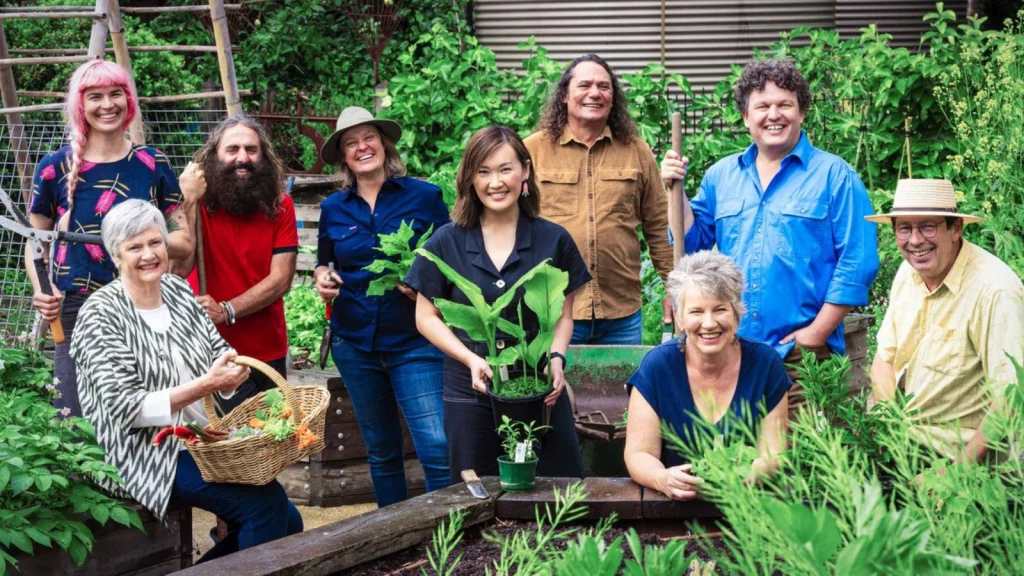
The Gardening Australia 2025 Episode 21 special presentation delves into the deep connections people form with plants, showcasing individuals whose lives are shaped by their passion for growing. It moves beyond simple cultivation, exploring gardens as living extensions of their creators’ personalities, histories, and dreams. This exploration reveals that a garden can be a personal playground, a scientific laboratory, or a living museum. For these dedicated growers, the act of gardening becomes a language through which they express creativity, preserve history, and connect more deeply with the natural world.
The stories shared highlight a universal truth for many gardeners. A patch of earth is never just soil and vegetation. Instead, it is a canvas for artistic expression and a source of profound personal fulfillment. The episode demonstrates how focusing on a specific plant family or a particular design philosophy can transform a hobby into a lifelong pursuit. This specialized knowledge, once acquired, is rarely kept secret. A common thread among these passionate people is an overwhelming desire to share their experience, encouraging others to find their own green-fingered obsession. This spirit of sharing enriches the broader gardening community.
In Gardening Australia 2025 Episode 21, the scope of these passions is vast and varied. Viewers journey from a designer’s evolving landscape on the Central Coast of New South Wales to a succulent wonderland in Melbourne. The program also visits a modern homestead in Tasmania run by former scientists, a railway station in Far North Queensland famed for its tropical displays, and the backyards of collectors devoted to irises, jungle cacti, and bromeliads. Each segment unearths the unique motivations and methods that drive these remarkable plantspeople, offering valuable insights for any enthusiast.
At its core, the program explores the garden as a dynamic entity, a chronicle of a person’s life. Nurseryman and garden designer Michael Cooke describes his own garden as his life’s story told over 30 years. He compares it to looking through an old photograph album, where each section represents a different phase or memory. This perspective shifts the idea of a garden from a static creation to a fluid, ever-changing space that grows and matures alongside its caretaker. This approach to gardening champions patience and observation over rigid plans.
Michael’s garden began with nothing and has since matured into a sprawling landscape he could never have afforded to buy outright. This illustrates a powerful lesson in horticulture: time and dedication are the most valuable assets a gardener can possess. The process itself yields the ultimate reward. He emphasizes that gardens teach patience above all else. Trees fall, life presents challenges, but the garden remains a consistent, grounding presence that operates at its own unhurried pace.
This philosophy of allowing a garden to evolve naturally is a cornerstone of thoughtful landscape design. It involves a delicate dance between intervention and surrender. Gardeners must decide when to impose structure and when to let nature take the lead. This balance prevents a garden from feeling sterile or overwrought. Instead, it allows for moments of beautiful spontaneity, where plants find their own way and create surprising, delightful compositions that could never be meticulously planned.
Gardening Australia 2025 Episode 21
Crafting a Personal Oasis: Design and Evolution
Michael Cooke’s garden at Mangrove Mountain is a masterclass in creating a space that feels comfortable and natural rather than simply impressive. His style prioritizes the feeling a garden evokes. For three decades, this land has been his personal playground for experimenting with plants. The result is a unique fusion of structure and wildness, blending native Australian plants with exotics to achieve a balanced and harmonious aesthetic.
One of the most touching examples of the garden’s evolution is the dam. Michael dug the dam himself, starting with a bare shell. He planted a small cluster of bog iris, and his young son would walk with him, grabbing the seeds and tossing them into the water. These seeds floated to the edges and filled in the banks, naturally preventing erosion and concealing the bare earth. This story perfectly captures how a garden becomes intertwined with family history, holding memories within its very soil and structure.
His planting strategy extends throughout the property. He has personally planted nearly every tree, except for the existing scribbly gums. Casuarinas were planted from small tubes, and a bunya pine went in when it was only waist-high. This demonstrates the long-term vision required in gardening. He notes that while you never imagine things will grow in your lifetime, trees most certainly do, transforming the landscape in profound ways. His work proves that a patient gardener can sculpt an entire environment from the ground up.
At the entrance, massive gymea lilies provide a strong vertical element that draws the eye and anchors the design. These local flowers hold the space together. Yet, just nearby, he allows Davidson’s plums to jump out and seek the sun, believing the secret to a great garden is letting some things be themselves. This contrast between formal structure and untamed nature is central to his design. Similarly, he clips his old Buxus hedges into cloud-like shapes but cuts windows into them to reveal the gnarled, aged trunks, celebrating the plants’ 25-year history rather than hiding it.
The Allure of Specialization: Gardening Australia 2025 Episode 21
For many enthusiasts, the vast world of plants inspires a focused passion for a particular group, leading to extraordinary specialized collections. The Gardening Australia 2025 Episode 21 special introduces several such collectors, whose dedication provides a deep dive into the unique needs and charms of their chosen plants. Former guest presenter David Fripp, for instance, champions Rhipsalis, a group often called jungle cactus. These plants defy the typical cactus image, originating from jungle environments where they grow high in trees. They are adapted to monsoonal climates with periods of heavy rain followed by dry spells.
David classifies Rhipsalis into three main types: the long, thin “spaghetti” type, the “big flat cladode” type, and the “hairy” type. He explains that for propagation, a standard potting mix works well for cuttings, as the fine material makes insertion easier. Once the cuttings are established, he moves them to a coarser orchid mix for better drainage, mimicking their natural environment. A key piece of advice is to leave new cuttings dry for several weeks to a month before watering to encourage root growth and prevent rot.
In another corner of the plant kingdom, Attila and Michele have turned their property into a “succulent wonderland” featuring approximately 10,000 plants. Their garden began not with a formal plan but with a single idea: a “river of succulents” made of blue Senecio to create the illusion of water flowing down their sloping block. To manage drainage on the clay-heavy site, they built terraces.
The garden now includes a “desert plain” and features a magnificent Queensland bottle tree, a type of xerophyte that stores water in its trunk. Their approach to propagating aeoniums is brutally efficient. They simply snap off the heads, throw them onto the ground, and let them re-root on their own, demonstrating how tough these plants can be.
Meanwhile, Shirley and Terry Nisbet are afflicted with the “iris virus.” Their backyard is a testament to this love, containing around 200 named varieties of tall bearded iris. They note that the key to getting these irises to flower is providing full sun. To maintain vigor, the rhizomes must be divided every two to five years.
Terry demonstrates the process, explaining that the original rhizome, having already flowered, will not bloom again. He breaks off the new “increase” by hand, trims the leaves into a fan shape, and replants the pieces with the rhizome facing north to get optimal sun. For 37 years, they have also been trying to breed a true green iris, a quest started by Shirley’s grandfather.
From Science to Soil: A Modern Homesteading Journey
A fascinating story of career transformation is that of Briony Patterson and Stan Robert, two geneticists who traded their microscopes for farming tools. Their journey into farming was not a meticulously planned move but an organic evolution. They fell in love with the country life and realized their scientific careers were incompatible with that dream, so they decided to become farmers. Their 3-hectare farm in Tasmania is a model of modern homesteading, featuring a straw bale house they built themselves, integrated fruit orchards, free-range poultry, and a half-hectare market garden.
Their scientific background informs their approach, but their passion is rooted in the land. They grow what they love to eat, with Stan, a former chef, showing a particular fondness for old Italian varieties of onions, which he says have a flavor that cannot be replicated by store-bought produce. The farm is a self-sufficient system. Chickens roam the orchards, providing fertilizer for the fruit trees, which include a well-traveled Tasman Pride apple and plums that Briony preserves for year-round breakfasts.
Efficiency is critical on a small-scale farm, and they utilize clever tools to manage their workload. One key piece of equipment is a Japanese paper pot transplanter. This entirely hand-powered system allows them to plant 264 seedlings in just a couple of minutes, a task that would otherwise take an hour by hand. This time-saving device is crucial for their business, which primarily supplies local restaurants and a small number of community vegetable boxes.
Briony and Stan are candid about the relentless hard work involved. However, they find deep satisfaction in their labor, preferring it to sitting on a couch. They believe the shared work and challenges have made their relationship stronger, cementing their bond as best friends. Their story is a powerful example of how a complete life change, driven by a desire to connect with the land, can lead to a more fulfilling existence.
Curating Nature: Themed Gardens and Local Inspiration in Gardening Australia 2025 Episode 21
Themed gardens and those drawing from local ecology offer powerful design inspiration, as shown in the Gardening Australia 2025 Episode 21 special. The Kuranda railway station in Far North Queensland boasts one of the most photographed platform gardens in the world. Nestled within the Wet Tropics World Heritage rainforest, the 130-year-old station is a living museum of tropical plants. The collection is so iconic that during the pandemic shutdown, the station staff, led by stationmaster Glenn Currie, took on the gardening duties themselves to ensure the displays remained pristine.
A highlight of the Kuranda garden is a magnificent king fern that is a foundation planting, meaning it is as old as the railway line itself. This ancient species, which predates the dinosaurs, thrives in the tropical climate. The garden’s design is a lush tapestry of charismatic color and form, with tiered pots, hanging baskets, torch gingers, heliconias, and cordylines creating a picture-perfect jungle scene. A practical tip shared for rejuvenating tired maidenhair ferns involves giving them a drastic haircut and applying a teaspoon of dolomite, which encourages a vigorous flush of new, healthy growth.
Further south, plantswoman Marilyn Sprague demonstrates the value of looking to one’s local environment for garden inspiration. Her property is surrounded by a box-ironbark forest, and she has incorporated many of its indigenous plants into her own garden. She believes this approach is “bound for success” because the plants are already adapted to the local soil and climate. Furthermore, she sees it as a vital act of conservation, preserving local flora as natural habitats disappear.
Marilyn’s garden features the golden wattle as a light, dappled canopy, a delicate local form of Micromyrtus, and the Bendigo wax. Her work exemplifies deep ecological understanding. She notes that learning where a plant comes from is the key to unlocking the secrets of what it needs to thrive. For example, she mounds her garden beds to improve drainage, mimicking the dry hills where many local species naturally grow. Her most remarkable project involves an orange form of clustered everlasting, a one-off she discovered and has been selectively breeding for over 15 years, showing incredible patience and dedication to preserving a unique local treasure.
Finally, in Perth, Vik Przetocki showcases an obsession with a single plant family: bromeliads. His collection numbers between 2,000 and 3,000 plants, filling every available nook and cranny of his suburban garden. This lack of space has forced him to garden vertically, using hangers and even attaching plants to the trunks of his palms.
Vik is not just a collector but also a prolific hybridizer, constantly trying to create his own unique plants by cross-pollinating different varieties to achieve new colors and forms. He has officially registered around 300 of his own creations with the Bromeliad Society International, each with a name inspired by anything from street signs to a plant’s spiky appearance, which led to the name ‘Lethal Weapon’.
Your Garden’s Next Chapter Awaits
The stories woven throughout Gardening Australia’s exploration reveal a profound truth that transcends mere horticulture: our gardens are autobiography written in chlorophyll and soil. Whether it’s Michael Cooke’s three-decade chronicle of growth, Vik Przetocki’s bromeliad empire, or Briony and Stan’s complete life transformation, each garden becomes a living testament to the power of passionate cultivation.
What strikes most deeply about these remarkable gardeners isn’t just their expertise—it’s their willingness to surrender to the garden’s timeline. In our instant-gratification world, these plant devotees have discovered that the most rewarding journeys unfold slowly, season by season, year by patient year. The dam that Michael dug by hand, watching his young son scatter iris seeds that would eventually heal the banks, embodies this beautiful partnership between human intention and nature’s wisdom. It’s a reminder that our most meaningful garden achievements often happen not despite time’s passage, but because of it.
The specialization we’ve witnessed—from jungle cacti to heritage irises to indigenous Australian flora—offers another crucial insight. There’s profound joy in going deep rather than wide, in becoming fluent in the particular language of your chosen plants. These collectors haven’t just amassed impressive numbers; they’ve developed an almost telepathic understanding of their plants’ needs, creating thriving communities within their gardens that speak to years of careful observation and adjustment.
Perhaps most inspiring is how these gardens have become conduits for connection. The railway station garden that survived a pandemic through community care, Marilyn’s conservation efforts with local species, and the infectious enthusiasm that drives each gardener to share their knowledge—all demonstrate that passionate gardening ripples outward, enriching not just individual spaces but entire communities.
For those feeling stirred by these stories, the path forward isn’t complicated. Start where you are, with what calls to you. Whether it’s a single succulent on a windowsill or a corner of yard begging for transformation, begin listening to what wants to grow in your specific place and time. Consider what story you want your garden to tell—will it be a chronicle of patient tree-planting like Michael’s, a specialized collection that becomes your signature passion, or perhaps a celebration of your local ecology like Marilyn’s?
The most beautiful lesson from these garden storytellers is that there’s no wrong way to fall in love with plants. Your garden doesn’t need to be vast or exotic to be meaningful. It simply needs to be yours, shaped by your curiosity, tended with your particular brand of care, and given the gift of time to reveal its full potential. In a world that often feels chaotic and disconnected, these gardens offer a different way of being—rooted, patient, and endlessly hopeful about what tomorrow might bring to bloom.
FAQ Gardening Australia 2025 Episode 21
Q: What makes a garden truly personal and meaningful?
A: A meaningful garden serves as a living autobiography, reflecting the gardener’s personality, history, and dreams. Rather than simply cultivating plants, passionate gardeners create spaces that function as personal playgrounds, scientific laboratories, or living museums. The garden becomes a canvas for artistic expression where memories are embedded within the soil and structure itself.
Q: How does a garden evolve and change over time?
A: Gardens function as dynamic entities that chronicle a person’s life journey. Michael Cooke describes his 30-year garden as resembling an old photograph album, where each section represents different phases and memories. This perspective transforms gardens from static creations into fluid spaces that grow and mature alongside their caretakers, emphasizing patience over rigid planning.
Q: Why do many gardeners focus on specialized plant collections?
A: Specialization allows gardeners to develop deep expertise and profound connections with specific plant families. Furthermore, focused collections transform hobbies into lifelong pursuits, enabling gardeners to understand the unique needs and characteristics of their chosen plants. This specialized knowledge creates opportunities for meaningful sharing within gardening communities and fosters genuine botanical expertise.
Q: How should jungle cacti like Rhipsalis be propagated and cared for?
A: Rhipsalis cuttings thrive in standard potting mix initially, as fine material facilitates easier insertion. Once established, transfer them to coarser orchid mix for improved drainage, mimicking their natural tree-dwelling environment. Additionally, leave new cuttings dry for several weeks to one month before watering, which encourages healthy root development and prevents rot.
Q: What design philosophy creates comfortable, natural-feeling gardens?
A: Successful garden design balances structure with wildness, prioritizing the emotional feeling a space evokes over mere visual impact. The secret involves knowing when to impose order and when to allow nature’s spontaneity. This approach creates moments of beautiful unpredictability where plants find their own way, generating surprising compositions that rigid planning cannot achieve.
Q: How can beginners start building a specialized plant collection?
A: Start with a single compelling idea or plant family that captivates your interest. Attila and Michele began their 10,000-plant succulent collection with one concept: creating a ‘river of succulents’ flowing down their slope. Consequently, passion and curiosity matter more than initial expertise, as specialized knowledge develops naturally through hands-on experience and dedicated observation.
Q: What advantages come from using local native plants in garden design?
A: Local plants are ‘bound for success’ because they’re already adapted to regional soil and climate conditions. Moreover, incorporating indigenous species serves as vital conservation, preserving local flora as natural habitats disappear. Understanding a plant’s origin unlocks the secrets of its needs, enabling gardeners to create appropriate growing conditions that ensure long-term success.
Q: How should gardeners approach long-term planning and tree planting?
A: Long-term garden planning requires vision and patience, as trees planted small eventually transform entire landscapes. Michael Cooke planted casuarinas from tubes and a waist-high bunya pine, proving that patient gardeners can sculpt complete environments from the ground up. Additionally, time and dedication represent the most valuable assets any gardener possesses.
Q: How can gardeners effectively combine formal structure with natural growth?
A: Successful integration involves strategic placement of structural elements alongside areas of natural freedom. For example, Michael clips boxwood hedges into cloud shapes but cuts windows to reveal aged trunks, celebrating the plants’ 25-year history. This contrast between formal anchoring and untamed growth prevents gardens from feeling sterile while maintaining visual coherence.
Q: How does gardening serve as a chronicle of personal life experiences?
A: Gardens become repositories of family history and personal milestones, with specific areas holding deep emotional significance. Michael’s dam story exemplifies this: he planted bog iris while his young son scattered seeds that eventually prevented erosion and concealed bare earth. These embedded memories transform garden spaces into living testimonies of life’s journey and relationships.


