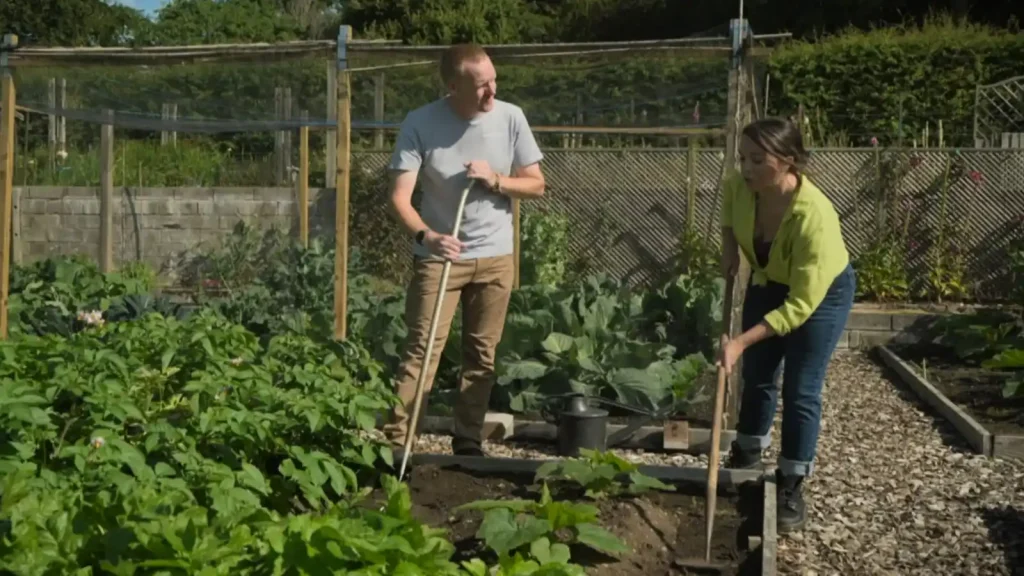
Welcome back to the heart of Scottish horticulture. We are thrilled to present The Beechgrove Garden 2025 episode 16. This week, we dive deep into the vibrant world of gardening. We celebrate the simple joys of a summer garden. Moreover, we offer expert advice for your own green space. The air is warm, the soil is rich, and our passion for plants is in full bloom. Join us for an episode packed with inspiration. We will cover everything from delicious harvests to dazzling flowers. It’s a perfect guide for both seasoned gardeners and curious newcomers.
There is a unique magic in tasting food you have grown. It is a reward for patience and care. In this episode, Ruth fully embraces this feeling. She visits the strawberry patch at Beechgrove Garden. You may remember Carole starting these plants last year. Now, they are heavy with ripe, ruby-red fruit. Ruth shows us the simple pleasure of picking a sun-warmed strawberry. It is a moment that defines the joy of a homegarden. Subsequently, she discusses how to care for the plants post-harvest. This ensures a bountiful crop for next year too.
Next, Brian tackles a common garden puzzle: the mighty wisteria. This beautiful climber can produce a breathtaking cascade of flowers. However, it can also become a tangled mess without proper care. Brian demonstrates the best way to prune wisteria. He makes the process seem easy and approachable. With his guidance, you will learn exactly where to cut. This encourages the plant to focus its energy on creating stunning blossoms. His segment turns a daunting task into a manageable one. As a result, your own garden can feature these magnificent plants. This is expert garden advice at its finest.
Of course, a healthy garden is not without its challenges. Unwanted bugs and pests are a reality for all gardeners. This year has brought its own share of tiny invaders. Therefore, we take a close look at the current pest situation. We inspect plants for signs of damage. We identify the common culprits troubling our green friends. Importantly, we explore gentle and effective solutions. The goal is to manage these pests without harming the garden’s ecosystem. This practical advice helps you protect your precious plants. We aim for a balanced and thriving greengarden for everyone.
Afterward, Ruth returns with a fascinating topic: microgreens. These tiny plants are nutritional powerhouses. They are packed with vitamins and intense flavour. Ruth explores the amazing health benefits of growing your own. Surprisingly, you don’t need a large garden to enjoy them. She shows how easy it is to cultivate microgreens on a windowsill. This makes gardening accessible to everyone, even in a small apartment. It’s a wonderful way to add fresh, healthy elements to your meals. This segment truly highlights modern, innovative gardening techniques that can fit any lifestyle.
The Beechgrove Garden 2025 episode 16
Then, we take you on a truly special trip. George reports from a fascinating Royal Garden. This is a garden on a grand and historic scale. He walks us through immaculate lawns and stunning flowerbeds. He reveals the incredible design and planning involved. The array of plants and flowers is simply spectacular. This visit offers a wealth of inspiration for your own homegarden. It showcases the artistry and dedication behind a world-class garden. Seeing such beauty can spark new ideas for your own space. It reminds us of the endless possibilities within the world of gardening.
Finally, we find ourselves in Granton, a vibrant area of Edinburgh. Here, we visit a thriving community plot. This is a garden with a different kind of purpose. It is a space where people come together. They share the work, the knowledge, and the harvest. We see firsthand how gardening builds connections between neighbours. The sense of community is powerful and uplifting. This plot shows that a garden can be more than just plants. It can be a place of friendship, learning, and shared accomplishment. It’s a heartwarming example of how gardeners can grow a community.
This episode of The Beechgrove Garden 2025 episode 16 is a celebration. It celebrates the fruits of our labour. It also honors the expertise of dedicated gardeners. Furthermore, it acknowledges the challenges we all face. From the personal joy of a homegarden to the shared spirit of a community plot, we cover it all. We hope you feel inspired to get your hands dirty. Go out and nurture your own patch of green. Because in every garden, there is a world of beauty waiting to grow.
In The Beechgrove Garden 2025 episode 16, the focus shifts to the essential, and sometimes demanding, tasks of summer gardening. This period represents a peak of activity, where the garden is burgeoning with life, color, and the promise of harvests. However, with this vigorous growth comes the equal challenge of maintenance. Gardeners must stay vigilant, as the same conditions that encourage lush foliage and vibrant blooms also create a perfect environment for weeds, pests, and diseases to thrive. Therefore, understanding how to manage this seasonal surge is crucial for a successful and enjoyable outdoor space.
The episode skillfully navigates the dual realities of summer gardening. It celebrates the immense rewards of cultivating one’s own food while also providing practical strategies for tackling the inevitable problems that arise. The management of bugs and pests, for instance, is presented not as a losing battle but as a series of observant and timely interventions. This approach empowers gardeners to protect their plants effectively. By arming viewers with knowledge, the program transforms potential garden frustrations into manageable, educational tasks, ensuring the beauty and productivity of the garden are preserved throughout the season.
Viewers are guided through a comprehensive array of topics in The Beechgrove Garden 2025 episode 16. The journey begins with fundamental chores like weeding and pruning overgrown borders. It then delves into more specific horticultural practices, such as the precise method for summer pruning wisteria to guarantee a spectacular floral display the following year. Furthermore, the program explores innovative ways to cultivate food, even without a traditional garden, through the cultivation of growing microgreens. These practical segments are beautifully balanced with inspiring visits to gardens rich in history and community spirit.
At its core, gardening is a partnership with nature, a theme that resonates throughout the episode. Viewers learn about the life cycles of common garden pests, understanding their behavior not just to eradicate them but to manage them intelligently. For example, the segment on the leaf curl aphid explains why damage appears early in the season and how to preemptively handle the next generation. This focus on life cycles and preventative care highlights a sustainable approach. It encourages a deeper understanding of the garden ecosystem, promoting methods that work with natural processes to achieve a healthy and thriving environment for home-grown produce.
The episode also champions the idea that inspiration can be found in all types of green spaces. It contrasts the structured heritage of a royal garden with the organic, collaborative spirit of a local community plot. The historic Holyrood Palace’s Physic Garden offers a fascinating glimpse into the medicinal origins of botany. Conversely, the Granton Community Garden showcases the powerful social and cultural impact of shared cultivation. These features demonstrate that a garden’s value extends far beyond its physical boundaries, serving as a source of history, community, and well-being.
Ultimately, the program provides a masterclass in proactive summer gardening. The initial, and perhaps most relentless, task addressed is weed control. Experts recommend a simple yet effective strategy based on weather conditions. On the first dry day of the week, a hoe is the perfect tool. By lightly running it just beneath the soil’s surface, gardeners can sever the roots of annual weeds. The sun and wind then desiccate the exposed roots, efficiently dispatching the unwanted plants. However, if the weather is wet, pulling weeds by hand is the better option to prevent them from re-rooting in the damp soil.
Mastering Summer Pruning and Border Control
As summer progresses, many gardens face the challenge of overgrown borders where vigorous plants compete for space, light, and attention. The Beechgrove Garden 2025 episode 16 demonstrates a methodical approach to reclaiming order and showcasing specimen plants. One border, designed with exotic-looking but hardy foliage, had become a tangled mass.
The first step involved identifying and pruning a suckering aralia shrub that was overwhelming its neighbor, an Aesculus neglecta ‘Autumn Fire’. By carefully cutting the aralia stems back to the ground one by one, the distinctive form of the horse chestnut tree was revealed, transforming it back into the standout feature it was intended to be. This selective removal also uncovered a hidden Chusan palm and a lilium, allowing crucial light to reach them.
A key highlight of the episode is the detailed guidance on the summer pruning wisteria. The discovery of a wisteria hidden within the overgrown border provided the perfect opportunity to explain this vital task. A memorable method, credited to a former presenter, is the “two and seven” rule. In July, the seventh month, gardeners should tackle the fresh, green growth from the current year. Following each long tendril back to the main stem, one should count seven leaves out and make a cut.
This process is the first of two annual prunings. The second occurs in February, the second month, when those same stems are cut back further to just two buds. This two-step technique encourages the development of flowering spurs, leading to a profusion of blooms the following May.
The challenge of pruning evergreens without creating unsightly gaps was also addressed with a Fatsia japonica. This shrub was encroaching on a path, but its dense foliage grew from top to bottom, concealing its inner branches. The gardener faced a dilemma: pruning the offending branches risked revealing bare, brown stems. Deciding the job was necessary, a calculated risk was taken. The recommended technique involves making an initial undercut further down the branch to prevent the bark from tearing when the main cut is made. While this pruning might temporarily affect the plant’s appearance, the expert noted that a harder prune can be performed in May, the correct time for rejuvenating evergreens, to encourage new, dense growth from the base.
A Gardener’s Guide to Bugs and Pests
Effective management of bugs and pests is a cornerstone of successful summer gardening, and the episode provides a wealth of diagnostic and treatment advice. In the brassica cage, a close inspection of a cabbage leaf revealed a greyish-white aphid, identified as the cabbage mealybug. While small infestations are not overly concerning, they can cause significant damage if they get into the plant’s growing point. The recommended control is simple and mechanical: wiping the aphids off with a damp cloth. It is especially important to monitor kale and Brussels sprouts, as this aphid can affect their taste and lays its eggs on them to overwinter.
Another common issue demonstrated was on a plum tree, which showed distorted lower leaves but healthy new growth at the top. This damage was caused by the leaf curl aphid back in April and May. As this sap-sucking insect feeds, it secretes a chemical that causes the leaves to curl. By summer, the aphid has already moved on to herbaceous plants, which explains why the new growth is unaffected. However, the pest will return in autumn to lay eggs around the buds. To prevent a recurrence, an organic winter wash applied in the dormant season can effectively eliminate the overwintering eggs.
The episode also tackled one of the most dreaded rose afflictions: black spot. This fungal disease creates black or purplish spots on leaves, causing them to drop prematurely and severely weakening the plant. For minor infections, simply picking off and disposing of the affected leaves is sufficient. However, for a prolific infection, more drastic action is needed. The expert strongly advised against fungicides, emphasizing hygiene instead. All fallen leaves must be gathered and disposed of because the fungal spores can remain dormant in the soil.
Pruning tools should also be cleaned between plants to prevent spreading the disease. In severe cases, removing the entire plant is the only solution. Crucially, a new rose should not be planted in the same spot due to “rose sickness,” where residual pathogens in the soil will infect the new plant. Instead, gardeners should choose a different type of plant or seek out disease-resistant rose varieties.
Cultivating Flavor from Micro to Macro
The joy of harvesting home-grown produce is a powerful motivator for gardeners, and The Beechgrove Garden 2025 episode 16 explores methods for everyone, regardless of space. A fascinating segment was dedicated to growing microgreens, which are juvenile vegetable or flower seedlings harvested just after their first true leaves appear. This technique is ideal for those without a garden, as they can be grown indoors on a windowsill. The process is simple: sprinkle seeds on a substrate, such as perlite or even fleece fabric, and keep them watered. Because they are harvested so young, they do not require any additional feeding; the seed itself contains all the nutrients needed to reach the harvest stage in just 7 to 21 days.
Beyond their simplicity, microgreens pack a significant nutritional punch. Studies have shown they can contain up to 40 times more nutrients, like magnesium and vitamins A, C, E, and K, than their mature counterparts. They also offer a wide array of intense flavors. Radish microgreens provide a spicy kick perfect for salads. For a sweeter yet peppery taste, brassicas like broccoli and pak choi are recommended. Even sunflowers can be grown as microgreens, harvested at the cotyledon (first seed leaf) stage for a nutty flavor. This versatility makes microgreens a superb way to add nutrition and gourmet flair to any dish.
From the micro to the macro, the episode revisited a strawberry patch to demonstrate how strategic planting can yield a summer-long harvest. Four different varieties were chosen for their distinct cropping seasons. ‘Allegro’ is an early variety that fruits from late May to mid-June. Next is ‘Elsanta’, the classic June-bearing strawberry often found in supermarkets. For a later harvest, ‘Malwina’ is a new variety that requires long summer days to develop its fruit.
Finally, ‘Flamenco’ is an ever-bearing variety that produces smaller flushes of fruit every four to six weeks, continuing right into autumn. This succession planting ensures a continuous supply. Maintenance involves putting down straw to protect the fruit and managing runners. On young plants, runners should be removed to direct energy into the parent plant for the following year’s crop.
Exploring Heritage and Community in Scottish Gardens
The episode beautifully illustrates how gardens can serve as living archives of history and vibrant centers of community. A visit to the royal garden at the Palace of Holyroodhouse in Edinburgh offered a deep dive into Scotland’s botanical heritage. The modern Physic Garden on the site celebrates its fifth anniversary and is a tribute to the original garden started in 1670 by two physicians, Robert Sibbald and Andrew Balfour, and a practical gardener, James Sutherland.
This original plot was used to grow medicinal plants for teaching students at the University of Edinburgh and for supplying pharmacists. This small garden was so successful it quickly outgrew its space and was moved, eventually evolving into what is now the Royal Botanic Garden Edinburgh.
The historic garden catalogued between 800 and 900 plants in a tiny 40×40 foot space. The program highlighted several plants and their traditional medicinal uses. Valeriana officinalis, or valerian, was used to create tinctures from its root to induce sleep, a use that continues in some herbal remedies today. Another plant, lady’s bedstraw, was a common wildflower used as a “strewing herb.” It was spread on floors or placed in bedding to repel fleas and lice. The segment also featured southernwood (Artemisia abrotanum), an aromatic shrub. Its fragrant foliage was used in nosegays, small bouquets held to the nose to mask the unpleasant smells of city streets in centuries past.
In stark contrast to this garden of royal and academic heritage, the program also visited the Granton Community Plot. Started in 2010 on a disused patch of land in north Edinburgh, this garden is a testament to the power of grassroots action. It began when a group of neighbors decided to transform a derelict corner of rough grass and rubbish. Despite initial skepticism from the community, the project flourished. It has become a key neighborhood hub where people from diverse cultural backgrounds come together to grow food, share skills, and learn from one another.
The garden now grows a wide variety of crops, including heritage Scottish wheat and sukuma wiki, a vegetable popular in Kenya. The project fosters social connection, providing a space for community meals, exercise, and mutual support, proving that a garden’s greatest harvest is often the community it cultivates.
Growing More Than Plants: The Lasting Harvest of Community and Knowledge
The beauty of programs like The Beechgrove Garden lies not just in their practical wisdom, but in how they remind us that gardening is fundamentally about connection—to the earth, to our heritage, and to each other. Episode 16 masterfully weaves together the technical and the transcendent, showing us that whether you’re wielding pruning shears on an overgrown wisteria or carefully tending microgreens on a windowsill, you’re participating in an ancient conversation between human hands and living soil.
What strikes me most about this episode is how it demolishes the myth that gardening requires perfection or vast resources. The segment on microgreens alone should inspire anyone living in a cramped apartment to reconsider what’s possible. Here’s a practice that transforms a sunny windowsill into a productive garden, delivering nutrient-dense harvests in mere weeks. Similarly, the community plot in Granton proves that the most barren spaces—those dismissed as worthless—can bloom into vibrant centers of cultural exchange and mutual support. These aren’t just gardening tips; they’re invitations to reimagine our relationship with growth itself.
The episode’s approach to pest management also offers a profound lesson in patience and observation. Rather than declaring war on garden invaders, the experts advocate for understanding life cycles, timing interventions wisely, and working within natural systems. This philosophy extends far beyond the garden gate. In our rush-to-fix culture, there’s something deeply satisfying about learning to read the subtle signs of leaf curl aphid damage or recognizing when a simple winter wash will prevent next season’s problems. It’s gardening as mindfulness practice.
Perhaps most importantly, the contrast between the historic Physic Garden at Holyroodhouse and the grassroots Granton Community Plot illustrates gardening’s remarkable ability to honor both tradition and innovation. The medieval healing herbs growing alongside contemporary community vegetables remind us that every garden is simultaneously a repository of ancient wisdom and a laboratory for tomorrow’s solutions. Whether you’re growing valerian for its sleep-inducing properties or sukuma wiki to connect with Kenyan heritage, you’re part of an unbroken chain of cultivation that spans centuries and continents.
As summer reaches its peak intensity, this episode arrives with perfect timing. The message is clear: embrace both the abundance and the challenges. Get your hands dirty with that morning weeding session. Take the calculated risk of pruning that overgrown evergreen. Share your surplus strawberries with neighbors. Most importantly, remember that every seed planted—whether in a royal garden or a reclaimed vacant lot—carries within it the potential not just for food or flowers, but for community, healing, and hope.
The soil is waiting. The season is now. And as The Beechgrove Garden so beautifully demonstrates, the most important harvest may be the connections you cultivate along the way.
FAQ The Beechgrove Garden 2025 episode 16
Q: When is the best time to start essential summer garden maintenance tasks?
A: The timing depends on weather conditions. For weeding, choose the first dry day of the week to use a hoe effectively. The sun and wind will desiccate exposed weed roots after cutting. However, if conditions are wet, hand-pulling weeds prevents them from re-rooting in damp soil. This strategic approach maximizes efficiency while minimizing plant stress.
Q: What are the most critical summer garden maintenance tasks every gardener should prioritize?
A: Summer gardening focuses on three key areas: weed control, pest management, and strategic pruning. Regular weeding prevents competition for nutrients and water. Additionally, monitoring plants for pest damage enables early intervention. Furthermore, summer pruning of specific plants like wisteria encourages better flowering. These proactive measures ensure garden health and productivity throughout the growing season.
Q: How do you properly prune wisteria for maximum flowering next year?
A: Follow the “two and seven” rule for wisteria pruning. In July (seventh month), count seven leaves out on fresh green growth and cut. This creates the foundation for flowering spurs. Then in February (second month), cut those same stems back to just two buds. This two-step technique encourages abundant blooms the following May while maintaining plant structure.
Q: How can gardeners manage pests effectively without using harmful chemicals?
A: Focus on understanding pest life cycles rather than declaring war on them. For aphids, simply wipe them off with damp cloths. Leaf curl aphid damage appears early but can be prevented with organic winter washes during dormancy. Additionally, maintaining garden hygiene by removing fallen leaves and cleaning pruning tools prevents disease spread naturally and sustainably.
Q: Can you grow fresh food without having a traditional garden space?
A: Absolutely! Microgreens offer an excellent solution for apartment dwellers and small-space gardeners. These nutrient-dense seedlings grow on windowsills using simple substrates like perlite or fleece fabric. They’re ready to harvest in just 7-21 days and contain up to 40 times more nutrients than mature plants. This innovative technique makes fresh, healthy food accessible regardless of living situation.
Q: What’s the secret to enjoying fresh strawberries throughout the entire summer season?
A: Strategic variety selection enables continuous harvests from late May through autumn. Plant ‘Allegro’ for early crops, ‘Elsanta’ for classic June berries, ‘Malwina’ for late summer, and ‘Flamenco’ for ever-bearing production. Additionally, proper post-harvest care including straw mulching and runner management ensures healthy plants. This succession planting approach provides fresh strawberries for months rather than weeks.
Q: How should gardeners tackle overgrown borders that have become tangled masses?
A: Start with methodical identification and selective removal of dominant plants overwhelming their neighbors. For example, cutting back suckering shrubs reveals hidden specimen plants underneath. Use proper pruning techniques like undercutting to prevent bark damage. Sometimes calculated risks are necessary—while temporary appearance may suffer, strategic pruning in correct seasons encourages healthy regrowth and restores border balance.
Q: What are the most common summer garden pests and how can they be identified?
A: Key pests include cabbage mealybugs (greyish-white aphids on brassicas), leaf curl aphids causing distorted plum leaves, and black spot fungus on roses. Each has distinct symptoms and timing. Cabbage mealybugs appear as white clusters, leaf curl damage shows early but pests move on by summer, and black spot creates characteristic dark leaf spots. Early identification enables targeted, effective treatment.
Q: What benefits does community gardening offer beyond just growing plants?
A: Community gardens cultivate connections between neighbors from diverse cultural backgrounds, creating spaces for shared learning and mutual support. They transform unused land into neighborhood hubs where people grow heritage crops alongside international vegetables. These gardens provide opportunities for community meals, exercise, and skill-sharing. The greatest harvest often proves to be the relationships and cultural exchange fostered through collaborative cultivation.
Q: How can gardeners prepare their summer gardens for continued success next season?
A: Focus on preventative care and strategic planning during peak growing season. Remove diseased plant material to prevent overwintering pathogens, clean tools between plants, and apply organic treatments during dormant periods. Additionally, observe which varieties perform best in your conditions and note successful techniques. Document pest cycles and effective interventions. This knowledge becomes invaluable for creating even more successful gardens in subsequent years.