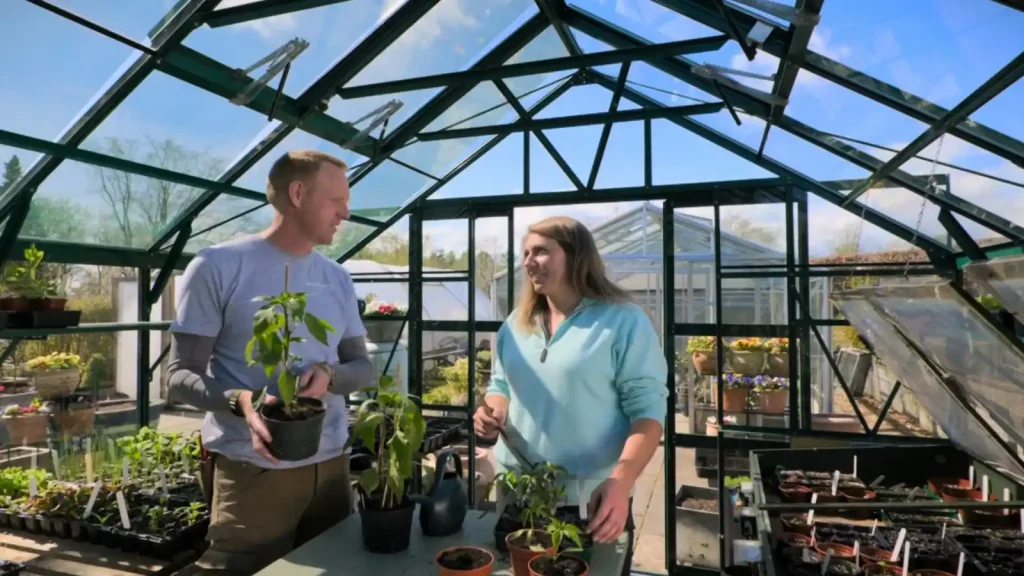
The Beechgrove Garden 2025 episode 2: Welcome back to Beechgrove Garden! As the gardening season truly gets underway, there’s a buzz of excitement in the air. Indeed, the soil is warming, the birds are singing, and our presenters are ready to dig in. This episode promises a delightful mix of friendly competition, practical projects, and creative inspiration. Consequently, you’ll find plenty of ideas to nurture your own green space. So, grab a cuppa, settle in, and let’s join Brian and Lizzie for another inspiring hour.
The episode kicks off with a bit of spirited rivalry. Brian and Lizzie are launching a season-long challenge. Specifically, they want to see who among the Beechgrove presenters can cultivate the most magnificent vegetable plot. It’s a friendly competition, of course, but the stakes are high – garden glory awaits the winner! More importantly, this contest provides a fantastic opportunity for viewers. We can follow along, learn from their successes, and perhaps even avoid some of their inevitable mishaps. Ultimately, it’s all about the joy of growing your own food.
First up in the competition arena is Lizzie. With thoughtful planning, she begins mapping out her designated veg border. Viewers watch as she considers layout, plant choices, and soil preparation. Lizzie aims for a plot that is not just productive but also beautiful. Therefore, she carefully selects varieties known for both flavour and form. Subsequently, she gets her hands dirty, transforming the bare earth into a promising patch brimming with potential. This planting phase is always filled with hope, isn’t it? Each seed and seedling represents a future harvest.
Furthermore, Lizzie takes us back to a project from last year: her charming potager garden. Remember, a potager blends the practical with the picturesque. It combines vegetables, herbs, and flowers in an attractive design. Lizzie candidly reviews what thrived in this space previously. Additionally, she assesses what perhaps didn’t quite hit the mark. Learning from the past is crucial in gardening, after all. Consequently, she outlines her plans for refreshing the potager this season. This involves amending the soil, perhaps trying new companion planting strategies, and ensuring continued productivity and beauty. It’s a wonderful example of evolving garden design.
Meanwhile, Brian turns his attention to a cornerstone of sustainable gardening: composting. He passionately explains why making your own compost is such a brilliant idea. Firstly, it transforms kitchen scraps and garden waste into nutrient-rich “black gold” for your soil. Secondly, it significantly reduces the amount of waste heading to landfill. Thirdly, it saves you money on expensive soil conditioners. Brian demystifies the process, breaking it down into simple, manageable steps. He shows exactly what to add – the greens and browns – and how to maintain the heap. Truly, it’s like garden alchemy, turning everyday waste into precious life for your plants. He makes it feel accessible for everyone.
Speaking of sustainability and helping nature, the team tackles another eco-friendly project. Brian and Lizzie demonstrate how to build a deadwood hedge. Now, this might sound unusual, but it’s incredibly beneficial. Fallen branches, twigs, and old cuttings are repurposed purposefully. Instead of burning or discarding them, you stack them to create a rustic structure. As a result, you build a vital habitat corridor within your garden. These hedges become bustling miniature ecosystems. They offer shelter and food for countless beneficial creatures. Think busy beetles, invaluable pollinators like bees, and perhaps even shy hedgehogs seeking refuge. It’s a simple yet powerful way to boost biodiversity. Brian and Lizzie show just how easy it is to create your own wildlife haven.
Finally, the episode introduces one of the major Beechgrove projects for the year: creating a sitooterie. What on earth is a sitooterie, you might ask? Simply put, it’s a lovely Scottish term for a place to sit outside. It could be a simple bench, a cosy arbour, or a more elaborate seating area. For many gardeners, creating such a spot is the ultimate goal. After all the digging, planting, and weeding, you need somewhere comfortable.
A place where you can relax, admire your handiwork, and soak up the atmosphere. Perhaps you want to enjoy a peaceful morning coffee or a relaxing summer evening. Brian and Lizzie make a start on this exciting build. They choose the perfect location and begin the groundwork. Consequently, viewers can anticipate watching this relaxing retreat take shape over the coming weeks. It promises to be a space designed for pure garden enjoyment.
In summary, this episode is packed with practical advice and engaging projects. We see the thrill of starting new ventures, like the veg plot competition and the sitooterie. We also revisit past successes, learning valuable lessons from Lizzie’s potager. Additionally, Brian empowers us with sustainable skills like composting. Furthermore, the deadwood hedge project highlights the importance of supporting garden wildlife. Throughout it all, the passion for gardening shines brightly. It reminds us that gardening is about growth, creativity, sustainability, and finding moments of peace outdoors. Don’t miss the journey ahead!
The Beechgrove Garden 2025 episode 2 – Growing Together: The Heart of Beechgrove
As our garden journey with Brian and Lizzie draws to a close, we’re left with soil under our fingernails and inspiration in our hearts. The friendly vegetable plot competition has planted seeds of curiosity in our minds. Consequently, we find ourselves eager to witness the growth and harvests in upcoming episodes. Like gardeners watching seedlings emerge, we’ll follow their progress with anticipation and joy.
The revival of Lizzie’s potager reminds us that gardens, much like life, evolve constantly. Yesterday’s challenges become tomorrow’s wisdom. Therefore, we learn to adapt, experiment, and celebrate both successes and learning opportunities. This beautiful blend of practicality and aesthetics mirrors what many of us seek in our own outdoor spaces.
Brian’s composting lesson transforms what might seem mundane into something magical. Kitchen scraps metamorphose into garden gold, completing nature’s perfect circle. Additionally, the deadwood hedge project shows how even the most seemingly useless garden debris creates vibrant wildlife habitats. These initiatives connect us to the broader ecosystem, making us stewards rather than just occupants of our gardens.
The sitooterie project, meanwhile, speaks to why we garden in the first place. We create these green sanctuaries not just to work in but to enjoy. Like a story needing its final chapter, a garden requires a place to sit and appreciate the unfolding narrative of growth and beauty.
Throughout this episode, sustainability weaves through every project like a sturdy garden twine. The team demonstrates how gardening can nurture both planet and soul simultaneously. Furthermore, they show that environmental consciousness needn’t be complicated – simple acts like composting or repurposing materials make significant differences.
As we look ahead to future episodes, excitement blooms like spring flowers. The vegetable competition will intensify, the sitooterie will take shape, and countless other projects will unfold. Most importantly, we’ll continue learning alongside our trusted gardening companions.
The true essence of Beechgrove lies in its community spirit. Gardens connect us – to nature, to sustainable practices, and to each other. So, grab your gardening gloves and join this growing family. After all, the most beautiful gardens are those we nurture together, season after season, learning and growing in harmony with nature.
FAQ The Beechgrove Garden 2025 episode 2
Q: What is The Beechgrove Garden show about?
A: The Beechgrove Garden is a popular gardening show featuring presenters like Brian and Lizzie who demonstrate practical projects, sustainable gardening techniques, and creative inspiration. Additionally, the 2025 season includes a friendly competition between presenters to grow the most magnificent vegetable plot. Furthermore, they tackle various projects such as potager gardens, composting, deadwood hedges, and creating a sitooterie (Scottish term for outdoor seating area). Consequently, viewers gain valuable knowledge they can apply to their own green spaces while enjoying the hosts’ expertise and camaraderie.
Q: What is a potager garden and why was it featured on Beechgrove?
A: A potager garden blends practical growing spaces with picturesque design elements, much like a living tapestry of edible plants. Essentially, it combines vegetables, herbs, and flowers in an attractive layout that serves both functional and aesthetic purposes. Lizzie featured her potager garden on Beechgrove to demonstrate how gardeners can review past successes, learn from previous seasons, and plan improvements. Moreover, she outlined strategies for soil amendment and companion planting to ensure continued beauty and productivity. This approach perfectly illustrates the evolving nature of garden design, where practicality and beauty grow hand in hand.
Q: How does Beechgrove approach composting for sustainable gardening?
A: Brian approaches composting as a cornerstone of sustainable gardening, describing it as transforming kitchen scraps and garden waste into nutrient-rich “black gold.” First, he emphasizes its environmental benefits by reducing landfill waste. Second, he highlights the financial savings over purchasing commercial soil conditioners. Most importantly, Brian demystifies the process by breaking it down into simple steps, showing exactly what to add (greens and browns) and how to maintain the heap. This garden alchemy, as he calls it, turns everyday waste into precious plant nutrition while making the technique accessible for gardeners of all experience levels.
Q: What is a deadwood hedge and why should gardeners create one?
A: A deadwood hedge is an eco-friendly structure created by stacking fallen branches, twigs, and old cuttings rather than burning or discarding them. Beechgrove demonstrates how this seemingly simple pile transforms into a vital habitat corridor within your garden. Consequently, these rustic structures become bustling miniature ecosystems offering shelter and food for beneficial creatures like beetles, pollinators, and even hedgehogs. Furthermore, creating a deadwood hedge represents sustainable gardening at its finest – repurposing materials that might otherwise be considered waste. Indeed, this project showcases how gardeners can boost biodiversity through thoughtful practices while creating wildlife havens in their own backyards.
Q: What is a sitooterie and how is it being incorporated into the Beechgrove Garden?
A: A sitooterie is a charming Scottish term for an outdoor seating area, which could be a simple bench, cozy arbour, or more elaborate seating arrangement. In Beechgrove Garden 2025, this project represents a major season-long initiative where Brian and Lizzie carefully select the perfect location and begin groundwork for this relaxing retreat. The sitooterie embodies the philosophy that gardens aren’t just for working in but for enjoying like a comfortable chapter in your favorite book. Therefore, viewers can follow the construction process throughout upcoming episodes, gaining inspiration for creating their own garden sanctuary where they can savor morning coffee or peaceful evening moments surrounded by their horticultural achievements.
Q: How is the vegetable plot competition structured in Beechgrove Garden 2025?
A: The vegetable plot competition launches as a season-long challenge between Beechgrove presenters, particularly Brian and Lizzie. Each competitor receives a designated growing area where they must plan, prepare soil, and select varieties known for both flavor and form. While garden glory awaits the winner, the true purpose extends beyond rivalry. In fact, this friendly contest provides viewers with a valuable opportunity to follow different growing approaches, learn from successes, and perhaps avoid common mistakes. Throughout the season, audiences can track various growing methods side by side, making this competition both entertaining and educational – ultimately celebrating the joy of growing your own food.
Q: What gardening skills can viewers learn from Beechgrove Garden 2025?
A: Viewers can learn numerous practical gardening skills from Beechgrove Garden 2025. For instance, they gain knowledge about vegetable plot planning, soil preparation, and variety selection from the competition segments. Additionally, they discover how to blend beauty with function through Lizzie’s potager garden updates. Meanwhile, Brian’s composting demonstration teaches sustainable waste management and soil improvement techniques. Furthermore, the deadwood hedge project shows how to support wildlife biodiversity. Finally, the sitooterie construction provides insights into garden design and creating relaxation spaces. These skills combine technical expertise with creative inspiration, making gardening accessible and enjoyable for everyone from beginners to experienced horticulturists.
Q: How does Beechgrove Garden emphasize sustainability in gardening practices?
A: Beechgrove Garden weaves sustainability through every project like essential garden twine binding their practices together. Firstly, the composting segment demonstrates transforming waste into valuable resources, creating a closed-loop system. Secondly, the deadwood hedge project showcases repurposing garden debris into wildlife habitats rather than sending materials to waste. Moreover, the emphasis on learning from previous seasons encourages resource efficiency and continuous improvement. The show presents these eco-friendly approaches not as complicated obligations but as accessible practices anyone can adopt. Consequently, viewers learn that environmental consciousness in gardening means working with nature rather than against it, fostering both planetary health and gardening success.
Q: What makes the potager garden different from a standard vegetable plot?
A: A potager garden differs from a standard vegetable plot primarily through its intentional blending of aesthetics with productivity, similar to how a painter combines colors for both function and beauty. While traditional vegetable plots focus mainly on efficient food production, potagers deliberately incorporate ornamental elements like flowers alongside herbs and vegetables. In Lizzie’s potager demonstration, she emphasizes selecting varieties known for both flavor and form, creating visually attractive patterns and layouts, and using companion planting strategies. Therefore, a potager becomes a feast for the eyes as well as the table. This approach transforms utilitarian growing spaces into garden highlights that visitors admire while still delivering abundant harvests throughout the season.
Q: How does Beechgrove Garden connect viewers to the broader gardening community?
A: Beechgrove Garden fosters a sense of community through shared experiences and inclusive teaching approaches. The presenters speak directly to viewers, inviting them to “grab a cuppa” and join the gardening journey. Furthermore, they acknowledge both successes and “inevitable mishaps,” creating an atmosphere where experimentation and learning are celebrated. The friendly competition element also mirrors how gardeners often share friendly rivalry while supporting each other’s growth. Additionally, sustainable practices like composting and wildlife habitats connect viewers to broader environmental stewardship. Consequently, viewers feel part of an extended gardening family rather than passive observers, united through common challenges, seasonal rhythms, and the shared joy of nurturing green spaces.