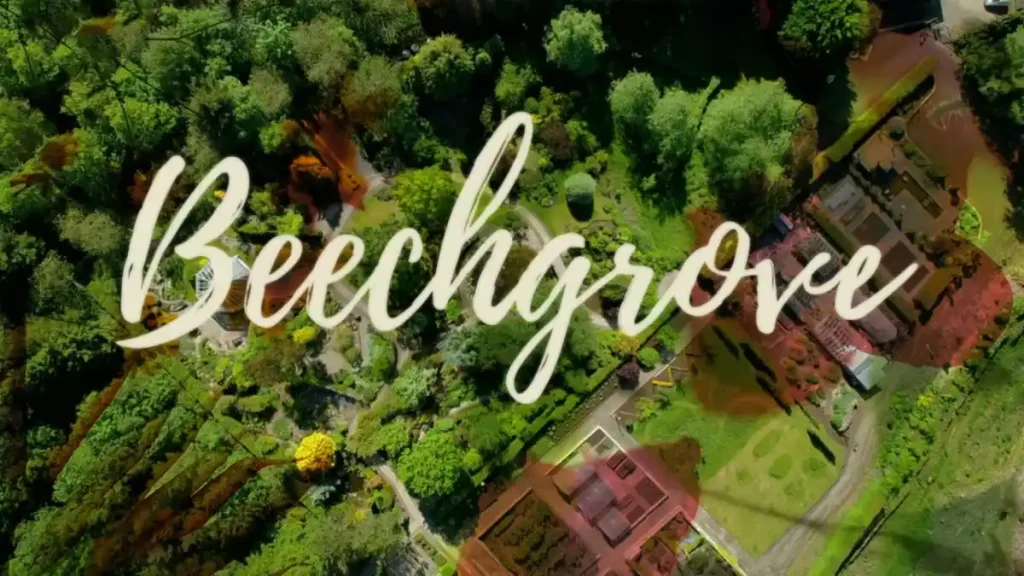
The Beechgrove Garden 2025: Episode 4 Highlights
Spring brings new life to the garden, and this latest episode of The Beechgrove Garden delivers a wealth of inspiration for gardeners of all experience levels. From wildlife-friendly plantings to space-saving solutions, the presenters offer practical advice for the seasonal gardening tasks ahead.
Brian takes center stage in this episode with his thoughtful approach to wildlife gardening. Furthermore, his selection of shrubs goes beyond mere aesthetics, focusing instead on varieties that will actively support our essential pollinators. These carefully chosen plants will create a haven for bees, butterflies, and other beneficial insects throughout the growing season.
“Creating habitat for wildlife isn’t just good for the environment—it brings your garden to life,” Brian explains as he demonstrates proper planting techniques. Additionally, he shares insights on positioning these shrubs strategically to maximize their ecological benefits while enhancing the garden’s visual appeal.
Ruth embraces a competitive spirit this season as she establishes her vegetable plot. Moreover, this garden will serve as her entry in this year’s highly anticipated presenter vegetable-growing competition. Viewers are treated to a step-by-step process as Ruth prepares the soil, selects varieties, and implements her growing strategy.
The episode features Ruth’s thoughtful approach to garden planning. “A successful vegetable garden begins with proper preparation,” she notes while demonstrating essential soil preparation techniques. Her methodical approach provides valuable lessons for viewers hoping to grow their own produce this season.
Space constraints need not limit gardening ambitions, as Ruth demonstrates with her innovative vertical garden project. This segment offers particular value for urban gardeners, apartment dwellers, or anyone working with limited outdoor space. In addition, Ruth showcases how vertical structures can transform even the smallest areas into productive growing environments.
“Vertical gardening isn’t just practical—it creates visual interest and makes harvesting easier,” Ruth explains while installing her space-saving system. The segment provides practical tips on construction, plant selection, and maintenance techniques specific to vertical growing environments.
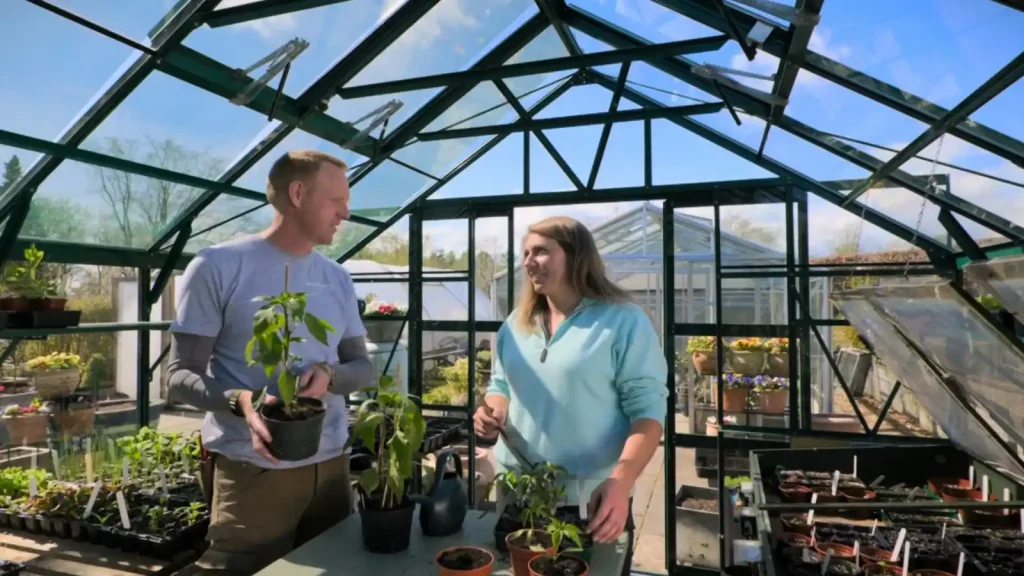
The familiar 6×8 greenhouse becomes a focus as Ruth tackles this year’s tomato crop. Subsequently, she tests an automatic irrigation system that could prove invaluable for gardeners planning summer holidays. This practical demonstration addresses one of the most common concerns for gardeners—how to maintain plants during absences.
Ruth walks viewers through the setup process, explaining, “Consistent watering is critical for greenhouse crops, especially during hot weather.” Then she demonstrates calibration techniques to ensure plants receive appropriate moisture levels based on their specific needs and growing conditions.
Timing is everything in gardening, and this episode provides essential guidance on current dahlia maintenance. The presenters share expertise on when to divide tubers, optimal planting depths, and early-season care techniques. Consequently, viewers gain confidence in managing these popular flowering plants for maximum blooms later in the season.
“Dahlias reward proper early-season care with spectacular late-summer displays,” the presenters advise while demonstrating essential maintenance techniques. Their practical approach demystifies dahlia cultivation for gardeners at all experience levels.
The Beechgrove Garden 2025 episode 4
Looking ahead to autumn harvests, Ruth introduces viewers to lentil cultivation. Therefore, she provides a complete guide from seed selection through sowing techniques. This segment appeals particularly to sustainability-minded gardeners interested in growing protein-rich crops.
“Home-grown lentils make exceptional soups and stews with flavors you simply can’t find in store-bought varieties,” Ruth explains while demonstrating proper spacing and depth for these nutritious legumes. The segment concludes with preservation tips to maximize the eventual harvest.
Throughout the episode, the presenters emphasize adaptable techniques suitable for various garden sizes and types. As a result, viewers from rural properties to urban balconies find relevant advice for their specific gardening contexts. This inclusive approach reflects The Beechgrove Garden’s commitment to making gardening accessible to everyone.
The episode seamlessly blends immediate seasonal tasks with longer-term planning considerations. In this way, it provides a comprehensive gardening guide relevant to current conditions while preparing viewers for future challenges and opportunities in their gardens.
Whether you’re passionate about supporting wildlife, growing nutritious vegetables, or maximizing limited space, this episode of The Beechgrove Garden delivers practical inspiration and expert guidance. The presenters’ enthusiasm for sustainable, creative gardening practices shines through, encouraging viewers to venture into their own gardens with renewed purpose and confidence.
The Beechgrove Garden (2025) – Episode 4: Gardening with Purpose
As spring unfurls its green fingers across Scotland, episode four of this season’s Beechgrove Garden delivers a delightful blend of practical advice and visual inspiration. The beloved Scottish gardening show continues its tradition of presenting accessible gardening techniques for viewers of all experience levels.
This episode weaves together several engaging segments that reflect the show’s core philosophy: gardening should adapt to your space and lifestyle, not the other way around. From competitive vegetable growing to wildlife-friendly plantings, the presenters tackle a variety of topics with their characteristic enthusiasm and expertise.
The show opens with a visit to the trials area, now playfully dubbed the “Presenters Veg Competition plot.” Here, presenter Ruth unveils her “modern crofter” theme, paying homage to her Shetland roots. Her sophisticated four-crop rotation system demonstrates how traditional farming practices can incorporate scientific principles.
Ruth’s experimental approach shines through when she reveals her “secret weapon” – lentils! This cool-season crop, rarely attempted in Scotland, showcases the show’s encouraging attitude toward horticultural experimentation. As Brian notes with good humor, Ruth is “going big” by trying something new on national television.
The program then shifts to Brian in the Wildlife Garden, where sustainable practices take center stage. Rather than removing an entire tree stump at great effort and expense, they’ve transformed it into a wildlife habitat. Brian explains how the “coronet cut” creates a jagged effect mimicking natural breakage, already attracting ivy and creating homes for insects.
Brian’s segment on wildlife-friendly shrubs offers practical advice without sacrificing aesthetic appeal. His selections – hawthorn, cotoneaster, holly, tree heath, and lavender – provide food for pollinators and birds while maintaining visual interest in the garden. Moreover, he addresses a common misconception that “wildlife gardening” means creating an untamed jungle.
The show then transports viewers to Irene Berry’s Japanese-style garden in the Scottish Borders. Her segment focuses on two spectacular flowering cherry trees – Prunus ‘Accolade’ and Prunus ‘Kiku-shidare-zakura’ (Cheal’s Weeping Tree). Irene shares thoughtful observations about the beauty of the falling petals, describing them as “a little show of stardust.”
Particularly valuable is Irene’s innovative approach to pruning cherry trees. Instead of following traditional advice to cut back branches, she demonstrates how gently tying them with twine and weighing them down preserves more buds while reducing the risk of infection. This segment beautifully illustrates how gardening techniques can evolve through personal observation.
Irene’s wildlife pond segment captures the cyclical nature of garden life, with returning newts and three clumps of frog spawn. Her thoughtfully designed shallow areas with grasses, planters, and pebbles offer tadpoles escape routes from predators, exemplifying how small design choices can support natural ecosystems.
The show then pivots to an innovative tomato-growing segment. The presenter sets up a comparison between traditional grow bags and a passive hydroponic system using the promising ‘Crokini’ tomato variety. This side-by-side experiment will measure both fruit production and water usage, addressing sustainability concerns many gardeners share.
The detailed explanation of the hydroponic setup makes this seemingly technical approach accessible to home gardeners. From the importance of opaque containers to the use of fabric cord wicks, viewers receive clear instructions for creating their own system. Additionally, the presenter notes that this method works for various plants beyond tomatoes, expanding its practical applications.
The historical segment at Backhouse Rossie Estate in Fife provides fascinating context about Scotland’s daffodil heritage. Caroline Thompson maintains the national collection of Narcissus Backhouse cultivars, preserving generations of horticultural history. The story of Sarah Backhouse, who created 600 daffodil cultivars including the first true pink varieties, highlights women’s often overlooked contributions to horticulture.
Thompson’s demonstration of daffodil hybridization demystifies what might seem like complex science. By showing how anyone can cross-pollinate daffodils and describing the multi-year process from seed to flower, she connects viewers to this historical practice in an approachable way.
For space-challenged gardeners, the vertical growing segment offers hope and practical solutions. The presenter showcases purpose-built planters with built-in watering systems, explaining how to combine ornamental plants like lobelia and alyssum with productive crops like strawberries. This segment reinforces the show’s ethos that everyone can garden, regardless of their space constraints.
The episode concludes with quick tips on starting dahlias and chrysanthemums. These brief but informative segments provide seasonal reminders that help viewers plan their gardening calendar, maintaining the show’s reputation as a reliable resource.
Throughout the episode, Beechgrove Garden strikes an effective balance between inspiration and instruction. The presenters avoid gardening jargon while still providing depth, making techniques approachable without oversimplification. The show’s emphasis on sustainability, from water conservation to wildlife support, reflects contemporary gardening concerns without preaching.
What makes this episode particularly effective is its range of garden scales – from Irene’s modest Japanese garden to the historic Backhouse Estate, from vertical planters to the competition vegetable plots. This diversity acknowledges that gardening looks different for everyone, yet certain principles remain universal.
If the episode has any weakness, it might be that some segments feel slightly rushed. The dahlia and chrysanthemum tips, while valuable, could benefit from more detailed attention. However, this is a minor critique in an otherwise well-paced program.
Beechgrove Garden continues to evolve with the times while honoring traditional practices. This episode exemplifies how the show maintains its relevance by addressing contemporary concerns like wildlife conservation and small-space gardening while still celebrating Scotland’s rich horticultural heritage.
For both novice and experienced gardeners, this episode offers a perfect blend of practical advice and inspiration. As spring unfolds across Scotland, Beechgrove Garden once again proves itself an indispensable companion for anyone looking to nurture their own patch of earth, however large or small it might be.
FAQ The Beechgrove Garden 2025 episode 4
Q: What is The Beechgrove Garden show about?
A: The Beechgrove Garden is a beloved Scottish gardening show that presents accessible gardening techniques for viewers of all experience levels. Moreover, it focuses on practical advice adapted to Scotland’s unique climate and growing conditions. The show demonstrates how gardening can adapt to various spaces and lifestyles, featuring segments on wildlife gardening, vegetable growing competitions, Japanese-style gardens, hydroponics, vertical gardening, and historical plant cultivation.
Q: How does the show approach wildlife gardening?
A: Presenter Brian demonstrates how wildlife gardening can be both beautiful and functional. Rather than creating an untamed jungle, he selects specific shrubs like hawthorn, cotoneaster, holly, tree heath, and lavender that support pollinators and birds while maintaining visual appeal. Furthermore, he shows how even dead tree stumps can transform into valuable wildlife habitats through techniques like coronet cutting, which creates jagged edges mimicking natural breakage and provides homes for insects.
Q: What innovative gardening techniques are featured in Episode 4?
A: Episode 4 showcases several innovative techniques, including passive hydroponics for growing tomatoes without electricity. Additionally, the show demonstrates vertical gardening solutions for space-challenged gardeners, Irene’s gentle approach to cherry tree pruning using twine instead of cutting branches, and Ruth’s experimental cultivation of lentils in Scotland. These practical innovations help gardeners overcome common challenges while promoting sustainability and resource efficiency.
Q: How does the show address gardening in limited spaces?
A: The show features a dedicated segment on vertical gardening, perfect for balconies, small patios, or unloved walls and fences. Purpose-built planters with built-in watering systems allow gardeners to combine ornamental plants like lobelia and alyssum with productive crops such as strawberries. This approach reinforces the show’s philosophy that everyone can garden regardless of space constraints, encouraging urban dwellers and apartment residents to grow both beautiful and edible plants.
Q: What is the “Presenters Veg Competition plot” featured in this episode?
A: The Presenters Veg Competition plot is a friendly competition between the show’s presenters, each developing their own vegetable growing approach. In this episode, Ruth unveils her “modern crofter” theme, paying homage to her Shetland roots through a sophisticated four-crop rotation system. Her experimental approach includes growing lentils as a “secret weapon” – a cool-season crop rarely attempted in Scotland. This competition adds entertainment value while demonstrating various growing techniques and vegetable varieties.
Q: What historical gardening context does the episode provide?
A: The episode visits Backhouse Rossie Estate in Fife, home to the national collection of Narcissus Backhouse cultivars. Caroline Thompson preserves these daffodils bred by generations of the Backhouse family since the 19th century. Notably, the segment highlights Sarah Backhouse, who created 600 daffodil cultivars including the first true pink varieties, yet whose achievements were often attributed to her husband after her death in 1923. This historical context celebrates Scotland’s rich horticultural heritage and women’s contributions to plant breeding.
Q: How does the episode make technical gardening approaches accessible to viewers?
A: The episode excels at breaking down seemingly complex techniques into accessible steps. For instance, the hydroponics segment explains clearly how to set up a passive system using opaque containers, net pots, fabric cord wicks, and sphagnum moss. Similarly, Thompson’s demonstration of daffodil hybridization demystifies the process of cross-pollination and seed-to-flower development. By avoiding jargon and providing visual demonstrations, the show empowers viewers to try advanced techniques without feeling intimidated.
Q: What sustainable gardening practices does the episode promote?
A: Sustainability threads throughout the episode in various ways. Brian’s wildlife garden repurposes a tree stump rather than removing it entirely. Ruth’s hydroponic tomato experiment aims to measure water usage efficiency compared to traditional methods. Additionally, the vertical gardening segment demonstrates how to maximize production in minimal space with built-in water conservation systems. These approaches reflect contemporary gardening concerns without preaching, instead presenting sustainability as a practical and rewarding gardening philosophy.
Q: What unique approach to Japanese garden maintenance does Irene Berry demonstrate?
A: Irene Berry shares an innovative technique for shaping cherry trees in her Japanese-style garden. Instead of following traditional pruning advice, which risks exposing trees to diseases like silverleaf or bacterial canker, she gently ties branches with twine and weighs them down with rocks hidden beneath ferns. Consequently, this approach preserves more flowering buds while reducing infection risks. Her method beautifully illustrates how gardening techniques can evolve through personal observation and adaptation to specific conditions.
Q: What makes this episode of The Beechgrove Garden particularly effective for viewers?
A: The episode’s effectiveness stems from its range of garden scales and approaches. From Irene’s modest Japanese garden to the historic Backhouse Estate, from vertical planters to competition vegetable plots, the diversity acknowledges that gardening looks different for everyone. Furthermore, the presenters strike an ideal balance between inspiration and instruction, making techniques approachable without oversimplification. The show maintains its relevance by addressing contemporary concerns like wildlife conservation and small-space gardening while celebrating Scotland’s horticultural traditions.


Why did we have one episode on BBC TV last week and now that seems to be it other than in Scotland, or online