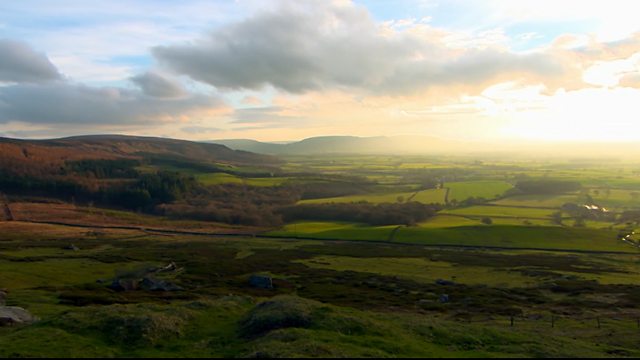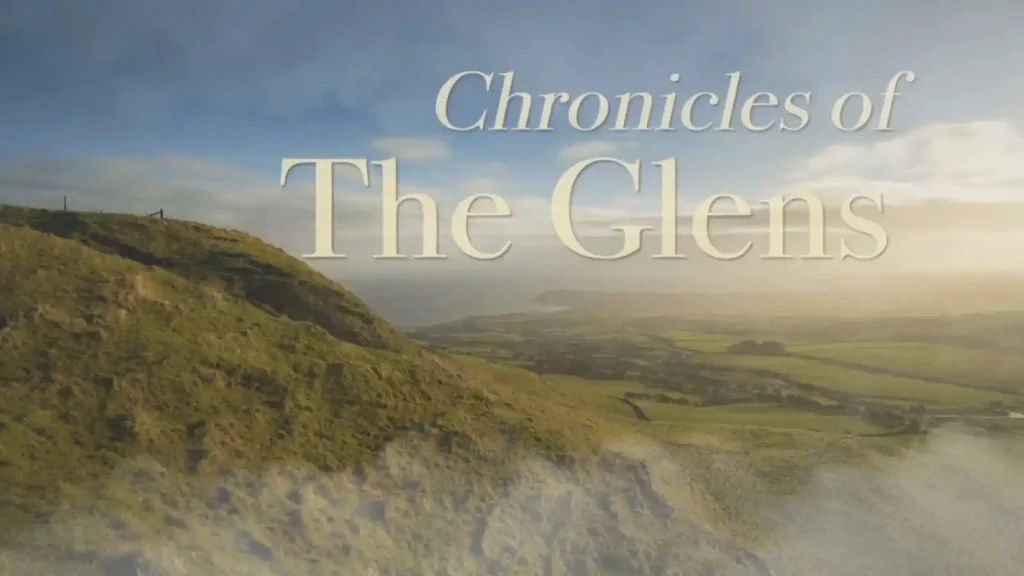
Chronicles of the Glens episode 4 – Summer: The sun climbs higher, painting the Antrim Glens in the vibrant hues of summer. Usually, this season brings a joyful bustle. Visitors flock here, drawn like moths to a flame. They seek unspoiled beaches and charming coastal villages. Indeed, the coastline wraps around the land like a comforting embrace. However, this year feels different, quieter. The shadow of Covid-19 restrictions lingers persistently. Consequently, familiar village festivals, bursting with music and laughter, are absent. The cheerful crowds are missing from the narrow streets.
Yet, the spirit of the Glens remains unbroken. This is a community forged by landscape and history. Furthermore, its people understand adversity; they know how to adapt. Resilience flows through these valleys like the streams rushing to the sea. Although celebrations are cancelled, life finds new ways to bloom. Fun still sparks in unexpected moments. The community, therefore, pulls together with quiet strength. They find joy in simpler pleasures, closer to home.
Down in Carnlough, the sea air feels fresh and hopeful. Here, Robert and Tiffany stand ready at their caravan park. They feel a cautious excitement bubble within them. After a period of quiet uncertainty, welcoming visitors back feels significant. It’s like opening the windows after a long winter. Naturally, precautions are in place, ensuring everyone feels safe. Still, the return of guests brings a welcome energy. The park begins to hum with gentle activity once more. It’s a sign of life returning, step by careful step.
Meanwhile, nestled deeper in the tranquil Glenshesk valley, anticipation builds. The Devlin family is adding the final touches to their shepherd’s hut. This cozy retreat represents a new venture, a dream taking shape. They meticulously prepare it for its very first overnight guests. Every detail matters, from the soft furnishings to the welcoming view. Consequently, there’s a sense of pride in their work. They imagine visitors escaping the everyday, finding peace here. The hut waits, a small haven ready to offer sanctuary. It promises quiet nights under starry skies.
Over in Cushendall, the familiar clash of ash echoes again. The camogie season has triumphantly returned. For Aimee and Orlagh, this means everything. The sport is woven into the fabric of local life. Therefore, its return feels like reclaiming a piece of normality. They celebrate this moment with brand new hurls. These smooth, crafted pieces of ash represent more than just equipment. Indeed, they symbolise fresh starts and renewed passion. The girls practice with renewed vigour, their movements fluid and determined. The field rings with their shouts and laughter once more.
As the summer sun intensifies its gaze, another rhythm dictates life. Across the sprawling sheep farms dotted throughout the Glens, it is shearing time. This ancient task marks a crucial point in the agricultural calendar. The air fills with the buzz of shears and the bleating of sheep. It’s a period of intense, focused work under the warm sky. Farmers expertly peel away the heavy winter fleeces. This relieves the sheep before the peak summer heat arrives. Moreover, the wool itself is a valuable harvest.
High above the sea, on the dramatic cliffs of Fairhead, the McBride farm is bustling. Gerard McBride orchestrates the complex task of gathering the flock. The sheep graze freely here, often perilously close to the edge. Bringing them in requires skill, patience, and a good dog. Thankfully, Jess, his talented sheepdog, is on duty. She moves with impressive agility across the rugged terrain. Her dark form darts back and forth, guiding the woolly herd. Jess has been training diligently all year long.
Undoubtedly, her skills are developing beautifully. She responds keenly to Gerard’s whistles and commands. Watching her work is like seeing poetry in motion. She expertly nudges stragglers and controls the flock’s direction. However, Gerard watches with a fond, critical eye. He sometimes wishes she possessed a ‘middle gear’. Jess operates mainly at full speed or a steady walk. That intermediate pace, useful for tricky manoeuvres, is still developing. Nevertheless, her dedication and instinct are undeniable. She is an invaluable partner on this challenging landscape. Together, they ensure the flock comes safely down from the cliffs for shearing.
A few miles offshore, lies the rugged beauty of Rathlin Island. Here, the cliffs teem with a different kind of life. Richard Else, representing RSPB Northern Ireland, surveys the scene. He works from the West Light Seabird Centre, a vital observation point. Summer marks the peak of the seabird breeding season. Consequently, the air vibrates with the calls of thousands of birds. Guillemots jostle for space on narrow ledges. Puffins, with their colourful beaks, return with fish for their chicks. Razorbills and kittiwakes add to the noisy, dynamic spectacle.
Richard finds deep satisfaction in monitoring these colonies. Observing the birds raising their young offers crucial insights. It helps the RSPB understand the health of the marine environment. Furthermore, it informs their vital conservation efforts. The sheer density of life clinging to these cliffs is breathtaking. It’s a wild, untamed display of nature’s persistence. Despite challenges facing seabirds globally, Rathlin remains a precious sanctuary. Richard feels privileged to witness this annual miracle unfold. The dramatic cliffs serve as a stunning backdrop to this important work.
Chronicles of the Glens episode 4 – Summer
Further south, nestled in its own majestic valley, stands Glenarm Castle. The estate usually buzzes with preparation for major summer events. Adrian, the estate manager, faces an unprecedented situation this year. The much-loved DalFest music festival cannot proceed as normal. Covid-19 restrictions prohibit large gatherings on the castle grounds. Letting go of the traditional festival format was undoubtedly difficult. The vibrant crowds and live atmosphere are core to its identity.
However, Adrian and his team embrace innovation. Instead of cancelling, they pivot to a unique solution. DalFest will be streamed online for everyone to enjoy remotely. This requires navigating a whole new world of technology. Setting up cameras and coordinating live feeds presents fresh challenges. Yet, Adrian marvels at the possibilities modern tech offers. Artists like Alexandra Burke and Nathan Carter prepare to perform. Their stage is set against the stunning castle backdrop.
But their audience is rather unusual this year. Instead of cheering fans, rows of sheep graze peacefully nearby. It creates a surreal, almost comical, scene. Adrian reflects on the strangeness of it all. Musicians pouring their hearts out to an audience of livestock. Still, it highlights the resilience and adaptability permeating the Glens. The music plays on, connecting people even when apart. It’s a testament to finding creative solutions in trying times. The sheep, meanwhile, seem perfectly content with their front-row seats. They continue munching grass, unfazed by the pop stars in their midst. This unusual DalFest becomes another unique chapter in Glenarm’s long history. The spirit of celebration finds a way, even against the odds.
Chronicles of the Glens episode 4 – Conclusion
As summer yields to autumn, the Antrim Glens transform yet again. The landscape shifts from vibrant greens to rich amber hues. Throughout these changing seasons, the resilience of the Glen communities has shone brightly. Despite the challenges of Covid-19 restrictions, life here has adapted rather than halted.
Robert and Tiffany’s caravan park in Carnlough has welcomed visitors back with cautious optimism. Consequently, the coastal village regained some of its familiar energy. Meanwhile, the Devlin family’s shepherd’s hut venture represents the innovative spirit flourishing across the region. Their determination to create new experiences connects them to the long history of adaptation in these valleys.
In Cushendall, the return of camogie brought immense joy to Aimee, Orlagh, and their teammates. Indeed, the sound of ash against ball signaled a welcome return to tradition. This cultural touchstone, therefore, provided an emotional anchor during uncertain times. Across the farms, the timeless rhythm of shearing continued uninterrupted, with Gerard and his talented sheepdog Jess bringing their flock safely down from Fairhead’s dramatic cliffs.
Furthermore, Richard Else’s vital conservation work on Rathlin Island highlights the natural splendor that surrounds these communities. The seabird colonies serve as a powerful reminder of resilience in the natural world. Their persistence mirrors the steadfast character of the Glen’s inhabitants.
Perhaps most emblematic of this adaptable spirit was DalFest at Glenarm Castle. Adrian’s team transformed what could have been disappointment into innovation. The unusual sight of musicians performing to grazing sheep represents the perfect metaphor for these times – finding harmony between tradition and necessary change.
Throughout the Glens, communities have demonstrated that connection transcends physical proximity. They have woven new patterns into the rich tapestry of local life. Moreover, they have proven that the essence of community lies not in grand gatherings but in shared purpose.
As the cycle of seasons continues, the Glens will undoubtedly face new challenges. However, like the streams that have carved these valleys over millennia, the people will find their way forward. Their story flows on – resilient, adaptive, and deeply connected to this extraordinary landscape that shapes them as much as they shape it.
FAQ Chronicles of the Glens episode 4
Q: What are the Antrim Glens and where are they located?
A: The Antrim Glens are a series of picturesque valleys located along the northeastern coast of Northern Ireland. These scenic glens stretch along the Antrim coastline, forming a region renowned for its unspoiled beaches, charming coastal villages, and dramatic landscapes. Moreover, the area features stunning cliffs, rolling hills, and valleys carved by streams flowing toward the sea. The coastline wraps around the land, creating a distinctive geography that has shaped the communities living there for generations.
Q: How did Covid-19 restrictions impact tourism in the Antrim Glens?
A: Covid-19 restrictions significantly altered the usual summer atmosphere in the Antrim Glens. Traditionally bustling village festivals were absent, and the narrow streets missed their typical cheerful crowds. Local businesses like Robert and Tiffany’s caravan park in Carnlough had to implement careful precautions when welcoming visitors back. Furthermore, major events such as the DalFest music festival at Glenarm Castle could not proceed as normal, forcing organizers to pivot to online streaming formats. Despite these challenges, tourism gradually returned with a cautious energy, marking a step-by-step revival for the region’s hospitality sector.
Q: What innovative tourism ventures are emerging in the Glens?
A: New tourism ventures are blossoming throughout the Glens, demonstrating local entrepreneurial spirit. For instance, the Devlin family has developed a cozy shepherd’s hut retreat in the tranquil Glenshesk valley. They meticulously prepared this accommodation for overnight guests, focusing on comfort and connection with the natural surroundings. Additionally, existing businesses are adapting their offerings to meet changing visitor expectations in a post-Covid landscape. These ventures represent dreams taking shape while providing unique experiences for visitors seeking sanctuary and peace away from everyday life.
Q: What traditional sports are important to communities in the Antrim Glens?
A: Camogie stands out as a vital traditional sport deeply woven into the cultural fabric of the Antrim Glens. This ancient Irish stick-and-ball game represents more than just athletic competition for locals like Aimee and Orlagh in Cushendall. Indeed, the return of the camogie season symbolized reclaiming normality during uncertain times. The distinctive clash of ash hurls echoing across fields signals community connection and cultural continuity. Therefore, these traditional sports serve as emotional anchors that help maintain local identity and provide structure to community life throughout changing seasons and circumstances.
Q: What agricultural activities take place during summer in the Glens?
A: Sheep farming dominates summer agricultural activity in the Antrim Glens, with shearing representing a crucial task in the farming calendar. Farmers like Gerard McBride gather their flocks from dramatic landscapes such as the cliffs of Fairhead, often relying on skilled sheepdogs like Jess to navigate treacherous terrain. Subsequently, they expertly remove heavy winter fleeces before peak summer heat arrives. This ancient practice continues uninterrupted despite modern challenges, highlighting the enduring agricultural traditions of the region. Furthermore, the wool harvested during shearing represents a valuable resource and connection to generations of farming heritage.
Q: What wildlife conservation efforts exist on Rathlin Island?
A: Rathlin Island hosts significant wildlife conservation efforts led by organizations like RSPB Northern Ireland. Richard Else monitors seabird colonies from the West Light Seabird Centre during peak breeding season. These observations provide crucial insights into marine environment health and inform vital conservation strategies. The island serves as a sanctuary for numerous species including guillemots, puffins, razorbills, and kittiwakes that nest along its dramatic cliffs. Consequently, this work helps protect one of Northern Ireland’s most important natural habitats while ensuring future generations can witness these remarkable breeding colonies.
Q: How did Glenarm Castle adapt its DalFest music festival during Covid restrictions?
A: Glenarm Castle demonstrated remarkable adaptability by transforming DalFest from a traditional in-person festival to an innovative streaming experience. Rather than canceling entirely, Adrian and his team embraced technology to broadcast performances by artists like Alexandra Burke and Nathan Carter. The castle grounds still served as a stunning backdrop, but performers faced an unusual audience of grazing sheep instead of cheering fans. This creative solution maintained the festival’s continuity while adhering to Covid-19 restrictions. Furthermore, it highlighted how cultural traditions could evolve and persist even during challenging circumstances, adding another unique chapter to Glenarm’s long history.
Q: What characterizes the community spirit in the Antrim Glens?
A: Resilience fundamentally characterizes the community spirit throughout the Antrim Glens. These communities are forged by their landscape and history, understanding adversity and adaptation through generations. Despite canceled celebrations and lingering restrictions, residents pulled together with quiet strength and found joy in simpler pleasures closer to home. Additionally, their innovative approaches to maintaining traditions while embracing necessary changes demonstrate remarkable flexibility. The spirit of these communities flows through the valleys like the streams rushing to the sea, persistent and life-giving even when facing obstacles.
Q: What natural landscapes define the Antrim Glens region?
A: The Antrim Glens feature diverse and dramatic natural landscapes that define the region’s character. Steep-sided valleys carved by streams flow toward a coastline that embraces the land. Meanwhile, dramatic cliffs like those at Fairhead rise majestically above the sea, creating challenging terrain for farmers and breathtaking vistas for visitors. Offshore, Rathlin Island provides crucial habitat for seabird colonies along its rugged shores. Additionally, tranquil inland valleys like Glenshesk offer peaceful retreats from coastal winds. These varied landscapes have shaped local communities for centuries and continue to influence life throughout the changing seasons.
Q: How do the seasons affect life and activities in the Antrim Glens?
A: Seasonal changes profoundly influence life and activities throughout the Antrim Glens, establishing natural rhythms that communities follow. Summer typically brings tourism, agricultural tasks like sheep shearing, and traditional sporting events such as camogie. The higher sun paints the landscape in vibrant hues while allowing outdoor festivals and gatherings that strengthen community bonds. Furthermore, summer marks peak seabird breeding season on Rathlin Island, creating spectacular natural displays. Though each season brings distinct changes to the landscape and community activities, summer particularly represents a time of energy, growth, and connection with both land and heritage.