
The Beechgrove Garden 2025 episode 15: There’s a special kind of magic that settles over a garden in the heart of the growing season. It’s a time of pure abundance, where the air hums with the buzz of contented bees and the sweet perfume of blooming flowers. This vibrant, productive energy is precisely what you’ll find in the latest installment, The Beechgrove Garden 2025 episode 15. It’s that wonderful moment when all your hard work begins to pay off, transforming your patch of earth into a source of both beauty and sustenance. The days are long and warm, inviting you to spend every spare moment outside, tending to your plants and, best of all, reaping the delicious rewards.
Here at Beechgrove, that sense of fulfillment is palpable. The garden is bursting with life, a lush tapestry of greens, reds, and purples. You can almost feel the quiet satisfaction that comes from seeing a seed you planted months ago become a meal for your table. It’s a cycle as old as time, yet it never loses its wonder. For fellow gardeners, this episode feels like coming home, a shared experience of the joys and gentle challenges that this point in the season brings. It’s a reminder that a garden is more than just a plot of land; it’s a living, breathing extension of your home.
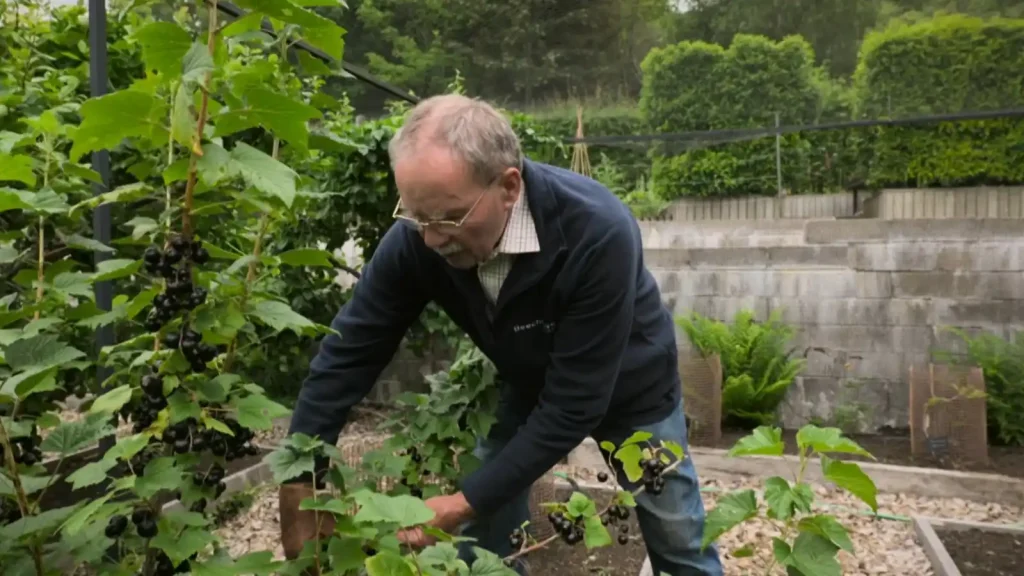
We join George in the fruit cage, a space that feels like a treasure vault at this time of year. He is surrounded by bushes laden with berries, each one a tiny, glistening jewel. With a practiced hand, he picks the first harvest, tasting the sun-warmed sweetness that simply can’t be replicated by store-bought fruit. It’s a simple, profound pleasure. This is the moment that makes all the pruning, watering, and waiting worthwhile. The vibrant colors and intense flavors are a testament to nature’s generosity and a gardener’s patient care.
Subsequently, George moves to his small-space garden, a masterclass in making the most of every inch. Here, he is gathering a diverse collection of salad produce. Imagine stepping out your back door to snip fresh, crisp lettuce, peppery rocket, and tender spinach for your lunch. His plot is a living pantry, proving that you don’t need a sprawling estate to enjoy the incredible taste of homegrown food. It’s an inspiring sight for anyone with a balcony, patio, or even just a sunny windowsill, showing how a little creativity can yield a surprisingly bountiful harvest.
Meanwhile, a friendly competition is adding a little spice to the Beechgrove air. Lizzie is diligently working on her plot, which is part of this year’s challenge. The goal is to create the most attractive and productive area, a true test of horticultural skill and artistic vision. The ultimate winner will be judged by the discerning eye of Carole, adding a layer of suspense to the proceedings. It’s a wonderful showcase of how a garden can be both a practical source of food and a stunning visual display.
This episode also takes us on delightful tangents, offering nuggets of wisdom that every gardener can appreciate. There is a special visit to a surprising green space nestled in the bustling heart of Glasgow’s city centre, a true urban oasis. Furthermore, the team shares invaluable tips on how to propagate lavender, ensuring you have a steady supply of these fragrant plants for years to come. They also tackle a common garden dilemma: how to manage unruly nasturtiums. And, in a fascinating twist, they reveal the unexpected benefits of welcoming a few humble nettles into your garden.
The Beechgrove Garden 2025 episode 15
Diving deeper into the harvest, George’s joy is infectious. The berries he picks aren’t just food; they are the sweet taste of success. For anyone wanting to create their own home garden fruit cage, this segment is packed with inspiration. It’s not just about the picking; it’s about the journey. Similarly, his salad collection is a vibrant mosaic of textures and flavors. He has cultivated a patch that provides a continuous supply of fresh greens, a true treasure chest of flavor right outside his kitchen. This approach transforms the daily task of making a salad into an exciting culinary adventure. It reminds us that the freshest ingredients often come from our own garden, nurtured by our own hands.
The competition between the presenters brings a wonderful focus to the art of garden design. Lizzie’s efforts highlight the key principles of creating a space that is both a high-yielding vegetable patch and a beautiful style garden. What does it take to impress a judge like Carole? It involves clever companion planting, where plants support each other. It means thinking vertically to maximize space and create visual interest. Moreover, it’s about using color and texture, treating the placement of vegetables and flowers with the same care as you would in a border. This friendly rivalry provides a fantastic learning opportunity, demonstrating expert garden techniques that can elevate any plot from merely functional to truly spectacular.
In the heart of the gardening season, The Beechgrove Garden 2025 episode 15 reveals the spectacular results of months of patient work, showcasing how foresight and timely intervention lead to bountiful harvests and flourishing plants. This episode serves as a masterclass in mid-summer gardening, moving from the excitement of revealing successful dahlia cuttings to the practicalities of managing established hedges and fruit bushes. It demonstrates that July is a pivotal month, not just for reaping rewards, but for setting the stage for continued productivity into the autumn.
The core message revolves around active participation in the garden’s lifecycle. Whether dealing with the aftermath of rabbit damage on a privet hedge or celebrating a bumper crop of cherries, the underlying principle is consistent: thoughtful action yields positive results. This proactive approach is crucial for tasks like fruit cultivation, where strategic pruning directly impacts the sweetness and size of the harvest. The episode champions a hands-on philosophy, encouraging gardeners to engage deeply with their plants, understand their needs, and make informed decisions that promote health and vigour.
Viewers are taken on a journey through various essential July tasks, highlighting the diversity of activities that define this peak period. The scope of The Beechgrove Garden 2025 episode 15 is comprehensive, covering everything from harvesting early crops in a small space gardening project to undertaking major renovations on woody plants. It also delves into the finer points of propagation and succession planting, ensuring that the garden remains productive and beautiful. The episode effectively illustrates that a successful garden is a dynamic environment, constantly evolving under the gardener’s care.
Foundational knowledge is built upon throughout the episode, reinforcing concepts introduced earlier in the season. For instance, dahlia cuttings taken back in May are now revealed as successfully rooted plants, ready to be potted on to develop tubers for overwintering. This long-term perspective is vital. Similarly, the use of specific pruning techniques on everything from grapevines to perennials is not just about tidiness; it is a calculated method to channel the plant’s energy towards flowering and fruiting, ensuring a more impressive display and yield later in the year.
The episode also extends its focus beyond the individual plot to embrace the wider role of gardening in society. By visiting a vibrant urban community garden, it champions the idea that growing is for everyone, regardless of whether they have a private backyard. This segment highlights the profound mental and physical health benefits of connecting with nature, even in the heart of a bustling city. It shows how shared green spaces can cultivate not only plants but also a strong sense of belonging and community among diverse groups of people.
Ultimately, the various segments tie together to present a holistic view of gardening. It is portrayed as a continuous cycle of sowing, nurturing, harvesting, and preparing for what comes next. The satisfaction derived from picking fresh, sweet fruit straight from the bush is presented as the direct outcome of careful pruning and pollination efforts made months earlier. This bridge between past actions and present rewards is a constant theme, encouraging viewers to adopt a forward-thinking and strategic approach to their own gardening endeavours.
Maximizing Yields in Small Space Gardening
One of the most inspiring segments demonstrates that a lack of space is no barrier to a productive vegetable patch. A project initiated in April, designed to fit into a small area perhaps just outside a kitchen door, is now yielding an impressive harvest. Freshly picked peas are abundant, proving the viability of this compact growing system. Alongside them, Swiss chard is ready for harvesting; its leaves can be used like spinach while the stems offer another culinary component. This illustrates the benefit of choosing multi-purpose crops in a limited area.
The principle of succession planting is expertly demonstrated as a key technique for small space gardening. After harvesting several crops of spinach from a container, the area is not left empty. Instead of discarding the seemingly finished plants, a few final leaves are plucked for use. Then, the entire container is cleared to make way for a new sowing. This ensures the small plot remains continuously productive throughout the growing season, a crucial strategy when every inch of soil counts.
Before replanting, however, the importance of replenishing nutrients is emphasized. A previous crop will have used up significant resources from the soil, so feeding is essential for the next batch of plants to thrive. A fresh mix of seeds, including turnip, radish, and pak choi, is thinly sown into the revitalized container. This quick-growing combination will provide another harvest in a relatively short period. The success of the project is further underscored by a beautiful crop of carrots, pulled fresh from their container, proving that root vegetables can also be cultivated successfully in this manner.
The episode contrasts the results from different sowing times to highlight the benefits of staggered planting. An area sown in May is now producing radish, French beans, and more peas, following on from the crops sown in April. This layered approach guarantees a continuous supply of fresh produce. It’s a powerful and practical demonstration of what can be achieved with careful planning and management, transforming even the smallest of outdoor spaces into a veritable larder.
The Art of Pruning and Propagation
Effective pruning and propagation are presented as transformative skills that can rejuvenate old plants and create new ones for free. A dramatic example is the renovation of a leggy privet hedge that had suffered from flooding and severe rabbit damage. The rabbits had eaten all the lower shoots, creating a “browse line” that left the base of the hedge bare and woody. The goal is to restore the hedge so it is dense and clothed to the base, creating an effective, draft-free screen.
To achieve this, a fascinating comparison of pruning techniques is set up. One end of the hedge is trimmed lightly, cut back to about half its height. The other end, however, receives a much more severe treatment. It is cut back almost to the ground, taking off the old, thick stems right down to where new shoots are emerging from the base. While this drastic method, referred to as doing a “George” on it, looks shocking, it is designed to stimulate a profusion of new growth from the bottom, which will ultimately create a much thicker, healthier hedge over time. Before any cutting begins, a crucial check for birds’ nests is performed, a vital step for responsible gardening.
The episode also explores more delicate propagation work. For those who love bearded irises, the period just after flowering is the ideal time to divide congested clumps. As the plants age, the corms can begin to pile on top of each other, hindering performance. Using a sharp knife, a section of the rhizome is carefully cut away from the main plant. This division can then be potted up in a greenhouse to establish before being planted out in the autumn, ensuring the vigour of the plant for years to come.
Furthermore, a detailed guide to lavender propagation shows how to take advantage of nature’s generosity. Happy lavender plants that enjoy a gritty, free-draining soil will often produce numerous seedlings. These young plants can be carefully dug up, keeping the root ball intact, and potted on individually. A special potting mix of multipurpose compost and vermiculite is recommended to ensure the free-draining conditions lavender loves. A novel tip is to add cinnamon powder to the mix, which acts as a natural fungicide, helping to protect the young roots from disease. This simple method allows a gardener to easily increase their stock of a favourite plant.
Bountiful Harvests from Homegrown Fruit Cultivation
July is celebrated as one of the “fruitiest months” at Beechgrove, the time when the rewards of season-long care become deliciously tangible. Inside the fruit house, the focus is on summer pruning to enhance the quality of the developing crop. For grapevines, this involves a precise technique: the main growth is pruned to just one leaf beyond a bunch of grapes, and all side shoots are trimmed back to a single leaf. This strategic removal of foliage channels all the plant’s energy directly into the fruit, rather than into producing excess leaves.
This same principle of fruit cultivation is applied to a fig tree. Any growth shooting directly forward, known as “breastwood,” is cut back to one or two leaves beyond the developing figs. This serves a dual purpose. It concentrates the plant’s resources into the fruit and, crucially, it opens up the canopy. Allowing more sunshine to reach the figs and grapes is what ultimately develops their sugars and makes them sweet and flavourful. This careful management is the secret behind a high-quality harvest.
The spectacular results of this diligence are showcased with a cherry tree, variety ‘Sweetheart’, laden with glistening red fruit. The abundant crop is the direct result of painstaking work in the spring, when the flowers were hand-pollinated with a small brush to ensure successful fertilization. This attention to detail has paid off handsomely, yielding a harvest described as “cherries galore.” It’s a perfect illustration of how intervention at critical stages of development leads to success.
Out in the fruit cage, the harvest continues with a stunning variety of soft fruits. Redcurrants and the richly coloured Hinnonmaki Red gooseberry are picked at the peak of ripeness. A more unusual crop, the pinkcurrant, is also harvested, noted for being slightly sweeter than its red cousin. The most impressive display, however, comes from gooseberries trained as cordons.
By removing all side shoots throughout the season, the plant’s energy has produced exceptionally large, easy-to-pick fruits, a far more manageable and rewarding system than growing them as a traditional tangled bush. Finally, a clever method for harvesting tayberries and blackcurrants is shared: prune off the entire fruiting stem and take it indoors to pick the berries comfortably, saving your back from a tedious job.
Community Gardens and Creative Plot Design in The Beechgrove Garden 2025 episode 15
Beyond the private garden, The Beechgrove Garden 2025 episode 15 explores the powerful social impact of horticulture through the Greyfriars Biophilic Garden, a green haven in the heart of Glasgow. This project provides an essential growing space for local residents who don’t have gardens of their own. With 56 raised beds, the garden’s mission is to “grow produce, we grow food, and we grow community.” It serves as a vital oasis, offering a restorative escape from the stress and noise of the city and providing clear mental and physical health benefits to its users.
The personal stories from the gardeners reveal the deep sense of connection and belonging the space fosters. One member joyfully cultivates vegetables from her native Malawi, while another has created a “bee buffet,” a plot filled entirely with flowers to support local pollinators. The garden is more than just a place to grow food; it’s a place to read, knit, and simply be in nature. A particularly poignant example of the garden’s inclusive ethos is the story of a wheelchair user. The community made specific adjustments to the garden’s layout and raised beds, ensuring he could easily navigate the space and tend to his plot, making him feel a true sense of belonging.
This theme of creative and personal expression in gardening is mirrored in the presenters’ own veg plot competition. The challenge is to create plots that are not only productive but also beautiful. One presenter’s design eschews traditional rows in favour of a layout that mimics a herbaceous border. Vegetables are planted in informal clumps and groups, creating a more naturalistic and aesthetically pleasing effect. Plants like the ‘Blauwschokker’ pea with its beautiful purple pods, vibrant Swiss chard, and a climbing Tromboncino squash are used for both their ornamental and culinary qualities.
This artistic approach is balanced with highly practical advice. When planting dwarf ‘Red Swan’ beans, it’s noted that their compact height of 45-60 centimetres means they require no staking, making them a low-maintenance choice. A crucial tip for planting onions is to ensure there is a hoe’s width of space around them. This simple foresight makes weeding significantly faster and easier, preventing the tedious task of hand-weeding between crowded plants. The episode even follows a first-time attempt at growing celeriac, planted in soil enriched with well-rotted manure to provide the consistently moist conditions the crop loves, showing that even experienced gardeners are always trying new things.
Cultivating More Than Just Plants: The Deeper Harvest of Home Gardening
As the cameras fade on this particularly rich episode of The Beechgrove Garden, we’re left with something far more valuable than a collection of gardening tips—we’ve witnessed a masterclass in the art of patient cultivation and the profound rewards it brings. George’s infectious joy as he picks sun-warmed berries from his fruit cage isn’t just about the sweetness of the harvest; it’s about the sweet taste of success that comes from months of careful tending, strategic pruning, and unwavering faith in nature’s processes.
Perhaps the most striking revelation from this midsummer showcase is how dramatically our perspective on space limitations can shift. That compact plot outside the kitchen door, continuously producing fresh salads, carrots, and beans through succession planting, demolishes the myth that meaningful food production requires sprawling acreage. Every container becomes a potential pantry, every sunny corner an opportunity for abundance. It’s a powerful reminder that gardening success isn’t measured in square footage but in thoughtful planning and creative use of what we have.
The community garden segment in Glasgow’s city center adds another crucial dimension to our understanding of what gardens truly offer. Beyond the obvious benefits of fresh produce and beautiful spaces, these shared plots become laboratories for human connection and healing. When we see a gardener lovingly tending vegetables from her native Malawi or witness the community rallying to make raised beds accessible for a wheelchair user, we understand that gardens grow far more than plants—they cultivate belonging, purpose, and wellbeing.
The technical mastery displayed throughout the episode—from the dramatic hedge renovation to the precise summer pruning of grapes and figs—underscores a fundamental truth about gardening: knowledge transforms effort into artistry. That seemingly harsh cut back to ground level isn’t destruction; it’s strategic renovation that will yield a fuller, healthier hedge for years to come. The careful removal of excess foliage from fruit trees isn’t merely tidying; it’s channeling energy toward sweetness and abundance.
What makes this episode particularly compelling is how it bridges the gap between immediate gratification and long-term vision. Those dahlia cuttings taken in May are now robust plants ready for potting on, while today’s summer pruning sets the stage for next year’s harvest. This cyclical thinking—always preparing for tomorrow while enjoying today’s rewards—is perhaps the most valuable lesson any gardener can embrace.
As we stand at the threshold of our own garden adventures, whether tending a single windowsill herb pot or managing extensive plots, this episode offers a profound invitation: to see beyond the plants themselves to the deeper connections they foster. Every seed we sow, every cutting we take, every harvest we celebrate becomes part of a larger conversation with the natural world and our communities.
The real magic isn’t just in watching things grow—it’s in growing ourselves through the process, discovering resilience in our plants and patience in our practice, and finding that the most abundant harvests often happen not in our gardens, but in our hearts and relationships. Now that’s a crop worth cultivating.
FAQ The Beechgrove Garden 2025 episode 15
Q: What makes The Beechgrove Garden 2025 episode 15 special for mid-summer gardening?
A: This episode captures the magical peak of growing season when gardens burst with abundance. Additionally, it showcases how months of patient work transform into bountiful harvests, featuring George’s fruit cage treasures and innovative small-space gardening techniques that maximize every inch of growing area.
Q: What harvesting activities does George demonstrate in his fruit cage?
A: George picks sun-warmed berries including redcurrants, gooseberries, and pinkcurrants at peak ripeness. Furthermore, he demonstrates smart harvesting techniques like pruning entire fruiting stems indoors for comfortable berry picking, while showcasing cordon-trained gooseberries that produce exceptionally large, easy-to-harvest fruits.
Q: How does the episode showcase effective small-space gardening solutions?
A: The episode proves that compact plots can yield impressive harvests through strategic planning. Moreover, George’s kitchen-door garden produces continuous salads, peas, Swiss chard, and carrots in containers, demonstrating how creative use of limited space creates a living pantry for fresh, homegrown produce.
Q: What is succession planting and why is it crucial for small gardens?
A: Succession planting involves immediately replanting after harvesting to maintain continuous production. Consequently, this technique prevents empty containers and maximizes yield from limited space. The episode shows how clearing finished spinach and replanting with turnip, radish, and pak choi ensures year-round fresh harvests.
Q: What dramatic pruning techniques are demonstrated in the episode?
A: The episode features a striking privet hedge renovation, comparing light trimming against severe cutting to ground level. Notably, the dramatic “George” method stimulates new growth from the base, ultimately creating a denser, healthier hedge despite appearing shocking initially.
Q: How does summer pruning enhance fruit cultivation quality?
A: Strategic summer pruning channels plant energy directly into fruit development rather than excess foliage. Specifically, grapevines are pruned to one leaf beyond grape bunches, while fig trees have forward-growing shoots trimmed back, allowing more sunshine to reach developing fruits and enhance sweetness.
Q: What is the Greyfriars Biophilic Garden featured in this episode?
A: This urban oasis in Glasgow’s city center provides 56 raised beds for residents without private gardens. Additionally, it demonstrates gardening’s social impact by fostering community connections, supporting mental health, and creating inclusive spaces where wheelchair users can participate fully in growing activities.
Q: What gardening competition takes place between the Beechgrove presenters?
A: Lizzie participates in a challenge to create the most attractive and productive vegetable plot. Furthermore, this competition showcases how gardens can blend functionality with beauty through clever companion planting, vertical growing techniques, and artistic placement of colorful vegetables alongside ornamental plants.
Q: What plant propagation methods are shown throughout the episode?
A: The episode demonstrates dividing bearded iris rhizomes after flowering and propagating lavender from natural seedlings. Interestingly, it includes a novel tip about adding cinnamon powder to potting mix as a natural fungicide, protecting young roots while establishing new plants in free-draining conditions.
Q: What key gardening philosophy does this episode emphasize for viewers?
A: The episode champions active participation in garden lifecycles, emphasizing how thoughtful action yields positive results. Ultimately, it demonstrates that successful gardening requires forward-thinking strategy, connecting past efforts with present rewards while preparing for future seasons through continuous learning and adaptation.