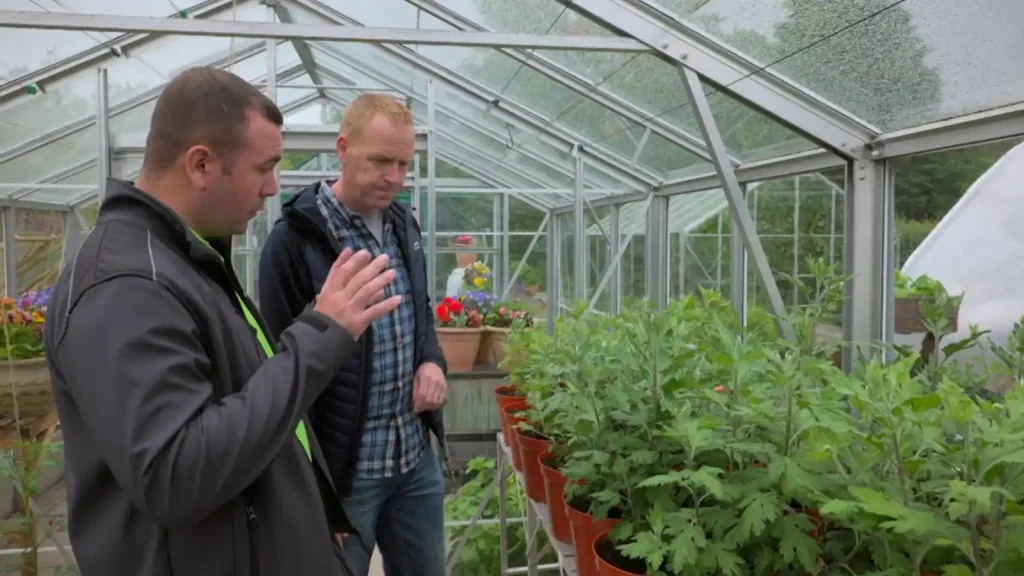
The Beechgrove Garden 2025 episode 14: It’s July at The Beechgrove Garden, and with the arrival of high summer, the garden pulses with energy and expectation. This week, the spotlight is on harvesting—a deeply rewarding part of the gardening journey where patience meets payoff. You can almost hear the rustle of crops ready to reveal their bounty, and there’s a certain joy in rolling up your sleeves and getting your hands into the soil.
Last year, on the winter solstice—the shortest day of the year—Calum sowed shallots in pots, tucking them safely inside the greenhouse like little secrets waiting for spring. Through frost-kissed mornings and the quiet hush of winter, they sat patiently. Come spring, they found their place in the open soil, and now, six months later, they’re plump and golden, eager to be lifted, admired, and, of course, tasted.
Potatoes have their own tale to tell. Calum’s first early batch, planted in April last year, has weathered the seasons in silence. There’s something almost magical about digging up potatoes—you never quite know what treasure the earth has been hiding. With each forkful, there’s a spark of discovery, a gardener’s version of uncovering buried gold.
But it hasn’t all been smooth growing. A relentless dry spell, followed by a stretch of heavy rain, has left the Beechgrove lawns looking a little weary. It’s the kind of weather that tests not just the resilience of plants, but the patience of gardeners. The grass, once vibrant, now bears the scars of summer’s extremes and is in need of gentle recovery.
Brian turns his attention to a more relaxed approach—letting areas of the lawn grow wild. It’s a subtle but powerful shift in perspective. Where once we saw untidy grass, we now recognize a haven for bees, butterflies, and wildflowers. It’s a quiet celebration of nature’s rhythm, a small act that echoes with environmental significance.
At its heart, The Beechgrove Garden 2025 episode 14 is about balance—between nurture and nature, structure and spontaneity. As the team moves through July’s garden tasks, there’s a refreshing honesty in every scene: not everything is perfect, and that’s perfectly okay.
There’s something deeply satisfying about harvesting your own produce. It’s more than just food—it’s the culmination of weeks, even months, of care. Watching shallots mature from tiny bulbs into robust, flavorful ingredients is a reminder of gardening’s quiet promise: what you sow, with patience and attention, will grow.
Digging up potatoes brings a different kind of joy. It’s tactile and earthy, with the satisfying clink of fork meeting tuber. Each variety offers something unique—from creamy textures to nutty undertones—and brings a freshness that supermarket shelves can’t replicate. If you’ve ever tasted a just-dug potato, you’ll know it’s like biting into sunlight and soil all at once.
Extreme weather can leave your lawn looking parched or patchy. The Beechgrove team knows that proper recovery takes more than a quick mow. This episode offers timely advice on restoring tired grass: aerating compacted soil, reseeding sparse patches, and allowing for recovery time. It’s a reminder that gardens, like people, need rest and rejuvenation after stress.
Moreover, the team encourages you to think differently about lawn perfection. Brian’s segment on wild patches opens a conversation about how we define beauty in our gardens. Letting grass grow long might seem counterintuitive, but it invites biodiversity and brings subtle beauty—like oxeye daisies swaying in the breeze or bees diving into clover flowers.
The Beechgrove Garden 2025 episode 14
In The Beechgrove Garden 2025 episode 14, the focus shifts to the rewarding tasks of summer, where months of patient cultivation culminate in harvesting and essential maintenance. This period in the gardening calendar represents a critical transition. It is a time for gardeners to reap the rewards of their spring labour while simultaneously preparing plants for the seasons ahead. The episode showcases a garden teeming with life, from burgeoning vegetable plots to flourishing ornamental displays, offering a wealth of practical guidance.
The journey from seed to supper is a long one, often beginning in the darker, colder months of the year. This forward planning is central to successful gardening. For instance, some crops highlighted were started as far back as the shortest day of the year, underscoring the patience and foresight required. As the longest day passes, the garden signals that it is time to gather its bounty. This episode beautifully illustrates this cycle, connecting past efforts with present rewards and future planning.
Covering a diverse range of topics, The Beechgrove Garden 2025 episode 14 provides insights for every type of garden enthusiast. Viewers are guided through the process of harvesting early potatoes and shallots, two staples that signify the start of the summer harvest. Furthermore, the programme delves into nuanced approaches to lawn care, contrasting the creation of a wildlife-friendly meadow with techniques for maintaining a pristine, green sward. The episode also explores the artistic side of garden design through the lens of a Japanese-style garden.
These activities are built upon a foundation of consistent care throughout the growing season. Many plants require specific attention during the summer months to ensure they reach their full potential. This ongoing work is just as important as the initial planting. A perfect example is the cultivation of chrysanthemums, which demand targeted feeding and pruning to produce spectacular autumn flowers. This nurturing process is a microcosm of the gardener’s role throughout the year.
The episode demonstrates that successful gardening involves a partnership with nature, observing its cues and responding accordingly. For example, chrysanthemums are given a high-nitrogen feed to encourage the lush, leafy growth necessary for later blooms. The visual difference between fed and unfed plants is striking. This highlights a key principle: providing the right nutrients at the right time is fundamental. This attention to detail ensures a thriving and productive garden.
This philosophy of observation and response extends to all areas of the garden. From knowing when to lift alliums based on their foliage to understanding how to create a perfect sound from a water feature, the expert advice shared encourages a deeper connection with the green spaces we cultivate. These lessons provide a solid framework for tackling the key jobs of midsummer, ensuring both healthy plants and happy gardeners.
Cultivating and Harvesting Alliums and Tubers
One of the great joys of summer is harvesting the first vegetable crops. The episode provides a detailed look at lifting shallots, which were planted on the shortest day of the year. Now, just after the longest day, they are ready for harvest. The transformation from a single planted bulb into a substantial clump of six or seven shallots showcases their impressive multiplication. This process demonstrates the value of patience in the vegetable plot.
Harvesting is done carefully with a garden fork, lifting the clumps and gently shaking off the excess soil. A key indicator that shallots are ready is the state of their foliage; it begins to turn yellow and flop over. The programme features several varieties to ensure a continuous supply, including the sweet Jermor, Red Sun, and Golden Gourmet. This practice of succession planting allows for a prolonged harvest period over several weeks.
Once lifted, proper curing is essential for long-term storage. The shallots are placed on drying racks in a glasshouse for about two weeks. This drying process is crucial, as perfectly cured shallots can be stored for six to eight months in mesh bags. The episode also addresses a common issue known as bolting, where the plant flowers prematurely due to stress from temperature fluctuations or inconsistent watering. If this occurs, the flower stalk should simply be cut off.
The team then turns its attention to the much-anticipated first early potatoes. Typically, these are ready about 14 weeks after planting. A good sign that tubers are forming below ground is the appearance of flowers on the plant, which some gardeners prefer to remove to direct all energy into the crop. To harvest, one can gently rummage in the soil by hand or use a fork, being careful not to spear the potatoes.
A taste test of three varieties reveals a clear winner. Casablanca is a versatile all-rounder, good for boiling, mashing, or chipping. Sharpe’s Express is an heirloom variety primarily used for boiling. However, the standout is Lady Cristl, which was grown in a pot inside a glasshouse. This method gave it an advantage, leading to an impressively large crop from just three small seed tubers. Not only did it produce the biggest yield, but it was also voted the best for flavour and texture, proving the value of experimenting with different growing techniques.
The Art of Lawn Management and Meadow Creation
Lawn care in summer can be a point of debate among gardeners, and the episode explores two distinct philosophies. The first champions a move beyond “No Mow May” by allowing lawns to grow long throughout June and July. This approach transforms a simple patch of grass into a vibrant, pollen-rich meadow. This extended growth provides a vital habitat for small creatures and a feast for bees, butterflies, and other pollinators.
This method encourages a beautiful tapestry of wildflowers. The programme highlights a lawn blooming with oxeye daisies, knapweed, red and white clover, buttercups, and scrambling vetch. The discovery of a purple orchid is presented as the ultimate sign of a healthy, thriving ecosystem. This wilder lawn also becomes a habitat for insects like blue butterflies, ladybirds, and froghoppers, whose protective “cuckoo spit” is a common sight.
Maintaining this meadow requires a specific approach. In September, the entire area is cut down. The clippings are then left in place for three to seven days during a dry spell. This allows the seeds from the wildflowers to drop onto the soil, ready to germinate for the following year. To maintain a sense of order, the episode suggests cutting a neat strip around the edge of the meadow and mowing a meandering path through it. This frames the wildness, making it look intentional rather than neglected.
For those who prefer a tidier look, a compromise is offered. This involves cutting a patch of lawn every three weeks using a high blade setting. This frequency is less disruptive than a weekly cut. It allows some low-growing flowers, such as clover and buttercups, to bloom between mows. This method strikes a balance, creating a space that is neat enough for recreation while still offering some benefits to wildlife. It serves as a practical middle ground for the modern gardener.
Summer Lawn Repair and Maintenance in The Beechgrove Garden 2025 episode 14
Even the most well-maintained lawn can suffer from bare patches during the summer. The Beechgrove Garden 2025 episode 14 offers a clear, step-by-step guide to repairing these areas. The first step is to correctly diagnose the problem. Yellowing grass is often just stressed and can recover with water and a monthly liquid seaweed feed. However, grey patches indicate the grass is dead and requires reseeding.
The repair process is the same for both dead patches and bare earth. First, use a rake to remove any dead material. This action also serves to rough up the soil surface, creating an ideal seedbed for new growth. Once the area is prepared, scatter a generous amount of grass seed over it. This ensures good coverage and a thick, lush result.
To further improve germination, the experts recommend creating a special seed and compost mixture. This is made by layering compost and grass seed in a container and mixing it by hand. Spreading this mixture over the prepared patch provides a nutrient-rich and protective environment for the seeds. An additional scattering of seed over the top acts as a decoy for birds, ensuring plenty remains to germinate. For gardens with many birds, covering the patch with fleece is a good protective measure.
Finally, gently pat the area down to ensure good contact between the seed and the soil. The key to success is keeping the patch moist but not waterlogged, always remembering to follow any local water restrictions. With sufficient moisture and warmth, germination should occur within about ten days. The first cut should wait until the new grass is about six inches tall, at which point it can be trimmed by half. Subsequent cuts can match the height of the rest of the lawn. This summer repair prevents weeds from taking hold and keeps the lawn looking its best.
Designing with Water and Plants in The Beechgrove Garden 2025 episode 14
A significant segment of The Beechgrove Garden 2025 episode 14 explores the creation of a Japanese-style garden, focusing on water as a key design element. This garden style is built on creating harmony and balance between three vital elements: flowing water, symbolising life; stones, representing strength and stability; and plants, reflecting the four seasons. The interaction between these elements, and the viewer’s interaction with them, is paramount.
The goal when creating a water feature is to achieve a soothing and natural effect, avoiding what the episode calls a “Niagara Falls effect” of too much water flowing too quickly in a small space. The sound of the water is a critical component. By listening deeply, one can distinguish the different tones, from the deep bass of water falling into a pool to the gentle babble of it tumbling over rocks. Achieving the perfect sound is an art that can take months of subtle adjustments.
The construction of a waterfall uses smooth, rounded stones, preferably with moss, to guide the water. Moving a single stone by a small amount can completely alter the sound and texture of the water’s flow. The placement of larger rocks at the bottom of a fall helps the water ripple gently rather than splash harshly. This meticulous process is inspired by nature, aiming to create a scene that looks and feels as if it has always been there.
Plants play a crucial role in integrating the water feature into the wider garden. Water-loving plants like grasses and irises add verticality and help slow the water flow. To soften the hard edges of stones and ponds, plants with trailing and spilling habits are used. The episode suggests creeping thyme for its fragrance, along with creeping jenny, saxifrage, ferns, and geraniums. The variety of foliage textures and shades of green creates a sense of movement and contributes to a calming atmosphere, completing the sanctuary.
The Garden’s Greatest Lesson: Embracing Time and Trusting the Process
As the summer sun reaches its peak and The Beechgrove Garden reveals its seasonal secrets, perhaps the most profound lesson isn’t found in any single technique or tip—it’s woven throughout every lifted shallot, every patch of wildflower meadow, and every carefully placed stone in a water feature. This is the art of gardening with intention while surrendering to nature’s timeline.
Think about those shallots, planted on the year’s shortest day when the earth felt dormant and hope seemed buried beneath frost. Six months later, what began as single bulbs had multiplied into golden clusters, each one a testament to the gardener’s faith in unseen processes. This isn’t just about vegetables—it’s about understanding that the most rewarding pursuits in life often require us to plant seeds in winter and trust that summer will come.
The episode’s exploration of lawn philosophy beautifully illustrates how gardening mirrors our broader relationship with control and wildness. Brian’s approach to letting grass grow long isn’t rebellion against order—it’s recognition that sometimes the most beautiful outcomes emerge when we step back and let nature lead the dance. That purple orchid discovered in the unmown meadow didn’t appear because someone planned it; it emerged because someone created space for surprise.
Yet the program also honors the value of intentional care. The meticulous process of adjusting a single stone to perfect a waterfall’s song, the careful timing of chrysanthemum feeding, the patient curing of harvested shallots—these acts remind us that partnership with nature requires both surrender and skill. The Japanese garden segment captures this beautifully: true harmony comes not from imposing our will, but from understanding natural patterns and working within them.
For those of us watching from our own gardens, whether they’re sprawling country plots or small urban balconies, this episode offers more than seasonal tasks—it provides a framework for thinking about growth itself. The taste test that crowned Lady Cristl as the potato champion wasn’t just about variety selection; it demonstrated how small experiments and willingness to try new approaches can yield unexpected rewards.
The lawn repair segment, with its practical step-by-step guidance, embodies something essential about gardening: problems aren’t failures, they’re opportunities to learn and improve. Every bare patch is a chance to practice patience, every yellowing section a moment to diagnose and nurture back to health.
As we move deeper into summer, consider adopting the Beechgrove approach: plant with purpose, tend with care, but leave room for wildness. Start planning your next season’s ambitions while fully embracing this one’s rewards. Whether you’re lifting your first homegrown potato or discovering an unexpected flower in your own patch of unmown grass, remember that every garden—like every gardener—is a work in progress.
The earth is patient with us. Perhaps it’s time we learned to be patient with ourselves, trusting that what we plant today, whether seeds or intentions, will find their way to the light in their own perfect time.
FAQ The Beechgrove Garden 2025 episode 14
Q: What is The Beechgrove Garden 2025 episode 14 about?
A: The Beechgrove Garden 2025 episode 14 focuses on summer harvesting and garden maintenance. Additionally, it explores the balance between nurture and nature, featuring shallot and potato harvesting, lawn care philosophies, and Japanese-style garden design. Furthermore, the episode demonstrates how months of patient cultivation culminate in rewarding summer tasks.
Q: When should I harvest shallots and what are the signs they’re ready?
A: Shallots are ready for harvest when their foliage begins turning yellow and flopping over. Moreover, shallots planted on the winter solstice are typically ready just after the longest day of the year. However, the key indicator remains the yellowing foliage, which signals the bulbs have finished developing underground.
Q: How do I properly cure and store harvested shallots?
A: After harvesting, place shallots on drying racks in a glasshouse for approximately two weeks. Subsequently, properly cured shallots can be stored for six to eight months in mesh bags. Additionally, if shallots bolt prematurely due to temperature stress, simply cut off the flower stalk to redirect energy into bulb development.
Q: What’s the best method for harvesting early potatoes?
A: Early potatoes are typically ready about 14 weeks after planting. Furthermore, flowering plants indicate tubers are forming below ground. Consequently, you can harvest by gently rummaging in the soil by hand or using a fork. However, be careful not to spear the potatoes during the digging process.
Q: Which potato variety performed best in The Beechgrove Garden taste test?
A: Lady Cristl emerged as the clear winner in the potato taste test. Moreover, this variety was grown in a pot inside a glasshouse, giving it a significant advantage. Additionally, Lady Cristl produced the biggest yield from just three seed tubers while delivering the best flavor and texture, demonstrating the value of experimenting with growing techniques.
Q: Should I let my lawn grow wild or maintain it traditionally?
A: Both approaches have merit depending on your priorities. Furthermore, wild lawns create vibrant, pollen-rich meadows that support bees, butterflies, and other pollinators. However, traditional maintenance offers a tidier appearance. Additionally, a compromise involves cutting every three weeks with a high blade setting, allowing some wildflowers to bloom between mows.
Q: How do I repair bare patches in my summer lawn?
A: First, rake away dead material to create an ideal seedbed. Subsequently, scatter generous amounts of grass seed over the prepared area. Additionally, create a special mixture by layering compost and grass seed, then spread this nutrient-rich combination over the patch. Finally, gently pat down and maintain consistent moisture for optimal germination.
Q: What’s the difference between stressed and dead grass?
A: Yellowing grass is often just stressed and can recover with water and monthly liquid seaweed feed. However, grey patches indicate the grass is dead and requires reseeding. Additionally, proper diagnosis is crucial because stressed grass needs nurturing, while dead grass needs complete replacement through the reseeding process.
Q: How do I create a soothing Japanese-style water feature?
A: Japanese water features balance three elements: flowing water, stones, and plants. Moreover, avoid the “Niagara Falls effect” by controlling water flow speed. Additionally, use smooth, rounded stones with moss to guide water flow. Furthermore, achieving the perfect sound requires months of subtle adjustments, moving single stones to alter the water’s tone completely.
Q: What plants work best around water features?
A: Water-loving plants like grasses and irises add verticality while slowing water flow. Additionally, trailing plants such as creeping thyme, creeping jenny, saxifrage, ferns, and geraniums soften hard stone edges. Furthermore, the variety of foliage textures and green shades creates movement and contributes to a calming atmosphere, completing the garden sanctuary.