Gardening Australia 2025 Episode 35 offers a comprehensive journey through the diverse world of horticulture. It explores visionary private gardens, urban biodiversity projects, and practical advice. The episode balances grand-scale inspiration with accessible, everyday tips. This blend caters to seasoned gardeners and newcomers alike. It demonstrates how thoughtful planting can transform any space.
This focus on transformation is crucial for modern Australian gardening. Gardeners face challenges from climate, space, and pests. However, the solutions often lie in creative garden design. This includes selecting resilient plants and fostering local ecosystems. The episode provides expert guidance on these very topics.
Viewers of Gardening Australia 2025 Episode 35 discover diverse approaches. Tammy explores a magnificent country garden built from scratch. Sophie shares her expertise on plants for challenging shady areas. Jane visits a garden steeped in decades of horticultural history. Josh, meanwhile, investigates a verge garden brimming with native plants.
This episode of gardening australia highlights innovative designers. A world-renowned professor explains the science behind ecological planting. His work shows how urban spaces can become vital natural havens. This scientific approach complements the hands-on, practical segments. The episode champions a deep understanding of plants and process.
It also empowers viewers with diy gardening solutions. Hannah offers simple garden hacks for managing persistent rodents. Other segments provide quick tips on propagation and plant selection. These segments demystify common problems. They provide clear, actionable steps for improving a home garden.
The program transitions smoothly between these diverse stories. It connects the ambition of a three-hectare estate to the humility of a single tubestock. Each segment reinforces a central theme. Thoughtful, informed gardening creates beauty, supports wildlife, and enriches human life. The journey begins in the Hartley Valley, northwest of Sydney.
Gardening Australia 2025 Episode 35
Crafting a Vision from a Blank Canvas
Tammy visits Highfield Gardens, a stunning three-hectare, 10-year-old project. It is the collaborative vision of plantsman David Kennedy and his partner, Andrew Dunshea. They began with a bare “cow paddock” in the Hartley Valley. Their goal was to create a world-class show garden. The land offered expansive views, which they carefully preserved.
They achieved this by designing approximately 20 distinct garden rooms. The design ensures that vistas remain open as one moves through the spaces. David and Andrew started with no buildings, just a plan drawn on paper. This blank canvas allowed them to craft a truly incredible landscape.
One of the key areas is the 1,000-square-meter Dry Garden. This space is set on three levels and features Australian Toona trees. It also required a robust double windbreak. This barrier of conifers and purple-leafed Cootamundra wattles protects the garden. It shields plants from strong winds coming from Oberon.
The Dry Garden relies on a Mediterranean planting scheme. It includes salvias, euphorbias, grasses, and buddleias. The garden receives no supplemental water. David’s philosophy is simple: “It’s either survive, thrive or die.” This tough-love approach demonstrates how to create a beautiful garden without water. David and Andrew also built all the stone walls and stairs themselves. They sourced the stone onsite, with paths made from neighbouring Oberon’s bluestone.
Nearby, the Cottage Garden overflows with roses. David, who once disliked roses, now cultivates over 800 varieties. He favors old-fashioned types for their relaxed form. Standouts include Crepuscule, Rosa Albertine, and Complicata. His favorite modern rose is Silver Ghost. It features clean foliage and masses of single white flowers.
Another section, the Prairie Garden, uses a naturalistic style. It combines perennials, grasses, and self-seeding annuals. Siberian iris and annual poppies fill the gaps. David is currently shifting the palette from pastels to hot colors. This area features rare plants like Amsonia. This tough American prairie plant has deep roots and blue flowers.
The original soil at Highfield was “absolute rubbish.” David described it as “like concrete,” requiring a crowbar for planting. They brought in graders to rip the soil. Amendments included gypsum, compost, and cow manure. The manure unfortunately introduced weeds, a significant problem. Weeding now accounts for 50% to 60% of their garden time.
At the property’s lowest point lies the Water Garden. This serene area features a series of ponds. It houses David’s collection of Galanthus, trilliums, and epimediums. Japanese maples, conifers, and waterlilies surround the ponds. The area faces challenges from shifting rainfall patterns. It experiences both “feast or famine.”
The highlight of the Water Garden is the Itoh peonies. These are intersectional hybrids of herbaceous and tree peonies. David praises them as tough, resilient, and easy-care. They offer a huge color range and hold their flowers high. For growing, David recommends planting them with cow manure, blood and bone, and dolomite.
Solutions for Common Garden Challenges
The episode also provides solutions for common garden problems. One segment addresses how to convert a grassy area into a garden bed. The recommended method is smothering, not herbicides. One can use cardboard or corrugated iron. This “cooks” the grass off.
An important tip is to avoid permanent plantings immediately. Instead, plant annual vegetables for the first season. This allows the gardener to manage any returning grass runners. Once the runners are gone, permanent plantings can go in.
Another tip tackles the dragon fruit, or pitaya. This plant originates from Central and South America. In a Perth climate, it takes about three years to bear fruit from a cutting. It requires a good, straight post to climb. The plant bears fruit on the laterals that grow from the side.
For tricky steep slopes, the Mexican sage bush (Salvia leucantha) is an excellent choice. This plant has a creeping, running pattern. It will slowly colonize and take over the space. Gardeners can also dig up and subdivide the plant. This allows them to spread it across the garden.
Embracing the Shade
Many gardeners struggle with shady spots, but these areas have great potential. Philodendron Xanadu, for example, can thrive in protected gardens. While often sold as an indoor plant, it grows well outdoors in warm, frost-free climates. It requires adequate shade. If its leathery, dark green leaves turn pale, it is getting too much sun.
Sophie provides more options for shady characters. She notes that shade delivers shelter, cooling, and habitat. She cautions against common, tough shade plants that can become invasive. These include oyster plant, Dietes, and English ivy.
Instead, Sophie suggests reliable “set-and-forget” greenery. Clivia is a favorite. It has dark, glossy leaves and handles root competition. Its flowers appear in late winter in shades of orange, cream, or red. Bergenia, or elephant’s ears, is another hardy, clump-forming perennial. It offers leathery leaves and pink or white flowers.
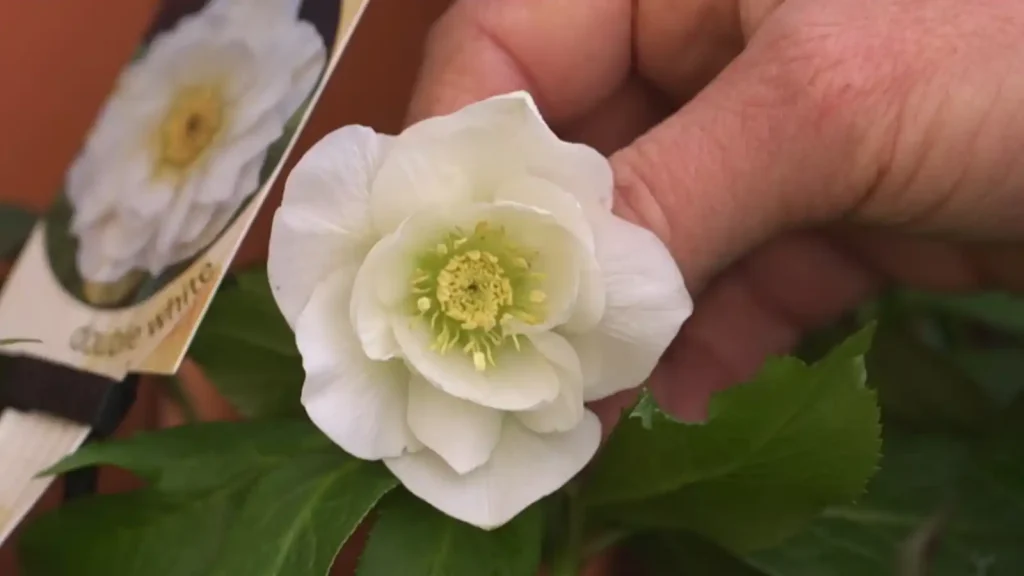
For more color, hellebores, or winter roses, are breathtaking. They flower in winter and spring under deciduous trees. Plectranthus is another versatile family, ranging from ground covers to shrubs. The Australian native Plectranthus argentatus, or silver spurflower, has silvery foliage. This foliage brightens dark areas. Plectranthus ecklonii provides stunning violet-blue flower spikes in autumn.
Hydrangeas remain a beloved choice for part shade. They require moisture, especially in dry months. Heucheras provide a splash of foliage color in small spaces or pots.
For feature plants, Sophie recommends bird’s nest ferns. They grow well outside in moist, frost-free shade. The tractor seat plant provides big, bold leaves for a tropical feel. Japanese windflowers create a beautiful picture in autumn with their daisy-like flowers. Finally, Pieris is an evergreen shrub needing moist, acid shade. It produces beautiful sprays of white or pink flowers.
A Biodiverse Verge for Urban Wildlife
In Leda, south of Perth, Josh visits an inspiring urban garden. Homeowner Behrooz Eslam has transformed his property. He was drawn to the north-facing corner block, which sits opposite bushland. His goal was to create biodiversity and habitat. His 500-square-meter block is now mostly garden, containing over 200 plants.
Behrooz started with a lawn of couch grass. His diy gardening process began by hiring a bobcat. It removed 10cm of topsoil. He then added soil conditioner, wet cardboard, and mulch. He chose to plant tubestock. This was cheaper and had a good success rate. He consulted a local nursery for plants suited to his sandy limestone soil.
He deliberately hand-waters everything. This serves multiple purposes. It allows him to give seedlings more water than mature plants. It also acts as his meditation time. Furthermore, it serves as a “security system.” Watering by hand lets him connect with neighbors walking past.
Behrooz has planted many native plants. His favorites include Grevillea ‘Red Dragon’, which grew quickly and attracts bees. A massive Grevillea crithmifolia ground cover grew from one tubestock. It now spans six meters wide. His Banksia prionotes attracts endangered Carnaby’s cockatoos.
The verge itself is council land. However, the council encourages habitat creation. They even offer an annual subsidy for 20 native plants. Behrooz must prune plants to maintain sightlines for traffic. He also keeps services like the nbn pit clear. As a teacher, Behrooz shares his passion with students. He hopes to inspire them to plant even one shrub.
A Living History of Australian Gardening Trends
Jane visits Warran Glen, an elegant garden in Warrandyte, Melbourne. The two-hectare property was once an old goldmining site. Andrew Raper’s parents, Alan and Barbara, bought it in 1965. They established a nursery and display garden. It was designed to showcase new plants arriving from overseas.
This garden is a living timeline of Australian gardening trends. It began with cacti and succulents in the 1960s. Trees became popular in the ’70s and ’80s. Maples followed in the ’80s and ’90s. Andrew’s father, Alan, was a trendsetter who loved trees.
The garden’s conifer collection is a testament to that era. A 55-year-old giant Californian sequoia stands 20 meters tall. Swane’s golden pencil pines, popular in the 1970s, create a strong statement. Other highlights include the weeping Kashmir cypress. A weeping blue Atlas cedar was grafted by Alan himself.
The deciduous trees are equally impressive. The garden features beautiful maples, planted before they were popular. Andrew’s favorite tree is the ‘Frosty’ elm (Ulmus parvifolia ‘Frosty’). It has a natural umbrella shape and hardy, variegated leaves. It is a well-behaved alternative to the weedy Chinese elm.
Andrew Raper grew up at Warran Glen. He fondly recalls it having a zoo licence to attract customers. The family sold the business in 2004 after facing drought and retail competition. Andrew notes the nursery industry is always evolving. He believes “destination nurseries” are the future.
Practical Rodent Control for Home Gardeners
Hannah tackles the problem of pesky rodents. She focuses on introduced black rats, brown rats, and house mice. These animals are attracted to gardens for warmth, shelter, and food. They can quickly destroy crops, as Hannah’s kohlrabi patch demonstrated.
Rodent hot spots are often compost systems and worm farms. Hannah’s worm farm, made from a bathtub, has a heavy, solid lid. This creates a “Fort Knox” for rodents. For compost bins, rats often burrow underneath. Hannah’s solution is to place the bin on vermin wire mesh. She folds the edges up, stopping rats while allowing worms to enter.
Chicken yards are another haven. Hannah advises feeding animals food scraps only in the morning. This ensures the food is gone before rodents emerge at night. Animal feed should be stored in rodent-proof metal bins.
Hannah also showcases a rodent-resistant chicken feeder. It is made from a plastic bucket hung from a metal rod. Chickens must peck a toggle to release small amounts of feed. This system keeps feed contained and off the ground.
She also recommends fixing dripping taps to remove water sources. Traps can be used, but poison is a last resort. If using poison, Hannah stresses finding first-generation bait with warfarin. This active ingredient breaks down quickly. It prevents the secondary poisoning of native wildlife that might eat the rat. Prevention by removing food, water, and shelter remains the best cure.
Gardening Australia 2025 Episode 35 and the Science of Planting Design
The episode also features Professor James Hitchmough. He is a world-renowned landscape architect from the University of Sheffield. His goal is to design vegetation that supports local biodiversity. He explains that a complexity of plant species creates a complexity of spatial form. This, in turn, creates niches for other organisms.
Professor Hitchmough’s career was heavily influenced by Australia. His first job was at the University of Melbourne’s Burnley campus. He was inspired by the native grasslands of Victoria’s western plains. He began researching how to use these native plants in urban garden design. This work led him to co-design the London Olympic Park. He created 10 hectares of native wildflower meadows.
He is now working on the Melbourne Arts Precinct project. The garden, named Laak Boorndap, will be 18,000 square meters. Trial gardens are currently underway on the Burnley roof. They are testing plants in substrate depths of 100mm, 200mm, and 300mm. The design must be resilient. It needs to survive Melbourne’s future climate, which is projected to resemble Dubbo’s.
Professor Hitchmough explains his layered garden design method. He sees vegetation in three layers. The base layer (0-30cm) is the most dominant. The emergent “bump” layer (up to 60cm) is next. Finally, a tall emergent layer (1-2m) is the most sparse. This structure allows light in and creates dynamism. He notes that while it looks random, it is a creative and “very science-based process” using spreadsheets and ratios. He hopes this project elevates vegetation in cities. He argues it is not a “nice-to-have,” but an “essential-to-have” for a resilient future.
Weekend Jobs from Gardening Australia 2025 Episode 35
Cool-temperate gardeners can finally plant tomatoes. It is wise to sow early, mid, and late-season varieties to extend the harvest. Gardeners can also take softwood cuttings from hydrangeas. It is also a good time to sow fine French herbs like chervil, tarragon, parsley, and chives.
In warm-temperate gardens, roses are growing fast. Delicate new water shoots should be staked to prevent snapping. Watermelon seeds, like the compact ‘Sugar Baby’, can be planted. Softwood cuttings of mint, basil, rosemary, and salvias can be struck.
Subtropical gardeners should apply liquid potash. This boosts flowering and fruiting on perennials, palms, and mangoes. It is a critical time to manage environmental weeds before they set seed. If dill is bolting, the seeds can be collected for pickling mixes.
Tropical gardeners can plant banana suckers. Sweet potato slips can be planted below them as a living mulch. Pigeon pea is another great choice. It acts as a windbreak, a green manure, and provides edible seeds.
Finally, arid gardeners can try growing a caper plant. This tough, deciduous shrub loves a hot, dry climate. Gardeners should inspect plants for thrips, which cause distorted leaves. If irrigation is available, it is a good time to plant heat-tolerant eggplants.
Growing Forward: Your Garden as a Living Legacy
The stories woven throughout this episode of Gardening Australia reveal a profound truth: every garden, regardless of scale, represents an act of faith in the future. Whether David Kennedy transforms three hectares of unforgiving paddock into a tapestry of 20 garden rooms, or Behrooz Eslam plants a single tubestock grevillea on his suburban verge, both gardeners share the same essential optimism. They believe that careful choices made today will yield beauty, biodiversity, and belonging tomorrow.
This optimism feels particularly vital as Australian gardeners navigate an increasingly unpredictable climate. The episode doesn’t shy away from these challenges—Professor Hitchmough’s Melbourne Arts Precinct project explicitly designs for a future climate resembling Dubbo’s, while David Kennedy’s “survive, thrive or die” Mediterranean garden demonstrates water-wise resilience in action. Yet rather than presenting these realities as reasons for despair, the program frames them as invitations to garden smarter. The solutions are everywhere: native plants that support endangered Carnaby’s cockatoos, shade gardens that create cooling microclimates, layered planting designs that transform sterile urban spaces into ecological havens.
What makes this episode particularly empowering is its refusal to gatekeep horticultural knowledge. Yes, we witness the breathtaking scope of Highfield Gardens, where every stone wall was hand-built and 800 rose varieties bloom in succession. But we also learn that converting lawn to garden bed requires nothing more than cardboard and patience. Hannah’s rodent-proof worm farm is literally a bathtub with a solid lid—Fort Knox built on practicality, not privilege. Sophie’s shade plant recommendations work equally well in a courtyard corner or under established trees. The message is consistent: thoughtful gardening is accessible gardening.
The living history preserved at Warran Glen offers another crucial lesson. Andrew Raper’s family garden chronicles six decades of Australian horticultural trends, from 1960s cacti to 1980s maples. This timeline reminds us that garden fashion is fleeting, but the fundamental principles endure. Choose plants suited to your soil and climate. Build healthy soil through organic amendments. Create habitat for wildlife. Design for the long view. Andrew’s father grafted that weeping blue Atlas cedar decades ago; it now stands as testament to patience and vision.
Perhaps the most revolutionary idea threaded through this episode comes from Professor Hitchmough’s work: vegetation in cities is not a luxury but an essential infrastructure for resilient futures. His science-based approach to planting design—those carefully calculated layers creating niches for countless organisms—demonstrates that beauty and biodiversity are inseparable. When we plant with ecological intention, we’re not just decorating our neighbourhoods; we’re building life support systems.
So where does this leave you, standing in your own garden or looking at an unloved corner that could become something more? Start small if you must. Plant one native shrub for the local wrens. Try three tubestock ground covers on that impossible slope. Convert a square meter of lawn using the cardboard method. Take cuttings from your neighbour’s thriving plectranthus. The scale matters less than the intention.
Behrooz’s meditation practice of hand-watering his 200+ plants offers a final insight worth carrying forward. Gardening at its best is both an outward and inward practice—we cultivate the land while cultivating patience, observation, and connection. Every time we choose the right plant for a challenging spot, build soil instead of fighting it, or create habitat for creatures beyond ourselves, we’re participating in something larger than aesthetic improvement. We’re weaving ourselves into the living fabric of place.
Your garden, whatever its size, is waiting for that next thoughtful decision. What will you plant this weekend?
FAQ Gardening Australia 2025 Episode 35
Q: What makes Gardening Australia 2025 Episode 35 different from other gardening shows?
A: This episode uniquely bridges grand-scale garden design with practical DIY solutions, making horticulture accessible to everyone. Furthermore, it combines scientific ecological planting principles from Professor James Hitchmough with hands-on segments about pest control and shade gardening. The program showcases diverse Australian gardens—from David Kennedy’s three-hectare Highfield Gardens to Behrooz Eslam’s suburban verge transformation—demonstrating that thoughtful planting works at any scale. Additionally, viewers receive climate-specific weekend gardening tasks tailored to their region, ensuring immediate practical application.
Q: How did David Kennedy transform bare land into Highfield Gardens?
A: David Kennedy and his partner Andrew Dunshea converted a barren cow paddock in Hartley Valley into 20 distinct garden rooms over 10 years. They personally built all stone walls and stairs using onsite materials and Oberon bluestone for pathways. The original soil was extremely poor—described as concrete-like—requiring graders to rip it before amending with gypsum, compost, and cow manure. Their 1,000-square-meter Dry Garden receives zero supplemental water, featuring Mediterranean plants like salvias, euphorbias, and grasses. Consequently, weeding now occupies 50-60% of their maintenance time due to weeds introduced through manure amendments.
Q: What are the best plants for shady areas in Australian gardens?
A: Sophie recommends several reliable shade performers that thrive without becoming invasive. Clivia offers glossy foliage and late-winter flowers in orange, cream, or red, while handling root competition excellently. Hellebores provide breathtaking winter and spring blooms under deciduous trees. Plectranthus argentatus brightens dark spaces with silvery foliage, whereas Plectranthus ecklonii produces stunning violet-blue autumn spikes. Additionally, bird’s nest ferns work beautifully in moist, frost-free shade, and Japanese windflowers create autumn displays with daisy-like flowers. However, avoid invasive species like oyster plant, Dietes, and English ivy despite their toughness.
Q: How can I control rodents in my garden without harming wildlife?
A: Hannah emphasizes prevention over poison by eliminating food, water, and shelter sources. Place compost bins on vermin wire mesh with folded edges to block burrowing while allowing beneficial worms entry. Store animal feed in rodent-proof metal bins and feed chickens only in the morning so scraps disappear before nighttime rodent activity. Moreover, fix dripping taps to remove water sources. If poison becomes necessary, exclusively use first-generation bait containing warfarin, which breaks down quickly and prevents secondary poisoning of native wildlife. Traps offer another alternative, but removing attractants remains the most effective long-term solution.
Q: What is Professor Hitchmough’s layered garden design method?
A: Professor James Hitchmough designs vegetation in three distinct layers to maximize biodiversity and spatial complexity. The base layer (0-30cm) forms the dominant foundation, followed by an emergent bump layer (up to 60cm), and finally a sparse tall emergent layer (1-2 meters). This structure allows light penetration while creating diverse niches for various organisms to thrive. Although appearing random, the design involves meticulous science-based calculations using spreadsheets and precise ratios. His current Melbourne Arts Precinct project tests plants at 100mm, 200mm, and 300mm substrate depths, creating resilient gardens that survive future climate conditions resembling Dubbo’s projected environment.
Q: How do I convert lawn to garden beds without using chemicals?
A: The smothering method offers an effective herbicide-free alternative using cardboard or corrugated iron to cook grass off naturally. However, avoid installing permanent plantings immediately after smothering. Instead, plant annual vegetables during the first season, allowing you to identify and manage returning grass runners effectively. Once runners completely disappear, you can safely introduce permanent plantings without competition. This patient approach prevents future grass invasion while building soil health through vegetable cultivation. Additionally, the decomposing cardboard adds organic matter to your soil structure over time.
Q: What native plants attract wildlife in urban Australian gardens?
A: Behrooz Eslam’s Leda garden demonstrates how strategic native planting creates urban biodiversity havens. Grevillea ‘Red Dragon’ grows quickly and attracts abundant bees, while Grevillea crithmifolia ground cover expands dramatically—one tubestock can spread six meters wide. Banksia prionotes specifically attracts endangered Carnaby’s cockatoos, providing crucial habitat for threatened species. Furthermore, many Perth councils encourage verge gardens by offering annual subsidies for 20 native plants. Starting with affordable tubestock proves economical with excellent success rates when matched to local soil conditions through nursery consultation.
Q: What are Itoh peonies and why does David Kennedy recommend them?
A: Itoh peonies represent intersectional hybrids between herbaceous and tree peonies, combining the best characteristics of both parents. David praises them as exceptionally tough, resilient, and easy-care performers with extensive color ranges. Unlike traditional peonies, Itoh varieties hold their flowers high above the foliage for superior display impact. For optimal growth, plant them with cow manure, blood and bone, and dolomite amendments. These hybrids thrive in Highfield’s Water Garden despite challenging feast-or-famine rainfall patterns, demonstrating remarkable adaptability to variable conditions.
Q: What weekend gardening tasks should I do in my climate zone?
A: Climate-specific tasks maximize gardening success across Australia’s diverse regions. Cool-temperate gardeners can now plant tomatoes—sow early, mid, and late-season varieties for extended harvests—plus take hydrangea softwood cuttings. Warm-temperate zones require staking delicate rose water shoots and planting compact watermelon varieties like Sugar Baby. Subtropical gardeners should apply liquid potash to boost flowering on perennials, palms, and mangoes while managing environmental weeds before seeding. Tropical regions can plant banana suckers with sweet potato slips as living mulch. Meanwhile, arid gardeners should try heat-loving caper plants and inspect for thrips damage.
Q: Why does hand-watering work better than automated irrigation systems?
A: Behrooz Eslam deliberately hand-waters his 200+ plants for multiple strategic benefits beyond simple hydration. This approach allows differential watering—seedlings receive more moisture than established plants require—optimizing resource allocation. Additionally, hand-watering serves as daily meditation time, reducing stress while fostering deeper garden connection. It functions as a neighborhood security system, enabling conversations with passing neighbors and building community relationships. Most importantly, this intimate interaction helps gardeners notice pest problems, nutrient deficiencies, and plant stress before they become serious issues requiring intervention.


