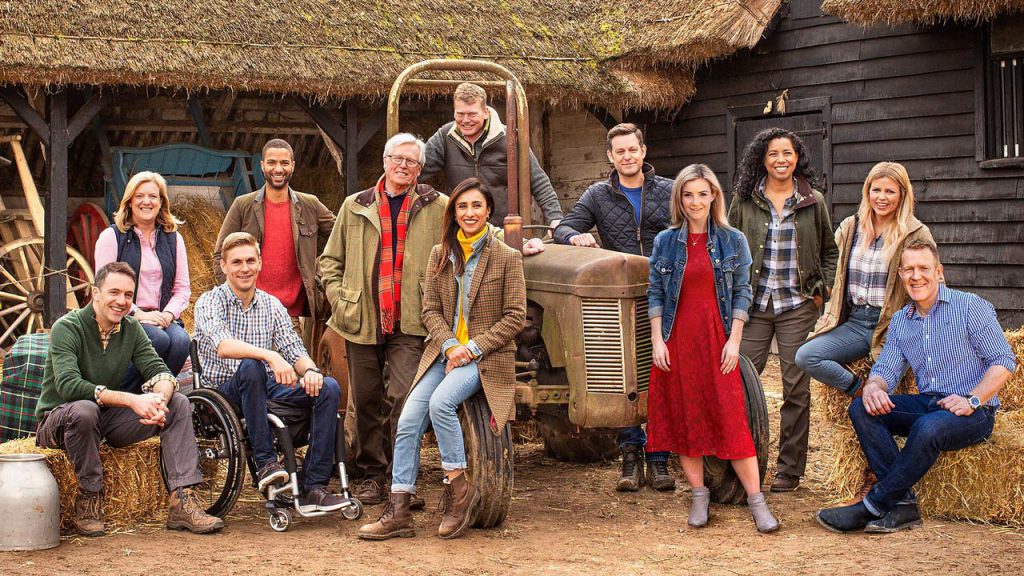
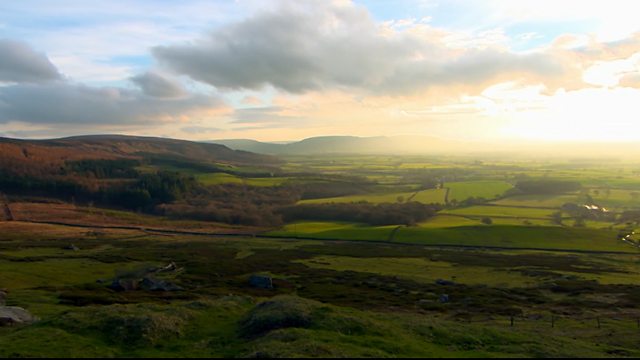
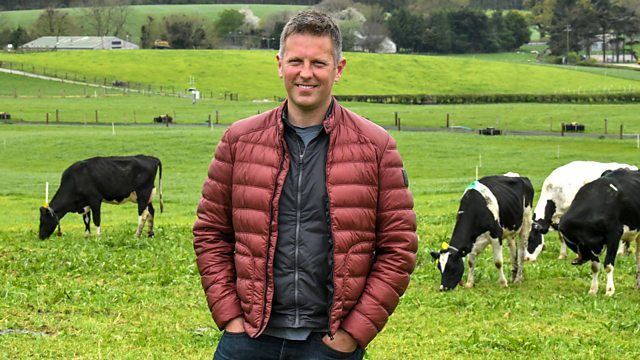
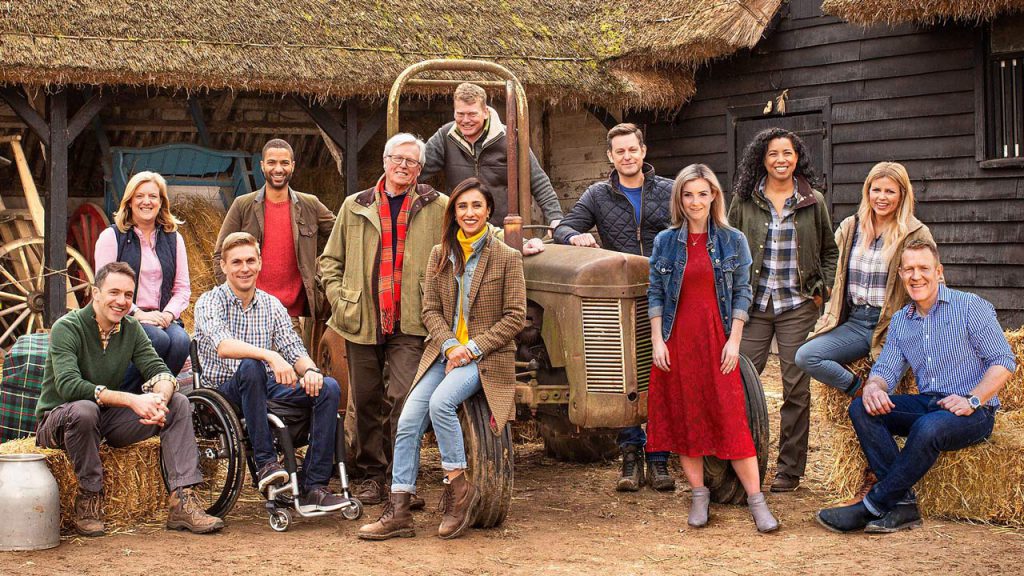
Landward episode 21 2025: Autumn has truly arrived in Scotland. The air is crisp, and the colours are turning to gold and fire. Therefore, the land is alive with change, a vibrant energy before the winter sleep. This week, on a special Landward episode 21 2025, we dive deep into this magnificent season. It is a stunning look at the cycles of nature. Furthermore, it is a celebration of country life in all its forms. The Landward 2025 team travels across the country. They uncover stories of tradition, resilience, and fascinating adaptation.
Our journey begins in the vast, atmospheric Highlands. Dougie heads to the magnificent Ben Alder Estate. He is here for a truly primal event: the annual stag rut. The glens echo with an ancient, powerful sound. It is the roar of the stags. This is nature at its most raw. Dougie joins the estate managers. They are not just chasing deer; they are observing a crucial part of the ecosystem. This management is vital. It maintains the health of the livestock and the land itself. It is a powerful reminder of the wild heart that still beats strong in Scotland.
Meanwhile, Shahbaz travels to the banks of the River Deveron. He is in beautiful Aberdeenshire. Here, another incredible journey is unfolding. The salmon are returning. These heroic fish are leaping upstream. They fight the current to reach their spawning grounds. It is a desperate, powerful struggle against the odds. In fact, Shahbaz discovers this journey is becoming harder. He investigates the challenges these iconic fish face. Changes in river temperature, often linked to climate change, impact their survival. Their fight is a symbol of resilience. It is a critical story for Scotland‘s natural heritage.
From the river, we move to the ancient oak woods of Drumoak. Leanna is walking beneath a dense canopy. The ground is carpeted with acorns. This year is a “bumper crop.” Consequently, the woodland floor is a feast. Leanna investigates why this is happening. Is this a natural cycle? Or is it a stress response from the trees, perhaps linked to our changing climate? She meets the experts. They are gathering these seeds. These acorns are the future. They will help grow the next generation of mighty oaks. This is a quiet, hopeful side of agricultural life and conservation.
Landward episode 21 2025
Next, Rosie takes us back to Aberdeenshire. She is exploring a different kind of harvest. This story is all about innovation in Scottish farming. Rosie is helping to pick Scottish apples. These apples are not for eating. Instead, they are destined for something special. They will become a champagne-style cider. This venture shows the amazing diversity of modern Agriculture in Scotland. Rosie gets hands-on, learning about the process. She sees how growers are adapting. They are planting new crops. This is a delicious example of country life meeting modern enterprise.
Finally, Arlene takes us on the most unusual journey. She is in Scotland‘s capital, Edinburgh. But she is not exploring castles or closes. Instead, she goes underground. She ventures into a disused subterranean bunker. This dark, damp place holds a secret. It has been repurposed for a unique kindfs of farming. Arlene is on a fascinating fungi foray. In the darkness, exotic mushrooms are thriving. This is a story of incredible ingenuity. It is urban agricultural life at its most creative. It shows how we can find new ways to grow, even in the most unlikely of places.
This episode of Landward is a true tapestry of Scottish life. It weaves together the wild and the managed. It connects the ancient with the innovative. From the roaring stags of the Highlands to the hidden mushroom farms, it is a journey. It highlights the challenges, like climate change impacting our salmon. However, it also shines a light on the incredible resilience of both nature and the Scottish people. This is what Landward does best. It brings the heart of country life right into our homes. Join us for this unforgettable autumn special.
Landward episode 21 2025 review
The autumn season featured in Landward episode 21 2025 reveals a period of profound transformation across Scotland. This is a time when the air becomes crisp and the landscape shifts to vibrant gold and fire. The land is alive with a palpable energy, a final burst of activity before the quiet of winter. This period represents more than just a picturesque change; it is a critical window for the cycles of nature and a pivotal moment for country life. The season’s arrival dictates the behaviour of wildlife. Moreover, it shapes the schedules of those who work the land.
This transition is fundamental to understanding the region’s ecology and its human industries. Autumn is the time of the harvest, but it is also the time of preparation. For wildlife, it is a race to breed or to build reserves for the coming cold. For human enterprises, from farming to conservation, it is a period of intense activity. These seasonal pressures highlight a delicate balance. This balance exists between traditional rhythms and modern challenges, making autumn a key indicator of environmental health and resilience in agricultural life.
This article will explore the diverse stories of this magnificent season, drawing upon the events and expert accounts from Landward episode 21 2025. We will journey from the Highland glens, listening to the drama of the deer rut, to the ancient forests experiencing a rare natural bounty. The scope also includes modern innovations, discovering how derelict structures are repurposed for agriculture. Finally, we will examine the challenges facing iconic species and the celebratory traditions of the harvest, painting a full picture of the season.
The backdrop for these events is the varied landscape of Scotland itself. The nation’s glens, rivers, woodlands, and even urban fringes each host unique seasonal dramas. This connection between the land and its inhabitants, both human and animal, is a defining feature of the region. Understanding these stories provides a deeper appreciation for the complexities of the rural economy. It also showcases the ingenuity required to thrive in this environment. The season tests all forms of life.
However, these ancient cycles face new pressures. The subtle but persistent influence of climate change is altering the timing and nature of seasonal events. Milder winters and warmer, drier spells at unusual times can confuse wildlife. These changes also impact the success of harvests and the health of native species. This makes the work of managing the land, whether for conservation or for farming, more complex. Adapting to these changes is a common theme, from wildlife management of livestock and deer to forestry.
These interconnected themes of tradition, adaptation, and resilience are central to modern country life. The specific examples from this season provide a valuable snapshot of these wider issues. This deep dive into rural matters, reminiscent of shows like Countryfile, provides insight into the challenges and triumphs of contemporary Scotland. The following sections will explore these specific stories, revealing a land of constant change, natural wonder, and human innovation. These accounts demonstrate the vibrant character of the nation’s rural heart.
The Highland Rut: Managing the Spectacle in Landward episode 21 2025
One of autumn’s most dramatic natural events is the red deer rut. On the Ben Alder Estate in the Highlands, this annual breeding season is a major spectacle. The roars of stags reverberate around the glens as they compete for hinds. According to Savio Genini, the head stalker on the estate, the rut is the red deer breeding season. The stags mate with the hinds, and eight months later, the calves are born. This cycle is fundamental to the species’ survival.
The process itself is fascinating. The hinds are “hefted” to the hill, meaning they remain in their own distinct areas. The stags must break away from their summering grounds to find these harems of hinds. The drama of the season comes from the stags’ efforts to gather and hold these harems, fending off rivals. Mr. Genini’s role on the sporting estate is to maintain a healthy herd. This ensures the deer population will survive for years to come.
Successful management involves careful observation. While there are no guarantees with wild animals, experienced stalkers know the land. They use the terrain, like burns and banks, as cover to get close without spooking the deer. From a distance, they can assess the animals. They observed one large stag holding a harem of about twenty hinds. This is a sign of a successful male.
However, size is not the only factor. Mr. Genini explains that while the biggest stags are usually the most successful, this is not always the case. Sometimes, poorer quality stags will hold large numbers of hinds. In these instances, management must step in to remove them. This allows a better-quality stag to take over the harem and breed. This selection process is crucial for the herd’s long-term health.
This management philosophy is directly comparable to farming. Mr. Genini notes it is no different to buying a good tup or a good bull. You want to leave the best ones on the hill to breed for you in the years to come. This selection ensures genetic quality and herd resilience. It is a key part of sustainable management, balancing natural processes with human oversight for the health of the livestock and wildlife.
The stalkers also assess the condition of the stags. The individual stag they watched was described as “well-run.” This term means he has been rutting for a long time and is nearing the end of his season. He does not have the same energy he would have possessed three weeks prior. This observation shows the immense physical toll the rut takes on the stags.
This year, the rut has been affected by changing weather patterns. The season has been mixed due to milder weather. Hot weather coming in during the day “fairly kills the rut off,” according to Mr. Genini. It just confuses the deer about the time of year. This is a clear example of how climate change is impacting natural cycles. The rut needs the cold; it kicks off again when colder temperatures arrive in the night-time and morning.
Despite these challenges, the rut remains a glorious thing to witness. For those who work the land, the passion for this event endures. Mr. Genini confirms he still gets the same buzz as when he first started. It is an adrenaline rush every time. This spectacle, he notes, is something that everyone who witnesses it enjoys. It is a powerful reminder of the raw, wild nature at the heart of Scotland’s hills.
A Bumper Crop: The Ecological Strategy of the Mast Year
Autumn is also a time of seeding, and this year is special for the oak tree. In the Old Wood of Drum near Aberdeen, the woodland floor is carpeted in acorns. This phenomenon is known as a “mast year,” an autumn where trees produce an unusually large amount of seeds. An oak tree can produce thousands more acorns than usual during such an event.
This natural event is not on a fixed schedule. According to Bronwyn Thomas, the woodland manager for the National Trust for Scotland, it happens roughly every five to ten years. However, there is no real pattern. The last mast year, for instance, was in 2023. This unpredictability is part of its ecological function.
The mast year serves two critical purposes. First, the huge abundance of acorns provides a massive food source for a variety of wildlife. Red squirrels, jays, wood mice, and badgers all feast on the bounty. This glut of food is vital for keeping these species healthy and their populations growing as they head into winter. It is a crucial part of the woodland food web.
Second, the mast year is the oak’s primary reproductive strategy. By producing such a massive glut of acorns, the trees overwhelm the animals that feed on them. There are simply more acorns than the wildlife can possibly eat. This ensures that plenty of seeds will be left over. These remaining acorns can then take root and grow, ensuring the next generation of oak trees.
This strategy has worked for centuries at the Old Wood of Drum. This ancient woodland has a long history. It was first recorded as a royal hunting forest in 1247. It was recently recognised as a Site of Special Scientific Interest due to its high ecological value. The wood is home to well over 600 old oak trees.
Ms. Thomas has a particular fondness for the “ancient” oaks. These trees are in their last stage of life. As trees get older, she explains, they become more andt more important for wildlife. They develop a wide base and often appear to shrink in on themselves. They feature lots of dead branches and rot holes.
These features of decay are not a sign of failure; they are the tree’s greatest gift to the ecosystem. These combined features create a really great habitat for a whole variety of species. An oak tree can support up to 2,300 different species. Of that number, 300 depend entirely on the oak for their survival. This makes the oak a true keystone species.
To support this ancient woodland, the Trust is giving the oaks a helping hand. They have run events with the local community, volunteers, and children. Together, they gather acorns from a range of trees across the site. This ensures a good genetic diversity. These acorns are then taken to a tree nursery for propagation.
The walled garden at Drum Castle provides the perfect place for this. The acorns are planted in pots three-quarters full of compost. Ms. Thomas demonstrates that they plant the acorns sideways. This simple trick means it does not matter which end is the root and which is the shoot. The acorn can decide which way it wants to go.
This conservation work is a long-term investment. After planting, it will take about 40 years for a new acorn to grow into a tree that produces acorns of its own. This is definitely a future plan. The saying “from little acorns, mighty oaks grow” is a slow and patient reality. This year’s bumper crop will be vital for boosting the next generation of trees in this beautiful, ancient woodland.
From Cold War Relic to Fungi Farm: Innovation in Urban Agriculture
Away from the woods, another form of autumn harvest is taking place in a highly unusual location. The Barnton bunker in Edinburgh is a Cold War relic. Built in the 1950s, it was Scotland’s command centre for monitoring the threat of nuclear war. The structure burrows 100 feet under Corstorphine Hill.
Today, the decommissioned bunker is privately owned. While it is open for tours, it is undergoing a long restoration process to become a museum. To help fund this restoration, the owners rent out space to a community of small businesses. One of these tenants is Christopher Valentine-Allan, who had a unique idea for the subterranean space.
Mr. Valentine-Allan has established an underground mushroom farm. He started growing mushrooms during lockdown to keep busy. Now, he farms 120 kilos of them every week. He sells his gourmet mushrooms to high-end restaurants. The bunker, it turns out, is the perfect place to grow them.
The space acts as an ideal “fruiting chamber.” Mr. Valentine-Allan explains that he can control the key environmental factors. The bunker maintains a great temperature year-round for growing mushrooms. It is also quite damp, so he does not need to do much to control the humidity. Finally, he manages the CO2 levels. Mushrooms, like humans, put out CO2. When levels get too high, a fan kicks in to bring in fresh air.
Mr. Valentine-Allan was inspired to use such a location. He has always been interested in growing food in derelict and abandoned spaces. When he came across the bunker, he knew he had to build a mushroom farm there. This project is a perfect example of innovative urban agriculture, finding value and purpose in a forgotten structure.
He grows several varieties, including lion’s mane mushrooms. These are very popular with vegetarians and vegans. They have a very meaty-like texture but a nice, delicate mushroom flavour. Harvesting them is a simple process. They are quite sturdy and can be picked by grabbing them with both hands and pulling them off the growing block.
In an adjacent room, he grows oyster and king oyster mushrooms. The growth rate is astonishing. He points out the “primordia,” or the initial sprouting of the mushrooms. In just one week, these small starts will grow to their full, harvestable size. This rapid, reliable growth is ideal for a commercial farming operation.
Mr. Valentine-Allan is also a chef, so he knows the best way to prepare his produce. On the roof of the bunker, he cooks the freshly picked mushrooms. The lion’s mane holds its juiciness. He notes it does not have the rubbery sliminess that regular mushrooms can have. The unique texture and flavour are impressive.
This venture has been a great success. Mr. Valentine-Allan reflects on his journey. He could not have imagined in 2020 that he would be in this amazing venue. He is now growing more than his own body weight in mushrooms every week. He sells this produce to some of the best restaurants in the country. For him, it is genuinely a dream come true.
Project Deveron: Clearing the Path for Scotland’s King of Fish
The autumn migration of Atlantic salmon is another of nature’s great journeys. These iconic fish travel thousands of miles across the North Atlantic. They navigate back to their ancestral rivers to lay their eggs. Amazingly, many end up in the very same stretch of river where they themselves hatched.
However, this epic journey is becoming more challenging. The Atlantic salmon is now officially an endangered species. Since the 1970s, the number of returning fish is estimated to have dropped from one million to just 400,000. This is a catastrophic decline.
The causes are complex. Pollution and rising water temperatures are part of the problem. This points to the widespread impact of climate change on river ecosystems. Furthermore, despite their famous ability to leap, obstacles in rivers and streams are also stopping them. These barriers prevent them from reaching their spawning grounds.
On the Burn of King Edward, a tributary of the River Deveron in Aberdeenshire, work is underway to help. Richie Miller is a director of the trust that looks after the river’s catchment. He explains why this area is so important. This is a great stretch of river for spawning because of the variety and sizes of gravels. Critically, these gravels are clean and free from siltation, which can suffocate the salmon eggs.
Mr. Miller is part of Project Deveron. This is a ten-year partnership between the Deveron, Bogie and Isla Rivers Trust, the Atlantic Salmon Trust, and the Scottish Government. The main aims of the project are to monitor the status of salmon populations in the river. Crucially, the project also works to restore them back to good health.
A key part of this restoration involves making the burn as easy as possible for the salmon to navigate. The route to the good spawning gravels here was blocked. An old weir, which had been in place for over 100 years, was restricting fish access. This single barrier was preventing salmon and sea trout from reaching over 11 kilometres of upstream habitat.
Through Project Deveron, the barrier was removed earlier in the year. The results were almost immediate. In the area where the weir once stood, juvenile salmon have already moved in. They are using the newly available habitat, which includes tree roots and clean gravel. Now, fish have free access upstream.
This is a promising sign for the future. Mr. Miller and the team hope to see a big upturn in juvenile salmon numbers next year. This will happen after the adult salmon, which are returning from the sea this autumn, are able to travel up and spawn in this newly opened area.
This work is hugely beneficial to the entire ecosystem, not just the salmon. Through Project Deveron, the partners can find out the status of the stocks. They also monitor water quality and invertebrate numbers. This data allows them to take the right steps to restore the entire river system for the future. This project gives Scotland’s “king of fish” the best chance of survival.
The Landward episode 21 2025 Harvest: Apples, Alchemy, and the Champagne Method
As autumn provides for wildlife, it also delivers a harvest for people. In Aberdeenshire, Scotland’s orchards are filled with a glut of fruit, especially apples. While many will be used for pies and crumbles, German-born Christian Stolte uses them for something with more sparkle. He makes a high-quality cider using traditional, painstaking methods.
His journey started as a hobby. He had a few apple trees in his back garden and started to make some cider. He admits the first attempts were not very good. Then, he remembered the cider he liked from Normandy in France. He decided to start making cider that way.
He discovered that Scottish apples are perfect for making this style of cider. The colder climate here means the acidity is higher. Also, the days are longer during the growing season, giving the apples more daylight. For a good cider, he explains, you always need a blend of different apples. You need acidity, which comes from apples like the Bramley. You need sugars, from apples like the James Grieve. Finally, you need some tannins.
Each apple variety comes with its own story. Mr. Stolte shares the legend of the Bloody Ploughman. This apple originated from Megginch Castle. The story goes that a ploughman stole apples from the landlord and was shot dead. His furious wife found the apples in his pocket. She dumped his body on the compost heap, and the following year an apple tree grew with dark red apples.
What began as a hobby is now a business called Seidear. Christian collects fruit from 12 different castle gardens around Scotland. He then makes small batches of cider back at his base, with each batch’s flavour unique to the orchard it came from.
The first step is to chop the apples. The pulp is then pressed, releasing a beautiful, fresh-smelling juice. This juice goes into fermenters, where it stays for about a year, sometimes two. After this first fermentation, it is ready for the next stage.
This is where the French technique, the “methode champenoise,” comes in. The cider goes into bottles for a secondary fermentation, which creates the fizz. These bottles are stored in a “riddling room.” They are turned by about a third every day for a month or two. This process, known as riddling, gradually collects all the yeast sediment in the neck of the bottle.
Once the yeast is collected, the neck of the bottle is frozen. This locks the yeast in an ice plug. Then comes the most dramatic part: “disgorging.” The crown cap is removed, and the pressure from inside the bottle shoots the ice plug out, leaving behind clear cider.
The bottle is not yet finished. A “dosage,” or a small amount of sugar solution, is added to get the perfect taste. The bottle is topped up to replace the small amount of liquid lost during disgorging. Finally, it is corked.
The result is a testament to this complex process. It is a product born of French technique, German know-how, and, of course, Scottish apples. This combination creates a sophisticated product that is both traditional and innovative, a fitting celebration of the autumn harvest.
Scotland’s Seasons: Where Ancient Rhythms Meet Modern Resilience
The stories woven throughout Landward episode 21 2025 reveal something profound about Scotland’s relationship with autumn—a relationship built on centuries of understanding, yet constantly being rewritten by contemporary challenges. From the primordial roar echoing through Highland glens to the quiet innovation happening beneath Edinburgh’s streets, this season demonstrates that rural life is neither static nostalgia nor simple tradition. It’s a living, breathing negotiation between what has always been and what must now adapt.
Consider the tapestry these narratives create together. The stag rut on Ben Alder Estate represents nature’s most ancient script, yet even this timeless spectacle now stumbles when unseasonable warmth confuses the timing. The salmon fighting upstream face barriers both old and new—Victorian weirs and warming waters alike.
Meanwhile, the oak trees’ mast year offers a masterclass in evolutionary strategy, producing thousands of acorns in a single season to overwhelm predators and secure the next generation. These aren’t separate stories; they’re chapters in the same book, each revealing how Scotland’s countryside grapples with continuity and change.
What makes these accounts particularly compelling is the human response they showcase. The stalkers managing deer populations understand their work isn’t simply about sport or even conservation in isolation—it’s about maintaining the delicate balance that allows wild Scotland to thrive alongside agricultural life. Project Deveron’s patient restoration of salmon habitat demonstrates that recovery, when approached thoughtfully, can begin within a single season.
The National Trust volunteers planting acorns sideways in compost-filled pots embody the long view, investing in forests they’ll never see mature. And Christian Stolte’s champagne-method cider transforms Scottish apples into something extraordinary through borrowed French technique and German precision—a perfect metaphor for how tradition and innovation can ferment together into something special.
Perhaps most unexpectedly, Christopher Valentine-Allan’s underground mushroom farm represents the future of agricultural thinking. By recognizing that a Cold War bunker’s very limitations—its darkness, dampness, and isolation—could become advantages for growing exotic fungi, he demonstrates the creative problem-solving that defines modern country life. This isn’t farming as your grandparents knew it, yet it shares their essential DNA: finding what the land (or in this case, what’s beneath it) can provide.
The challenges facing Scotland’s countryside are real and mounting. Climate change isn’t a distant threat in these stories—it’s the warm spell that disrupts the rut, the temperature rise that endangers salmon, the unpredictable weather that makes traditional farming calendars less reliable. But what Landward episode 21 2025 ultimately celebrates is resilience—not just nature’s remarkable capacity to adapt, but the ingenuity of the people who work these lands, waters, and even abandoned bunkers.
As winter approaches and Scotland’s autumn fire fades to frost, these stories remind us that the countryside isn’t a museum piece to be preserved in amber. It’s a dynamic, evolving landscape where ancient oaks prepare for centuries to come, where endangered species fight upstream toward hope, and where the next generation of farmers might grow their harvest 100 feet underground. The season’s transformation from gold to sleep isn’t an ending—it’s preparation for renewal, a pattern as old as the hills themselves, yet somehow always finding new ways to surprise us.
FAQ Landward episode 21 2025
Q: What is Landward episode 21 2025 about?
A: Landward episode 21 2025 explores Scotland’s autumn season through diverse stories of nature and agriculture. The programme features the Highland stag rut, salmon migration on the River Deveron, a bumper acorn harvest in ancient oak woodlands, champagne-style cider production from Scottish apples, and innovative mushroom farming in an underground Edinburgh bunker. Therefore, the episode weaves together traditional rural practices with modern agricultural innovations, demonstrating how Scotland’s countryside adapts to contemporary challenges whilst honouring time-tested traditions.
Q: Where can I watch the Highland stag rut featured in Landward episode 21 2025?
A: The episode showcases the stag rut at Ben Alder Estate in the Scottish Highlands. However, visiting during rutting season requires estate permission and expert guidance. Furthermore, several Highland estates offer managed wildlife watching experiences during autumn, typically from late September through October. Head stalker Savio Genini explains that the rut represents a crucial breeding period when stags compete for harems of hinds. Consequently, witnessing this dramatic natural spectacle requires respecting wildlife management practices that ensure herd health for future generations.
Q: How is climate change affecting Scotland’s wildlife as shown in the episode?
A: Climate change significantly impacts Scottish wildlife through multiple pathways documented in the episode. Milder weather confuses the timing of the deer rut, with unseasonable warmth disrupting natural breeding cycles. Additionally, rising river temperatures threaten Atlantic salmon populations, which have declined from one million to 400,000 fish since the 1970s. These temperature shifts affect spawning success and juvenile survival rates. Moreover, unpredictable weather patterns challenge traditional agricultural calendars, requiring farmers and conservationists to develop adaptive management strategies for both livestock and native species throughout the countryside.
Q: What is a mast year for oak trees?
A: A mast year occurs when oak trees produce an exceptionally large acorn crop, typically thousands more than usual. This phenomenon happens roughly every five to ten years without a fixed pattern. The strategy serves two purposes: providing abundant food for wildlife including red squirrels, jays, wood mice, and badgers, whilst simultaneously overwhelming these seed predators. Consequently, enough acorns survive to germinate and grow into new trees. The Old Wood of Drum near Aberdeen experienced a mast year in 2025, carpeting the woodland floor with acorns that support 2,300 different species depending on oak trees.
Q: How does Project Deveron help Atlantic salmon?
A: Project Deveron is a ten-year partnership involving the Deveron, Bogie and Isla Rivers Trust, the Atlantic Salmon Trust, and the Scottish Government. The initiative monitors salmon populations whilst actively restoring river health through barrier removal and habitat improvement. Specifically, removing a century-old weir on the Burn of King Edward opened 11 kilometres of upstream spawning habitat. Results appeared immediately, with juvenile salmon colonising newly accessible areas. Furthermore, the project monitors water quality and invertebrate populations, creating comprehensive ecosystem restoration that benefits Scotland’s endangered king of fish.
Q: Where is the underground mushroom farm located?
A: The innovative mushroom farm operates inside the Barnton bunker in Edinburgh, a decommissioned Cold War facility built in the 1950s beneath Corstorphine Hill. Christopher Valentine-Allan transformed this 100-foot-deep nuclear monitoring centre into a productive agricultural space. The bunker’s naturally stable temperature, high humidity, and controllable environment create ideal fruiting chamber conditions. Consequently, Valentine-Allan produces 120 kilograms of gourmet mushrooms weekly, including lion’s mane and oyster varieties, supplying high-end restaurants. This urban agriculture project exemplifies creative repurposing of abandoned infrastructure for sustainable food production.
Q: What makes Scottish apples suitable for champagne-style cider?
A: Scotland’s colder climate produces apples with higher acidity levels, whilst longer summer daylight hours enhance flavour development. Christian Stolte’s Seidear cider business blends varieties including tart Bramleys for acidity, James Grieves for sugar, and tannin-rich varieties for complexity. The methode champenoise involves year-long fermentation, followed by secondary bottle fermentation, riddling to collect yeast sediment, freezing the bottle neck, and disgorging to remove sediment. Additionally, dosage adjusts sweetness before corking. This French technique combined with German expertise and Scottish fruit creates sophisticated sparkling cider unique to each orchard’s terroir.
A: Selective culling maintains genetic quality and herd health, similar to choosing quality breeding stock in farming. Whilst dominant stags typically hold the largest harems, occasionally inferior males accumulate hinds through circumstance rather than fitness. Management intervention removes these poorer specimens, allowing superior stags to breed and strengthen future generations. Furthermore, this practice balances deer populations with available habitat, preventing overgrazing that damages vegetation and reduces carrying capacity. Head stalker Savio Genini compares this to selecting premium tups or bulls, ensuring only the finest genetics perpetuate through the herd.
Q: How long does it take for planted acorns to produce their own acorns?
A: Oak trees require approximately 40 years from germination to reach reproductive maturity and produce their first acorn crop. This lengthy timeline makes oak conservation a multi-generational commitment. The National Trust for Scotland addresses this challenge through community events where volunteers collect acorns from diverse parent trees, ensuring genetic variety. Subsequently, these seeds are propagated in the walled garden at Drum Castle using a sideways planting technique that allows natural orientation. This patient investment secures the ancient woodland’s future, embodying the wisdom that from little acorns, mighty oaks grow.
Q: When is the best time to visit Scotland to see autumn wildlife?
A: Late September through October offers optimal autumn wildlife viewing across Scotland. The deer rut peaks during this period, with stags roaring throughout Highland glens as they compete for breeding rights. Simultaneously, Atlantic salmon begin their upstream migration, leaping obstacles as they return to ancestral spawning grounds. Additionally, this season brings vibrant foliage as deciduous forests transform to gold and fire. However, visitors should book guided experiences through estates and conservation organisations, respecting wildlife management practices. Moreover, unpredictable weather patterns require flexible planning and appropriate outdoor clothing for Scottish conditions.