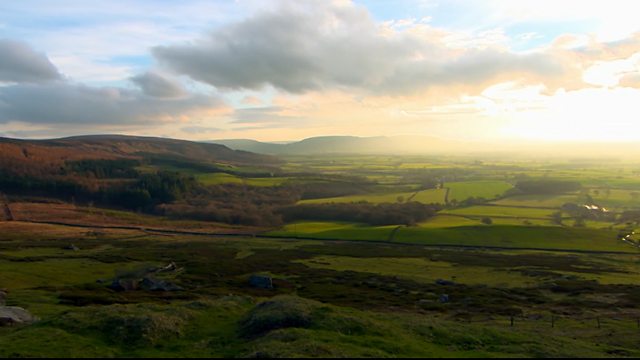
Landward episode 3 2026 arrives with a sobering question hanging over Scotland’s hills, islands, and coastal villages: what happens when the people simply leave? Across the Highlands and beyond, small settlements that once hummed with families, classrooms, and working farms now face a slow, steady erosion of their populations. The episode travels to the sharp edge of this crisis, gathering voices from those who refuse to let their communities fade into quiet memory.
Depopulation is no longer a distant worry confined to academic reports or government papers. It is a lived reality for those whose neighbours have moved south, whose schools are shrinking, and whose young people cannot find homes within the places that shaped them. The pressures bearing down on country life in Scotland have intensified, with climate change, shifting agricultural economics, and housing shortages all compounding the strain on fragile rural settlements.
Landward episode 3 2026 sets out to explore this issue with unflinching honesty, travelling from the far north west to the Isle of Arran, from tourist-saturated hotspots to tiny secondary schools. The programme introduces viewers to families, doctors, teachers, campaigners, and policymakers who are all, in their own ways, trying to halt a decline that threatens the very identity of rural Scotland. Farming and livestock heritage, once the bedrock of these communities, now sit alongside urgent conversations about housing, services, and survival.
The numbers tell a stark story. Over the next decade, the population of fourteen Scottish rural council areas is expected to decline. Each percentage point represents real lives: a closed post office, a shuttered surgery, a school bus route that no longer runs. The episode examines these council areas not as statistics but as living places with histories, traditions, and uncertain futures. Landward episode 3 2026 carefully maps the scale of the challenge while refusing to reduce it to abstraction.
Yet this instalment of Landward is not a lament. Running through every segment is a current of determination, inventiveness, and hope. The campaigners, doctors, and young residents featured throughout the programme are actively shaping responses. Some are lobbying for policy change. Others are building houses, recruiting professionals, or simply choosing to stay when leaving would be easier. Their voices form the heart of the episode.
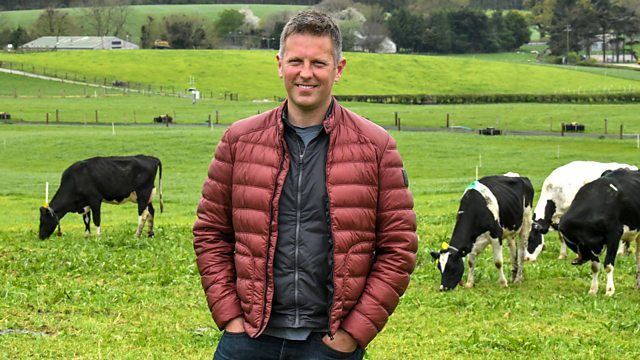
The programme also places depopulation within the wider patterns of modern agricultural life. Hill farming, crofting, and livestock rearing remain central to many of the communities under pressure, and the people working the land often serve as anchors for everything else. When a farming family leaves, the ripple effects extend far beyond fields and fences. Schools lose pupils. Shops lose customers. The social fabric thins.
Meanwhile, the episode does not shy away from the paradoxes of rural Scotland. Some areas struggle with emptying streets while others buckle under the weight of tourism and second-home ownership. The same landscapes that attract millions of visitors each year are increasingly unaffordable for the people who grew up in them. This contradiction sits at the core of the housing segment and gives the episode much of its emotional weight.
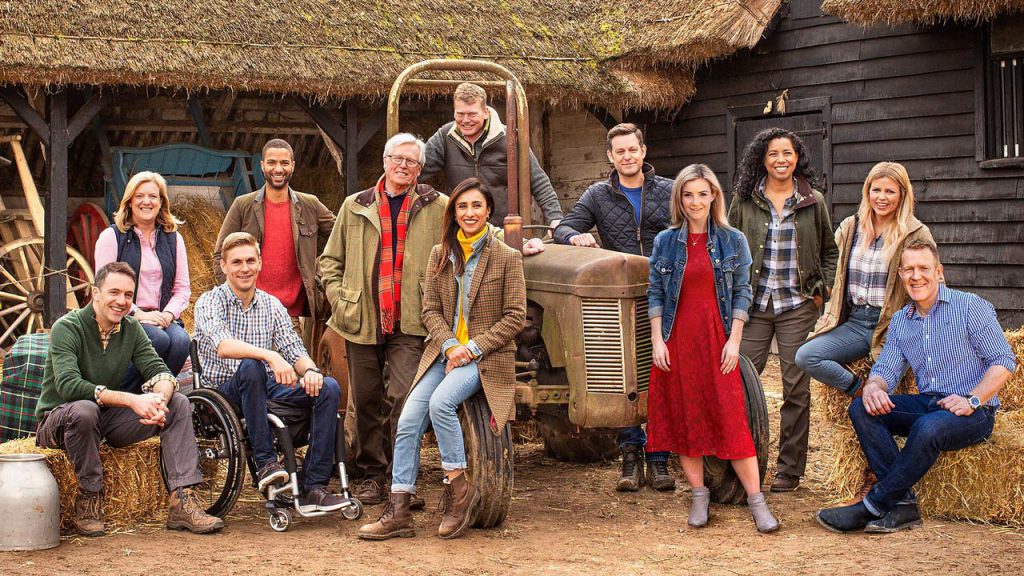
Across the four main strands, presenters Anne, Rosie, Dougie, and Arlene each investigate a different facet of the crisis. Their journeys are distinct but interconnected, together forming a rounded portrait of a nation grappling with demographic change. What emerges is neither simple nor neatly resolved, but it is urgent, humane, and deeply rooted in the particularities of Scottish country life.
Landward episode 3 2026
The Scale Of Depopulation In Landward Episode 3 2026
The opening sections of the programme establish the sheer scale of the problem. Fourteen rural council areas across Scotland are projected to lose population over the next decade, a trajectory that experts featured in the episode describe as both predictable and preventable. The decline is not evenly spread. Some areas, particularly in the north west and the islands, face far steeper falls than others, with knock-on effects that threaten essential services.
Depopulation, the episode makes clear, is rarely caused by a single factor. Instead, it emerges from the intersection of limited housing, restricted employment, fragile transport links, and the gradual withdrawal of public services. When one pillar weakens, the others follow. A closed school encourages young families to leave. Fewer families mean fewer customers for local businesses. Fewer businesses mean fewer jobs, which in turn drives further departures. The cycle feeds itself.
Within Landward episode 3 2026, campaigners and researchers emphasise that this pattern is not inevitable. They argue that targeted intervention, particularly in housing and key public sector recruitment, can break the downward spiral. The programme offers examples of communities where decline has been slowed, reversed, or at least held at bay. These success stories, while modest, suggest that the demographic future of rural Scotland remains open rather than fixed.
Anne Visits The School On The Sharp Edge
Anne’s segment takes viewers to a secondary school in north west Scotland where just thirty-one pupils now attend. The building, designed for far greater numbers, carries the quiet weight of empty corridors and half-filled classrooms. Yet the atmosphere inside is anything but defeated. Teachers and pupils speak with warmth about the close-knit nature of their school, the individual attention each child receives, and the strong sense of belonging that smaller numbers can foster.
However, the challenges are undeniable. With so few pupils, subject choices narrow. Sports teams become difficult to field. Social circles shrink to a handful of familiar faces. Anne listens carefully as staff describe the difficult balancing act of maintaining a full curriculum while roll numbers continue to slide. The school represents both the resilience and the vulnerability of rural education, a microcosm of the broader depopulation story playing out across the Highlands.
Conversations with pupils prove particularly revealing. Some speak of wanting to stay in their community after leaving school, drawn by family ties, love of the landscape, and a sense of belonging that city life cannot replicate. Others describe the pull of opportunity elsewhere, with universities, training courses, and careers often lying far from home. Their honesty illustrates the generational dilemma at the heart of Landward episode 3 2026: how do you keep young people when the routes to adulthood lead outward?
Rosie And The Housing Crisis In Tourist Hotspots
Rosie’s contribution turns the lens on one of the most visible paradoxes in rural Scotland. In the country’s most popular tourist hotspots, housing has become almost impossible to find for those who live and work locally. The same villages that attract visitors from around the world have seen traditional homes converted into short-term holiday lets, second homes, or investment properties. Local workers, including those essential to the hospitality industry that drives the tourist economy, are left searching for places to live.
Rosie speaks with residents who describe the everyday consequences of this squeeze. Young people who grew up in these communities are priced out of buying or renting. Workers commute from distant towns because nothing affordable exists within reasonable distance of their jobs. Employers struggle to recruit staff, not because wages are low but because there is simply nowhere to house them. The knock-on effects extend to the fabric of country life itself, with local shops, cafes, and services losing the people who once sustained them.
The segment also highlights campaigners and community groups working to develop affordable housing solutions. Some are reviving derelict buildings. Others are lobbying for planning reforms or pursuing community-led housing schemes. Their work is slow and often frustrating, but it represents a determined attempt to reclaim rural homes for rural residents. Rosie’s reporting makes clear that housing is perhaps the single most decisive factor in whether depopulation continues or begins to reverse.
Dougie On Arran And The Doctor Recruitment Scheme
Dougie’s journey takes him to the Isle of Arran, where an innovative scheme is addressing one of the most acute pressures on rural communities: the shortage of medical professionals. Island healthcare has long been difficult to sustain, with doctors, nurses, and specialists often reluctant to relocate to remote areas. The scheme featured in Landward episode 3 2026 is designed to change that, offering incentives and support packages that make settling on Arran genuinely attractive.
The initiative combines housing provision, professional development opportunities, and practical support for families relocating to the island. Dougie meets doctors who have moved to Arran under the scheme and hear their reasons for coming. For some, it is the landscape, the slower pace of life, and the chance to practise medicine in a truly community-embedded way. For others, it is the opportunity to own a home, something increasingly out of reach in urban Scotland.
The scheme is not without its challenges. Recruiting and retaining professionals in any rural setting requires sustained investment, and the programme acknowledges that Arran’s success is hard won. Nevertheless, the model offers valuable lessons for other parts of Scotland facing similar shortages. Dougie’s reporting suggests that where depopulation has eroded services, targeted recruitment initiatives can begin to restore them, creating a foundation upon which broader community renewal becomes possible.
Arlene And The Campaigners With Solutions
Arlene’s segment brings together the voices of those working hardest to turn the tide. She meets campaigners, community organisers, and policy advocates who believe that rural Scotland’s future can be reshaped through deliberate action. Their approaches vary widely, but they share a conviction that depopulation is not a natural force beyond human control. Rather, it is the product of decisions, and different decisions can produce different outcomes.
Some of the campaigners focus on housing, arguing that without significant new affordable homes, no other intervention will succeed. Others prioritise transport links, digital connectivity, or the retention of essential services such as post offices, banks, and health clinics. Several point to agricultural life as a vital anchor, emphasising that farming, crofting, and livestock management remain economically and culturally central to many rural communities. When these activities are supported, they argue, the wider community benefits.
Arlene listens carefully as the campaigners outline their proposals. Some are already being piloted in specific areas. Others await funding, political will, or the kind of sustained attention that programmes like Landward help to generate. The overall message is one of cautious optimism. The challenges are immense, but the people working to address them are informed, determined, and rooted in the communities they seek to protect.
Agricultural Life And The Foundations Of Rural Scotland
Running through every strand of Landward episode 3 2026 is the theme of agricultural life as the foundation upon which rural Scotland has historically rested. Farming and livestock rearing are not simply economic activities. They are cultural practices that have shaped the landscape, the traditions, and the rhythms of country life for generations. When families leave the land, something more than population is lost.
The episode makes clear that modern agriculture faces its own set of pressures. Climate change has introduced new uncertainties into seasonal planning, crop yields, and livestock management. Markets have shifted. Input costs have risen. Younger generations considering a future in farming must weigh these challenges against the draw of other careers and lifestyles. The connection between agricultural viability and rural depopulation is direct and significant.
Nevertheless, the programme highlights examples of farming families, crofters, and livestock producers who are adapting and thriving. Some have diversified into tourism, food production, or renewable energy. Others have embraced new techniques and technologies that make their operations more resilient. These examples suggest that agricultural life in rural Scotland is not disappearing but transforming, and that its continued evolution will be crucial to the broader effort to reverse depopulation.
Climate Change And Its Role In Rural Fragility
Climate change emerges throughout Landward episode 3 2026 as a factor that both complicates and sharpens the depopulation debate. Rural communities, particularly those along coastlines, in the islands, and in upland areas, often feel the effects of changing weather patterns most acutely. Storms, flooding, shifting growing seasons, and altered ecosystems all place additional strain on people whose livelihoods depend on the land and sea.
For farmers and livestock keepers, climate change means adapting practices that have been refined over centuries. For coastal communities, it can mean coping with erosion, infrastructure damage, and transport disruptions. For everyone, it introduces an element of uncertainty that makes long-term planning more difficult. The episode suggests that addressing depopulation cannot be separated from addressing climate resilience in rural Scotland.
At the same time, some of the campaigners featured argue that climate change also offers opportunities. Renewable energy projects, nature restoration initiatives, and sustainable land management all have the potential to create jobs and attract new residents to rural areas. The challenge is ensuring that these opportunities benefit local communities rather than being extracted by distant investors. Landward episode 3 2026 touches on this delicate balance with nuance and care.
The People Choosing To Stay
Amid the statistics and structural pressures, the episode never loses sight of individual stories. Throughout its segments, viewers meet people who have made the deliberate choice to stay, to return, or to move to rural Scotland despite the challenges. Their reasons are varied. Some cite family ties, a love of the landscape, or a commitment to their community. Others speak of the quality of life, the sense of purpose, or the opportunity to contribute to something meaningful.
These individual choices matter because depopulation, ultimately, is the sum of countless personal decisions. Every family that stays, every young person who returns after university, every professional who relocates under a scheme like the one on Arran represents a small but real reversal of the trend. The programme honours these decisions without romanticising them, acknowledging the sacrifices and trade-offs involved.
The cumulative effect is a portrait of rural Scotland that is neither defeated nor complacent. The challenges are real and significant. Yet the resilience, creativity, and determination of those who call these places home offer genuine grounds for hope. Landward episode 3 2026 captures this balance with skill, allowing viewers to understand both the scale of what is at stake and the human will that might yet shape a different future.
Looking Ahead For Rural Communities
The closing passages of the episode draw the various strands together, reflecting on what the next decade might hold for the fourteen council areas facing projected decline. The message is neither fatalistic nor naively optimistic. Instead, it acknowledges that the future of rural Scotland will depend on sustained effort across multiple fronts: housing, healthcare, education, agriculture, transport, and digital connectivity.
Policymakers receive particular attention in this final section. Campaigners interviewed throughout the programme emphasise that national and local government decisions will play a decisive role in shaping outcomes. Planning reforms, targeted investment, and the recognition of rural communities as distinct entities with distinct needs are all identified as essential. Without such recognition, even the most determined community efforts will struggle against the tide.
Ultimately, Landward episode 3 2026 leaves viewers with a clear sense of the stakes involved. Depopulation is not merely a demographic phenomenon. It is a challenge to the identity, heritage, and future of rural Scotland itself. The people featured throughout the episode, from the pupils of a tiny secondary school to the doctors on Arran, from housing campaigners to farming families, are all writing chapters in a story that has yet to be fully resolved. Their courage, their practicality, and their refusal to accept decline as inevitable form the lasting impression of this thoughtful and timely programme.
FAQ Landward episode 3 2026
Q: What is the main theme of Landward episode 3 2026?
A: The episode examines depopulation across rural Scotland. Furthermore, it explores how fourteen council areas face projected population decline over the next decade. The programme visits schools, tourist hotspots, and the Isle of Arran to investigate solutions.
Q: Which Scottish locations does Landward episode 3 2026 visit?
A: The team travels to north west Scotland and the Isle of Arran. Additionally, Rosie investigates housing in popular tourist hotspots. Meanwhile, Arlene meets campaigners working on solutions across various rural communities facing similar demographic pressures.
Q: How many pupils attend the secondary school Anne visits?
A: The school in north west Scotland has just thirty-one pupils. However, staff and students speak warmly about the close-knit atmosphere. Nevertheless, challenges remain, including narrower subject choices and difficulty fielding sports teams.
Q: Why is housing difficult to find in Scottish tourist hotspots?
A: Traditional homes have been converted into short-term holiday lets and second homes. Consequently, local workers cannot find affordable places to live. Moreover, young people who grew up locally are increasingly priced out of their own communities.
Q: What scheme does Dougie investigate on the Isle of Arran?
A: Dougie examines an initiative recruiting doctors to settle on Arran. Specifically, the scheme offers housing provision, professional development, and family relocation support. Therefore, it addresses the chronic shortage of medical professionals affecting island healthcare delivery.
Q: How many rural council areas in Scotland face decline?
A: Fourteen rural council areas are expected to lose population over the next decade. Additionally, the decline is uneven, with the north west and islands facing steeper falls. Consequently, essential services in these areas are under serious threat.
Q: What role does agricultural life play in Landward episode 3 2026?
A: Farming, crofting, and livestock rearing anchor rural communities culturally and economically. However, modern agriculture faces pressures from climate change and shifting markets. Nevertheless, many farming families are adapting through diversification, renewable energy, and innovative techniques.
Q: How does climate change affect rural Scottish communities?
A: Climate change introduces storms, flooding, and shifting growing seasons across rural areas. Furthermore, coastal communities face erosion and infrastructure damage. Conversely, renewable energy projects and nature restoration initiatives offer potential job opportunities for rural residents.
Q: Who are the presenters featured in Landward episode 3 2026?
A: Four presenters lead the investigation: Anne, Rosie, Dougie, and Arlene. Specifically, Anne visits a small school, Rosie explores housing challenges, Dougie reports from Arran, and Arlene meets campaigners proposing solutions to depopulation.
Q: What solutions do campaigners propose in Landward episode 3 2026?
A: Campaigners focus on affordable housing, transport links, and digital connectivity improvements. Additionally, they prioritise retaining essential services like post offices, banks, and health clinics. Moreover, they emphasise supporting agricultural life as a vital community anchor.