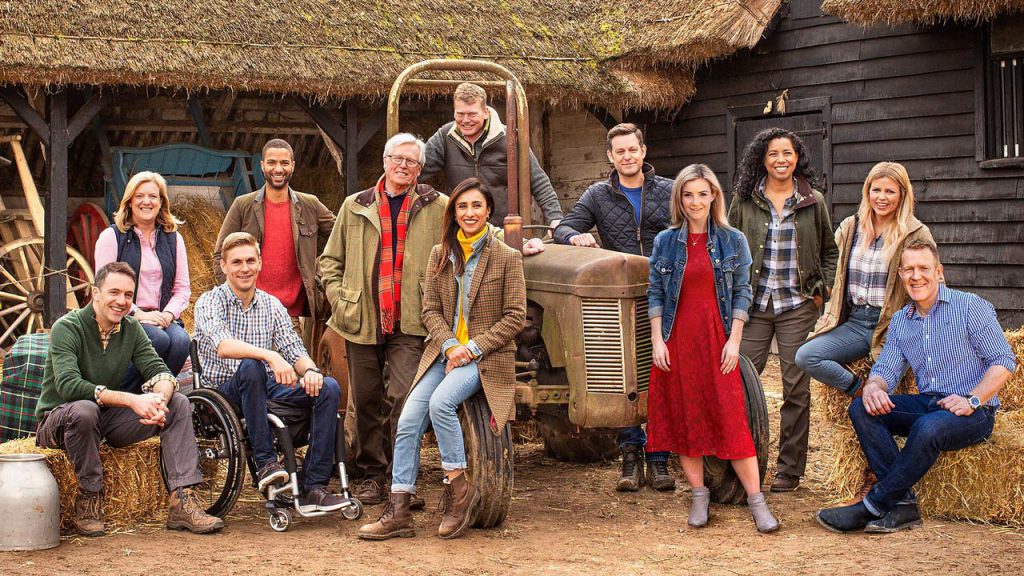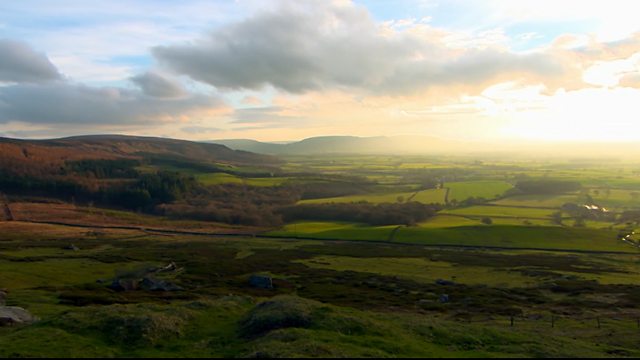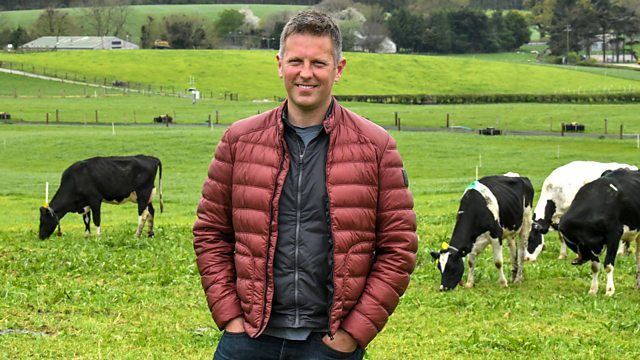
Landward episode 5 2025: Welcome once again to Landward, your journey into the heart of Scotland’s stunning landscapes and the lives intertwined with them. This week, we explore towering peaks and tranquil lochsides. Furthermore, we witness unique conservation efforts and celebrate heritage skills passed down through generations. Prepare yourself for stories of challenge, resilience, and deep connection to the Scottish countryside. It’s a tapestry woven with human endeavour, natural beauty, and the occasional unexpected hurdle. Consequently, join us as we traverse the diverse terrains and meet the dedicated people shaping Scotland’s rural future.
Our adventure begins in the breathtaking expanse of Wester Ross. Here, Dougie faces one of Britain’s most formidable and revered mountains: An Teallach. Known evocatively as ‘The Forge’ in Gaelic, this mountain truly lives up to its name. Its formidable sandstone peaks rise dramatically, forging unforgettable silhouettes against the Highland sky. An Teallach isn’t just a climb; indeed, it’s an encounter with raw, untamed nature. Its complex ridges and pinnacles demand respect, offering experienced mountaineers a thrilling challenge. Dougie, an enthusiast for Scotland’s high places, feels the pull of this iconic giant. Therefore, he prepares for an ascent that promises both physical exertion and immense reward. The air crackles with anticipation as he sets foot on the trail.
The initial path winds upwards, revealing progressively wider vistas. Below, lochs shimmer like scattered jewels amidst the rugged terrain. However, the beauty isn’t the only thing Dougie observes. He soon encounters evidence of the mountain’s immense popularity. The very path beneath his feet shows signs of wear and tear. This erosion scars the landscape, creating braided trails and unstable ground. It’s a stark reminder of our collective footprint on even the wildest places. But help is at hand. Dougie meets the dedicated team working tirelessly to heal these wounds. These skilled path repairers battle the elements and challenging logistics. Their task is crucial: restoring the trail sustainably.
Specifically, they use traditional techniques, often employing stone pitching. This method creates durable surfaces that blend naturally with the environment. Moreover, it helps channel walkers onto a single line, allowing surrounding vegetation to recover. Dougie learns about the immense effort involved. Tons of stone must be moved, often by helicopter or sheer human power. Listening to the team, you feel their passion for preserving the mountain’s integrity.
They aren’t just building a path; rather, they are safeguarding access for future generations while protecting the fragile ecosystem. Their work is a constant negotiation between human enjoyment and environmental health. It’s a physically demanding job, performed with quiet dedication against a backdrop of staggering beauty.
Furthermore, the conversation broadens beyond An Teallach. Dougie discovers this issue isn’t isolated. Across Scotland, many popular Munros and Corbetts face similar pressures. Increased footfall, partly driven by a renewed appreciation for the outdoors, takes its toll. In addition, climate change exacerbates the problem. More intense rainfall washes away soil, while altered freeze-thaw cycles break down rock and pathways. Consequently, managing these beloved landscapes becomes increasingly complex.
How do we balance encouraging access and its health benefits with the urgent need for conservation? It’s a question land managers, conservation charities, and walkers themselves grapple with daily. Dougie’s climb becomes more than just a personal challenge; it transforms into an exploration of our relationship with wild places and our responsibility towards them. The stunning views from the summit feel earned, yet they also carry a note of caution, a plea for mindful exploration.
From the imposing heights of Wester Ross, our journey takes us south to the gentler, yet equally captivating, shores of Loch Fyne in Argyll. Here, Rosie meets a community facing a very different kind of challenge. Sheep farmers, whose families have worked this land for generations, find their livelihoods under threat. The culprit? The majestic white-tailed sea eagle. Reintroduced successfully to Scotland after becoming extinct in the early 20th century, these magnificent birds are a conservation triumph. However, for sheep farmers near coastal or lochside locations, their presence has brought hardship. The eagles, powerful predators, have been preying on lambs.
Rosie listens intently as farmers share their stories. You can hear the frustration and anxiety in their voices. They describe devastating losses to their flocks, animals they nurture with care. Lambing season, once a time of renewal, now brings apprehension. Each lost lamb represents not just an emotional blow, but also a significant financial hit. This impacts the viability of their farms, businesses deeply rooted in tradition and local identity. Subsequently, their future feels increasingly uncertain. They feel caught between the success of a conservation initiative and the stark realities of agricultural life. Finding solutions proves incredibly difficult.
The situation highlights a complex conflict in modern conservation. Sea eagles are legally protected. Understandably, there’s strong public support for ensuring their survival. Yet, the impact on sheep farming communities cannot be ignored. Rosie explores the delicate balancing act required. Are there effective deterrents? Can management schemes provide adequate support for affected farmers? Finding common ground is essential but challenging. The farmers Rosie speaks with aren’t anti-eagle; rather, they seek recognition of the problem and practical measures to mitigate the losses.
Their connection to the land is profound, yet the pressure is immense. Loch Fyne’s scenic beauty provides a poignant backdrop to this struggle for coexistence, a modern-day dilemma playing out in an ancient landscape. It’s a story about adaptation, negotiation, and the search for harmony between human activity and thriving wildlife.
Next, we travel east towards the industrial heartland of Scotland, finding Arlene on the historic Forth and Clyde Canal. This waterway, once a bustling artery of the Industrial Revolution, now offers peaceful recreation. However, like any major infrastructure, it requires regular upkeep. Arlene is joining a fascinating operation preceding essential engineering maintenance. Before sections of the canal can be drained for repairs, its aquatic residents need temporary relocation. It’s a fish rescue mission, showcasing a commitment to protecting biodiversity even during major works. This often-unseen aspect of canal management is vital.
Arlene gets hands-on, helping the team responsible for this careful task. They use a technique called electrofishing. This method uses a controlled electric current to temporarily stun the fish. Importantly, this allows them to be safely netted without harm. Arlene learns to identify the different species inhabiting the canal. Perch, roach, pike, and even eels call this man-made waterway home. It’s a surprising underwater world thriving beneath the towpaths. Watching the team work, you appreciate their expertise and gentle handling of the fish. Each captured fish is carefully placed in oxygenated tanks.
Landward episode 5 2025
Once collected, the fish are transported to unaffected sections of the canal nearby. There, they are released back into the water to continue their lives undisturbed. This proactive approach ensures the maintenance work has minimal impact on the canal’s ecosystem. Arlene’s experience highlights the hidden life within these historic waterways. Furthermore, it demonstrates the efforts undertaken by organisations like Scottish Canals to be responsible custodians. The engineering work itself is crucial for maintaining navigation and safety.
Yet, integrating environmental protection into the process is equally important. It’s a quiet act of conservation ensuring the canal remains a vibrant habitat alongside its role in heritage and leisure. This careful stewardship reflects a broader understanding of environmental responsibility in managing our built heritage.
Finally, our journey concludes in the rolling hills of the Scottish Borders. Here, Cammy heads back to school, but not for typical lessons. He’s visiting a class engaged in a truly unique and inspiring project. Students are meticulously rebuilding a vintage tractor. This isn’t just about mechanics; indeed, it’s about connecting with agricultural heritage and learning valuable hands-on skills. The classroom buzzes with a different kind of energy – the clang of tools, focused discussion, and shared enthusiasm. It’s a bridge between generations, powered by grease and determination.
Cammy joins the students, diving into the intricate process of restoration. The vintage tractor, perhaps a familiar model from the fields of yesteryear, sits as the centrepiece. Each component tells a story – of past labours, changing technology, and enduring design. The students, under expert guidance, learn to diagnose problems, source rare parts, and carefully reassemble the machine. They are not just learning engineering principles; moreover, they are developing patience, problem-solving abilities, and teamwork. There’s a tangible sense of pride in bringing a piece of history back to life. It connects them directly to the farming legacy of the Borders region.
This project beautifully illustrates the value of practical learning. In an increasingly digital world, the opportunity to work with tangible objects, to understand how things function, is invaluable. Cammy observes the concentration and skill on display. The students are preserving more than just metal; they are preserving knowledge and fostering an appreciation for the past. This initiative celebrates rural heritage in a dynamic, engaging way. Ultimately, it ensures that the stories and skills associated with machines like this vintage tractor aren’t lost to time. It’s a heartwarming example of education breathing new life into history, forging connections between young people and the agricultural roots of their community.
And so, our exploration across Scotland concludes for this episode. From the windswept summit of An Teallach to the pressured pastures of Loch Fyne; from the careful conservation within our canals to the heritage skills thriving in a Borders classroom – we’ve witnessed the diverse tapestry of rural life. We saw the challenges posed by our changing climate and the need for balance in conservation. Equally, we celebrated the dedication of those maintaining our paths, protecting wildlife, and passing vital skills to the next generation. Scotland’s countryside continues to inspire, challenge, and nurture. Join us next time on Landward for more compelling stories from the heart of Scotland.
The Tapestry of Rural Scotland
Our journey across Scotland’s breathtaking landscapes reveals a living tapestry woven with dedication, challenge, and hope. Like threads in a well-crafted tartan, these stories intertwine to create something greater than their individual parts. From towering peaks to tranquil lochs, we’ve witnessed the delicate balance between human presence and natural wonder.
The path repairs on An Teallach remind us that even mountains need healing. These dedicated workers, with calloused hands and unwavering resolve, protect Scotland’s wild places for future generations. Meanwhile, along the shores of Loch Fyne, farmers navigate a complex relationship with majestic sea eagles. Their struggle highlights the ongoing conversation between conservation success and agricultural tradition.
Furthermore, the fish rescue operation along the Forth and Clyde Canal demonstrates how modern stewardship embraces both heritage infrastructure and biodiversity. This careful dance between maintenance and protection ensures our waterways remain vibrant habitats while serving human needs.
Perhaps most heartening is the classroom in the Borders, where young hands bring history back to life. Through restoring a vintage tractor, these students connect with Scotland’s agricultural roots. Consequently, they forge links between past and future while developing skills that transcend the digital age.
Throughout our exploration, we’ve encountered people deeply connected to the land. Their stories flow like Scotland’s rivers – sometimes peaceful, occasionally turbulent, yet always moving forward. The challenges they face, from climate change to economic pressures, demand innovative solutions and mutual understanding.
Rural Scotland stands as both guardian of tradition and laboratory for progress. Communities adapt while honoring their heritage, much like a tree that bends with strong winds yet keeps its roots firmly planted. Their resilience offers valuable lessons for us all.
As we conclude our journey, consider how these diverse threads create the fabric of rural Scottish life. The path repairer, the sheep farmer, the conservation officer, and the student each contribute essential elements to this ongoing story. Together, they nurture a landscape that captivates the eye, challenges the mind, and nourishes the soul.
Scotland’s countryside continues to inspire, challenge, and evolve. What remains constant is the deep connection between the land and those who call it home – a bond as enduring as the ancient hills themselves.
FAQ Landward episode 5 2025
Q: What is Landward and what does the show explore?
A: Landward is a television program that journeys into the heart of Scotland’s stunning landscapes and rural communities. The show explores everything from towering mountain peaks to tranquil lochsides, while showcasing unique conservation efforts and celebrating heritage skills passed down through generations. Furthermore, Landward highlights stories of challenge, resilience, and deep connections to the Scottish countryside, creating a tapestry woven with human endeavor, natural beauty, and occasional unexpected hurdles.
Q: What conservation challenge does An Teallach mountain face?
A: An Teallach, known as ‘The Forge’ in Gaelic, faces significant erosion challenges due to its immense popularity among hikers. The paths show concerning signs of wear and tear, creating braided trails and unstable ground across the landscape. Consequently, dedicated path repair teams work tirelessly to heal these wounds using traditional techniques like stone pitching. This sustainable restoration method creates durable surfaces that blend naturally with the environment while channeling walkers onto a single path, allowing surrounding vegetation to recover from human impact.
Q: How are sea eagles affecting sheep farmers in Scotland?
A: White-tailed sea eagles, though a conservation triumph after being reintroduced to Scotland, have created significant challenges for sheep farmers near coastal and lochside locations. These majestic but powerful predators prey on lambs, causing devastating losses to flocks. Each lost lamb represents both an emotional blow and a significant financial hit to farmers. As a result, lambing season, once a time of renewal, now brings apprehension to many farming families whose livelihoods and traditions are deeply rooted in the land, highlighting the complex conflicts that can arise between conservation success and agricultural tradition.
Q: What environmental measures are taken during canal maintenance in Scotland?
A: Before sections of Scotland’s historic canals can be drained for essential engineering maintenance, careful fish rescue operations take place. Teams use a technique called electrofishing, which employs controlled electric currents to temporarily stun fish without causing harm. After capture, diverse species including perch, roach, pike, and eels are safely transported in oxygenated tanks to unaffected sections of the canal. This proactive approach ensures maintenance work has minimal impact on canal ecosystems, demonstrating how modern stewardship embraces both heritage infrastructure and biodiversity protection.
Q: How are traditional farming skills being preserved in Scottish schools?
A: In the Scottish Borders, some schools are preserving agricultural heritage through hands-on projects like vintage tractor restoration. Students meticulously rebuild these machines under expert guidance, learning not just mechanics but connecting directly with their agricultural roots. Throughout this process, they develop valuable skills including patience, problem-solving abilities, and teamwork. Moreover, this approach to practical learning provides a powerful counterbalance to our increasingly digital world, creating a bridge between generations powered by determination and shared enthusiasm for preserving knowledge that might otherwise be lost to time.
Q: What impact is climate change having on Scotland’s mountain paths?
A: Climate change is significantly exacerbating erosion problems on Scotland’s popular mountain paths, including those on Munros and Corbetts. More intense rainfall events wash away soil more aggressively than in the past. Meanwhile, altered freeze-thaw cycles break down rock and pathways at an accelerated rate. These climate-related impacts, combined with increased footfall from outdoor enthusiasts, create a perfect storm of pressures on these beloved landscapes. Consequently, land managers and conservation groups face increasingly complex challenges in balancing public access with urgent environmental protection needs.
Q: What traditional path repair techniques are used in Scottish mountains?
A: Stone pitching stands as the primary traditional technique for sustainable mountain path repair in Scotland. This method creates durable walking surfaces that blend naturally with the surrounding environment, unlike modern materials that would look out of place. Path repair teams often move tons of stone, either by helicopter or through sheer human power, to complete these projects. Their work represents a delicate negotiation between ensuring human enjoyment of wild places and protecting environmental health. Despite being physically demanding, these craftspeople perform their work with quiet dedication against backdrops of staggering natural beauty.
Q: How do Scottish farmers view the sea eagle conservation program?
A: Scottish sheep farmers affected by sea eagle predation generally aren’t opposed to the birds’ conservation success in principle. Rather, they seek recognition of the very real problems they face and practical measures to mitigate their losses. Many feel caught between appreciating a conservation triumph and facing stark agricultural realities that threaten their livelihoods. Their frustration stems particularly from feelings of being overlooked in the conversation about these magnificent birds. Therefore, finding common ground through effective deterrents and adequate management schemes remains essential but challenging for all stakeholders involved in this delicate balancing act.
Q: What species of fish live in Scotland’s canal systems?
A: Scotland’s canal systems host a surprisingly diverse aquatic ecosystem that includes perch, roach, pike, and eels. These species have adapted well to these man-made waterways, creating thriving underwater communities beneath the peaceful towpaths used by visitors. During maintenance operations, conservation teams identify and carefully handle each species according to its specific needs. This biodiversity highlights how these historical industrial infrastructure elements have evolved into important wildlife habitats. Furthermore, the presence of these varied species demonstrates the successful integration of human heritage and natural ecosystems when managed with environmental stewardship in mind.
Q: What metaphor best describes Scotland’s rural communities based on Landward?
A: Scotland’s rural communities are beautifully described as a living tapestry woven with dedication, challenge, and hope. Like threads in a well-crafted tartan, their stories intertwine to create something greater than individual parts. These communities stand as both guardians of tradition and laboratories for progress, adapting while honoring their heritage. They resemble trees that bend with strong winds yet keep their roots firmly planted in the soil of their ancestors. Through this resilient approach, they maintain the essential bond between the land and those who call it home – a connection as enduring as Scotland’s ancient hills themselves.