Springwatch 2025 episode 3: There’s a certain magic in the air as spring truly takes hold, isn’t there? The world seems to exhale a long, green breath, and with it comes that familiar thrill of anticipation for our favourite nature-watching companions. It’s that time again when we settle down, cup of tea in hand, ready to be whisked away across the UK, exploring the wild wonders that emerge during this vibrant season. We reconnect not just with nature, but with the familiar faces who guide us through it, sharing their infectious passion.
This year, the journey feels particularly special. Perhaps it’s the sheer diversity on offer, or maybe it’s the way the team promises to reveal hidden gems in both expected and unexpected places. From ancient woodlands to bustling cityscapes, the message is clear: nature is everywhere, resilient and remarkable. It’s an invitation to look closer, to listen harder, and to appreciate the intricate tapestry of life unfolding around us, often just out of sight.
The Springwatch team has a knack for making us feel like we’re right there with them, doesn’t it? We feel the chill of the moorland breeze, hear the tentative calls of a fledgling bird, and share in their excitement at every new discovery. It’s a shared experience, a national conversation about the wildlife that enriches our lives. Each episode builds on the last, weaving together stories of struggle, survival, and breathtaking beauty.
And as we tune in for Springwatch 2025 episode 3, the promise of new adventures hangs tantalisingly in the air. We’re heading deep into the heart of the Peak District, a landscape carved by time and brimming with life. Simultaneously, we’ll be navigating the surprising wild corners of a major city and peering into the secretive world that awakens when the sun goes down. It’s a triple-threat of natural marvels, set to capture our imaginations once more.
Chris Packham and Michaela Strachan are our guides at the magnificent Longshaw Estate. This National Trust gem, nestled within the Peak District, offers a stunning variety of habitats. You can almost picture them now, Chris with his keen eye spotting the almost-invisible, and Michaela sharing the broader story with that characteristic warmth. They’re poised to bring us face-to-face with creatures that call these ancient woodlands, vast moorlands, and sparkling rivers home.
Meanwhile, Iolo Williams continues his exploration of Belfast’s urban ecosystem. It’s a fascinating counterpoint, reminding us that wildlife isn’t confined to remote reserves. Iolo’s enthusiasm is infectious, and you just know he’ll uncover stories of resilience and adaptation in the most unexpected nooks and crannies of the city. Then, as dusk settles, Megan McCubbin takes us to the historic Haddon Hall, ready for a nocturnal stakeout filled with mystery and wonder.
Springwatch 2025 episode 3
Peak District Wonders: Longshaw’s Living Tapestry
The Longshaw Estate is more than just a backdrop; it’s a living, breathing character in our Springwatch story. Imagine standing with Chris and Michaela amidst the gnarled oaks and whispering birches of the woodlands. Here, the air thrums with the songs of returning migrants. Perhaps they’ll focus on the pied flycatchers, those striking monochrome birds, flitting through the canopy like tiny, dapper messengers. You can almost hear Chris explaining the intricate dance of their arrival and their desperate search for the perfect nest hole, a race against time and rivals.
Furthermore, these woods are a haven for woodpeckers. Their drumming often provides a percussive soundtrack to spring walks. Will we get a glimpse of a great spotted woodpecker chick, peering expectantly from its high-rise nursery? Or maybe, just maybe, the more elusive lesser spotted woodpecker will make a star appearance. Consequently, every rustle in the undergrowth, every call from the branches, holds the promise of a new discovery. It’s like a treasure hunt where the prize is a deeper connection to the natural world.
Then, we ascend to the moorlands, a landscape that feels both ancient and wild. Here, the scale is immense, the views stretching for miles under vast skies. The air changes, carrying the scent of heather and earth. This is the realm of the red grouse, their distinctive calls bubbling up from the purple-tinged expanse. Michaela might share insights into their challenging lives, navigating this exposed environment to raise their young. Similarly, we might catch the plaintive cry of the curlew, its long, curved bill probing the soft ground – a sound that, for many, is the sound of the moors, a sound sadly becoming rarer.
Finally, we follow the gentle flow of the estate’s rivers. These waterways are the lifeblood of Longshaw, carving paths through the landscape and supporting a different cast of characters. Look closely, and you might see the electric blue flash of a kingfisher, a jewel of the riverbank, perched patiently before its dive. Moreover, watch for the dipper, a small, unassuming bird with an extraordinary talent – the ability to walk underwater along the riverbed, searching for aquatic insects. It’s these moments, these glimpses into the specialised lives of river dwellers, that truly highlight the intricate web of life at Longshaw.
Belfast’s Urban Jungle: Nature Finds a Way
Over in Belfast, Iolo Williams offers a completely different, yet equally captivating, perspective. His urban adventures challenge our preconceptions about where wildlife can thrive. Belfast, a city rich in history and culture, is also a city teeming with nature, if you know where to look. Iolo’s journey takes us through parks, along riverbanks, and even onto rooftops, showcasing the incredible adaptability of wild creatures. It’s a powerful reminder that green spaces, no matter how small or fragmented, are vital.
Perhaps Iolo will introduce us to the peregrine falcons that have claimed the city’s high-rises as their cliffs. These magnificent raptors, the fastest animals on the planet, cut through the urban canyons, a stark contrast to the traffic below. Watching them hunt and raise their young amidst the concrete and glass is a truly awe-inspiring spectacle. As a result, we see our cities not just as human habitats, but as shared spaces. It’s a change in perspective that can spark a real desire to protect these urban oases.
Additionally, Iolo might take us down to the River Lagan as it winds its way through the city. Here, amidst the joggers and commuters, otters have made a surprising comeback. Seeing these playful, elusive mammals thriving in an urban river is a testament to conservation efforts and the resilience of nature. It tells a story of hope, a narrative where human activity and wildlife can, with effort, coexist. For instance, imagine Iolo, crouched quietly on the bank, sharing a hushed, excited whisper as an otter family emerges at dawn – pure Springwatch magic.
Moreover, Belfast’s parks and gardens offer sanctuary for a host of smaller creatures. Iolo might shine a light on the crucial role of pollinators, from bees buzzing around civic flowerbeds to butterflies flitting through community gardens. He could even delve into the world of hedgehogs, navigating the challenges of suburban gardens, or the unexpected birdsong that fills the air at dawn. This urban exploration is like peeling back layers of the city to reveal a vibrant, wild heart beating just beneath the surface, a key part of Springwatch 2025 episode 3.
Haddon Hall After Dark: Megan’s Nocturnal Quest
As daylight fades, our attention shifts to the enchanting Haddon Hall, where Megan McCubbin waits for the night shift to begin. There’s a special kind of anticipation that comes with watching wildlife after dark. The world transforms; familiar shapes become mysterious silhouettes, and a whole new set of sounds fills the air. Haddon Hall, with its ancient stone and sprawling grounds, provides the perfect stage for this nocturnal drama. Megan’s enthusiasm for the creatures of the night is palpable, drawing us into this often-unseen world.
Undoubtedly, bats will be a major focus. As dusk deepens, these incredible mammals emerge from their roosts, their wings like whispers against the twilight sky. Megan, armed with bat detectors, can help us ‘hear’ their ultrasonic calls, translating the clicks and buzzes into a picture of their aerial ballet. We might learn about the different species flitting through the Hall’s grounds – perhaps tiny pipistrelles, expert insect hunters, or the larger noctules, soaring high above. It’s a fascinating glimpse into a world that operates on a different sensory plane.
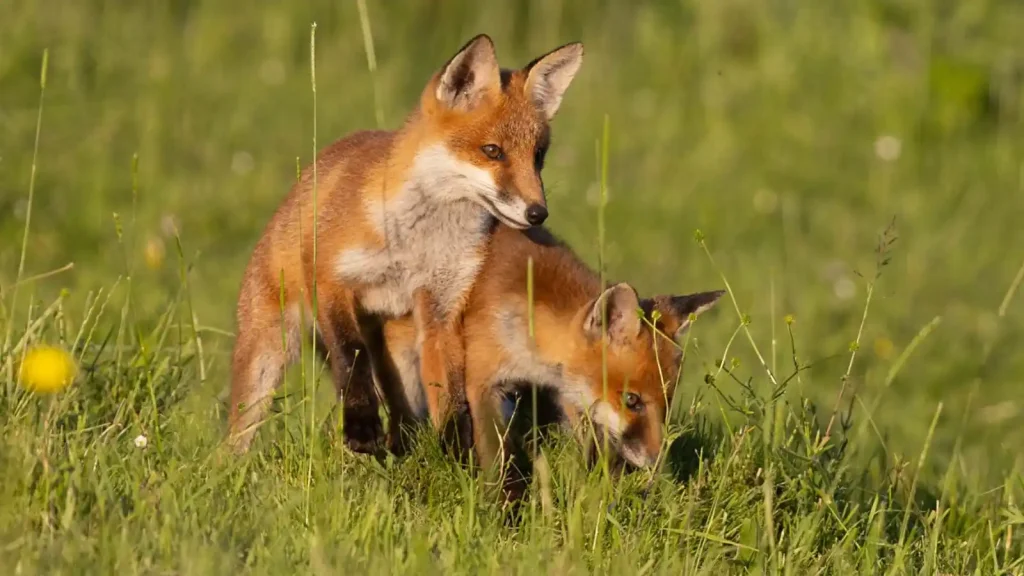
However, the night holds more than just bats. Owls are the iconic predators of the darkness, and Haddon Hall could well be home to a resident tawny or barn owl. Imagine the thrill of seeing one swoop silently through the camera’s beam, its large eyes fixed on its prey. Megan might share stories of their hunting techniques or the challenges they face finding food for their owlets. Furthermore, we might catch a glimpse of a badger snuffling through the undergrowth, its black and white stripes momentarily illuminated, or the shy, secretive movements of a fox on its nightly rounds.
These nocturnal encounters feel incredibly special, like being let in on a secret. They remind us that the world doesn’t simply go to sleep when we do; it transforms, revealing another layer of life, another set of stories. Megan’s segment acts as a bridge to this other world, fostering appreciation for the creatures that patrol the darkness. It’s a reminder that even when we can’t see it, nature’s drama continues, full of stealth, strategy, and survival, making the night-time segment a crucial highlight.
As the credits roll on another captivating instalment, we’re left with a renewed sense of wonder. Springwatch 2025 episode 3 delivered a rich tapestry of experiences, from the expansive beauty of the Peak District to the surprising wildness of Belfast and the moonlit mysteries of Haddon Hall. It showcased the dedication of our hosts and, more importantly, the incredible resilience and diversity of UK wildlife. It encourages us all to step outside, to look and listen a little more closely, because you never know what wonders you might find, right on your own doorstep.
The Wild Stories Waiting Just Beyond Our Doorstep
As another enchanting chapter of Springwatch draws to a close, we’re reminded of a profound truth that threads through every frame of this remarkable episode: the natural world isn’t something distant or separate from our daily lives—it’s woven into the very fabric of everywhere we are. Whether Chris and Michaela are revealing the intricate dramas unfolding in ancient Peak District woodlands, Iolo is uncovering Belfast’s urban wildlife secrets, or Megan is opening our eyes to the nocturnal mysteries of Haddon Hall, each segment reinforces the same beautiful reality: nature is perpetually performing around us, we just need to tune in to the right frequency.
What makes Springwatch so compelling isn’t merely the stunning cinematography or the expertise of its presenters—though both are exceptional—it’s the way it transforms our perception of ordinary spaces. That city park you walk through becomes a potential peregrine hunting ground. Those woods at the edge of town suddenly pulse with the possibility of hidden woodpecker nurseries. Even your own garden takes on new significance when you realize it might be a crucial corridor for hedgehogs or a vital refueling station for migrating birds. The programme doesn’t just show us wildlife; it teaches us to see our world through wildlife’s eyes.
Perhaps the most powerful lesson from this episode lies in its celebration of adaptation and resilience. From urban otters reclaiming city rivers to bats navigating ancient halls, these creatures remind us that life finds extraordinary ways to flourish, even in our rapidly changing world. Their stories aren’t just tales of survival—they’re masterclasses in flexibility, creativity, and hope. In a time when environmental challenges can feel overwhelming, these examples of thriving wildlife offer something invaluable: evidence that recovery and coexistence are possible when we create the right conditions.
The magic of Springwatch also lies in its ability to create a shared national conversation about the natural world. Across the UK, millions of viewers are simultaneously marveling at the same curlew call, holding their breath for the same owl sighting, and learning about the same conservation success stories. This collective experience builds something precious: a community of people who care about wildlife, who notice the seasons changing, who feel connected to something larger than themselves.
But here’s where the real adventure begins—not when the credits roll, but when you step outside with fresh eyes. Every dawn chorus becomes a soundtrack worth listening to. Every flutter in the hedge becomes a mystery worth investigating. Every urban green space transforms into a potential wildlife theater. The presenters have shown us the stage; now it’s our turn to discover the performances happening in our own neighborhoods.
So tomorrow morning, as you step outside, remember Chris’s keen eye, Michaela’s infectious enthusiasm, Iolo’s urban revelations, and Megan’s patient nighttime vigil. The wild stories they’ve shared are just the beginning. The most extraordinary wildlife documentary of all might be the one unfolding right outside your window—you just need to press play.
FAQ Springwatch 2025 episode 3
Q: What is Springwatch 2025 episode 3 about?
A: Springwatch 2025 episode 3 showcases Britain’s diverse wildlife across three distinct habitats. The episode features the Peak District’s Longshaw Estate, Belfast’s urban ecosystem, and Haddon Hall’s nocturnal world. Additionally, viewers witness spring migration patterns, urban wildlife adaptation, and nighttime animal behaviors through expert presenter commentary.
Q: Who are the main presenters featured in this episode?
A: Chris Packham and Michaela Strachan guide viewers through the Peak District’s Longshaw Estate, while Iolo Williams explores Belfast’s surprising urban wildlife. Furthermore, Megan McCubbin leads the nocturnal segment at historic Haddon Hall. Each presenter brings their unique expertise and infectious enthusiasm to their respective locations.
Q: Where are the filming locations for episode 3?
A: The episode spans three remarkable British locations: Longshaw Estate in the Peak District (a National Trust property), Belfast city center and surrounding urban areas, and the medieval Haddon Hall. Consequently, viewers experience ancient woodlands, bustling cityscapes, and historic grounds, demonstrating wildlife’s incredible adaptability across diverse environments.
Q: What wildlife can viewers expect to see?
A: The episode features pied flycatchers, woodpeckers, red grouse, and curlews in the Peak District. Meanwhile, Belfast showcases peregrine falcons, urban otters, and city-dwelling pollinators. Moreover, Haddon Hall reveals bats, owls, badgers, and foxes during nighttime filming. This diversity illustrates Britain’s rich wildlife across different habitats and time periods.
Q: What makes the Peak District segment particularly special?
A: Longshaw Estate offers three distinct ecosystems: ancient woodlands, expansive moorlands, and flowing rivers. This variety supports incredible biodiversity, from migrating birds to specialized aquatic species like dippers and kingfishers. Additionally, the estate’s varied landscape provides dramatic backdrops while showcasing how different species adapt to specific environmental niches.
Q: How does Belfast’s urban wildlife differ from rural locations?
A: Urban wildlife demonstrates remarkable adaptability, with peregrine falcons using skyscrapers as hunting perches and otters thriving in city rivers. However, these animals face unique challenges including traffic, pollution, and habitat fragmentation. Nevertheless, Belfast’s green corridors and conservation efforts prove that cities can successfully support diverse wildlife populations.
Q: What nocturnal animals are featured at Haddon Hall?
A: Megan McCubbin’s nighttime exploration reveals Britain’s after-dark wildlife, including various bat species detected through ultrasonic equipment. Furthermore, viewers might encounter hunting owls, foraging badgers, and elusive foxes. These nocturnal segments highlight how wildlife activity continues throughout the night, revealing behaviors rarely witnessed during daylight hours.
Q: What conservation messages does the episode convey?
A: The episode emphasizes wildlife resilience and adaptation while highlighting successful conservation stories, particularly urban otter recovery. Additionally, it demonstrates how protected areas like National Trust properties provide crucial wildlife habitats. Moreover, the program illustrates that every green space, regardless of size, contributes to biodiversity conservation and wildlife corridor creation.
Q: How can viewers get more involved in wildlife watching?
A: The episode encourages viewers to explore local parks, woodlands, and urban green spaces with fresh perspectives. Furthermore, simple activities like dawn chorus listening, urban bird watching, and nighttime garden observation can reveal surprising wildlife activity. Additionally, joining local wildlife groups and citizen science projects extends the Springwatch experience beyond television viewing.
Q: When and where can I watch Springwatch 2025 episode 3?
A: Springwatch 2025 episode 3 typically airs on BBC Two during the spring season, with episodes also available on BBC iPlayer for catch-up viewing. However, specific broadcast times and availability may vary by region. Therefore, viewers should check local BBC listings or the official Springwatch website for accurate scheduling information and streaming options.