animals

The Wonder of Animals - Bats

The Wonder of Animals – Bats

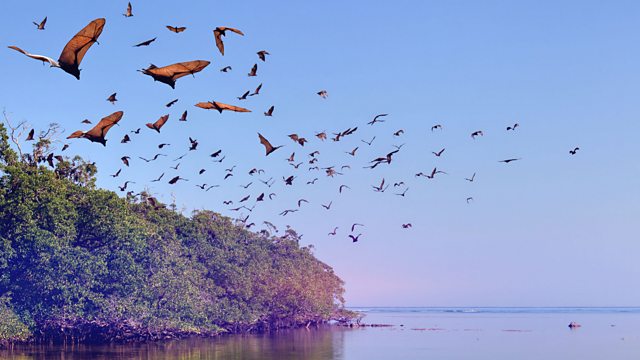
The Wonder of Animals – Bats: Bats have colonised remote corners of the planet to become one of most widespread mammals on earth. Chris Packham explores their incredible anatomy, physiology and senses to understand what enables them to thrive in some surprising places.     Tiny hairs on their wings give them a detailed air-flow map during flight, heat sensors on the nose of vampire bats means they can sense the most blood-rich areas of a prey’s body and iron oxide particles in the bat brain may act as a compass allowing them to find the most direct route back […]

The Wonder of Animals – Bats Read More »


The Wonder of Animals - Birds of Prey

The Wonder of Animals – Birds of Prey

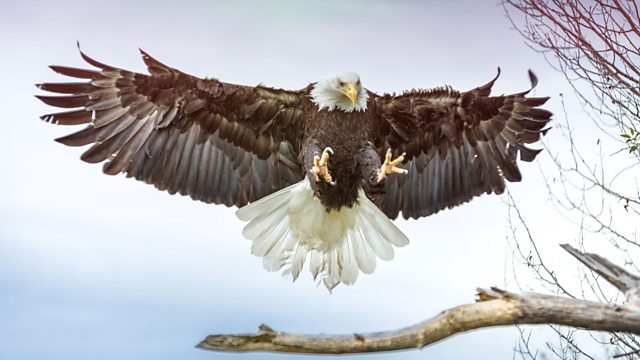
The Wonder of Animals – Birds of Prey: Chris Packham explores what enables birds of prey to rule the aerial roost. Their ability to dominate their fellow birds in terms of strength, manoeuvrability and phenomenal speed is down to a combination of anatomical and physiological adaptations.     Chris explains the internal workings of the bald eagle’s ratchet talons and how sharp eyes and a gyroscopic head enable the goshawk to keep its sight firmly fixed on both its prey and its surroundings as it tears through the undergrowth. New research reveals how pop-up feathers on the peregrine falcon’s back

The Wonder of Animals – Birds of Prey Read More »

The Wonder of Animals - Crocodiles

The Wonder of Animals – Crocodiles

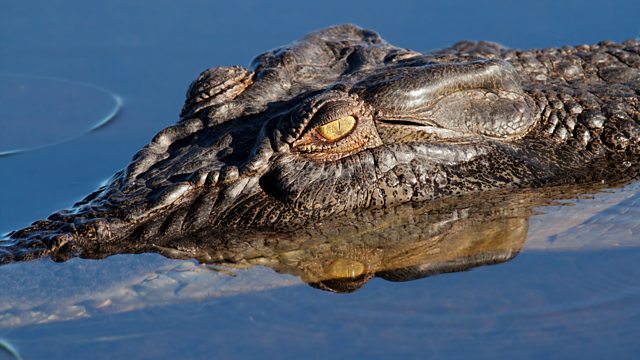
The Wonder of Animals – Crocodiles: Chris Packham explores what lies beneath a crocodile’s hard exterior to discover the secret to its 250-million-year history. It may look like a relic from a prehistoric world, but the crocodile boasts one of the most sophisticated physiologies on the planet. By following all stages of a crocodile hunt, from the warm-up to the ambush and the kill, Chris reveals how their extraordinary circulatory system enables them to hold their breath underwater for over an hour, how exceptionally sensitive skin detects their prey through water from over 20m away and how antibacterial blood means

The Wonder of Animals – Crocodiles Read More »


The Wonder of Animals - Foxes

The Wonder of Animals – Foxes

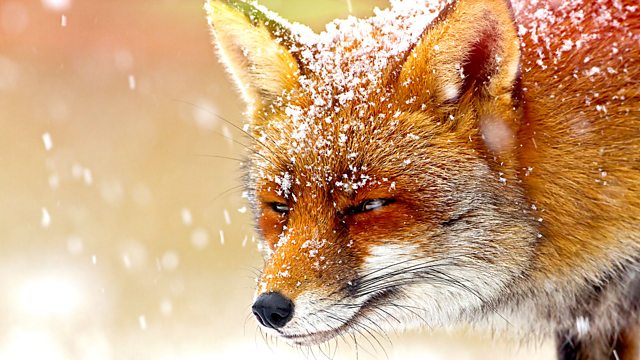
The Wonder of Animals – Foxes: Across the planet carnivores are struggling to compete in a world with a rocketing human population, but one predator is bucking the trend – the fox. Its numbers are increasing and its geographical range expanding.     Chris Packham explores the secrets to its success – its senses, its intelligence and its flexibility. New research reveals how its slit pupils enable it to hunt in the bright desert day; how it may be using the Earth’s magnetic field to determine the location of prey during a pounce; and how regular exposure to rotting food

The Wonder of Animals – Foxes Read More »

The Wonder of Animals - Penguins

The Wonder of Animals – Penguins

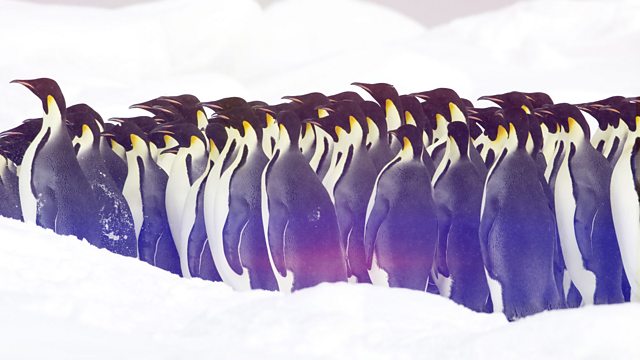
The Wonder of Animals – Penguins: Chris Packham explores what makes animal groups successful. He looks at how the penguin’s legs, wings and body shape have allowed it to adapt to a range of environments.     At first sight, penguins seem ill-suited to their environment – rotund abdomens, stubby little legs and stiff wings appear to make the going tough. But in fact it is these very traits that enable this bird to thrive. Chris explores details of the penguin’s anatomy, using new scientific research to reveal how its legs, wings and body shape have allowed it to conquer

The Wonder of Animals – Penguins Read More »


The Wonder of Animals - Bears

The Wonder of Animals – Bears

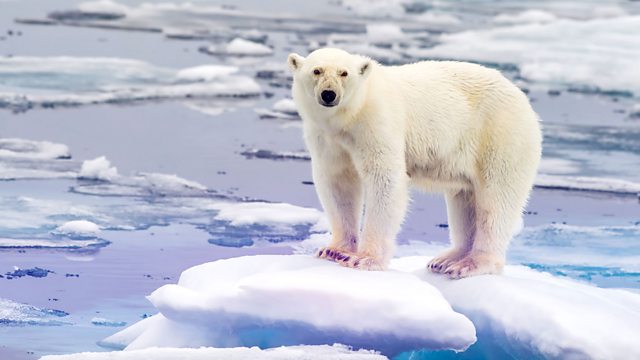
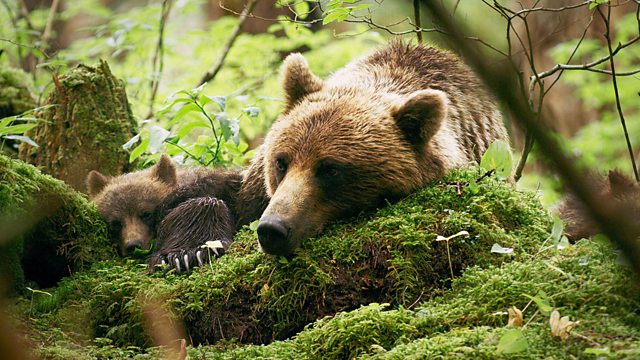
The Wonder of Animals – Bears: Bears can live in practically every habitat on Earth, from tropical jungles to the Arctic Ocean. Wherever they are found, they are capable of surviving extreme conditions and extracting the highest-quality food.     Detailing the latest research, Chris Packham explores the specialised adaptations that have enabled bears to thrive, including how a polar bear’s hollow fur allows it to feed throughout the gruelling Arctic winter, whilst a state of ‘walking hibernation’ sees it through the summer months. Series in which Chris Packham uses groundbreaking science and brand-new behaviour to delve deep beneath the

The Wonder of Animals – Bears Read More »

Heligan: Secrets of the Lost Garden

Heligan: Secrets of the Lost Garden

Heligan: Secrets of the Lost Garden – Looking at the secret lives of the wildlife in one of Britain’s favourite gardens. Shot by Charlie Hamilton-James, this film follows various animals, from the family of foxes that play after hours in the pleasure gardens to the toads in the Italian garden and the badgers that clear up the tea rooms at night. Set against the background of the gardening year, these stories reveal life behind the scenes at Heligan.     The Lost Gardens of Heligan are located near Mevagissey in Cornwall, England and are considered to be amongst the most

Heligan: Secrets of the Lost Garden Read More »


Life in Colour episode 2

Life in Colour episode 2

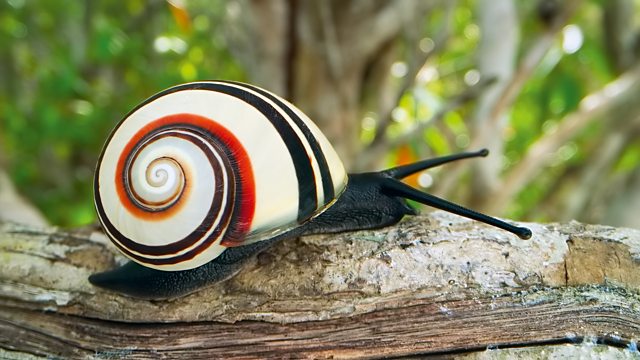
Life in Colour episode 2: David Attenborough reveals the extraordinary ways that some animals use colour to hide and disappear into the background. New science reveals how the Bengal tiger in central India uses its orange-black stripes to hide from its colour-blind prey. In Kenya’s Masai Mara, the zebra’s black-and-white pattern confuses predators with an extraordinary effect called motion dazzle. And on the island of Cuba, a small snail uses colourful stripes in a surprising way to hide from its enemies.     Other animals use colour to trick and to deceive. On Australia’s Great Barrier Reef, a blue-striped blenny

Life in Colour episode 2 Read More »

Life in Colour episode 1

Life in Colour episode 1

Life in Colour episode 1: Using the latest camera technology, David Attenborough reveals the extraordinary ways in which animals use colour: to win a mate, to fight off rivals and to warn enemies. The natural world is full of colours. For us, they are a source of beauty, but for animals they are a tool for survival. David Attenborough reveals the extraordinary ways in which animals use colour: to win a mate, to fight off rivals and to warn enemies. In India, peacocks dazzle females with magnificent tail feathers; a tiny hummingbird in the deserts of North America unfurls his

Life in Colour episode 1 Read More »

Patagonia: The Ends of the Earth

Patagonia: The Ends of the Earth

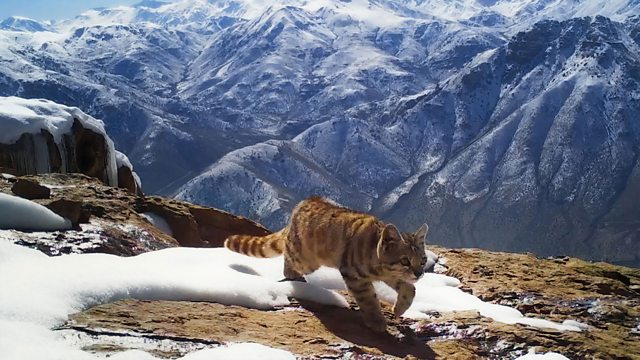
Patagonia: The Ends of the Earth: At the far tip of South America lies a magical realm that seems frozen in time: Patagonia, known as ‘the end of the world’. Voyaging from the high Andes to coastal fjords, we learn that to survive here you have to be as extreme as the country itself – either specialising in one habitat or being tough enough to live in them all.     Travel to the far corners of the planet and discover the secrets of Earth’s few remaining untouched lands, all brimming with life. Helena Bonham Carter introduces us to some

Patagonia: The Ends of the Earth Read More »

Alaska: Last American Frontier

Alaska: Last American Frontier

Alaska: Last American Frontier – In southeast Alaska, there’s an ice-bound Eden that harbours possibly the richest temperate rainforests of all. The vast majority of Alaska’s coastal temperate rainforests are old-growth, consisting primarily of Western hemlock, Sitka spruce, mountain hemlock, and Alaska yellow cedar. Mature coastal temperate rainforests are extraordinarily complex and stable habitats. Over thousands of years many wildlife species have evolved to exploit this habitat. Understanding the complexity of this habitat is only now beginning to emerge under scientific study.     Travel to the far corners of the planet and discover the secrets of Earth’s few remaining

Alaska: Last American Frontier Read More »

Galapagos: Enchanted Isles

Galapagos: Enchanted Isles

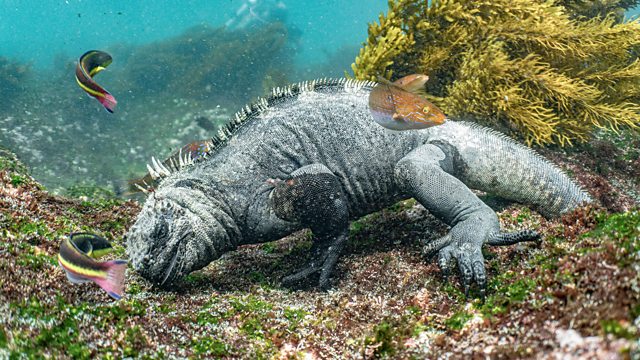
Galapagos: Enchanted Isles – A look at how the Galapagos became one of the most important areas of biodiversity in the world. Only the hardiest pioneers could reach this otherworldly outpost – tossed here by storms and strong currents, they found an unspoilt land of endless possibilities.     With no competition, they could rule supreme, turning this seemingly inhospitable place into their very own Eden. Now, the islands are home to almost 2,000 species found nowhere else, including 97% of its reptiles and mammals. Travel to the far corners of the planet and discover the secrets of Earth’s few

Galapagos: Enchanted Isles Read More »

Scroll to Top