Winterwatch 2026 episode 3 marks a groundbreaking moment in British wildlife television by eliminating music entirely, allowing viewers to experience the natural world through sound alone. This unprecedented approach strips away the familiar orchestral accompaniment that typically guides emotional responses, replacing it with the unfiltered chorus of birdsong, wind, and water that defines the British winter landscape. The decision represents more than a stylistic choice; it fundamentally transforms how audiences connect with the creatures and habitats featured throughout the programme.
The significance of this episode extends beyond mere novelty. By removing musical cues, the production team at Mount Stewart in Northern Ireland creates space for viewers to develop their own emotional responses to wildlife encounters. Chris Packham and his fellow presenters guide audiences through a winter world where every rustle, call, and splash carries authentic weight. The approach honours the integrity of nature itself, presenting wildlife behaviour without the manipulative undertones that artificial soundscapes can introduce.
This Winterwatch 2026 episode 3 broadcast encompasses an extraordinary range of subjects, from the elusive otter gliding through estate waterways to the remarkable adaptations of birds preparing for harsh conditions. The programme weaves together live observations from the Northern Irish location with specially filmed reports documenting wildlife across the United Kingdom. Each segment benefits from the music-free treatment, allowing natural soundscapes to tell stories that composed scores might otherwise overshadow.
The winter context proves essential to understanding the behaviours showcased throughout the episode. Animals face mounting pressures as temperatures drop and food sources dwindle, driving adaptations and survival strategies that the programme documents with remarkable intimacy. Mount Stewart provides an ideal setting for these observations, its historic grounds offering diverse habitats where creatures congregate during the coldest months. The estate’s waterways, woodlands, and gardens create a microcosm of British winter ecology.
Viewers encounter a cast of characters ranging from tiny goldcrests weighing barely six grams to substantial otters navigating icy waters. The programme demonstrates how different species respond to identical environmental pressures through vastly different strategies. Some birds, like fieldfares and redwings, undertake dangerous journeys from Scandinavia to exploit British food sources. Others, including resident species, adapt their behaviour and physiology to withstand conditions without migration.
The Winterwatch 2026 episode 3 presentation style encourages active engagement rather than passive viewing. Without musical cues signalling tension, wonder, or resolution, audiences must interpret wildlife behaviour directly. This approach demands more from viewers while offering richer rewards for those willing to listen closely to the authentic sounds accompanying each sequence.
Throughout the broadcast, presenters demonstrate genuine expertise and enthusiasm for their subjects. Their commentary provides context without overwhelming the natural soundscape that forms the episode’s defining characteristic. The balance between human explanation and environmental audio creates an immersive experience that distinguishes this instalment from typical wildlife programming.
The programme’s structure moves fluidly between live observation and pre-recorded segments, maintaining momentum while exploring diverse topics. From marine mammals to microscopic creatures, from dramatic hunting sequences to tender moments of animal care, the episode covers remarkable breadth without sacrificing depth. Each transition demonstrates thoughtful editorial choices that serve the music-free concept while delivering compelling content.
Winterwatch 2026 episode 3
The Otter Pursuit at Winterwatch 2026 Episode 3
The search for otters provides a compelling thread running through the Mount Stewart broadcast. These elusive mustelids move through the estate’s waterways with characteristic stealth, presenting significant challenges for wildlife observers hoping to document their behaviour. The programme demonstrates both the difficulty and the reward of patient otter watching, capturing moments that reveal these animals’ remarkable adaptations to aquatic life.
Otters represent one of Britain’s great conservation success stories, having recovered from near extinction in many regions during the twentieth century. Their presence at Mount Stewart indicates healthy waterways supporting the fish populations these predators require. The estate’s interconnected lakes and streams offer ideal habitat, providing hunting grounds, shelter, and travel corridors that otters need to thrive during winter months.
The programme reveals fascinating details about otter behaviour and biology. These mammals possess incredibly dense fur containing approximately one million hairs per square centimetre, creating waterproof insulation that allows activity in frigid conditions. Their streamlined bodies and webbed feet make them supremely adapted for aquatic hunting, while strong tails provide propulsion and steering. Whiskers detect prey movement in murky water where visibility fails.
Live cameras positioned around the estate capture tantalising glimpses of otter activity. The animals’ crepuscular habits mean dawn and dusk offer prime viewing opportunities, though winter’s extended darkness provides additional chances for observation. Presenters maintain vigilant watch while explaining the species’ ecology, building anticipation that the music-free format amplifies through natural tension rather than orchestral manipulation.
Birds of Winter and Their Remarkable Survival Strategies
Bird species feature prominently throughout the episode, showcasing the extraordinary diversity present in British habitats during coldest months. The programme examines both resident species that remain year-round and migrants that arrive specifically to exploit winter resources unavailable in their breeding grounds. Each strategy carries distinct advantages and risks that the broadcast explores through careful observation.
Fieldfares and redwings exemplify the migrant approach, travelling from Scandinavian breeding grounds to Britain when harsh northern winters make survival impossible. These thrushes face perilous journeys across the North Sea, with many perishing during severe weather or predation. Those reaching British shores find relatively mild conditions and abundant berry crops that sustain them until spring migration back to breeding territories.
Goldcrests represent an entirely different survival strategy. These tiny birds, Britain’s smallest species, remain resident throughout winter despite weighing mere grams. Their survival depends on constant feeding to maintain body temperature, requiring them to consume their own body weight in insects daily. The programme captures remarkable footage showing these diminutive creatures foraging even in challenging conditions, their high-pitched calls forming part of the natural soundscape.
Woodpeckers demonstrate winter adaptations through modified feeding behaviour. Great spotted woodpeckers attack bark and dead wood to extract invertebrates hidden within, their powerful beaks and reinforced skulls enabling sustained percussion that would injure other species. The characteristic drumming serves dual purposes: food acquisition and territorial advertisement that intensifies as breeding season approaches.
The programme also highlights corvids, particularly ravens and crows, whose intelligence allows behavioural flexibility unmatched by most birds. These species exploit diverse food sources, remember cache locations, and solve problems that demonstrate cognitive abilities approaching those of great apes. Winter observations at Mount Stewart reveal corvid behaviour that illustrates these remarkable mental capacities.
Marine Wildlife Encounters Beyond Mount Stewart
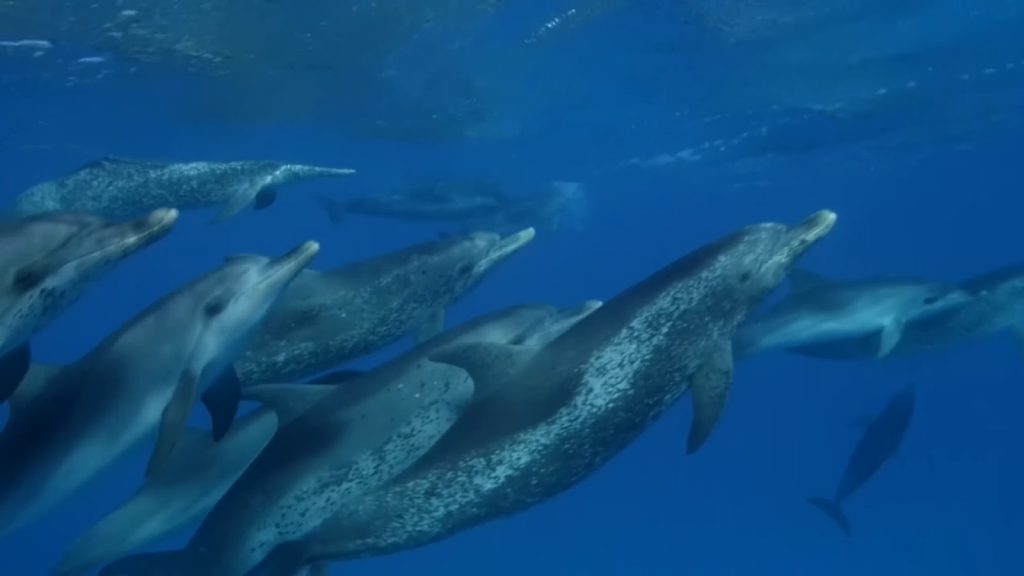
The Winterwatch 2026 episode 3 broadcast extends beyond its Northern Irish base to document marine wildlife around British coasts. Grey seals feature prominently, with footage capturing breeding colonies where pups face critical early weeks of life. These mammals represent one of Britain’s most significant marine conservation responsibilities, with substantial portions of the global population inhabiting UK waters.
Seal pups arrive weighing approximately fourteen kilograms but must rapidly gain weight before mothers depart to resume feeding. The nursing period lasts only three weeks, during which pups triple their birth weight through consumption of fat-rich milk. This intense growth phase requires mothers to fast entirely, drawing on blubber reserves accumulated during previous months of feeding. The trade-off between maternal investment and adult survival creates fascinating dynamics that the programme documents.
The marine segments benefit particularly from the music-free approach, allowing audiences to hear waves, wind, and animal vocalisations that convey coastal atmosphere authentically. Seal calls range from mournful howls to aggressive barks, each carrying communicative meaning that music would obscure. The natural soundscape immerses viewers in the seal colony environment more effectively than any composed accompaniment could achieve.
Beyond seals, the programme examines other coastal wildlife adapting to winter conditions. Seabirds concentrate on productive waters where fish populations provide sustenance through lean months. The interconnection between marine ecosystems and terrestrial habitats becomes apparent through species that bridge both environments, including the otters whose Mount Stewart presence depends partly on marine food sources.
Chris Packham Explores Winter Ecology at Winterwatch 2026 Episode 3
Chris Packham brings characteristic passion and expertise to his segments throughout the broadcast. His deep knowledge of ecology and behaviour enables explanations that illuminate wildlife observations without oversimplifying complex science. The presenter’s genuine enthusiasm proves infectious, drawing viewers into subjects they might otherwise overlook while maintaining rigorous accuracy.
Packham demonstrates particular interest in sensory ecology during this episode, exploring how animals perceive their environments through senses that differ dramatically from human experience. The music-free format supports this focus by emphasising the acoustic environment that many species navigate through hearing rather than sight. Birds especially rely on sound for communication, territory defence, and predator detection, making audio authenticity crucial for accurate representation.
The presenter’s commentary reveals connections between seemingly unrelated observations, constructing coherent ecological understanding from individual sightings. A single bird call might indicate species presence, territorial behaviour, alarm response, or mate attraction depending on context that Packham expertly interprets. This analytical approach transforms casual viewing into educational experience without becoming pedantic or inaccessible.
Throughout his segments, Packham advocates for conservation while avoiding preachiness that might alienate audiences. His concern for wildlife welfare emerges naturally from enthusiasm rather than lecturing, modelling engagement that viewers might adopt themselves. The presenter’s long association with British wildlife television lends authority to observations while his evident joy in nature proves that scientific understanding enhances rather than diminishes wonder.
Nocturnal Wildlife and the Secrets of Darkness
Winter’s extended nights provide exceptional opportunities for observing nocturnal wildlife that remains hidden during daylight hours. The programme deploys specialised camera technology to document creatures active in darkness, revealing behaviours invisible to casual observers. This nocturnal coverage forms a substantial portion of the broadcast, exploiting winter conditions that limit daytime filming opportunities.
Owls feature prominently among nocturnal subjects, their hunting strategies perfectly adapted to detecting prey in minimal light. Barn owls possess facial discs that channel sound toward asymmetrically positioned ears, enabling precise location of rodents moving through vegetation. Tawny owls demonstrate different adaptations, their larger eyes gathering maximum available light while exceptional hearing supplements visual detection. Both species benefit from winter conditions that reduce vegetative cover, exposing prey that summer growth would conceal.
Badgers emerge from setts despite cold temperatures, their thick fur and substantial body mass providing insulation against heat loss. These mammals alter winter behaviour compared to summer activity, reducing energy expenditure while still requiring regular foraging to maintain condition. The programme captures badger activity that illustrates these seasonal adjustments, showing animals balancing rest and activity according to environmental demands.
Foxes prove similarly adaptable, their winter coats growing thicker while behaviour shifts toward concentrated activity during productive periods. Urban foxes particularly demonstrate behavioural flexibility that enables exploitation of human environments alongside natural habitats. The nocturnal footage reveals fox hunting techniques, social interactions, and movement patterns that daytime observation would miss entirely.
Understanding Nature Through the Winterwatch 2026 Episode 3 Approach
The music-free concept underlying this episode reflects deeper philosophical questions about wildlife documentary conventions. Traditional programming uses composed scores to guide emotional responses, creating tension during hunting sequences and resolution when prey escapes or predator succeeds. This manipulation, however subtle, imposes human interpretive frameworks onto animal behaviour that operates according to entirely different logics.
By removing musical cues, the programme invites viewers to develop their own responses to wildlife footage. A hunting sequence becomes neither inherently tense nor triumphant but simply a survival behaviour observed without imposed emotion. This approach respects both animals and audiences, presenting wildlife as it exists rather than as human storytelling conventions would shape it.
The winter setting reinforces this authentic approach through environmental sounds that carry genuine emotional weight. Wind howling across exposed moorland, rain pattering on woodland leaves, and ice cracking under pressure create atmosphere without requiring musical enhancement. These sounds evolved alongside the wildlife inhabiting these environments, forming authentic acoustic contexts that composed scores can only approximate.
Presenters adapt their delivery to complement the music-free format, allowing more space between comments for natural sounds to register. This measured pacing contrasts with typical television styles that fill every moment with speech or music, instead trusting audiences to appreciate silence as meaningful rather than empty. The result demands active viewing but rewards attention with immersive experience unmatched by conventional programming.
Conservation Messages Woven Through Wildlife Observation
Throughout the broadcast, conservation themes emerge organically from wildlife observation rather than separate advocacy segments. Species success stories demonstrate positive outcomes from protective measures, while challenges facing particular populations highlight ongoing threats requiring continued attention. This integrated approach makes conservation relevant to viewers without disconnecting it from the engaging wildlife content that attracts audiences.
The otter recovery illustrates conservation success achieved through pollution control and habitat protection. These animals’ presence at Mount Stewart signals environmental quality that benefits numerous species sharing the same habitats. Legal protection, water quality improvements, and public education all contributed to recovery that seemed impossible during the species’ twentieth-century nadir.
Bird conservation receives attention through discussion of habitat management that benefits multiple species simultaneously. Hedgerow maintenance, woodland management, and garden practices all influence bird populations in ways individuals can affect through their own choices. The programme presents these possibilities without lecturing, demonstrating rather than demanding behaviour change that supports wildlife.
Climate change implications appear through observations of species ranges shifting and seasonal timing altering. Winter migrants arrive earlier or later than historical patterns, resident species encounter conditions outside their evolutionary experience, and food sources become mismatched with life cycles tuned to different environmental cues. These observations ground abstract climate concerns in concrete wildlife impacts that audiences can witness directly.
The Winterwatch 2026 Episode 3 Legacy for Wildlife Broadcasting
This groundbreaking episode potentially influences future wildlife programming through its demonstration that audiences accept—and perhaps prefer—authentic natural soundscapes over composed accompaniment. Production teams traditionally assume that music essential for maintaining viewer engagement, but the positive reception of music-free approaches challenges this assumption.
The technical achievements enabling high-quality natural sound recording deserve recognition. Capturing wildlife audio without intrusive noise from equipment, crew, or environmental interference requires sophisticated microphones and careful field craft. The production team demonstrates that such technical challenges can be overcome when creative vision demands authentic audio presentation.
Future episodes may adopt partial or complete music-free approaches based on response to this experimental instalment. Alternatively, the episode might remain a singular experiment, its lessons informing production choices without mandating complete abandonment of musical accompaniment. Either outcome demonstrates the value of creative risk-taking in wildlife broadcasting that can seem formulaic when repeating proven approaches indefinitely.
The programme ultimately succeeds because its music-free concept serves rather than overshadows compelling wildlife content. Otters, birds, seals, and countless other creatures provide inherent interest that needs no artificial enhancement. The Winterwatch 2026 episode 3 approach trusts this content to engage audiences directly, a confidence that the natural world consistently rewards for those willing to watch, listen, and learn.
FAQ Winterwatch 2026 episode 3
Q: What makes the Winterwatch 2026 episode 3 broadcast unique compared to previous episodes?
A: This groundbreaking episode eliminates all composed music, relying entirely on authentic natural soundscapes. Consequently, viewers experience wildlife through genuine environmental audio including birdsong, wind, and water. The production team at Mount Stewart crafted this approach to honour nature’s integrity. Furthermore, this format allows audiences to develop their own emotional responses without musical manipulation guiding their reactions.
Q: Where does Winterwatch 2026 episode 3 film its live segments?
A: The programme broadcasts live from Mount Stewart in Northern Ireland. This historic estate provides diverse habitats including interconnected waterways, woodlands, and gardens. These varied environments create an ideal setting for winter wildlife observation. Additionally, the location supports numerous species that congregate during the coldest months, making it perfect for documenting winter ecology.
Q: Why are otters featured prominently throughout the programme?
A: Otters represent one of Britain’s greatest conservation success stories. Their presence at Mount Stewart indicates healthy waterways supporting robust fish populations. These elusive mammals possess remarkable adaptations including fur containing approximately one million hairs per square centimetre. However, their crepuscular habits make observation challenging, requiring patient dawn and dusk watching sessions.
Q: Which bird species does Winterwatch highlight during winter months?
A: The programme showcases both resident and migrant birds demonstrating different survival strategies. Fieldfares and redwings travel from Scandinavia to exploit British berry crops. Meanwhile, tiny goldcrests remain resident despite weighing mere grams, consuming their body weight in insects daily. Woodpeckers and corvids also feature prominently throughout the broadcast.
Q: How does Chris Packham contribute to the Winterwatch 2026 episode 3 experience?
A: Chris Packham brings characteristic passion and deep ecological expertise to his segments. His commentary illuminates wildlife observations without oversimplifying complex science. Specifically, he demonstrates particular interest in sensory ecology, explaining how animals perceive environments differently than humans. His enthusiasm proves infectious while maintaining rigorous scientific accuracy throughout.
Q: What marine wildlife appears beyond the Mount Stewart location?
A: Grey seals feature prominently with footage capturing breeding colonies. Seal pups must triple their birth weight within three weeks through fat-rich milk consumption. The music-free format particularly benefits these segments, allowing authentic vocalisations ranging from mournful howls to aggressive barks. Additionally, various seabirds concentrate on productive winter waters.
Q: How does the programme cover nocturnal wildlife activity?
A: Winter’s extended darkness provides exceptional opportunities for nocturnal observation. The programme deploys specialised camera technology to document creatures active at night. Barn owls and tawny owls demonstrate remarkable hunting adaptations for minimal light conditions. Furthermore, badgers and foxes emerge from their shelters, revealing behaviours invisible to daytime observers.
Q: What conservation messages emerge from Winterwatch 2026 episode 3?
A: Conservation themes emerge organically through wildlife observation rather than separate advocacy segments. The otter recovery demonstrates success achieved through pollution control and habitat protection. Similarly, bird conservation receives attention through habitat management discussions. Climate change implications also appear through observations of shifting species ranges and altered seasonal timing.
Q: Why does removing music enhance the wildlife viewing experience?
A: Traditional programmes use composed scores to guide emotional responses, which can manipulate viewers. By contrast, the music-free approach presents wildlife behaviour without imposed interpretation. Wind, rain, and ice create authentic atmosphere that composed scores can only approximate. Therefore, this format respects both animals and audiences by presenting nature as it truly exists.
Q: What potential impact might this episode have on future wildlife broadcasting?
A: This experimental episode demonstrates that audiences accept authentic natural soundscapes over composed accompaniment. The technical achievements in capturing high-quality wildlife audio showcase sophisticated microphone work and careful field craft. Consequently, future productions may adopt partial or complete music-free approaches. The episode proves compelling wildlife content needs no artificial enhancement.