Rebuilding Notre-Dame episode 3: The Final Chapter
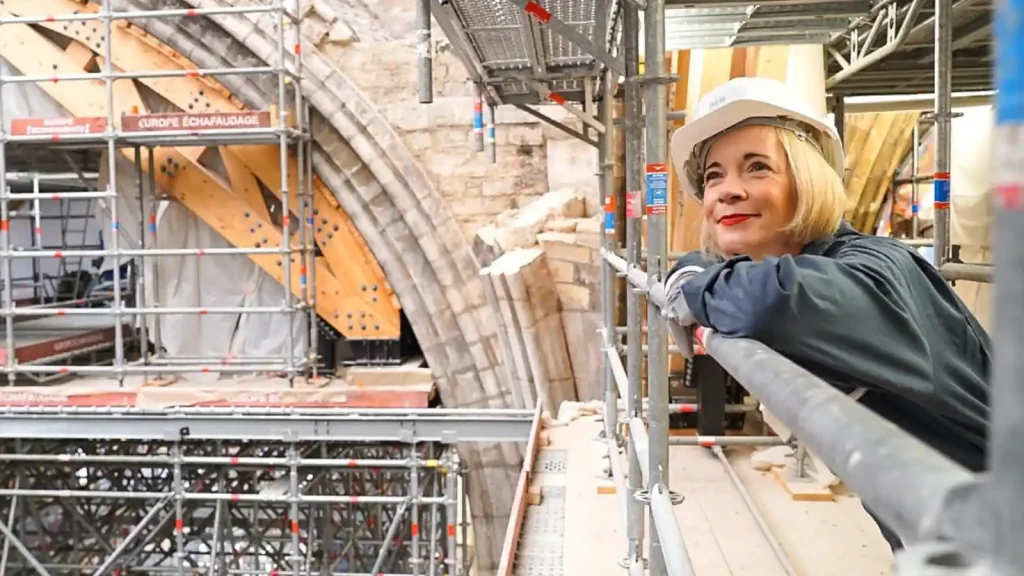
Five years after the catastrophic fire that threatened to destroy one of France’s most beloved landmarks, the restoration of Notre-Dame Cathedral is entering its final, crucial phase. In this third episode of the documentary series, renowned historian Lucy Worsley gains unprecedented access to the monumental rebuilding efforts as the historic cathedral prepares for its much-anticipated reopening.
The devastating blaze that engulfed Notre-Dame on April 15, 2019, sent shockwaves throughout the world. The sight of flames consuming the iconic spire as it collapsed through the cathedral’s roof became an unforgettable image of cultural tragedy. However, what emerged from those ashes was an extraordinary story of human determination, technical brilliance, and unwavering commitment to preserving architectural heritage.
As the documentary reveals, the restoration teams are now engaged in a meticulous race against time. The complex reconstruction of the roof and spire represents some of the most challenging aspects of the entire project. These elements not only define Notre-Dame’s distinctive silhouette on the Parisian skyline but also require exceptional craftsmanship to recreate using traditional methods.
The cathedral’s intricate wooden framework, known as “the forest” due to the massive oak beams that supported the roof for over eight centuries, presented a particular challenge. Master carpenters have employed medieval techniques to shape new timbers, connecting them using methods that have remained largely unchanged since the 13th century. Throughout this process, restoration experts have balanced historical authenticity with modern safety requirements.
Similarly, the rebuilding of Eugène Viollet-le-Duc’s soaring 19th-century spire has demanded precision and artistic sensitivity. The documentary follows the skilled craftspeople as they recreate elaborate decorative elements, including the copper statues that once adorned the spire’s base. Their work honors the cathedral’s Gothic heritage while ensuring its structural integrity for future generations.
Beyond the visible architectural features, the restoration has involved countless specialized interventions. Stonemasons have repaired damaged masonry, artists have cleaned and restored stained glass windows, and engineers have strengthened the cathedral’s overall structure. Furthermore, conservators have worked tirelessly to preserve artifacts and artworks that survived the fire but suffered smoke or water damage.
Throughout this final chapter of reconstruction, the teams have faced numerous obstacles. Weather conditions, supply chain disruptions, and the sheer complexity of working on such an intricate historical building have all tested their resolve. Additionally, the pressure of completing the restoration in time for the targeted reopening date has created a palpable sense of urgency that permeates every aspect of the work.
The documentary also explores the emotional dimension of the restoration. For many of the craftspeople involved, the project represents not just a professional challenge but a deeply personal commitment to preserving French cultural heritage. Their connection to Notre-Dame transcends mere employment—it embodies a link to centuries of artistic and architectural tradition.
As the cathedral approaches its reopening, anticipation builds among Parisians and admirers worldwide. Notre-Dame has always been more than just a religious structure; it stands as a symbol of French identity, a masterpiece of Gothic architecture, and a testament to human creativity and faith. Its restoration symbolizes resilience in the face of destruction and the enduring power of cultural landmarks to unite communities.
Through exclusive interviews with restoration directors, skilled artisans, and cultural historians, the documentary provides viewers with insights into both the technical challenges and the profound cultural significance of the rebuilding efforts. Lucy Worsley’s thoughtful narration guides audiences through the intricate processes while contextualizing the cathedral’s importance in French and world history.
Rebuilding Notre-Dame episode 3 – The Last Chapter
As scaffolding gradually disappears and the cathedral’s familiar silhouette reemerges on the banks of the Seine, the documentary captures a moment of transition. After years hidden behind construction barriers, Notre-Dame is preparing to welcome worshippers and visitors once again. The restoration, while respecting historical authenticity, has also incorporated subtle improvements to enhance the cathedral’s functionality and safety for decades to come.
The rebuilding of Notre-Dame represents not just a triumph of conservation but also a powerful example of international cooperation. Following the fire, donations poured in from around the globe, demonstrating the cathedral’s universal significance that transcends national boundaries. The project has united experts from diverse fields and backgrounds in service of a shared cultural goal.
As this final chapter of restoration concludes, Notre-Dame stands poised to begin a new era in its eight-century history. Rising literally from the ashes, the cathedral emerges not as a mere replica of its former self but as a living testament to human perseverance and our collective commitment to preserving the treasures of our shared heritage.
A New Dawn for the Heart of Paris
Five years ago, the world watched in disbelief as flames engulfed Notre-Dame Cathedral. That unforgettable image of the collapsing spire etched itself into our collective memory. It felt like more than a building was burning; a piece of history, a symbol of Paris itself, seemed lost. Yet, from those very ashes, an extraordinary story began to unfold. Today, as the final chapter of this monumental restoration draws to a close, we witness not just the rebuilding of stone and wood, but the reaffirmation of the human spirit.
The journey chronicled in this final phase reveals incredible dedication. Imagine master carpenters, working high above Paris. They meticulously shaped massive oak beams using techniques passed down through centuries. Similarly, skilled artisans painstakingly recreated the intricate details of the beloved spire. Their work wasn’t merely construction; it was a conversation with the past. Consequently, they balanced ancient craftsmanship with the needs of the present day. This delicate dance ensures Notre-Dame stands strong for generations yet to come.
Think of the cathedral’s framework, aptly nicknamed “the forest.” Recreating it required immense skill and respect for medieval methods. Meanwhile, stonemasons carefully healed the scars left by the fire on the ancient walls. Furthermore, artists breathed life back into stained glass, window by window. Behind the scenes, engineers fortified the structure, while conservators rescued precious artifacts. Each task, whether grand or intricate, played a vital role. It truly was a symphony of expertise, all working towards one goal.
This final push, however, wasn’t without its hurdles. The teams faced unpredictable weather and complex logistics. The sheer scale of restoring such a historic icon presented daily challenges. Moreover, the immense pressure to meet the reopening deadline added urgency to every action. Yet, through it all, the resolve of those involved never wavered. For many artisans, this project transcended a job. It became a deeply personal mission, a way to connect with centuries of French heritage. Their dedication is woven into the very fabric of the renewed cathedral.
As the scaffolding gradually recedes, Notre-Dame re-emerges, reclaiming its place on the Seine’s banks. Its familiar silhouette, once obscured, now signals resilience and rebirth. The cathedral has always been more than stone and glass. It’s a symbol of French identity, an architectural marvel, and a spiritual anchor for millions. Its restoration powerfully demonstrates our ability to overcome devastation. Indeed, it highlights the unifying power of cultural landmarks.
The outpouring of support following the fire was truly global. Donations arrived from every corner of the earth, proving Notre-Dame belongs not just to Paris, but to the world. This international cooperation became a hallmark of the rebuilding effort. Experts from diverse fields united, pooling their knowledge for this shared cultural purpose. Consequently, the project stands as a testament to what we can achieve together.
Now, anticipation fills the air in Paris and beyond. After years shrouded in construction, Notre-Dame prepares to open its great doors once more. It will welcome back worshippers and visitors, ready to inspire awe anew. The restoration, while faithful to history, subtly incorporates modern enhancements for safety and visitor experience. Therefore, the cathedral returns not merely restored, but renewed.
Notre-Dame stands poised to begin a new era. Rising phoenix-like from the embers, it is a living testament to human perseverance. It embodies our collective commitment to safeguarding the treasures we inherit. The heart of Paris beats strong again, a beacon of hope, artistry, and enduring faith for the future.
FAQ Rebuilding Notre-Dame episode 3 – The Last Chapter
Q: What happened to Notre-Dame Cathedral in 2019?
A: On April 15, 2019, Notre-Dame Cathedral in Paris suffered a devastating fire that severely damaged the iconic structure. The blaze consumed the cathedral’s wooden roof framework (known as “the forest”) and caused the collapse of the famous spire designed by Eugène Viollet-le-Duc. Additionally, the fire resulted in significant damage to the masonry, stained glass windows, and numerous artifacts housed within. This catastrophic event shocked the world and immediately prompted international efforts to save and restore this beloved symbol of French heritage and Gothic architecture.
Q: How long has the restoration of Notre-Dame Cathedral taken?
A: The restoration of Notre-Dame Cathedral has taken approximately five years since the devastating fire in April 2019. Throughout this period, teams of skilled craftspeople, architects, engineers, and conservators have worked meticulously to rebuild the damaged structure. Initially, the project focused on stabilizing the building and removing debris. Subsequently, restoration teams tackled the complex roof reconstruction and rebuilding of the fallen spire. The final phase, documented in “Rebuilding Notre-Dame episode 3: The Final Chapter,” shows the completion of these major structural elements and preparation for the cathedral’s much-anticipated reopening to the public.
Q: What special techniques were used to rebuild Notre-Dame’s wooden framework?
A: The reconstruction of Notre-Dame’s wooden framework, poetically nicknamed “the forest,” employed remarkable medieval carpentry techniques. Master craftspeople selected and shaped massive oak beams using methods that have remained largely unchanged since the 13th century. Furthermore, they utilized traditional joinery techniques to connect these timbers without relying on modern fasteners. This approach honored the cathedral’s historical authenticity while ensuring structural integrity. Nevertheless, the restoration team carefully balanced these traditional methods with modern safety requirements, incorporating subtle improvements to enhance fire resistance and structural stability. This harmonious blend of ancient craftsmanship and contemporary engineering exemplifies the restoration’s thoughtful approach.
Q: Who is Lucy Worsley and what is her connection to the Notre-Dame restoration?
A: Lucy Worsley is a renowned historian, author, and television presenter known for her engaging documentaries on historical subjects. In “Rebuilding Notre-Dame episode 3: The Final Chapter,” she gained unprecedented access to document the final phase of the cathedral’s restoration. As the host of this documentary series, Worsley provides thoughtful narration that guides viewers through both the technical aspects of the rebuilding process and the profound cultural significance of Notre-Dame. Her expertise helps contextualize the cathedral’s importance in French and world history, while her exclusive interviews with restoration directors, artisans, and cultural historians offer unique insights into this monumental conservation project.
Q: What were the biggest challenges faced during Notre-Dame’s restoration?
A: The restoration teams faced numerous significant challenges throughout the Notre-Dame rebuilding project. First, the sheer complexity of working on such an intricate historical building required exceptional precision and coordination among various specialized crafts. Weather conditions frequently complicated delicate operations, especially those conducted at great heights. Moreover, supply chain disruptions affected the timely delivery of materials, particularly the specially selected oak for the wooden framework. The pressure of completing the restoration by the targeted reopening date created constant urgency. Additionally, balancing historical authenticity with modern safety standards presented ongoing dilemmas for the conservation experts guiding this momentous undertaking.
Q: How was the spire of Notre-Dame Cathedral reconstructed?
A: The reconstruction of Notre-Dame’s soaring 19th-century spire, originally designed by Eugène Viollet-le-Duc, demanded extraordinary precision and artistic sensitivity. Skilled craftspeople meticulously recreated elaborate decorative elements, including the copper statues that once adorned the spire’s base. They relied on detailed historical documentation and surviving fragments to ensure authenticity. The documentary follows these artisans as they employed traditional metalworking techniques alongside modern engineering principles. Their work honors the cathedral’s Gothic heritage while simultaneously ensuring structural integrity for future generations. The rebuilt spire now stands as a testament to both historical reverence and contemporary craftsmanship, reclaiming its distinctive place on the Parisian skyline.
Q: What improvements were incorporated into Notre-Dame during its restoration?
A: While respecting historical authenticity, the restoration team thoughtfully incorporated several subtle improvements to enhance Notre-Dame Cathedral’s functionality and safety. Primarily, they integrated advanced fire prevention systems throughout the structure to prevent future disasters. Additionally, the wooden roof framework, though constructed using traditional methods, now includes more fire-resistant treatments and monitoring technology. The restoration also improved accessibility features for visitors with mobility challenges. Furthermore, the lighting systems were modernized to better showcase the cathedral’s architectural features while consuming less energy. These careful enhancements ensure Notre-Dame remains both a faithful historical monument and a functional space capable of serving visitors and worshippers for decades to come.
Q: How did the international community contribute to Notre-Dame’s restoration?
A: The international response to Notre-Dame’s tragic fire demonstrated the cathedral’s universal significance transcending national boundaries. Immediately following the disaster, donations poured in from around the globe, with individuals, organizations, and governments contributing to the massive funding required. Beyond financial support, the project united experts from diverse fields and countries, creating an unprecedented collaboration of conservation specialists. Many foreign institutions offered technical expertise, scientific analysis, and specialized equipment to assist in the complex restoration process. This worldwide cooperation highlighted Notre-Dame’s status as a shared cultural treasure and underscored the global commitment to preserving our collective architectural heritage for future generations.
Q: What specialized craftspeople were involved in restoring Notre-Dame?
A: The restoration of Notre-Dame Cathedral involved an extraordinary assembly of specialized craftspeople representing numerous traditional trades. Master carpenters skillfully reconstructed the intricate wooden framework using medieval techniques. Meanwhile, stonemasons meticulously repaired damaged masonry and sculpted replacement elements. Stained glass artists carefully cleaned and restored the cathedral’s magnificent windows. Additionally, metalworkers recreated the copper statues and decorative elements that once adorned the spire. Conservation experts preserved artifacts and artworks that survived the fire. Furthermore, engineers designed structural reinforcements, while architects coordinated the entire project. This remarkable collaboration of traditional crafts exemplifies how specialized knowledge, passed down through generations, remains essential for preserving our most treasured cultural monuments.
Q: What is the cultural significance of Notre-Dame Cathedral beyond its religious function?
A: Notre-Dame Cathedral transcends its religious function to embody remarkable cultural significance on multiple levels. First and foremost, it stands as an architectural masterpiece representing the pinnacle of French Gothic design. Additionally, the cathedral serves as a powerful symbol of French national identity and historical continuity. Literary works like Victor Hugo’s “The Hunchback of Notre-Dame” have further embedded the cathedral in global cultural consciousness. Moreover, Notre-Dame functions as a living museum of medieval craftsmanship and artistic achievement. The overwhelming international response to its near-destruction underscores its status as a shared heritage treasure. Consequently, the cathedral’s restoration symbolizes resilience in the face of destruction and demonstrates humanity’s enduring commitment to preserving our most significant cultural landmarks.