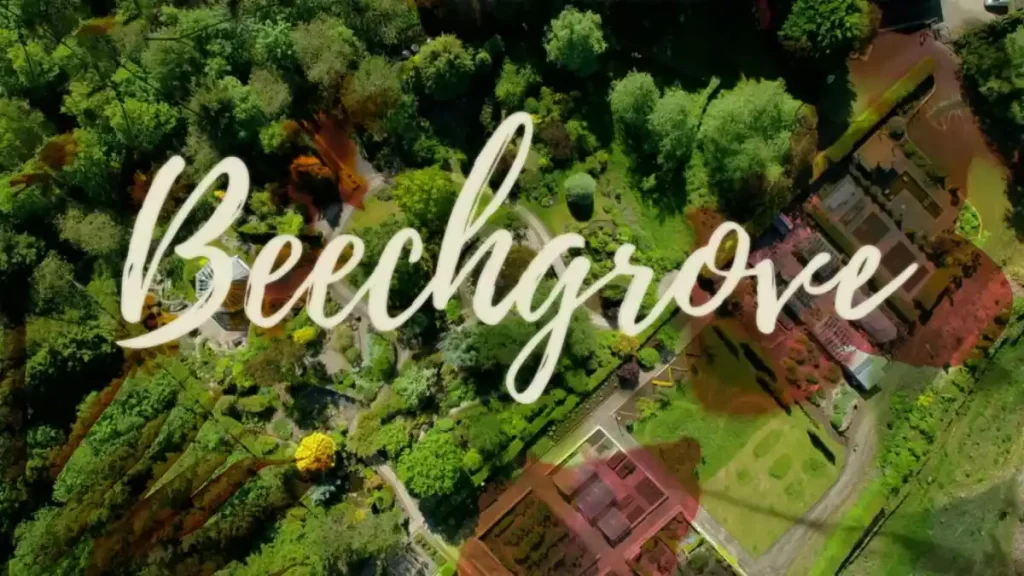
The arrival of June brings something magical to every garden, and The Beechgrove Garden 2025 episode 10 captures this transformation beautifully. As the gardening world awakens from spring’s gentle embrace, viewers witness how “Flaming” June ignites a spectacular display of color, fragrance, and productivity that makes every gardener’s heart skip a beat. This particular episode showcases the very essence of what makes gardening such a rewarding pursuit during the year’s most vibrant month.
When you step into your garden during June, you’re not just walking among plants – you’re entering a living symphony where every element plays its part in nature’s grand performance. The Beechgrove Garden team understands this intimately, and their latest episode demonstrates how passion, knowledge, and creativity combine to create gardening magic. Moreover, the timing couldn’t be more perfect, as gardens across the country are reaching their peak potential.
The episode opens with an exploration that feels like revisiting an old friend. Lizzie Schofield returns to the herb garden she lovingly revitalized during the previous summer, and her journey reveals how patience and dedication transform ordinary spaces into extraordinary havens. Furthermore, her approach shows viewers that gardening isn’t just about immediate results – it’s about nurturing growth over time and watching your vision slowly unfold.
Meanwhile, the greenhouse becomes a laboratory of innovation as Ruth Vichos tends to her tomato plants in her compact 6×8 space. However, this isn’t just another routine check-up. Ruth has embarked on an exciting experiment that compares hydroponic growing methods with traditional soil-based cultivation. Consequently, viewers get a front-row seat to witness how modern techniques can revolutionize even the smallest growing spaces.
The beauty of The Beechgrove Garden 2025 lies in its ability to inspire gardeners of every skill level and space limitation. Ruth’s vertical garden project exemplifies this perfectly, offering hope and practical solutions for those who believe limited space means limited possibilities. Additionally, the show proves that creativity often matters more than square footage when it comes to successful gardening.
Perhaps most touching is the episode’s visit to a groundbreaking project in the Cairngorms, where gardening becomes a bridge to healing and connection. This segment demonstrates how the therapeutic benefits of working with soil and plants can support patients living with dementia. Therefore, The Beechgrove Garden 2025 episode 10 transcends mere entertainment, becoming a testament to gardening’s profound impact on human wellbeing.
The Beechgrove Garden 2025 episode 10
Lizzie’s Herb Garden Renaissance
Returning to a garden you’ve nurtured feels like opening a favorite book and rediscovering beloved passages. Lizzie’s herb garden represents more than just a collection of culinary plants – it’s a masterpiece of planning, patience, and horticultural wisdom. As she walks through the transformed space, viewers can practically smell the aromatic herbs dancing in the June breeze.
The revitalization process began the previous summer, but the real magic happens when plants mature and find their rhythm. Similarly, Lizzie’s careful selection of herbs creates layers of texture, color, and fragrance that work together like instruments in an orchestra. From the silvery-green of sage to the vibrant emerald of basil, each plant contributes to the garden’s overall harmony.
Furthermore, Lizzie demonstrates how herb gardens serve multiple purposes beyond their obvious culinary applications. These plants attract beneficial insects, provide natural pest control, and create microclimates that support the broader garden ecosystem. Consequently, her approach shows viewers how thoughtful plant selection can solve multiple gardening challenges simultaneously.
Ruth’s Greenhouse Innovation Laboratory
Inside Ruth’s compact greenhouse, science meets passion in the most delightful way. Her hydroponic experiment represents the curious spirit that drives all great gardeners – the desire to understand, improve, and push boundaries. However, this isn’t about replacing traditional methods; it’s about expanding possibilities and understanding different approaches to growing food.
The comparison between hydroponic and soil-based tomato cultivation offers viewers valuable insights into both methods’ strengths and challenges. Additionally, Ruth’s transparent approach to documenting results provides practical information that home gardeners can apply to their own situations. The greenhouse becomes a classroom where theory meets practice, and viewers learn alongside Ruth as her experiment unfolds.
Moreover, the 6×8 space demonstrates that size doesn’t determine success in gardening. Through careful planning, vertical growing, and efficient use of every square inch, Ruth creates a productive space that rivals much larger growing areas. Subsequently, her methods inspire viewers who might feel limited by their available space.
Vertical Gardening: Growing Up, Not Out
Space constraints challenge many modern gardeners, but Ruth’s vertical garden project proves that limitations often spark the most creative solutions. Like a living wall of green, her vertical system maximizes growing potential while minimizing footprint. This approach transforms the traditional concept of garden space from horizontal to three-dimensional thinking.
The vertical garden showcases various plants thriving in their upward journey, creating a cascade of colors and textures that’s both functional and beautiful. Furthermore, this system demonstrates excellent water and nutrient efficiency, making it an environmentally conscious choice for resource-minded gardeners. Additionally, the ease of maintenance and harvesting makes vertical gardening particularly appealing for those with mobility considerations.
Therapeutic Gardening in the Cairngorms
The episode’s most profound segment takes viewers to the Scottish Cairngorms, where gardening transcends hobby to become healing therapy. This project illustrates how connecting with soil, seeds, and growing plants can unlock memories, spark conversations, and provide meaningful engagement for dementia patients. Therefore, the garden becomes more than a place of cultivation – it transforms into a sanctuary of hope and human connection.
The therapeutic benefits of gardening have been recognized for generations, but this project demonstrates systematic application of horticultural therapy in supporting cognitive health. Moreover, the natural beauty of the Cairngorms setting enhances the therapeutic environment, creating a space where healing happens naturally. Consequently, viewers witness gardening’s power to touch lives in the most meaningful ways.
The patients’ interactions with plants, soil, and growing cycles create moments of clarity and joy that extend far beyond the garden boundaries. Similarly, family members and caregivers discover new ways to connect and communicate through shared gardening activities.
As The Beechgrove Garden 2025 episode 10 concludes, viewers are left with a rich tapestry of inspiration, practical knowledge, and emotional connection. The episode beautifully captures June’s transformative energy while demonstrating how gardening enriches lives in countless ways. Whether you’re tending a sprawling landscape or nurturing plants in the smallest urban space, this episode reminds us that every garden tells a story worth sharing.
Where Gardens Meet Life’s Greatest Lessons
The Beechgrove Garden 2025 episode 10 leaves us with something far more valuable than gardening tips – it offers a blueprint for approaching life with the same patience, creativity, and hope that transforms seeds into flourishing landscapes. Like Lizzie walking through her revitalized herb garden, we’re reminded that the most meaningful achievements rarely happen overnight. Instead, they unfold through seasons of careful tending, thoughtful planning, and unwavering faith in potential yet unseen.
Ruth’s greenhouse experiments illuminate a profound truth that extends well beyond hydroponic systems and tomato yields. Her willingness to test new methods alongside traditional approaches embodies the curious spirit that drives all meaningful progress. Whether you’re working with a sprawling backyard or a modest balcony, her vertical gardening innovations prove that limitations often become the very catalysts for our most creative breakthroughs. The lesson resonates far beyond the garden gate: when we stop seeing constraints as barriers and start viewing them as design challenges, extraordinary solutions emerge.
Perhaps most powerfully, the therapeutic gardening project in the Cairngorms reveals how The Beechgrove Garden transcends entertainment to touch something deeply human. Watching dementia patients rediscover joy through soil and seeds reminds us that gardens serve as bridges – connecting us to our memories, to each other, and to the fundamental rhythms that sustain all life. These moments of clarity and connection don’t require perfect technique or expensive equipment; they need only presence, patience, and the simple act of nurturing growth.
The beauty of this particular episode lies in its democratic vision of gardening excellence. You don’t need expansive acreage or decades of experience to participate in the magic that unfolds each June. Whether you’re experimenting with hydroponics in a compact greenhouse, creating vertical growing systems, or simply tending a few herbs on a windowsill, you’re participating in the same ancient dance between human intention and natural possibility that has sustained communities for millennia.
As gardening enthusiasts across the country enter their own “flaming” June, The Beechgrove Garden 2025 reminds us that every garden tells a story worth sharing. Your story might involve transforming a neglected corner into an aromatic herb sanctuary, or it could center on maximizing productivity in minimal space through innovative growing techniques. Perhaps you’ll discover how working with plants becomes a form of therapy, offering solace during challenging times or creating opportunities for meaningful connection with loved ones.
The episode ultimately challenges us to think bigger about what gardening can accomplish. It’s not merely about producing beautiful flowers or bountiful harvests – though those rewards certainly matter. It’s about cultivating resilience, creativity, and hope in our own lives while contributing to something larger than ourselves. Every gardener who embraces this vision becomes part of a growing community that understands how tending the earth inevitably tends the soul.
So as you step into your own garden this season, carry with you the inspiration of Lizzie’s patience, Ruth’s innovation, and the profound healing witnessed in the Cairngorms. Remember that every seed planted, every system tested, and every moment spent nurturing growth contributes to a legacy of abundance that extends far beyond any single growing season. The true harvest of The Beechgrove Garden 2025 episode 10 isn’t measured in pounds of tomatoes or bunches of herbs – it’s found in the countless ways gardening transforms both landscapes and lives, one growing season at a time.
FAQ The Beechgrove Garden 2025 episode 10
Q: What is The Beechgrove Garden 2025 episode 10 about?
A: This episode captures June’s gardening magic through multiple segments. Lizzie Schofield revisits her revitalized herb garden, while Ruth Vichos experiments with hydroponic tomato growing in her compact greenhouse. Additionally, the episode features a therapeutic gardening project in the Cairngorms that supports dementia patients through horticultural therapy.
Q: Who are the main presenters featured in this episode?
A: Lizzie Schofield and Ruth Vichos serve as the primary presenters in this episode. Lizzie explores her herb garden transformation project, demonstrating how patience creates extraordinary spaces. Meanwhile, Ruth conducts innovative greenhouse experiments, comparing traditional soil-based cultivation with modern hydroponic growing methods in her compact 6×8 space.
Q: Why is June considered special for gardening?
A: June represents gardening’s peak month when plants reach maximum productivity and visual appeal. Furthermore, this period showcases spectacular displays of color, fragrance, and growth that make every gardener’s efforts worthwhile. The episode demonstrates how gardens across the country achieve their full potential during this vibrant growing season.
Q: What makes Lizzie’s herb garden renovation special?
A: Lizzie’s herb garden represents a year-long transformation project that began the previous summer. Her careful plant selection creates layers of texture, color, and fragrance working together harmoniously. Moreover, the garden serves multiple purposes beyond culinary use, attracting beneficial insects and providing natural pest control throughout the ecosystem.
Q: What hydroponic experiment does Ruth conduct in her greenhouse?
A: Ruth compares hydroponic growing methods with traditional soil-based tomato cultivation in her compact greenhouse space. This scientific approach allows viewers to witness both methods’ strengths and challenges firsthand. Consequently, her transparent documentation provides practical information that home gardeners can apply to their own growing situations.
Q: What are the main benefits of vertical gardening systems?
A: Vertical gardening maximizes growing potential while minimizing footprint requirements for space-constrained gardeners. These systems demonstrate excellent water and nutrient efficiency, making them environmentally conscious choices. Additionally, vertical gardens offer easier maintenance and harvesting access, particularly appealing for gardeners with mobility considerations or limited physical space.
Q: How does therapeutic gardening help dementia patients?
A: Therapeutic gardening unlocks memories, sparks conversations, and provides meaningful engagement for dementia patients through soil and plant interaction. Furthermore, these activities create moments of clarity and joy that extend beyond garden boundaries. The systematic application of horticultural therapy demonstrates significant benefits for supporting cognitive health and emotional wellbeing.
Q: What size greenhouse space does Ruth work with?
A: Ruth operates within a compact 6×8 greenhouse space, proving that size doesn’t determine gardening success. Through careful planning, vertical growing techniques, and efficient space utilization, she creates productivity levels that rival much larger growing areas. Subsequently, her methods inspire viewers who feel limited by available space constraints.
Q: Where is the therapeutic gardening project located?
A: The therapeutic gardening project takes place in the Scottish Cairngorms, where the natural beauty enhances the healing environment. This stunning location provides an ideal setting where gardening transcends hobby to become healing therapy. Moreover, the Cairngorms’ scenic backdrop creates a sanctuary where therapeutic benefits occur naturally and effectively.
Q: What growing methods does Ruth compare in her experiment?
A: Ruth systematically compares hydroponic systems against traditional soil-based cultivation for tomato production. Her experiment expands possibilities rather than replacing traditional methods, demonstrating different approaches to food growing. Additionally, viewers learn alongside Ruth as her greenhouse becomes a classroom where theory meets practical application through transparent result documentation.