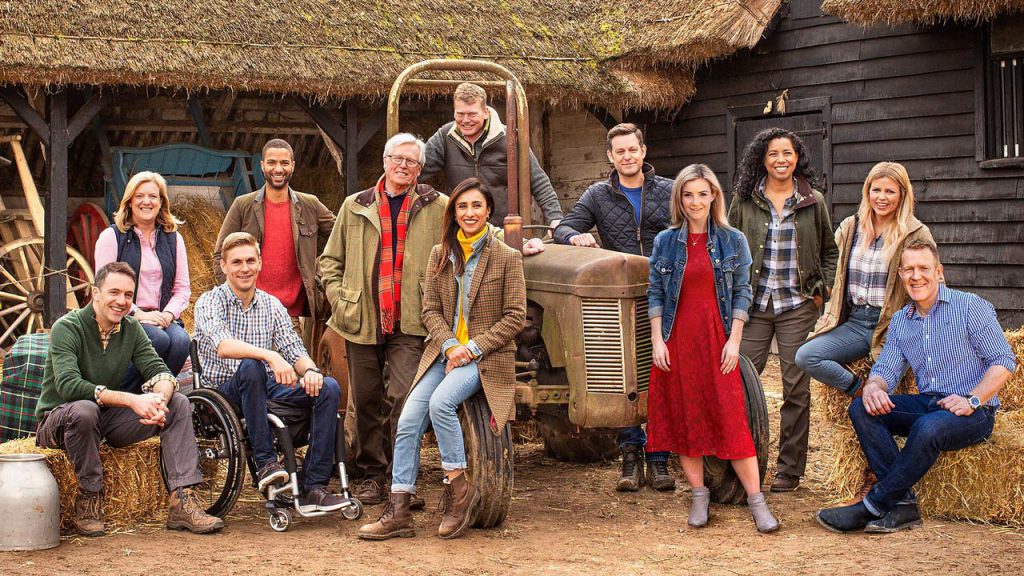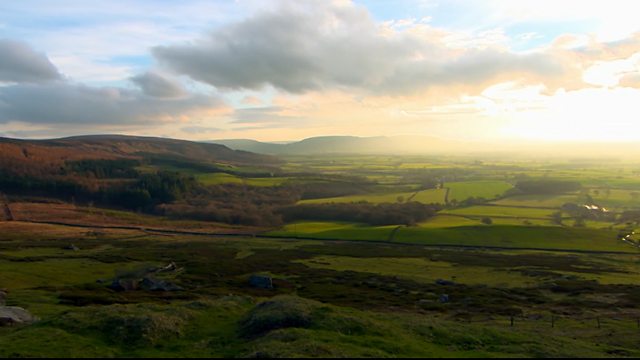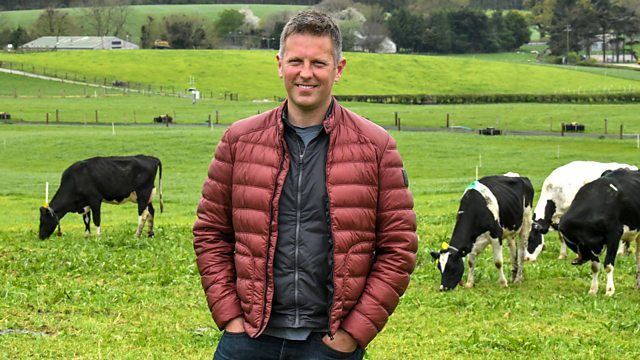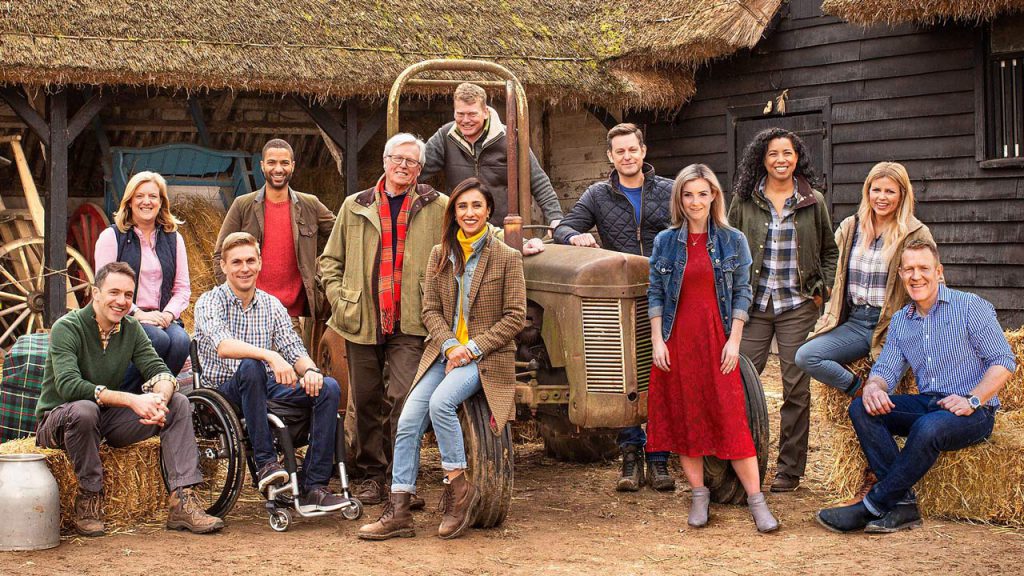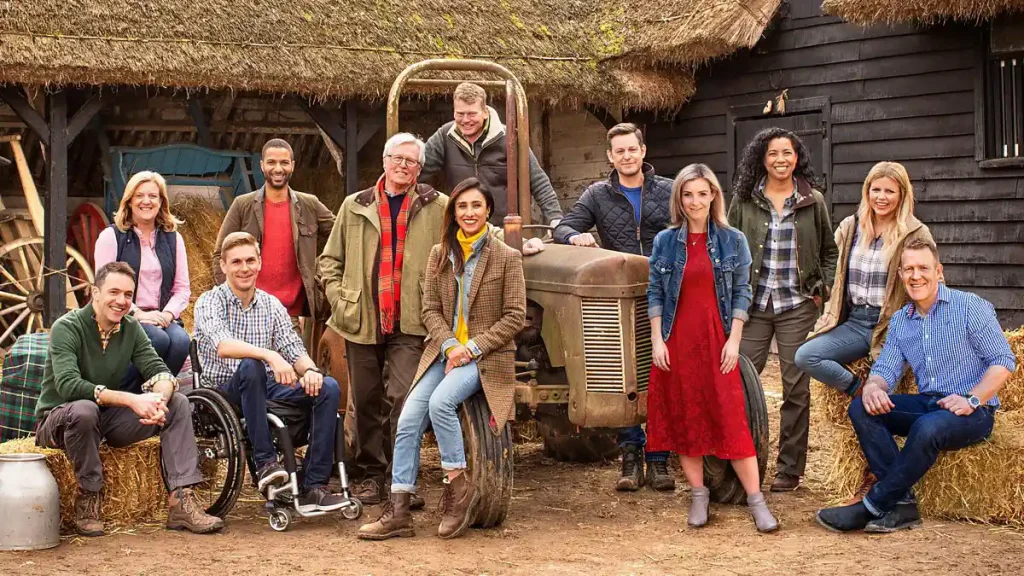
Countryfile – Seaton Wetlands: The summer solstice arrives like a whispered promise, a golden thread woven into the calendar marking the official, sun-drenched start of the season. It’s a time for celebration, for turning our faces towards the light and embracing the long, languid days. And what better way to welcome summer than with a trip to the seaside?
This year, we’re heading to the stunning East Devon coast, where the beloved program Countryfile is exploring how life by the sea is gracefully shifting with the currents of time. The destination is the charming resort of Seaton, a place where dramatic cliffs meet the gentle lapping of the English Channel, and at its heart lies a true ecological jewel: the magnificent Seaton Wetlands.
Join us as we follow presenters Matt Baker and Sammi Kinghorn on a journey through this unique landscape. They are here to discover the stories of resilience, adaptation, and timeless tradition that define this corner of the world. Seaton is more than just a picturesque town; it’s a living example of how communities can evolve, finding a delicate balance between preserving their heritage and embracing a more sustainable future. This visit isn’t just about skimming the surface; it’s about diving deep into the connections between the land, the sea, and the people who call it home. It’s a celebration of how a place can change for the better, nurturing both its wildlife and its local culture.
Have you ever returned to a place you haven’t seen in years? There’s a unique mix of nostalgia and surprise as you trace the outlines of your memories against the reality of the present. For Matt Baker, this trip is a personal pilgrimage. He’s coming back to a project that holds a special significance, a physical structure he helped create over a decade ago. It’s a powerful reminder that the small actions we take can ripple outwards, creating lasting change that we may not witness for many years. It’s a journey back in time, and also a testament to the enduring power of nature when given a helping hand.
At the center of this story is Seaton Wetlands, a sprawling nature reserve that acts as a vital sanctuary for countless species. This isn’t just a marshy patch of land; it’s a complex and thriving ecosystem. Imagine the gentle rustle of reeds in the coastal breeze, the flash of a dragonfly’s iridescent wings, and the still, reflective waters that mirror the vast Devon sky. The wetlands are a haven of peace, a place where the frantic pace of modern life seems to dissolve into the tranquil sounds of the natural world. It’s a living, breathing landscape, meticulously managed to provide a lifeline for wildlife.
The air here is filled with the sound of birdsong, a constant, beautiful chorus that speaks to the health of the habitat. Among the most charismatic residents are the sand martins. These nimble aerial acrobats, with their swift, darting flight and sociable chattering, are a true delight to watch. They arrive in the spring after a remarkable journey from Africa, seeking out sandy cliffs and banks to excavate their nesting burrows. Their presence is a sign of a healthy environment, and ensuring they have a safe place to raise their young is a top priority for conservationists in the area.
This episode, however, explores more than just the avian inhabitants. It delves into the rich tapestry of human life that is interwoven with this coastal environment. From the ancient craft of the wheelwright, a skill that literally kept the countryside moving for centuries, to the modern-day challenges faced by a fishing family whose traditions span generations. It’s a story of how people, like the nature that surrounds them, must adapt to survive and thrive. It’s about finding new ways to work with the environment, not against it, ensuring that these precious ways of life can continue for generations to come.
Countryfile – Seaton Wetlands
A Homecoming for the Sand Martins
Twelve years ago, Matt Baker was here, rolling up his sleeves and getting his hands dirty. He wasn’t just visiting; he was contributing to a lasting legacy by helping to construct a special nesting wall for sand martins. Now, he’s back to see the fruits of that labor. The wall, once a quiet monument of hope, now hums with life. It stands as a bustling, vibrant sand martin metropolis, a testament to a successful conservation effort. Seeing the birds flit in and out of the nesting holes they now call home is a powerful and emotional full-circle moment.
But his involvement doesn’t stop at observation. Consequently, Matt gets a unique opportunity to help the local conservation team ring the newest arrivals. This delicate process is crucial for understanding the lives of these migratory birds. A tiny, lightweight ring is carefully placed on a bird’s leg, acting like a passport that helps scientists track their movements, lifespan, and population trends. Holding such a small, wild creature in your hand, even for a moment, is a profound connection to the wider natural world. It’s a tangible link in the great chain of research and conservation that protects these incredible travelers.
Meanwhile, Sammi Kinghorn explores the broader picture of what makes Seaton Wetlands such a successful sanctuary. She learns that it’s a landscape of careful intention. The site is actively managed to support a rich diversity of birdlife, from the resident populations to the many migratory species that use it as a crucial stopover point. This involves controlling water levels to create ideal feeding grounds and managing the vegetation to provide safe nesting and roosting sites. It’s a continuous, thoughtful process, an intricate dance with nature to ensure this habitat remains a thriving refuge for years to come.
The Shifting Tides of a Fisherman’s Life
The story then moves from the wetlands to the open water, exploring a different kind of adaptation. We meet a fourth-generation fisherman, a man whose family history is written in the ebb and flow of the local tides. He shares how his way of life has been profoundly reshaped since their traditional fishing grounds became a protected marine area. This change wasn’t just a new rule; it was a fundamental shift that required his family to rethink practices that had been passed down for nearly a century. He provides a firsthand account of the challenges and, ultimately, the surprising benefits of this transition.
To understand the impact of this protection, Matt ventures out to explore what it has meant for the local marine life. The results are nothing short of spectacular. Beneath the waves, a world that was once under pressure is now teeming with renewed vitality. Sea grasses sway gracefully in the currents, providing a crucial nursery for young fish. Shoals of silver-skinned fish glitter as they move in unison, and the entire ecosystem shows signs of a remarkable recovery. It’s a powerful illustration of nature’s ability to bounce back when given the chance, a hopeful sign for the future of our oceans.
This underwater revival has, in turn, transformed the fisherman’s prospects. While he may have had to adapt his methods, the result is a more sustainable and resilient livelihood. The protected area has become an engine of abundance, ensuring that the marine resources he depends on will be there for his children and grandchildren. His story is a compelling example of how conservation and commerce don’t have to be at odds. Instead, they can work hand-in-hand, creating a future where both people and nature can prosper. It’s a narrative of resilience, foresight, and the courage to embrace change.
Forging the Future with Ancient Skills
Back on dry land, the journey into local heritage continues as Sammi gets hands-on with a truly ancient craft: wheelwrighting. For anyone unfamiliar with the term, a wheelwright is a master artisan who builds and repairs wooden wheels, a skill that was once the linchpin of rural society. Before the age of the engine, it was the wheelwright who kept the wagons, carts, and farm implements moving, connecting communities and enabling trade. Sammi steps into a workshop that feels like a portal to another time, filled with the rich, earthy smells of seasoned timber and hot iron.
She’s not just watching from the sidelines; she’s learning from a master craftsman who keeps this vital tradition alive. Sammi tries her hand at the precise and physically demanding work, feeling the satisfying heft of the tools and learning the secrets of shaping wood and steel into a perfectly functional wheel. The process is a fascinating blend of raw strength and delicate precision, from carving the spokes to the dramatic moment when a red-hot iron tyre is fitted onto the wooden rim, hissing and steaming as it cools into a perfect, unyielding circle.
This experience is more than just a quaint history lesson. It’s a celebration of craftsmanship and the enduring value of skills that are passed down through generations. In a world of mass production and disposable goods, the wheelwright represents a slower, more deliberate approach to making things that are built to last. Sammi’s encounter with this timeless craft is a poignant reminder that while technology may change, the human desire to create with purpose and passion remains a powerful and important force. This skill, which once kept the countryside moving, now serves as a vital link to our shared past.
Meanwhile, Back on the Farm…
Finally, we take a detour to the rolling hills of the Cotswolds for a familiar and beloved segment. Down on his farm, Adam Henson has his hands full with a delightful dose of chaos. He’s dealing with a group of boisterous young animals, full of the boundless energy and mischief that comes with youth. These youngsters are at a pivotal moment in their lives, getting ready to leave the herd and take their next steps into the wider world. It’s a scene that is both endearing and emblematic of the constant cycle of life on a working farm.
This segment provides a heartwarming contrast to the coastal stories, grounding us in the rhythms of the agricultural year. Adam explains the process and importance of this transition, whether the animals are being weaned from their mothers or moved to new pastures to graze. His patient and knowledgeable approach gives viewers a genuine insight into the daily realities of modern farming. It’s a world of hard work, careful planning, and a deep, abiding affection for the animals under his care.
This charming glimpse into farm life serves as a gentle conclusion to the episode’s broader themes. It’s a reminder that all across the country, from the managed wetlands of the coast to the bustling farmyards inland, there is a constant process of growth, change, and nurturing. Adam’s boisterous youngsters represent the next generation, the future of the herd, just as the newly ringed sand martins represent the future of their kind. It’s a fitting end to a journey that celebrates the enduring cycles of nature and human life.
This expansive summer solstice journey with Countryfile leaves us with a profound appreciation for the intricate connections that shape our world. From the triumphant return of sand martins to a man-made haven at Seaton Wetlands to a fisherman embracing a sustainable future, we’ve seen how change can bring renewal.
The episode beautifully weaves together the threads of conservation, heritage, and human resilience. It reminds us that progress doesn’t have to mean leaving the past behind, but rather, learning from it to build a more balanced future. Ultimately, the stories from Seaton are a powerful message of hope, demonstrating how a community can work in harmony with nature, ensuring that its unique coastal treasures, like the remarkable Seaton Wetlands, will continue to thrive for many solstices to come.
FAQ Countryfile – Seaton Wetlands
Q: What are Seaton Wetlands and where are they located?
A: Seaton Wetlands represents a magnificent nature reserve situated in East Devon along England’s stunning coastline. Furthermore, this sprawling ecological sanctuary serves as a vital habitat where dramatic cliffs meet the gentle waters of the English Channel. Additionally, the wetlands function as a meticulously managed ecosystem that provides crucial refuge for countless wildlife species while demonstrating sustainable conservation practices.
Q: Why are sand martins particularly important to Seaton Wetlands?
A: Sand martins serve as charismatic indicator species that reflect the overall health of the wetland ecosystem. Moreover, these nimble aerial acrobats undertake remarkable migrations from Africa each spring, seeking suitable sandy cliffs and banks for nesting. Consequently, their successful breeding at Seaton demonstrates the reserve’s effectiveness in providing safe habitat for migratory species while supporting international conservation efforts.
Q: How did Matt Baker’s sand martin nesting wall project succeed?
A: Twelve years ago, Matt Baker contributed to constructing a specialized nesting wall designed specifically for sand martin colonies. Subsequently, this structure transformed from a quiet monument of hope into a bustling avian metropolis. Furthermore, the wall now hums with life as birds successfully raise their young, demonstrating how targeted conservation infrastructure creates lasting positive environmental impact.
Q: What conservation management techniques maintain Seaton Wetlands’ success?
A: Conservation teams actively manage water levels to create optimal feeding grounds while carefully controlling vegetation growth for nesting sites. Additionally, this continuous process involves an intricate dance with natural systems to support both resident populations and migratory species. Moreover, bird ringing programs provide crucial data about movement patterns, lifespan, and population trends essential for long-term conservation planning.
Q: How has marine protection affected local fishing families?
A: Initially, establishing protected marine areas required fourth-generation fishing families to fundamentally rethink century-old practices and abandon traditional grounds. However, this transformation ultimately created unexpected abundance as sea grasses recovered and fish populations flourished. Consequently, fishermen now enjoy more sustainable livelihoods while marine ecosystems demonstrate remarkable resilience when given adequate protection and recovery time.
Q: What traditional crafts are showcased in the Countryfile episode?
A: The episode prominently features wheelwrighting, an ancient craft that once served as the backbone of rural transportation systems. Furthermore, master artisans demonstrate the precise techniques required to shape seasoned timber and hot iron into perfectly functional wheels. Additionally, this traditional skill represents a slower, more deliberate approach to craftsmanship that emphasizes durability and purposeful creation over mass production.
Q: Why does wheelwrighting remain relevant in modern times?
A: Wheelwrighting embodies timeless principles of quality craftsmanship and sustainable practice that contrast sharply with disposable consumer culture. Moreover, these traditional skills serve as vital links connecting contemporary communities to their shared heritage and cultural identity. Additionally, the craft demonstrates how human creativity and passion for purposeful work transcend technological changes while preserving invaluable knowledge for future generations.
Q: What wildlife can visitors typically observe at Seaton Wetlands?
A: Visitors frequently encounter diverse birdlife including resident species and seasonal migrants that use the wetlands as crucial stopover points. Furthermore, the reserve showcases iridescent dragonflies, thriving reed beds, and reflective waters that mirror Devon’s expansive skies. Additionally, the constant chorus of birdsong indicates ecosystem health while providing peaceful respite from modern life’s frantic pace.
Q: How does Adam Henson’s farm segment connect to coastal conservation themes?
A: Adam’s farm work with young animals mirrors the broader themes of growth, adaptation, and generational change explored throughout the coastal episodes. Moreover, his careful nurturing of livestock parallels conservation efforts that protect wildlife populations for future sustainability. Consequently, both farming and wetland management demonstrate how thoughtful stewardship ensures natural cycles continue thriving across different landscapes and communities.
Q: How does Seaton exemplify sustainable coastal community development?
A: Seaton successfully balances heritage preservation with environmental protection, creating a model for sustainable coastal living. Furthermore, the community demonstrates how conservation initiatives enhance rather than hinder economic prosperity through marine recovery and tourism opportunities. Additionally, their approach proves that embracing change while honoring traditional practices creates resilient communities capable of thriving alongside healthy ecosystems for generations.