
Countryfile – Forest of Bowland – Spring’s Symphony: Exploring the Forest of Bowland with Countryfile
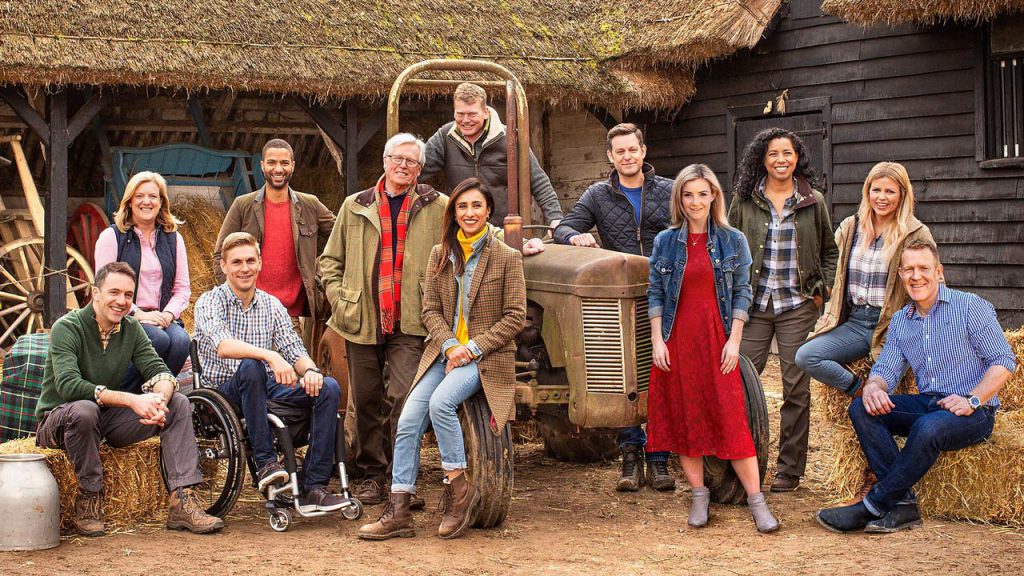
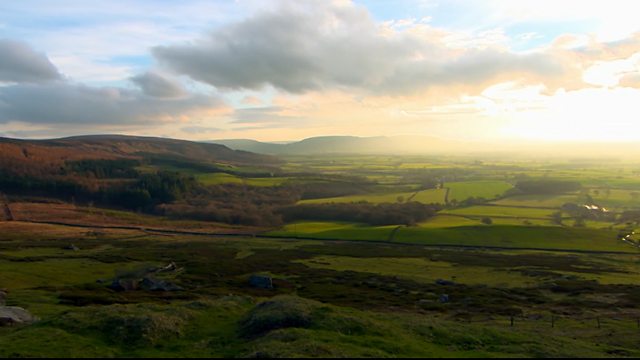
In the heart of northern England, where Lancashire meets Yorkshire, lies a hidden gem of natural beauty waiting to be discovered. The Forest of Bowland stretches across 312 square miles of breathtaking landscape, offering visitors an immersive experience into the wonders of spring. This season, Countryfile presenters Margherita Taylor and Joe Crowley invite viewers on an extraordinary journey through this Area of Outstanding Natural Beauty, engaging all five senses in a celebration of springtime’s finest offerings.
Despite its name, the Forest of Bowland isn’t primarily woodland. Instead, it encompasses vast moorlands, rolling hills, and picturesque valleys that collectively form a habitat of international importance. The region’s diverse ecosystems support an impressive array of wildlife, particularly upland breeding birds that find sanctuary in its expansive moorlands. While the natural landscape appears untouched by human hands, the surrounding farmland tells a different story – one shaped by generations of dedicated farmers whose agricultural practices have molded the terrain over centuries.
Many of these farming families have deep roots in the area, with knowledge and techniques passed down through multiple generations. What’s particularly noteworthy is how today’s farmers have embraced their role as environmental stewards, actively participating in conservation initiatives that protect and enhance the landscape they depend on. This partnership between agriculture and conservation represents a sustainable approach to land management that benefits both people and wildlife.
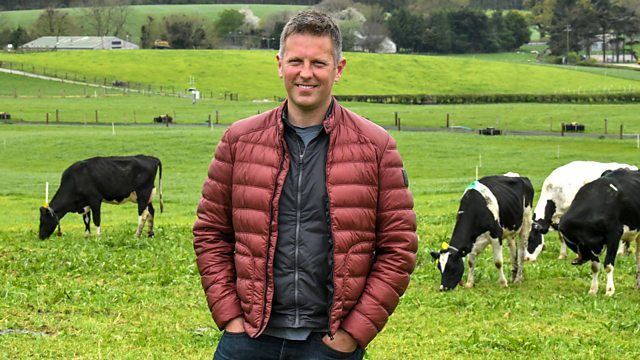
As Joe Crowley discovers, one of the most poignant conservation stories in Bowland involves the lapwing – a distinctive wading bird known for its peculiar peewit call that once epitomized the sounds of British springtime. Meeting with a third-generation farmer who collaborates closely with the Royal Society for the Protection of Birds (RSPB), Joe explores how targeted conservation efforts are making a meaningful difference to this iconic species.
“The lapwing’s decline has been nothing short of alarming,” explains the farmer as they walk through carefully managed fields. “Since 1967, we’ve witnessed a 62 percent reduction in their numbers across the UK. However, through thoughtful land management and dedicated conservation practices, we’re starting to see signs of recovery here in Bowland.”
These practices include adjusting grazing patterns to maintain ideal vegetation height, creating shallow wetland features where lapwings can feed, and timing agricultural operations to avoid disturbing nesting birds. The farmer demonstrates how these relatively simple interventions can be integrated into profitable farming systems, creating a win-win scenario for agriculture and wildlife.
As if on cue, the distinctive call of a lapwing pierces the spring air – a sound that was once commonplace but has become increasingly rare across much of Britain. This auditory connection to the past serves as a powerful reminder of what’s at stake in conservation efforts.
Higher in the uplands, Joe meets an innovative sound artist who uses field recordings to document and share the natural soundscape of Bowland. Working with specialized microphones that capture the subtlest environmental sounds, the artist collects audio snapshots of the region throughout the changing seasons.
“Sound connects us to nature in a uniquely emotional way,” the artist explains while setting up equipment beside a bubbling stream. “Visual appreciation requires focused attention, but sound envelops us completely. It triggers memories and creates a sense of presence that other sensory experiences often can’t match.”
The artist’s work goes beyond mere documentation. Through installations in urban galleries and online platforms, these soundscapes reach audiences who might never visit Bowland in person. The immersive audio experiences transport listeners to the heart of the forest, fostering a deeper appreciation for these precious environments and potentially inspiring conservation action.
Countryfile – Forest of Bowland
Through the Lens: Farming and Photography
Meanwhile, Margherita Taylor pairs up with a local photographer whose striking images capture both the natural beauty of Bowland and the vital role of farmers in maintaining this landscape. As they traverse the countryside, the photographer shares insights on how agricultural practices have shaped what many mistakenly perceive as “wild” terrain.
“What we see as natural beauty is often the product of centuries of human interaction with the land,” the photographer explains while framing a shot of stone walls cutting across verdant hillsides. “These field boundaries, the grazing patterns that create diverse vegetation heights, even the presence of certain wildflowers – they’re all influenced by farming decisions.”
Together, Margherita and the photographer roll up their sleeves to tackle seasonal farming tasks. From checking on newborn lambs to repairing dry stone walls damaged by winter storms, their hands-on experience highlights the continuous effort required to maintain this working landscape. Between tasks, the photographer seizes opportunities to capture the changing light on the hills and the vibrant signs of spring emerging across the countryside.
The resulting images tell a powerful story about the interdependence of farming and nature in Bowland. They challenge the common misconception that agriculture and conservation exist in opposition, instead showcasing how thoughtful land management can enhance biodiversity while producing food and supporting rural livelihoods.
A Taste of Spring
No exploration of Bowland’s sensory delights would be complete without sampling its distinctive flavors. Joe visits an artisanal cheesemaker whose spring cheeses capture the essence of the season in every bite. The process begins with milk from cows that graze on the lush spring pastures – fields rich with fresh clover, dandelions, and various grasses that thrive in the region’s microclimate.
“You can literally taste the landscape in our spring cheese,” the cheesemaker explains while cutting into a fresh wheel. “The milk changes dramatically throughout the year as the cows’ diet changes. Spring milk has particular sweetness and complexity that creates a completely different product from our winter cheese.”
Joe samples the cheese, noting how its flavor profile reflects the unique characteristics of Bowland’s springtime pastures. This connection between land, animals, and food production represents another way humans engage with and benefit from this special landscape – a relationship that goes back thousands of years.
The Shadow Side: Rural Fly-Tipping Crisis
While much of the program celebrates Bowland’s natural beauty and sustainable management, Countryfile also tackles a growing problem affecting rural areas nationwide. Datshiane Navanayagam investigates the alarming increase in fly-tipping across Britain’s countryside, where illegal waste dumping creates eyesores, damages ecosystems, and imposes significant financial burdens on both farmers and local authorities.
“It’s heartbreaking to see beautiful landscapes treated like garbage dumps,” says one farmer who recently discovered a massive pile of construction waste dumped at the entrance to one of his fields. “Beyond the obvious visual impact, there are serious risks to livestock, wildlife, and water sources if hazardous materials leach into the environment.”
Datshiane reveals the staggering costs associated with this problem: rural fly-tipping costs farmers and councils millions of pounds annually. Cleanup expenses, disposal fees, and lost productive time create financial pressures that many can ill afford during already challenging economic times for rural communities.
The investigation explores potential solutions, from increased surveillance and harsher penalties for offenders to community reporting initiatives and improved access to legitimate waste disposal facilities. Through this segment, Countryfile addresses an important environmental and economic issue while empowering viewers with knowledge about how they can help combat this growing rural problem.
A Symphony for the Senses
As the program concludes, viewers are left with a multisensory portrait of the Forest of Bowland in spring – a landscape where sight, sound, touch, smell, and taste combine to create an unforgettable experience. Through thoughtful conservation, sustainable farming, artistic interpretation, and traditional food production, the people of Bowland demonstrate how humans can live in harmony with nature while deriving both practical and aesthetic benefits from the land.
The Forest of Bowland serves as a powerful example of how landscapes shaped by centuries of human influence can still harbor exceptional biodiversity and natural beauty. As spring unfolds across its hills and valleys, Countryfile’s exploration reminds us of the importance of protecting such special places for future generations to experience with all their senses.
A Symphony of Conservation and Heritage
As the golden light of evening bathes the rolling hills of the Forest of Bowland, one cannot help but feel a profound connection to this remarkable landscape. Indeed, the journey through this Area of Outstanding Natural Beauty reveals more than just picturesque scenery. Furthermore, it tells a story of delicate balance between human stewardship and natural processes.
Throughout their exploration, Margherita Taylor and Joe Crowley have unveiled the multisensory tapestry that makes Bowland truly exceptional. From the haunting call of the recovering lapwing to the rich flavors of spring cheese, every element speaks to the intricate relationship between land, wildlife, and people. Moreover, this relationship has evolved over centuries of careful management.
The farmers of Bowland stand as modern-day guardians of ancient traditions. Nevertheless, they embrace innovation when it serves both agricultural productivity and conservation goals. Like conductors of a grand orchestra, they guide the rhythms of the land, creating harmony where discord might otherwise prevail. Their efforts, alongside those of conservation organizations, have transformed potential conflict into productive collaboration.
Artistic interpretations—whether through photography or sound recording—offer fresh perspectives on this timeless landscape. Consequently, they bridge the gap between rural realities and urban understanding, inviting new audiences to appreciate Bowland’s significance. These creative approaches, therefore, complement scientific conservation with emotional resonance.
Yet challenges undeniably remain. The blight of fly-tipping represents just one threat among many facing Britain’s countryside. However, the community’s resilience and determination to protect their heritage shine through as beacons of hope.
The Forest of Bowland teaches us valuable lessons about sustainable coexistence. Like a well-tended garden, it flourishes not through absence of human touch but through thoughtful intervention. This carefully choreographed dance between people and nature has created a landscape as culturally rich as it is ecologically diverse.
As we conclude our journey through Bowland’s spring awakening, we carry with us not just memories of stunning vistas but a deeper understanding of countryside stewardship. The true magic of places like Bowland lies in their ability to nurture both wild nature and human community simultaneously.
In this precious corner of northern England, the future of our countryside is being written daily by those who know it best. And that, perhaps, is the most hopeful melody in Bowland’s springtime symphony.
FAQ Countryfile – Forest of Bowland
Q: What is the Forest of Bowland and where is it located?
A: The Forest of Bowland is a 312 square mile Area of Outstanding Natural Beauty located in northern England, spanning the border between Lancashire and Yorkshire. Despite its name, it’s not primarily woodland but rather consists of vast moorlands, rolling hills, and picturesque valleys that collectively form a habitat of international importance for wildlife, particularly upland breeding birds.
Q: Why is the Forest of Bowland ecologically significant?
A: The Forest of Bowland harbors exceptional biodiversity with diverse ecosystems supporting an impressive array of wildlife. Moreover, it’s internationally important for upland breeding birds, including the endangered lapwing. Furthermore, the landscape represents a delicate balance between natural processes and centuries of human stewardship, creating a unique environment where carefully managed farming practices actually enhance biodiversity rather than diminish it.
Q: How are farmers contributing to conservation in the Forest of Bowland?
A: Farmers in the Forest of Bowland have embraced their role as environmental stewards through various conservation initiatives. They adjust grazing patterns to maintain ideal vegetation height for wildlife, create shallow wetland features where species like lapwings can feed, and time agricultural operations to avoid disturbing nesting birds. Many collaborate with organizations like the Royal Society for the Protection of Birds to implement these relatively simple interventions that integrate seamlessly into profitable farming systems.
Q: What wildlife species can visitors expect to see in the Forest of Bowland?
A: Visitors to the Forest of Bowland might spot the distinctive lapwing with its peculiar peewit call, which was once common throughout Britain but has declined by 62 percent since 1967. Additionally, the diverse moorlands support numerous upland breeding birds. Throughout the changing seasons, different wildlife emerges across the landscape, from newborn lambs in spring to various bird species that find sanctuary in the carefully maintained habitats created through the partnership between agriculture and conservation.
Q: What seasonal activities can visitors enjoy in the Forest of Bowland?
A: Spring in the Forest of Bowland offers a multisensory feast for visitors. They can hike across breathtaking landscapes while listening to distinctive bird calls, sample local artisanal products like spring cheeses that capture the essence of the season, photograph stone walls cutting across verdant hillsides, and experience the unique soundscapes that change throughout the year. Consequently, the region provides an immersive connection to nature that engages all five senses regardless of the season you visit.
Q: How has farming shaped the landscape of the Forest of Bowland?
A: What many perceive as “wild” terrain in the Forest of Bowland is actually the product of centuries of human interaction with the land. Field boundaries marked by stone walls, grazing patterns creating diverse vegetation heights, and even the presence of certain wildflowers are all influenced by farming decisions. Many farming families have deep roots in the area, passing down knowledge and techniques through multiple generations while adapting their practices to balance agricultural productivity with conservation goals.
Q: What conservation success stories exist in the Forest of Bowland?
A: One notable conservation success involves the lapwing, which has shown signs of recovery in Bowland despite alarming national decline. Through thoughtful land management and dedicated conservation practices, farmers working with organizations like the RSPB have created favorable conditions for this iconic wading bird. This collaboration demonstrates how potential conflict between agriculture and conservation can transform into productive partnership, creating win-win scenarios that benefit both people and wildlife.
Q: What challenges does the Forest of Bowland face today?
A: Despite its protected status, the Forest of Bowland faces several challenges, including the alarming increase in rural fly-tipping. This illegal waste dumping creates eyesores, damages ecosystems, and imposes significant financial burdens on both farmers and local authorities. Additionally, maintaining the delicate balance between conservation, agriculture, and tourism requires ongoing effort and cooperation among various stakeholders to ensure this special landscape remains protected for future generations.
Q: How are artists capturing and sharing the essence of the Forest of Bowland?
A: Artists engage with the Forest of Bowland in innovative ways that help bridge the gap between rural realities and urban understanding. Sound artists use specialized microphones to collect audio snapshots throughout the changing seasons, creating immersive experiences that transport listeners to the heart of the forest. Meanwhile, photographers capture both the natural beauty and the vital role of farmers in maintaining this landscape, telling powerful stories about the interdependence of farming and nature through their striking images.
Q: What makes the Forest of Bowland a model for sustainable landscape management?
A: The Forest of Bowland exemplifies how landscapes shaped by centuries of human influence can still harbor exceptional biodiversity. Like a well-orchestrated symphony, the region flourishes through thoughtful intervention rather than absence of human touch. Farmers act as conductors guiding the rhythms of the land, creating harmony between agricultural productivity and conservation. This carefully choreographed dance between people and nature has created a landscape as culturally rich as it is ecologically diverse, serving as a powerful model for sustainable coexistence.
Sir pls try to upload Ancient Aliens season 21 episode
1) Mysteries of the Aztecs
2) The Glowing orb phenomena pls pla sor