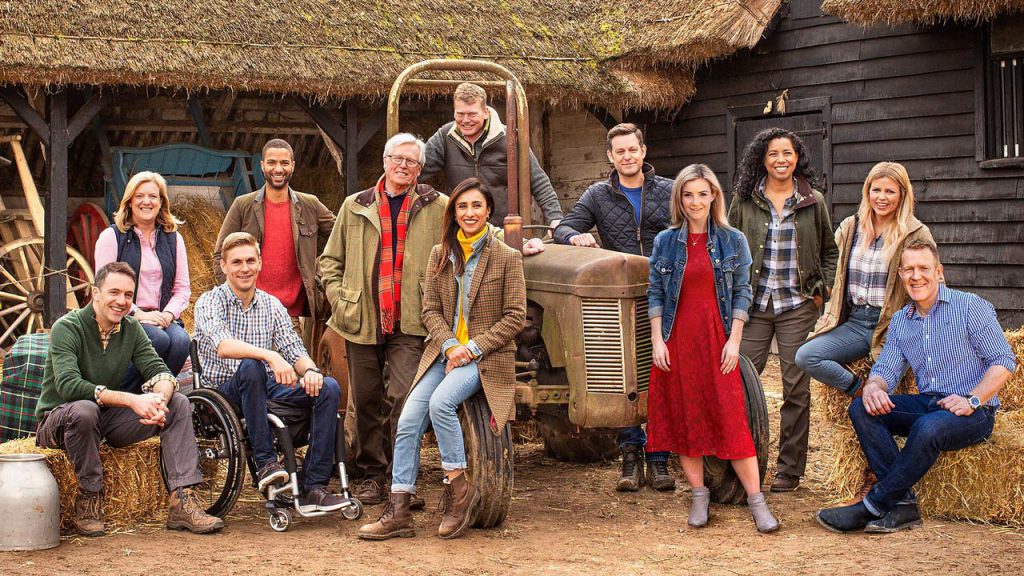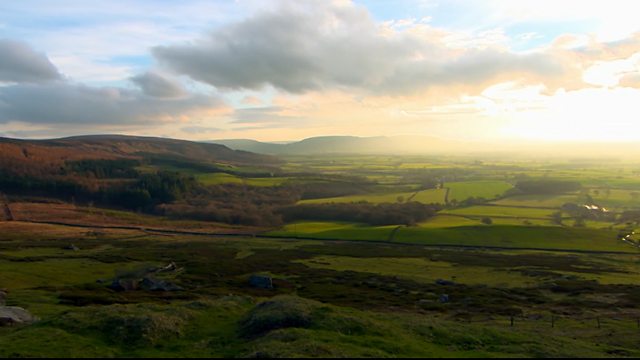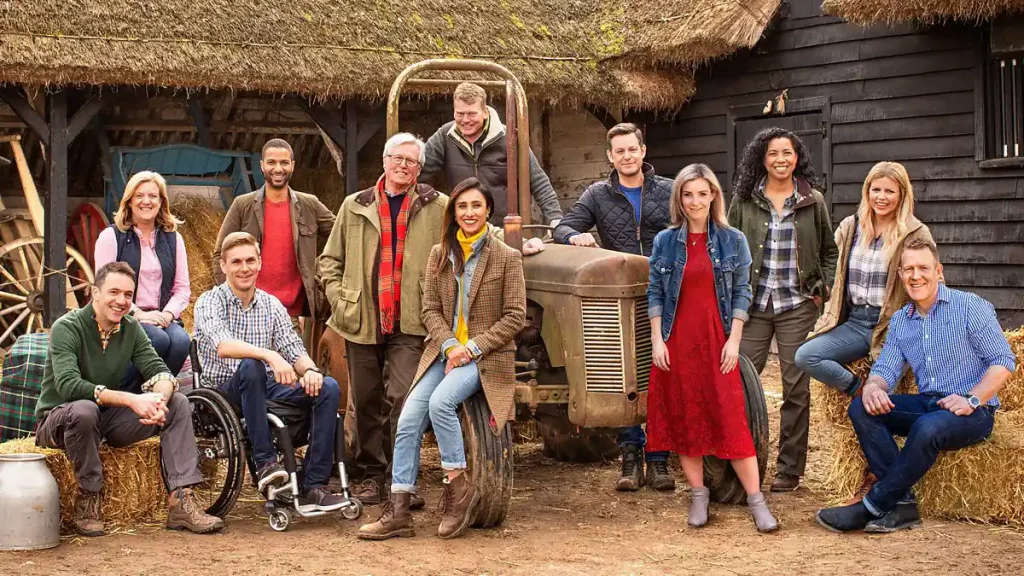
Welcome to the Wembury coast, a place where land meets sea in spectacular fashion. This episode of Countryfile, aptly titled “Wembury Coast,” invites us along with hosts John Craven and Vick Hope. They explore this stunning corner of South Devon. Here, the newly established Plymouth Sound National Marine Park protects a vibrant underwater world. John heads inland to meet the people shaping the landscape. Meanwhile, Vick delves into the coastal wonders. The episode beautifully captures the essence of spring. New life bursts forth, both on the clifftops and beneath the waves.
The narrative skillfully weaves together diverse stories. It follows John and Vick on their separate, yet connected, journeys. Vick starts with an unusual Easter egg hunt on Wembury Beach. She searches not for chocolate, but for mermaid’s purses. These are the empty egg cases of sharks, skates, and rays. This segment introduces the Shark Trust’s Great Egg Case Hunt. It’s a citizen science project mapping marine diversity. We learn how these simple cases reveal secrets about the local elasmobranch populations. Volunteers enthusiastically share their passion for conservation. Consequently, the hunt becomes a lesson in marine biology. It highlights the surprising variety of life just off the UK coast.
Following this, Vick ventures out to sea with marine biologists. They are part of the “Little Rays of Hope” project. Their mission is truly heartwarming. They release juvenile spotted rays into Plymouth Sound. These rays, actually a type of skate, were hatched and reared in captivity. The team carefully documented each ray’s unique spot pattern. This acts like a fingerprint for future identification. Furthermore, the release itself is handled with immense care. A special contraption lowers the rays gently into their new seagrass home. This emotional segment underscores the dedication behind conservation efforts. It powerfully connects viewers to these often-misunderstood creatures.
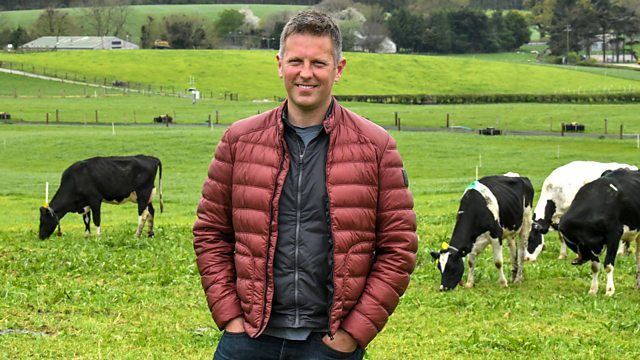
Meanwhile, John Craven explores the challenges of farming on the exposed clifftops. He meets Holly and Adam Atkinson, who manage a 500-cow organic dairy farm. They discuss adapting their practices to the coastal environment. The sea winds present unique difficulties, especially regarding soil dryness. Therefore, they’ve cultivated diverse pastures. These include deep-rooted plants like plantain and various clovers. This ensures their Jersey-Friesian cross cows have resilient grazing. John also learns about calf rearing near the sea. Holly, a former vet, explains the risks of sea fog and dampness for young lungs. Her meticulous care, like checking bedding dryness, is vital. This segment provides a grounded look at agricultural life. It reveals the constant adjustments required by nature.
John’s inland journey continues with conservation efforts for pollinators. He visits a project creating habitats for rare solitary bees. Many of these crucial pollinators are in decline due to habitat loss. The South Devon coast is a vital stronghold for species like the long-horned bee. Rich Snow from the National Trust plants bee-friendly trees like blackthorn.
These provide essential early nectar sources. Later, Sam Skevington from Buglife demonstrates building a bee bank. This structure offers nesting sites for mining bees. These bees are incredibly efficient pollinators. Finally, John helps sow a wildflower meadow. This provides a direct food source for the bees. This part of the episode beautifully illustrates practical conservation. It shows how targeted actions can support vital ecosystems.
Interspersed with these main threads are other compelling stories. A local marine photographer, Paul Naylor, shares his passion. His underwater footage reveals a hidden world teeming with life. He highlights the complex behaviours of fish like the corkwing wrasse and tompot blenny. His anecdotes, like following the life of Bertram the blenny, add personality. Naylor emphasizes that UK waters hold wonders comparable to coral reefs. His work serves as a powerful call to appreciate and protect local marine environments.
Additionally, the episode features a segment from Norfolk. Adam Henson visits the UK’s only outdoor commercial tulip grower. This offers a fascinating glimpse into large-scale flower farming. We see the journey from greenhouse to processing plant. Mark Eves explains the technology and care involved. This contrast between wild coasts and cultivated fields broadens the episode’s scope. It touches upon the business side of Britain’s connection to nature.
John Craven and Vick Hope are engaging guides. Their easy chemistry and genuine curiosity draw viewers in. They interact warmly with the experts and locals they meet. Holly and Adam Atkinson share their farming life with openness. Cat Gordon and Ali Hood from the Shark Trust clearly explain their work. Alix Harvey’s passion for the spotted rays is palpable and infectious. Paul Naylor speaks eloquently about the underwater world he documents. The volunteers encountered, both on the beach and building bee banks, add authentic enthusiasm. These performances feel natural, enhancing the episode’s authenticity. Everyone involved seems genuinely invested in their subject.
The writing effectively balances information with human interest. Dialogue feels unscripted and natural. Explanations of scientific concepts, like egg case identification or bee ecology, are clear and accessible. The script avoids overly technical jargon. It focuses instead on the stories and the “why” behind the conservation efforts. Sentences are generally concise, maintaining a good pace. Transition words are used frequently, ensuring smooth flow between segments. For example, the shift from Vick’s beach hunt to John’s farm visit feels logical. The overarching theme of spring and new beginnings provides a strong narrative thread. The use of metaphors, like the ray spots being “fingerprints,” adds depth.
Several key themes emerge throughout the episode. The most prominent is the interconnectedness of life. Actions on land, like farming practices or habitat creation, directly impact marine and terrestrial ecosystems. Conservation is another central theme. The episode showcases multiple approaches, from citizen science to dedicated rearing programs and habitat restoration. It emphasizes that conservation requires both scientific knowledge and community involvement. Hope permeates the narrative. Despite challenges like overfishing and habitat loss, there’s a sense of optimism. Projects like releasing rays or building bee banks represent tangible steps towards recovery. Finally, the episode celebrates the unique beauty and biodiversity of the UK’s natural spaces.
This Wembury Coast episode fits perfectly within the Countryfile series framework. It blends stunning visuals of the British landscape with stories of rural life, agriculture, and conservation. Like many Countryfile episodes, it highlights regional distinctiveness while addressing broader national issues. The focus on a specific location, the Plymouth Sound National Marine Park, allows for in-depth exploration. Yet, the themes of environmental stewardship and the changing seasons resonate universally. The inclusion of Adam Henson’s segment from Norfolk adds variety, a common feature of the show. It maintains the program’s familiar, comforting, yet informative tone.
Countryfile – Wembury Coast
Assessing its strengths, the episode excels in its visual storytelling. The coastal scenery is breathtakingly captured. Underwater sequences provide fascinating glimpses into marine life. The emotional core, particularly the ray release, is genuinely moving. It successfully balances multiple storylines without feeling disjointed. The pacing is excellent, keeping the viewer engaged throughout. Furthermore, the emphasis on positive action and community involvement leaves a lasting impact. It inspires viewers to connect with nature in their own areas.
Weaknesses are minimal. Some viewers might desire even deeper dives into specific scientific aspects. The sheer number of segments means each receives limited time. For instance, the tulip farming section, while interesting, feels slightly detached from the main Wembury focus. However, this is characteristic of the Countryfile format, aiming for breadth. Perhaps more could have been explored regarding the challenges facing the National Marine Park itself, beyond its establishment. But these are minor points in an otherwise strong offering.
“Countryfile – Wembury Coast” is a superb episode. It delivers a rich tapestry of stories woven around a stunning location. It expertly blends natural history, conservation science, and human interest. The presenters guide us with warmth and enthusiasm. The featured individuals share their passions convincingly. The episode succeeds in being both informative and emotionally resonant. It celebrates new life, acknowledges challenges, and ultimately offers rays of hope for the future of Britain’s precious natural world. It’s a compelling hour of television that entertains, educates, and inspires.
Conclusion Countryfile – Wembury Coast: Where Land Meets Sea
The Wembury Coast episode of Countryfile stands as a testament to Britain’s extraordinary natural heritage. Through John Craven and Vick Hope’s exploration, we’ve witnessed how this special corner of South Devon pulses with life and possibility.
As spring unfolds across the clifftops and beneath the waves, we’ve journeyed from mermaid’s purses on sandy shores to the gentle release of spotted rays into their seagrass sanctuaries. Furthermore, we’ve walked alongside dedicated farmers who adapt daily to coastal challenges, proving that human ingenuity and respect for nature can coexist harmoniously.
The episode, much like the ecosystems it portrays, weaves together seemingly separate stories into a cohesive tapestry. Indeed, the pollinator projects inland connect directly to the marine conservation efforts offshore, illustrating nature’s intricate interdependence.
What emerges most vividly from these stories is a sense of hope. Despite environmental pressures, communities around Plymouth Sound are actively reshaping their relationship with the natural world. Consequently, citizen scientists collect egg cases while conservationists build bee banks, each small action rippling outward with positive impact.
Paul Naylor’s underwater photography reveals a startling truth: the wonders we travel overseas to witness often exist right at our doorstep. His dedication to documenting Britain’s marine life reminds us that protection begins with appreciation.
The newly established Plymouth Sound National Marine Park represents more than just administrative boundaries. Rather, it symbolizes a shifting consciousness—a recognition that our coasts deserve the same reverence as our most cherished landscapes.
Through Holly and Adam’s farming practices, we understand how traditional livelihoods can evolve without losing their essence. Meanwhile, the specialized ray breeding program demonstrates how cutting-edge conservation can offer second chances to vulnerable species.
Like the long-horned bees finding refuge in carefully created habitats, Britain’s natural spaces thrive when given proper attention and care. Each wildflower meadow planted and each ray released serves as a living investment in our collective future.
This episode captures the Wembury coast not as a static postcard but as a dynamic, breathing entity—one where the boundaries between land and sea, between human and nature, blur into something greater than their parts. Above all, it reminds us that connection to place remains our most powerful tool for preservation.
FAQ Countryfile – Wembury Coast
Q: What is the Plymouth Sound National Marine Park featured in the Wembury Coast episode?
A: The Plymouth Sound National Marine Park is a newly established protected area in South Devon that safeguards a vibrant underwater ecosystem. Throughout the episode, we see how this designation helps preserve diverse marine life, including sharks, rays, and unique fish species like the corkwing wrasse and tompot blenny. Furthermore, the park represents a growing recognition that coastal environments deserve the same level of protection as traditional landscapes.
Q: How does the episode showcase citizen science projects?
A: The episode brilliantly highlights citizen science through the Shark Trust’s Great Egg Case Hunt on Wembury Beach. In this project, volunteers search for mermaid’s purses (empty egg cases from sharks, skates, and rays) to map marine diversity. Consequently, this community-driven initiative helps scientists gather valuable data about elasmobranch populations while simultaneously engaging the public. This approach demonstrates how ordinary people can actively contribute to conservation research and develop a deeper connection to local marine ecosystems.
Q: What is the “Little Rays of Hope” project featured in the program?
A: The “Little Rays of Hope” project is a conservation initiative where marine biologists hatch and rear juvenile spotted rays in captivity before releasing them into Plymouth Sound. Each ray’s unique spot pattern is meticulously documented, serving as a natural “fingerprint” for future identification. Additionally, the release process involves a special contraption that gently lowers the rays into their seagrass habitat, ensuring minimum stress. This project exemplifies cutting-edge conservation techniques giving vulnerable species a second chance.
Q: How do the farmers featured in the episode adapt to coastal farming challenges?
A: Holly and Adam Atkinson, who manage a 500-cow organic dairy farm on the exposed clifftops, have developed innovative strategies to address coastal challenges. Due to sea winds causing soil dryness, they’ve cultivated diverse pastures with deep-rooted plants like plantain and various clovers. Moreover, Holly, drawing on her veterinary background, implements special precautions for calf rearing, carefully monitoring bedding dryness to protect young lungs from sea fog and dampness. Their approach demonstrates how traditional farming can evolve sustainably within unique environmental constraints.
Q: What pollinator conservation efforts are highlighted in the Wembury Coast episode?
A: The episode showcases multiple pollinator conservation initiatives along the South Devon coast, a vital stronghold for rare species like the long-horned bee. Rich Snow from the National Trust plants bee-friendly trees such as blackthorn to provide essential early nectar sources. Meanwhile, Sam Skevington from Buglife demonstrates building specialized bee banks that offer nesting sites for mining bees. John Craven also participates in sowing a wildflower meadow, creating a direct food source for pollinators. These targeted actions illustrate practical conservation techniques supporting vital ecosystem services.
Q: How does Paul Naylor’s underwater photography contribute to the episode?
A: Paul Naylor’s stunning underwater photography reveals the hidden marine world of the Wembury coast, transforming viewers’ perceptions of British waters. His footage captures complex behaviors of fish species like the corkwing wrasse and tompot blenny, while personal anecdotes, such as following “Bertram the blenny,” add engaging narrative elements. Importantly, Naylor emphasizes that UK waters contain wonders comparable to exotic coral reefs, challenging the notion that marine beauty exists only in tropical locations. His work serves as a powerful advocacy tool for local marine conservation.
Q: Why is the Wembury Coast episode considered exemplary within the Countryfile series?
A: The Wembury Coast episode excels by perfectly balancing Countryfile’s signature elements: stunning landscapes, rural life stories, agricultural insights, and conservation science. Despite covering numerous segments, the episode maintains excellent pacing and a cohesive narrative flow. Additionally, the emotional resonance of sequences like the ray release connects viewers deeply with conservation efforts. The program skillfully addresses both regional specifics and universal environmental themes, while the presenters’ genuine enthusiasm and expert interactions enhance authenticity throughout.
Q: How does the episode connect land and sea conservation efforts?
A: The episode masterfully illustrates the interconnectedness between terrestrial and marine ecosystems. For instance, the pollinator conservation projects inland directly relate to overall biodiversity health, which affects coastal systems. Similarly, the farming practices demonstrated show how land management impacts water quality flowing into Plymouth Sound. This holistic approach emphasizes that effective conservation requires understanding ecological relationships across different environments. Indeed, the episode’s structure itself mirrors this interconnectedness by weaving between John’s inland explorations and Vick’s coastal discoveries.
Q: What makes the episode’s storytelling particularly effective?
A: The episode’s storytelling excellence stems from its balance of information and human interest, using accessible language that avoids technical jargon. Transition words create smooth flows between segments, while metaphors like ray spots being “fingerprints” add depth and clarity. Furthermore, the overarching theme of spring and new beginnings provides a strong narrative thread connecting diverse stories. The presenters’ genuine curiosity and warm interactions with experts enhance authenticity, while concise sentences maintain engaging pacing throughout the program.
Q: What hopeful message does the Wembury Coast episode convey about conservation?
A: The episode powerfully conveys hope through concrete examples of successful conservation initiatives. Rather than dwelling on environmental problems, it showcases communities actively reshaping their relationship with nature through projects like ray releases, bee banks, and citizen science. Each small action—from documenting mermaid’s purses to planting wildflower meadows—creates ripples of positive impact. Like the long-horned bees finding refuge in carefully created habitats, the episode suggests that with proper attention and care, Britain’s natural spaces can thrive despite challenges. This solutions-focused approach inspires viewers to participate in their own local conservation efforts.