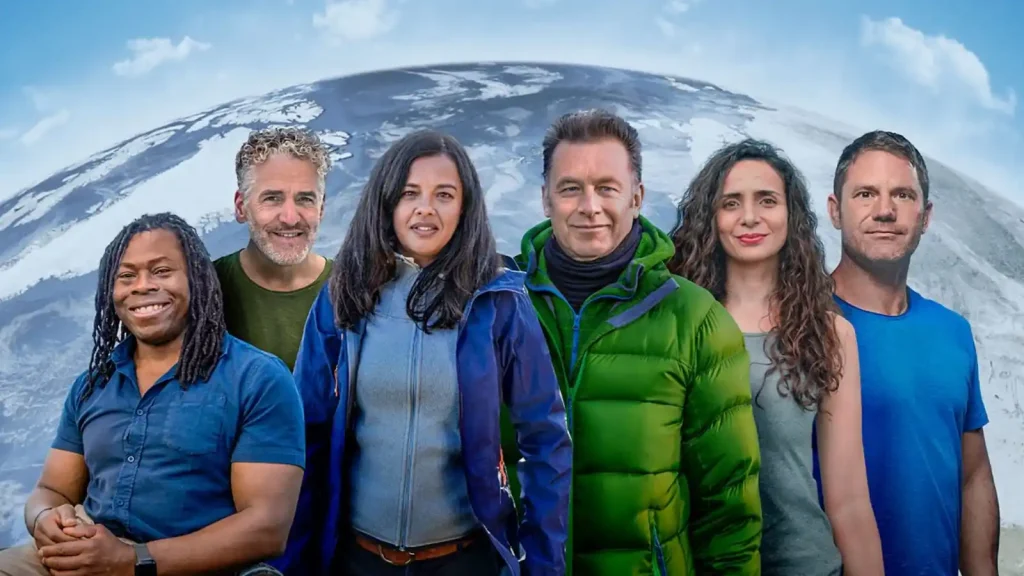
Our Changing Planet – Restoring Our Rivers: A River Runs Through Us
Rivers truly are the lifeblood of our planet. They carve paths through landscapes, nurture incredible wildlife, and sustain human life. The latest installment of the ambitious natural history series, Our Changing Planet, titled “Restoring Our Rivers,” dives deep into this vital connection. This episode marks the fourth year of a seven-year project. It examines the critical state of Earth’s threatened ecosystems. Moreover, it introduces us to the dedicated people fighting for their survival. This particular hour focuses sharply on the plight of our rivers, globally essential yet facing immense challenges.
The episode description sets the stage powerfully. Two billion people rely on rivers for drinking water. A quarter of our food depends on them. Yet, pollution, dams, and over-extraction have pushed these lifelines into crisis. Consequently, a third of freshwater species teeter on the brink of extinction. Against this sobering backdrop, “Restoring Our Rivers” presents two monumental efforts. One seeks to revive the Klamath River in northern California. The other aims to detoxify the iconic Seine in Paris, France. Both offer potent stories of hope and ingenuity.
“Restoring Our Rivers” weaves together two distinct narratives. First, we travel with presenter Liz Bonnin to Northern California. Here, the Klamath River, once teeming with salmon, suffered greatly from dam construction starting in the early 1900s. These dams blocked salmon migration. They disrupted nutrient flow and created toxic algal blooms. The impact on the ecosystem and the local indigenous tribes, like the Yurok and Karuk, was devastating. Salmon populations plummeted by over 90%.
Now, after decades of campaigning, the largest dam removal project in US history is underway. Liz joins Mark Bransom, CEO of the Klamath River Renewal Corporation, witnessing the literal deconstruction of these massive barriers. Simultaneously, conservationist M Sanjayan observes the explosive demolition of another dam, Copco No 1. The episode captures the immense scale of this undertaking. It highlights the race against time to clear the river for returning salmon.
We also see the crucial revegetation efforts. Liz gets hands-on planting native species to heal the scarred landscape left by drained reservoirs. Furthermore, we soar above the changing terrain with engineer and Yurok tribal member Felicity Cross. She uses high-tech LiDAR to map the river’s rebirth.
Meanwhile, across the Atlantic, journalist and Paralympian Ade Adepitan investigates Paris’s River Seine. Urban rivers often face the harshest pollution. Ade descends into the city’s aging sewers to understand the problem’s source. For years, raw sewage flowed into the Seine, making it biologically dead and unsafe for swimming. However, Paris winning the 2024 Olympic and Paralympic bid sparked a colossal clean-up effort. The goal was to make the Seine swimmable again.
The episode showcases the massive Austerlitz Basin, an engineering marvel designed to prevent sewage overflows during heavy rain. Ade doesn’t just report; he experiences the change firsthand. Inspired by open-water swimmers testing the newly cleaned waters, he takes a chilly plunge himself. We also explore innovative solutions, like special toilets developed with the European Space Agency. These separate urine for use as agricultural fertilizer, reducing sewer load and creating a valuable resource. Finally, Ade joins fish biologist Bill François to see if wildlife is returning, hoping to spot the giant wels catfish, a key indicator of river health.
The “characters” in this documentary are primarily the presenters and the experts they meet. Liz Bonnin and Ade Adepitan serve as our empathetic guides. Bonnin conveys awe and concern witnessing the Klamath’s transformation. Adepitan brings enthusiasm and personal connection to the Seine’s revival, especially linking it to the Olympics. M Sanjayan adds valuable context from his long experience with the Klamath landscape. The real stars, however, are the individuals driving the change.
Mark Bransom articulates the engineering challenges and ecological goals on the Klamath with clarity. Yurok and Karuk tribal members like Barry McCovey, Frankie Myers, Timuc, Felicity Cross, and Tiana Williams-Claussen offer profound insights. Their connection to the river is palpable. Their words carry the weight of generations. Their blend of traditional knowledge and modern science is powerful. In Paris, scientist Fabien Esculier’s passion for innovative waste solutions is infectious. Angler Bill François represents the citizen scientists monitoring the Seine’s returning health. Even the brief appearance of swimmer Pierre Malebo adds a touching human element to the Seine story. These individuals aren’t just talking heads; they are deeply invested, their commitment shining through.
The episode’s writing and dialogue feel natural and informative. Complex processes like dam removal, LiDAR mapping, and wastewater treatment are explained clearly, avoiding excessive jargon. The presenters ask pertinent questions, allowing experts to share their knowledge effectively. The narrative flows smoothly between the two locations, drawing parallels without forcing connections. For instance, the contrast between the wild Klamath and the urban Seine highlights the diverse challenges rivers face.
Yet, the underlying theme of restoration unites them. Storytelling elements, like the countdown to the Copco 1 blast or the anticipation of catching fish, create engaging moments. Powerful metaphors enrich the narrative. Frankie Myers describes the Klamath Basin as a body, salmon as its white blood cells, and dams as festering wounds. Timuc speaks of the restored river “singing again” after a century of silence. These images resonate emotionally. The dialogue from tribal members, conveying their deep spiritual and physical connection to the Klamath and its salmon, is particularly moving. Sentences are generally concise, making the information accessible. Transition words are used effectively, guiding the viewer logically through the different facets of each story.
Several key themes emerge. Hope is central. Despite depicting dire environmental problems, the episode focuses resolutely on solutions and progress. It showcases human ingenuity and determination in tackling enormous challenges. The power of restoration is vividly illustrated. We see landscapes physically transformed and ecosystems beginning to rebound. The interconnectedness of nature is another strong theme. The health of the river affects everything: salmon, bears, eagles, condors, forests, and people. Restoring the river means restoring this entire web of life. The importance of indigenous knowledge is highlighted on the Klamath.
The tribes’ deep understanding and persistent advocacy were crucial to initiating the dam removals. Their holistic approach, blending tradition and science, offers a powerful model for conservation. Finally, the episode underscores the idea that even heavily impacted environments, whether dammed or polluted, can be revived. The success stories of the Klamath and Seine serve as global inspiration.
Our Changing Planet – Restoring Our Rivers
As part of the larger Our Changing Planet series, this episode fits seamlessly. The series aims to document environmental challenges and solutions over seven years. “Restoring Our Rivers” provides a detailed snapshot of freshwater ecosystem restoration in year four. It builds on the series’ premise of tracking specific locations over time. It demonstrates tangible progress resulting from dedicated conservation efforts. The episode effectively balances the specific details of the Klamath and Seine projects with the broader global context of river health. It reinforces the series’ overarching message: understanding the threats to our planet is crucial, but so is highlighting the actions being taken to heal it.
This episode is a resounding success. Its primary strength lies in its compelling narrative structure. Juxtaposing the wild, remote Klamath with the urban Seine provides a comprehensive look at river restoration challenges. The human element is incredibly strong. Hearing directly from tribal members, engineers, scientists, and activists makes the story deeply personal and impactful. The visuals are stunning, capturing both the destructive power of dam demolition and the quiet beauty of a juvenile salmon being released.
The explanations of complex issues are accessible and engaging. The episode masterfully balances the scientific and engineering aspects with the cultural and emotional significance of these rivers. It successfully conveys the immense scale and complexity of these restoration projects while maintaining a clear, hopeful message.
Weaknesses are minimal. Given the scope, some aspects are necessarily brief. For instance, while the episode mentions the replacement of hydropower with other green energy, a deeper dive into that transition might have been interesting. Similarly, the long-term monitoring required for both projects is alluded to but not explored in detail. However, within the constraints of a single episode, the coverage is remarkably thorough. It achieves its goal of showcasing these pioneering efforts effectively.
In conclusion, “Our Changing Planet – Restoring Our Rivers” is exceptional television. It’s a powerful, moving, and ultimately optimistic look at monumental efforts to heal vital waterways. It informs viewers about critical environmental issues without leaving them feeling hopeless. Instead, it inspires with stories of human dedication, scientific innovation, and the resilience of nature.
By connecting us emotionally to the fate of the Klamath and the Seine, the episode reminds us that these rivers, like arteries of the Earth, connect us all. Their restoration is not just about saving fish or enabling swimming; it’s about reaffirming our place within the natural world and securing a healthier future for all life that depends on these flowing waters. It truly feels like the beginning of crucial work, not the end.
FAQ Our Changing Planet – Restoring Our Rivers
Q: What is the focus of the “Restoring Our Rivers” episode in the Our Changing Planet series?
A: The “Restoring Our Rivers” episode focuses on two major river restoration projects: the removal of dams on the Klamath River in Northern California and the cleanup of the Seine River in Paris, France. As the fourth installment in a seven-year documentary series, it highlights both the critical state of these threatened ecosystems and the dedicated people working to revive them. The episode demonstrates how these vital waterways, which provide drinking water for billions and support a quarter of our global food supply, can be restored through human ingenuity and determination.
Q: Why is the Klamath River dam removal project significant?
A: The Klamath River dam removal represents the largest dam removal project in US history. Since the early 1900s, these dams blocked salmon migration, disrupted nutrient flow, and created toxic algal blooms, causing salmon populations to plummet by over 90%. This devastated local indigenous tribes like the Yurok and Karuk, who depend on salmon culturally and physically. After decades of campaigning, the massive project now underway involves not only physically deconstructing the dams but also revegetating the landscape and using advanced technology like LiDAR to map the river’s rebirth.
Q: How did the 2024 Olympics influence the Seine River restoration?
A: Paris winning the bid to host the 2024 Olympic and Paralympic Games catalyzed an ambitious cleanup of the Seine River. For years, raw sewage flowed into the Seine, making it biologically dead and unsafe for swimming. However, the Olympics presented a deadline and motivation to make the river swimmable again. Consequently, massive infrastructure projects like the Austerlitz Basin were developed to prevent sewage overflows during heavy rain. The restoration effort transformed a once-polluted urban river into a waterway clean enough for both Olympic events and returning wildlife.
Q: What innovative solutions are being used to reduce sewage in the Seine?
A: Beyond traditional sewage infrastructure, Paris implemented innovative solutions like special toilets developed with the European Space Agency. These toilets separate urine, which can then be used as agricultural fertilizer rather than entering the sewage system. This dual approach not only reduces the sewage load on the river but also creates a valuable resource from what was previously waste. Such creative thinking highlights how urban river restoration often requires multiple complementary strategies to address complex pollution issues.
Q: What role did indigenous tribes play in the Klamath River restoration?
A: Indigenous tribes, particularly the Yurok and Karuk, played a crucial role in initiating and guiding the Klamath River restoration. Their decades of persistent advocacy, deep understanding of the river ecosystem, and powerful blend of traditional knowledge with modern science were fundamental to the dam removal project. Tribal members like Felicity Cross, who uses LiDAR technology to map the river, exemplify this integration of indigenous wisdom and contemporary methods. Their holistic approach recognizes the river not merely as a resource but as a living entity central to their cultural identity and physical wellbeing.
Q: How does river restoration impact broader ecosystems?
A: River restoration creates ripple effects throughout entire ecosystems. As Frankie Myers metaphorically described, rivers function like arteries in a body, with salmon serving as “white blood cells” that carry nutrients. When rivers heal, they support not just fish but also bears, eagles, condors, forests, and human communities. Additionally, restored rivers improve water quality, enhance biodiversity, regulate flooding, and increase ecosystem resilience. The episode powerfully illustrates this interconnectedness, showing how restoring a river means restoring an entire web of life that depends on its flows.
Q: What engineering challenges must be overcome in large-scale river restoration?
A: Large-scale river restoration presents enormous engineering challenges. On the Klamath, engineers must carefully deconstruct massive concrete dams without triggering catastrophic flooding or releasing decades of accumulated sediment too quickly. In Paris, the Austerlitz Basin represents an engineering marvel designed to prevent sewage overflows during heavy rainfall events. Both projects require precise timing, extensive planning, and innovative solutions. Furthermore, engineers must work within existing landscapes and infrastructure while minimizing disruption to communities that depend on these waterways.
Q: How do scientists measure the success of river restoration efforts?
A: Scientists use multiple indicators to measure river restoration success. Returning wildlife, especially keystone species like salmon in the Klamath or giant wels catfish in the Seine, serve as living barometers of river health. Water quality metrics, including oxygen levels, temperature, and toxin concentrations, provide quantitative data on improvement. Habitat assessments track physical changes in riverbanks and vegetation. Moreover, scientists monitor nutrients, sediment transport, and flow patterns. On the Klamath, LiDAR mapping creates detailed before-and-after comparisons of the changing landscape as the river reclaims its natural course.
Q: What makes “Restoring Our Rivers” particularly effective as a documentary?
A: “Restoring Our Rivers” succeeds through its compelling narrative structure and human connections. By juxtaposing the wild Klamath with the urban Seine, it provides a comprehensive view of diverse restoration challenges. The documentary features personal stories from tribal members, engineers, scientists, and activists, making environmental issues deeply relatable. Visual elements capture both spectacular moments like dam demolition and intimate scenes of juvenile salmon releases. Furthermore, the episode balances scientific explanations with emotional resonance, offering clear information while inspiring viewers through stories of dedication and nature’s resilience.
Q: What message does “Restoring Our Rivers” ultimately convey about environmental challenges?
A: Above all, “Restoring Our Rivers” conveys hope. Rather than dwelling on environmental degradation, it resolutely focuses on solutions and progress. The documentary demonstrates that even severely damaged ecosystems can recover with proper intervention and commitment. It showcases how human ingenuity, cultural wisdom, and scientific knowledge can work together to heal environmental wounds. Subsequently, the successful restoration of the Klamath and Seine serves as powerful inspiration for similar projects worldwide. The episode reinforces that understanding threats to our planet matters, but equally important is highlighting the actions already healing these vital lifelines.