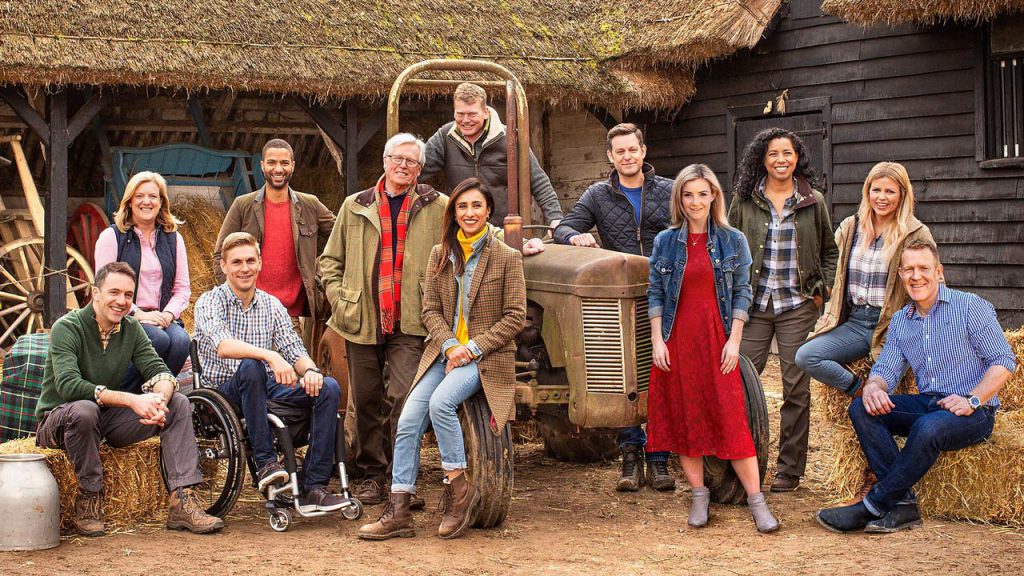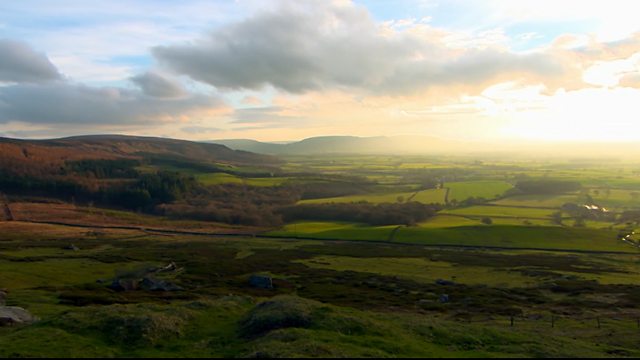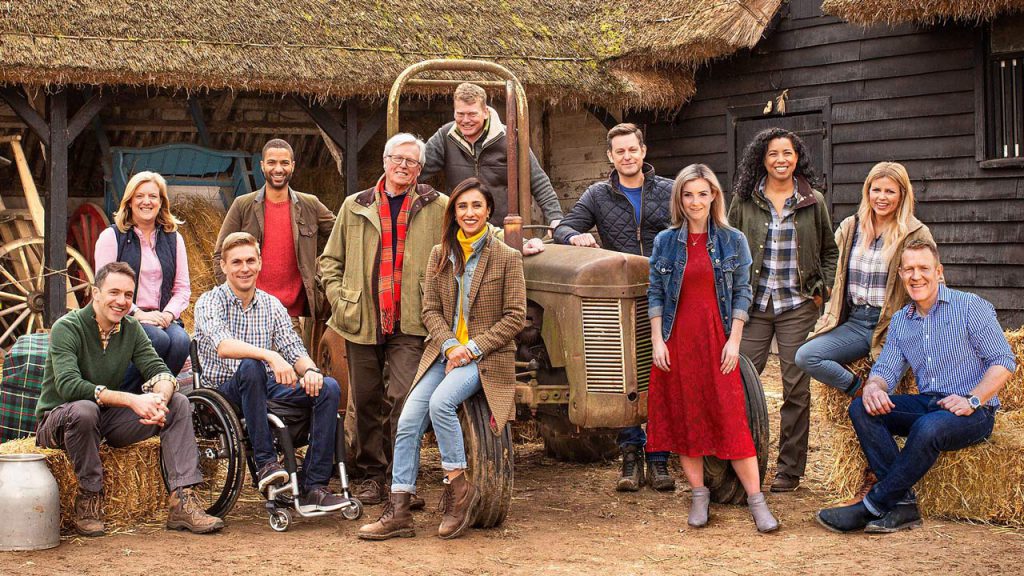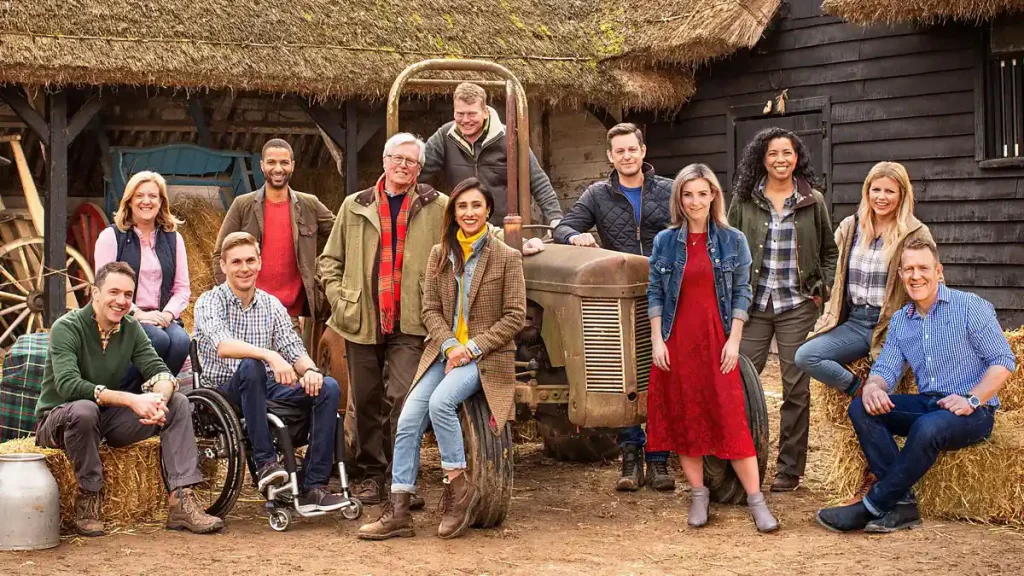
Countryfile – The Lake District has always captured the imagination. It is a place where the sky kisses the jagged peaks of the fells. Here, the weather changes as quickly as a mood, shifting from golden sunlight to moody storms. Consequently, this dramatic scenery has attracted artists and dreamers for centuries. This week, Countryfile returns to this majestic setting for a truly special journey.
We are marking a significant milestone in art history. Specifically, we are celebrating 250 years since the birth of JMW Turner. He was a master of light who famously immortalized these very views. Therefore, presenters John Craven and Vick Hope are following in his legendary footsteps. They want to see what Turner saw. However, they are also looking for what has changed in the intervening centuries.
The landscape here feels like a living, breathing oil painting. As John and Vick explore, they uncover the specific locations that sparked Turner’s genius. Indeed, the fells seem to rise like ancient giants from the earth. The lakes, meanwhile, act as vast mirrors reflecting the turbulent skies above. It is easy to see why a painter would lose their heart to this place.
Yet, this terrain is not just for looking at. It is a working environment, shaped by human hands over generations. For this reason, the episode delves deep into the reality of agricultural life in Cumbria. The stone walls that crisscross the hills are like stitches holding a quilt together. They tell a story of hard work, resilience, and tradition.
Turner painted a landscape that looked wild and untamed. However, even in his time, farming was beginning to define the contours of the land. Today, that influence is even more pronounced. We examine how centuries of grazing and management have sculpted the hillsides. The green slopes we admire are often the result of tireless stewardship by local farmers.
Furthermore, tourism plays a massive role in the modern identity of the Lakes. Millions flock here to breathe the fresh air and reconnect with nature. John and Vick investigate this delicate balance. How do we preserve the beauty that Turner loved while allowing people to enjoy it? It is a question that defines modern rural management.
Amidst the farms and the tourists, the wild heart of Cumbria still beats strong. The episode highlights the incredible biodiversity that thrives in these valleys. From the hardy Herdwick sheep to elusive birds of prey, wildlife is everywhere. In fact, noticing these creatures adds another layer of magic to the scenery.
We learn that preserving these habitats is crucial. Therefore, the programme shines a light on conservation efforts in the region. Local rangers and volunteers work tirelessly to protect the ecosystems. They ensure that the water remains clean and the woodlands stay healthy. After all, a landscape without its wild inhabitants would feel empty and silent.
Life in the Lake District moves to its own unique rhythm. It is dictated by the seasons, the weather, and the needs of the livestock. Vick Hope spends time with locals to understand this pace. She discovers that country life here is a blend of ancient tradition and modern innovation.
People here are tough, warm, and deeply connected to their environment. Consequently, their stories are as captivating as the landscape itself. They share how they adapt to the harsh winters and celebrate the glorious summers. It is a testament to the enduring human spirit. This connection to the soil is something Turner would likely have recognized and respected.
While we honor the past, Countryfile is always looking forward. The challenges facing the countryside are evolving. Climate change, economic shifts, and changing consumer habits all play a part. Thus, the episode asks important questions about what the next 250 years might look like.
Will the fells remain green? Will the farming communities survive? These are heavy questions, but the answers are filled with hope. Innovation in agricultural life is providing new solutions. Moreover, a passion for the land is igniting a new generation of custodians. This brings us to a pivotal moment in the show.
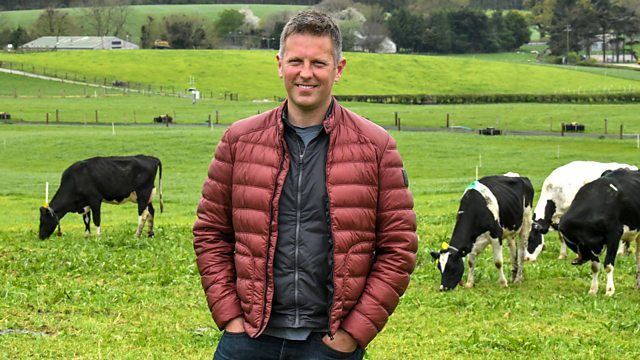
Away from the windy peaks of the Lake District, the atmosphere changes. We join Adam Henson at the prestigious Food & Farming Awards. The stage is set, the lights are bright, and the anticipation is palpable. Here, we are celebrating the very best of British farming and food production.
Specifically, Adam has the honor of crowning the Young Countryside Champion. This award is a highlight of the Countryfile 2025 calendar. It recognizes young people who are making a real difference in their rural communities. These nominees are not just the farmers of tomorrow; they are the leaders of today.
Countryfile – The Lake District: Turner’s Landscape
The finalists for this award are truly inspiring. Each one has shown incredible dedication to country life and the environment. Some are pioneering sustainable farming methods. Others are fighting to protect local wildlife or organize community projects. Their energy is infectious, and their commitment is undeniable.
Adam takes us through their stories, showcasing their hard work and passion. It is a reminder that the countryside is in safe hands. Furthermore, seeing their enthusiasm offers a perfect counterpoint to the historic themes of the episode. Turner captured the past; these young champions are painting the future.
As the winner is announced, the emotion in the room is genuine. It is a moment of triumph for the individual, but also for the community. This award acknowledges that agricultural life is a viable, exciting career path for young people. It validates their hard work and encourages others to follow suit.
Consequently, the episode weaves together two powerful threads. On one hand, we have the timeless, artistic legacy of JMW Turner. On the other, we have the fresh, dynamic energy of the Young Countryside Champion. Both are essential to the story of the British landscape.
Ultimately, this episode is a love letter to the outdoors. Whether through the eyes of an 18th-century painter or a 21st-century young farmer, the land demands respect. The beauty of the Lake District serves as a reminder of why we care. Nature is not just a backdrop; it is a character in our lives.
The visuals throughout the hour are stunning. You will see sunbeams breaking through clouds and mist rolling over water. These moments of quiet beauty are what make Countryfile essential viewing. They offer a breath of fresh air right in your living room.
Countryfile – The Lake District: Turner’s Landscape
Countryfile – The Lake District provides a profound exploration of how a specific landscape can shape artistic vision, agricultural tradition, and the national imagination. This distinct region, characterized by its dramatic fells and shimmering waters, serves as the focal point for celebrating the 250th anniversary of JMW Turner, one of Britain’s most influential painters. The area’s rugged topography is not merely a static backdrop for visitors; it is a dynamic, living environment molded by centuries of farming and an enduring cultural legacy. While the visual splendor of the region attracts millions of tourists, the reality of life within these valleys involves a complex interplay between preservation, industry, and the elements.
The significance of this landscape extends far beyond its visual appeal, rooting itself deeply in the history of British art and the Romantic movement. During the late 18th century, geopolitical conflicts such as the Napoleonic Wars restricted travel to the European continent, forcing British high society to abandon their traditional Grand Tours of France and Italy. Consequently, the cultural gaze turned inward, resulting in a surge of domestic tourism where the countryside became a primary destination. This shift, often described as an early form of staycation, brought artists and writers to the north of England, sparking a creative revolution that fundamentally altered how landscapes were perceived and depicted.
Among those drawn to this spectacular scenery was JMW Turner, a figure who would eventually be known as the Painter of Light. His arrival in the region marked a pivotal moment in art history, one where the raw power of nature began to take precedence over manicured, pastoral ideals. The terrain he encountered was not a wilderness in the truest sense but a workspace, shaped then as it is now by the people who inhabited it. Today, the region remains a testament to that dual heritage, balancing its role as a muse for creatives with its function as a working agricultural hub.
However, the beauty of the fells often belies their peril, a reality known all too well by those who live and work there. The weather, capable of shifting with dangerous speed, dictates the rhythm of life for shepherds, conservationists, and rescue teams alike. Whether it is the misty, rain-swept days that challenge the hill farmers or the sudden storms that necessitate mountain rescue operations, the environment demands respect and resilience. This ongoing dialogue between human endeavor and natural forces creates a rich narrative tapestry that continues to evolve two and a half centuries after Turner’s birth.
Within this context, the modern preservation of the area relies on a synthesis of old traditions and new energies. From the ancient practice of dry stone walling to the introduction of young champions in farming and conservation, the stewardship of the land is a multigenerational effort. By examining the intersection of art, agriculture, and community, one gains a comprehensive understanding of why this corner of Cumbria remains one of the most vital and beloved landscapes in the United Kingdom.
Tracing the Artistic Evolution of JMW Turner
The journey of JMW Turner into the heart of Cumbria began in 1797 when the artist was just 22 years old. Born in Covent Garden, in the bustling heart of London, Turner was a fast-rising star in the art world, recognized early for his technical skill and inventiveness. However, his expedition to the north represented a deliberate attempt to “go large” and capitalize on his growing reputation. Encountering big mountainous scenery for the first time, Turner found himself thrilled by the dramatic topography, which offered a stark contrast to the urban environment of his upbringing.
Upon arriving at Derwentwater, often considered the gateway to the region’s most exciting scenery, Turner began to document the landscape with a rigorous and efficient process. Although he is celebrated for his mastery of color and light, his touring methodology relied heavily on pencil sketches. He maintained a vast library of sketchbooks—close to 300 of which are now housed in the Tate collection—that served as a valuable resource throughout his life. These books allowed him to capture the precise shapes of the mountains and the intricate details of the vista without the time-consuming process of mixing paints on site.
At locations such as Friar’s Crag, Turner employed a distinct economy of style. His pencil work carefully delineated the outlines of the fells, ensuring the geography was recorded with accuracy. Curators note that while his later work became more playful and rapid, these early sketches demonstrate a careful, almost architectural approach to the natural world. Once the form was captured in graphite, Turner would often apply watercolor over the pencil to indicate the fall of light and the interplay of shadows. This technique allowed him to record the fleeting atmospheric conditions of the day, creating a reference point that he could return to in his studio.
The sketches reveal an artist deeply invested in specific views, often returning to the same composition to experiment with different atmospheric effects. In some instances, Turner produced fully colored studies on the spot, indicating a high level of commitment to a particular scene. These works capture the light bouncing out of the valleys and the movement of clouds, elements that change the entire vista from moment to moment. His ability to recreate this depth and movement on paper showcased a burgeoning talent that would eventually redefine landscape painting, moving it away from mere representation toward an evocative expression of feeling.
Defining the Sublime Through Atmospheric Landscapes
As Turner traveled further into the rugged terrain, his artistic style began to undergo a significant transformation. The experience of being amongst the mountains forced him to reconsider how to frame vast vistas and manipulate light and shadow to convey emotion. While the region was already a popular tourist destination with a thriving market for picturesque paintings, Turner sought to distinguish himself by venturing off the beaten track. He looked for novel views that offered something different from the classic scenes reproduced by his contemporaries.
This pursuit of the unique led him to Buttermere, a location that would become pivotal in his career. Despite gathering countless sketches during his two-week tour, Turner selected only two views to develop into large, finished oil paintings, and Buttermere was one of them. In this work, he leaned heavily into the concept of the “Sublime”—an aesthetic quality in nature that inspires awe, terror, and a sense of foreboding. He likely encountered the lake on a gloomy day as the light was fading, which inspired a composition characterized by deep shadows and intense atmosphere.
To inject drama into the vast landscape, Turner employed bold artistic choices. He cut through the dark, brooding sky with a rainbow, a device that guides the viewer’s eye across the entire composition before settling on the lake. This painting marked the beginning of his experimentation with high-drama landscapes, where the environment appears almost terrifying. This fascination with the power of nature would continue throughout his career, culminating in his later, energetic seascapes that depicted violent, churning waters.
Turner’s work fundamentally changed the way landscapes were perceived, shifting the focus from topographical accuracy to emotional resonance. He painted the human experience of nature, capturing the restlessness of a changing world. Curators suggest that his ability to evoke feelings through color and atmosphere is why his work endures; he was not merely documenting a place but expressing the mood of an era. The foreboding elements in his work mirrored the uncertainties of the time, yet they continue to speak to modern viewers, validating the landscape as a vessel for complex human emotions.
Generational Stewardship and the Hefting Tradition
While Turner captured the aesthetic essence of the fells, the physical character of the landscape is maintained by the farming communities that work it. The hillsides are not wild, ungoverned spaces but are defined by the grazing of livestock, specifically Herdwick sheep. Roughly 95% of the world’s Herdwick population roams these Cumbrian fells, a breed uniquely adapted to the harsh environment. These animals are “hefted,” meaning they are born on the fell and possess an innate knowledge of their specific patch of land.
Hefting eliminates the need for fencing across vast swathes of the high ground. The knowledge of where to graze and where to shelter is passed down through generations of the flock, binding the sheep to the landscape for life. This symbiotic relationship between the animal and the land is crucial; without the grazing of the Herdwicks, the fells would eventually become overgrown, fundamentally altering the visual character that millions of visitors come to admire. Therefore, the farmers who manage these flocks are often described as the guardians of the fells, ensuring the preservation of the scenery through their daily labor.
The shepherding tradition relies heavily on cooperation between neighbors. Farmers operating on opposite sides of a valley frequently assist one another during the gathering process, particularly when moving stock from the open fell to the farm. This collaborative spirit bridges the gap between generations, as seen in the relationship between established shepherds like Peter Bland and younger tenants like Bobsy Tyson. Such partnerships ensure that the skills required to manage the difficult terrain—and the independent-minded sheep—are transferred and sustained.
The gathering process itself requires intuition, patience, and skilled sheepdogs. The terrain is often rough and uneven, stretching for miles, and the weather can deteriorate rapidly. Mist is a constant adversary; if visibility drops, the gathering must halt. However, the sheep generally know their way, having traversed the same paths repeatedly. Once enclosed in a flock, the Herdwicks feel safe and become easier to manage. This cycle of releasing the sheep onto the fells and gathering them back in is central to the rhythm of life in Countryfile – The Lake District, a tradition that has remained largely unchanged since Turner’s time.
Preserving the Living Heritage of Countryfile – The Lake District
The continuity of hill farming is essential for the future of the region. There is a recognition within the community that if the sheep disappear, the shepherds and farmers will follow, leading to an irreversible cultural loss. The unique look of the Lakes, with its open vistas and managed vegetation, is a direct result of this agricultural history. Consequently, the arrival of new blood into the industry is viewed as vital. Young farmers taking on tenancies ensures that the lineage of care continues, preventing the landscape from reverting to an unmanaged state.
The work is physically demanding and often performed in inclement weather. Late autumn days are frequently rain-swept and moody, creating the very atmosphere that artists admire but which makes farming arduous. Despite this, those who work the land express a deep emotional connection to it, describing themselves as “hefted” to the hills just as their sheep are. There is a profound sense of duty to protect the animals and the environment, a sentiment that underpins the agricultural economy of the area.
Bobsy Tyson, a young contract shepherd who recently acquired a farm tenancy, exemplifies this new generation. His ability to navigate the fells and work effectively with dogs is seen as a major asset to the community. The drafting process—sorting the sheep into different groups for breeding or sale—is a critical skill that requires a sharp eye and quick reflexes. Successful gatherings, where hundreds of sheep are brought down safely from the heights, are a source of professional pride and relief, given the potential for things to go wrong in such unpredictable conditions.
Ultimately, the consensus among the farming community is that the landscape is a shared responsibility. The stunning views that captivate tourists are a byproduct of hard work and livestock management. By maintaining the flocks and the traditions associated with them, these farmers ensure that the region remains a living, working environment rather than a museum piece. This dedication allows the dramatic scenery of Countryfile – The Lake District to endure for future generations to experience and interpret.
Celebrating the Future of Rural Life
The vitality of the British countryside depends heavily on the engagement and passion of the younger generation. Recognizing this, the BBC Food and Farming Awards convene to celebrate individuals who are making significant contributions to their rural communities. The atmosphere at these events is one of excitement and optimism, bringing together people who define the character of food, farming, and environmental stewardship. Among the accolades presented is the Countryfile Young Countryside Champion Award, a title reserved for those who inspire others and demonstrate a deep commitment to the future of the rural landscape.
The finalists for the 2025 award represent a diverse range of interests and locations, highlighting the varied nature of countryside management. One finalist, Paula Gilroy from County Fermanagh in Northern Ireland, navigates the challenges of hill farming on bog and limestone terrain. At just 22 years old, she manages a herd of pedigree Aberdeen Angus and Angus-Shorthorn crosses, focusing on improving genetics to produce cattle that can thrive in the harsh environment.
Beyond the technical aspects of farming, Paula addresses the social isolation often inherent in the profession. By organizing events like coffee mornings and engaging with Young Farmers, she works to keep her community connected while raising money for causes close to her heart, such as type 1 diabetes research.
Another finalist, Samuel Brown from Denbighshire, North Wales, focuses his efforts on conservation and biodiversity. Overcoming personal challenges with dyspraxia, Samuel found confidence and clarity in nature, eventually learning to identify species and manage woodlands. His work involves growing rare native trees—producing around 9,000 in a single year—and organizing volunteer planting days. Samuel views young people as essential agents of change, capable of using their optimism and energy to solve environmental problems and strengthen community bonds through shared purpose.
The winner of the award, Dafydd Pett, is a 22-year-old beekeeper from Wales who is on a mission to protect pollinators. His journey began at age 11 under the mentorship of his grandfather. Following his grandfather’s passing in 2017, Dafydd took over the bees at the age of 14 to prevent them from being abandoned, preserving his family’s legacy. He has since launched initiatives to encourage young people to take up beekeeping, challenging the demographic stereotype of the hobby. As a trustee for his local beekeepers’ association, he provides courses and promotes the importance of bees to the ecosystem. His victory underscores the critical role of mentorship and legacy in maintaining the delicate balance of the rural environment.
The Critical Role of Mountain Rescue
While the fells are a place of beauty and industry, they also present significant dangers to those who traverse them. The terrain in Cumbria is mountainous and steep, with vast areas lacking mobile phone signal. In these remote locations, a simple accident like a broken leg can become life-threatening due to the delay in raising the alarm and the time required for help to arrive. Bridging the gap between peril and safety are the mountain rescue teams, often relying on highly trained search dogs to locate missing persons in difficult conditions.
Matt Nightingale of the Penrith Mountain Rescue team works with his dog, Morag, a veteran search dog who has become a lifeline on the fells. Morag acts as an air-scenting dog, a method that allows her to detect human scent drifting in the wind rather than tracking footprints on the ground. This capability makes her incredibly efficient; in a search scenario, a single dog can be equivalent to twenty human rescuers. Importantly, her nose works independently of visibility, allowing her to operate effectively in the dark, mist, or heavy rain that often grounds other search efforts.
Training a mountain search dog is a rigorous process that typically spans two to three years. Morag’s journey was particularly notable because she was a rescue dog herself, adopted from an animal refuge after running away from a previous home. Initially untrained and unresponsive to commands, she had to be taught from scratch. However, the motivation for these dogs is not altruism but a play drive. The reward for finding a “body” (a volunteer hiding on the mountain) is a game with a squeaky toy. This simple incentive drives the dog to work through exhaustion and adverse weather, reliably locating people in need.
After more than a decade of service and approximately 70 call-outs, dogs like Morag eventually approach retirement. The decision to retire a dog is based on their physical capability and willingness to work. As long as the dog remains happy and reliable, they continue to serve. Morag’s dedication was recognized with a “Make A Difference” award, highlighting the profound impact these animals have on public safety. Their presence provides a crucial safety net in a landscape where the margin for error is often slim.
The Ancient Craft of Dry Stone Walling
The visual identity of Countryfile – The Lake District is defined not just by its geology but by the miles of dry stone walls that weave across ridges and valleys. These structures, many of which were laid over two centuries ago, serve as boundaries for farms and fields. Unlike modern fencing, which may last only 15 to 20 years before succumbing to rot and weather, a well-built dry stone wall can stand for hundreds of years. However, they require constant maintenance to repair damage caused by falling tree branches, climbing sheep, or the natural shifting of the ground.
National Trust rangers like Miriam Abbas and Will Veatch are tasked with the year-round survey and repair of these walls. The construction technique is a testament to ancient craftsmanship. A wall consists of two outer skins of large stones, with the space between them packed tightly with smaller stones known as “fill” or “heartings.” This internal packing provides stability, preventing the outer stones from collapsing inward. Crucially, “through stones” are placed at regular intervals—roughly every meter—spanning the entire width of the wall to tie the two sides together, acting as a structural anchor.
The process of rebuilding a wall is akin to assembling a complex three-dimensional jigsaw puzzle. Builders must select stones with a flat “face” to align with the exterior of the wall while ensuring that each stone spans a joint between the stones below it, similar to bricklaying. This overlapping technique distributes weight and prevents vertical cracks from forming. The structure is finished with “cams” or coping stones along the top, which press down on the layers below, solidifying the wall. No mortar is used in true dry stone walling; the strength comes entirely from the friction and interlocking of the stones.
Beyond their agricultural function, these walls are vital for biodiversity. They act as linear nature reserves, providing shelter for toads, voles, and mice within their crevices. The stones also host a variety of lichens, mosses, and bryophytes, contributing to the region’s ecological richness. In areas like Borrowdale, the walls serve a specific conservation purpose by excluding livestock from protected zones. This exclusion protects the Borrowdale Temperate Rainforest—a rare and ancient habitat—allowing saplings to regenerate without being grazed by sheep, thereby securing the future of one of Britain’s last remaining rainforests.
Modern Perspectives on the Painted Landscape
The legacy of Turner continues to influence contemporary artists who seek to capture the ephemeral nature of the Cumbrian landscape. Stefan Orlowski, a celebrated local painter, draws direct inspiration from the same fells and lakes that captivated the Romantic masters. Like Turner, Orlowski faces the challenge of translating the dynamic, ever-changing weather of the region onto a static canvas. His work is often characterized by brooding drama and energy, achieved by painting en plein air—outdoors in the elements—where he can react impulsively to the environment.
Orlowski’s process involves a trade-off between the raw energy of outdoor work and the controlled precision of the studio. When painting outside, he seeks to “arrest” a moment, capturing something shockingly beautiful that catches the eye. He treats oil paint with a fluidity usually reserved for watercolor, thinning it out to maintain the energy of the initial drag marks. He frequently uses the back of his brush to scratch through the paint, adding texture and revealing the pencil marks or underlying layers, a technique that adds to the evocative, rugged quality of the final piece.
The studio, by contrast, allows for reflection and refinement. It is a space where the artist can return to a composition with fresh eyes, building richness through observation and detailing without being battered by the wind. Orlowski notes that painting offers a respite from mental chatter, allowing the artist to exist entirely in the present moment. This therapeutic aspect of the craft is significant, providing a sense of relaxation and focus that connects the creator deeply to the natural world.
Turner’s influence on modern artists like Orlowski lies in his revolutionary approach to light, color, and form. By breaking apart the formal elements of painting, Turner paved the way for Impressionism and abstraction. His late style, which prioritized atmospheric effect over rigid detail, allowed future generations to view landscape painting in a new light. Today’s artists continue to navigate this collision of ideas and intuition, using the dramatic scenery of Countryfile – The Lake District as a testing ground for visual expression.
Conclusion: A Landscape of Enduring Power
The exploration of Cumbria reveals a landscape that is far more than a picturesque destination; it is a complex intersection of history, art, and labor. From the pioneering brushstrokes of JMW Turner to the intuitive gathering of Herdwick sheep, the region is defined by the relationship between the land and those who interpret or cultivate it. The fells are a place where ancient rainforests are guarded by stone walls built by hand, and where the safety of a walker can depend on the nose of a rescue dog.
The enduring appeal of this region lies in its capacity to inspire and challenge. It demands resilience from the farmers who maintain the hefted flocks and creativity from the artists who attempt to capture its shifting light. As the 250th anniversary of Turner is celebrated, it becomes clear that his work did not just document a place; it codified a feeling—a sense of the sublime that remains tangible today. Whether viewed through the lens of a 19th-century sketchbook or the eyes of a young countryside champion, the landscape retains a power that transcends time, ensuring its place as a cornerstone of British heritage.
FAQ Countryfile – The Lake District: Turner’s Landscape
Q: What makes the Lake District landscape so significant in British art history?
A: The Lake District became pivotal during the late 18th century when the Napoleonic Wars restricted travel to continental Europe. Consequently, British high society turned their attention inward, discovering the dramatic fells and shimmering waters of Cumbria. This shift sparked a creative revolution where artists like JMW Turner found inspiration in the rugged topography. Turner’s work fundamentally changed landscape painting by prioritizing emotional resonance over topographical accuracy. His mastery of light and atmosphere transformed the region into a symbol of the Sublime, inspiring generations of artists to capture nature’s power and beauty through their own interpretive lenses.
Q: How did JMW Turner develop his iconic painting technique in the Lake District?
A: Turner first visited Cumbria in 1797 at age 22, arriving with an efficient methodology that relied heavily on pencil sketches. He maintained nearly 300 sketchbooks to capture precise mountain shapes and geographical details without mixing paints on site. At locations like Friar’s Crag, he carefully delineated the outlines of fells before applying watercolor to indicate light and shadow. This technique allowed him to record fleeting atmospheric conditions as reference points for later studio work. Turner often returned to the same composition to experiment with different weather effects, developing the dramatic, emotion-driven style that would eventually revolutionize landscape painting across Europe.
Q: What is the Sublime in relation to Turner’s Lake District paintings?
A: The Sublime represents an aesthetic quality in nature that inspires awe, terror, and foreboding simultaneously. Turner embraced this concept at Buttermere, where he encountered the lake on a gloomy day with fading light. He created compositions characterized by deep shadows and intense atmosphere, cutting through dark skies with rainbows to guide the viewer’s eye. This marked the beginning of his high-drama landscapes where environments appear almost terrifying. Furthermore, Turner’s fascination with nature’s power mirrored the uncertainties of his era, creating work that expressed the mood of changing times while validating landscape as a vessel for complex human emotions.
Q: Why are Herdwick sheep essential to maintaining the Lake District’s appearance?
A: Roughly 95% of the world’s Herdwick population lives on Cumbrian fells, uniquely adapted to the harsh environment through a practice called hefting. These sheep are born on specific patches of land and possess innate knowledge of where to graze and shelter, eliminating the need for extensive fencing. This knowledge passes through generations of the flock, binding them to the landscape for life. Without Herdwick grazing, the fells would become overgrown, fundamentally altering the visual character that millions admire. Therefore, farmers managing these flocks act as guardians of the fells, ensuring the preservation of Turner’s beloved scenery through their daily labor and generational stewardship.
Q: How does the gathering process work for hill farming in Cumbria?
A: The gathering process requires intuition, patience, and skilled sheepdogs to bring Herdwick sheep down from vast, rough terrain stretching for miles. Farmers frequently cooperate across valleys, assisting one another during the challenging task of moving stock from open fells to farms. Mist poses a constant threat; if visibility drops, the gathering must halt immediately. However, the sheep generally know their paths, having traversed the same routes repeatedly throughout their lives. Once enclosed in a flock, Herdwicks feel safe and become easier to manage. This cycle of releasing sheep onto fells and gathering them back has remained largely unchanged since Turner’s time, representing an enduring agricultural tradition.
Q: What role do mountain rescue dogs play in keeping visitors safe?
A: Mountain rescue dogs like Morag act as air-scenting dogs, detecting human scent drifting in the wind rather than tracking footprints. This capability makes a single dog equivalent to twenty human rescuers in search scenarios. Importantly, their noses work independently of visibility, allowing them to operate effectively in dark, mist, or heavy rain that grounds other search efforts. Training typically spans two to three years, driven by the dog’s play motivation rather than altruism. The reward for finding a missing person is simply a game with a squeaky toy. After approximately 70 call-outs over a decade of service, these dogs provide a crucial safety net in a landscape where broken legs can become life-threatening due to remote locations lacking mobile phone signal.
Q: How are traditional dry stone walls constructed and maintained in the Lake District?
A: Dry stone walls consist of two outer skins of large stones with the space between packed tightly with smaller stones called heartings. Through stones are placed every meter, spanning the entire width to tie the sides together as structural anchors. Builders must select stones with flat faces while ensuring each stone spans a joint between those below it, similar to bricklaying. This overlapping technique distributes weight and prevents vertical cracks from forming. No mortar is used; strength comes entirely from friction and interlocking. These walls can stand for hundreds of years, unlike modern fencing that rots within 15 to 20 years. Additionally, they serve as linear nature reserves, providing shelter for toads, voles, mice, and hosting various lichens and mosses.
Q: Who won the 2025 Countryfile Young Countryside Champion Award and why?
A: Dafydd Pett, a 22-year-old beekeeper from Wales, won the award for his mission to protect pollinators. His journey began at age 11 under his grandfather’s mentorship, and following his grandfather’s passing in 2017, Dafydd took over the bees at age 14 to preserve his family’s legacy. He has since launched initiatives encouraging young people to take up beekeeping, challenging the hobby’s demographic stereotypes. As a trustee for his local beekeepers’ association, he provides courses and promotes the importance of bees to the ecosystem. His victory underscores the critical role of mentorship and legacy in maintaining the delicate balance of the rural environment for future generations.
Q: How do contemporary artists like Stefan Orlowski continue Turner’s legacy?
A: Stefan Orlowski draws direct inspiration from the same fells and lakes that captivated Turner, facing the challenge of translating dynamic, ever-changing weather onto static canvas. He paints en plein air in the elements to react impulsively, seeking to arrest shockingly beautiful moments. Orlowski treats oil paint with fluidity usually reserved for watercolor, thinning it to maintain the energy of initial drag marks. He frequently uses the back of his brush to scratch through paint, adding texture and revealing underlying layers. Turner’s influence lies in his revolutionary approach to light, color, and form that paved the way for Impressionism and abstraction. Today’s artists continue navigating this collision of ideas and intuition using Cumbrian scenery as a testing ground.
Q: Why is preserving the Borrowdale Temperate Rainforest important for the Lake District?
A: The Borrowdale Temperate Rainforest represents one of Britain’s last remaining ancient rainforest habitats, requiring active conservation to survive. Dry stone walls serve a specific purpose by excluding livestock from protected zones, preventing sheep from grazing on young saplings. This exclusion allows natural regeneration to occur, securing the future of this rare ecological treasure. The rainforest contributes significantly to the region’s biodiversity, hosting unique species of lichens, mosses, bryophytes, and providing habitat for numerous wildlife species. Furthermore, protecting this ancient woodland ensures that the landscape remains ecologically rich and diverse, complementing the agricultural heritage while maintaining the natural character that first inspired artists like Turner to capture its sublime beauty on canvas.