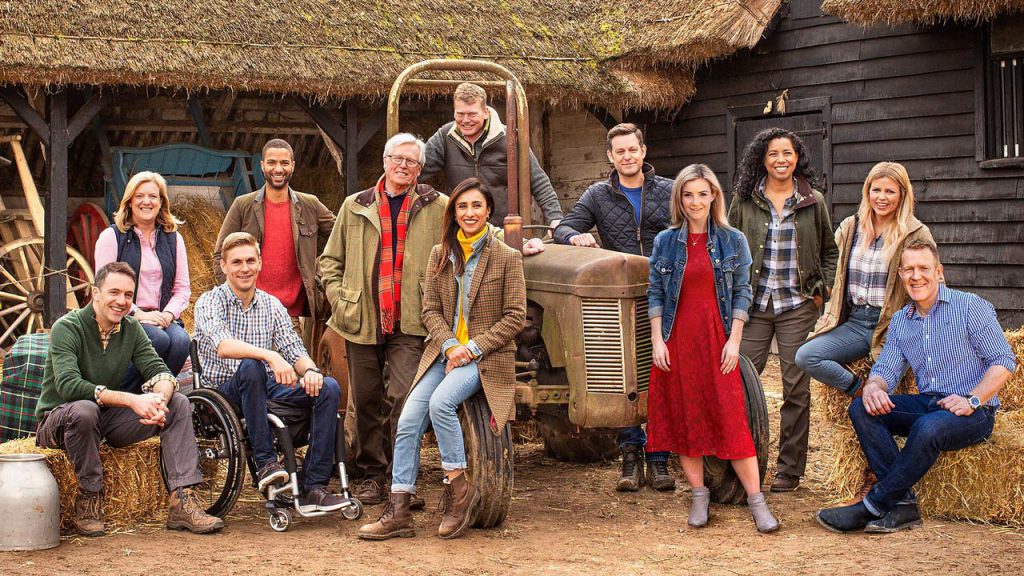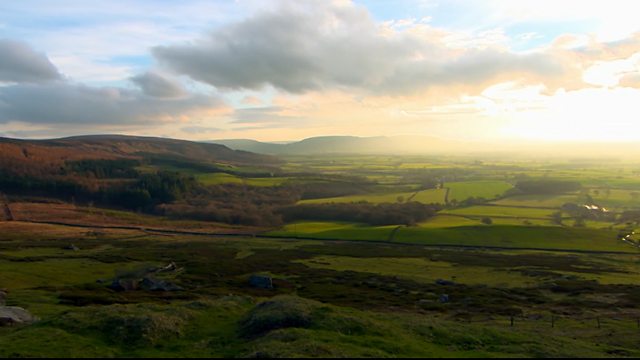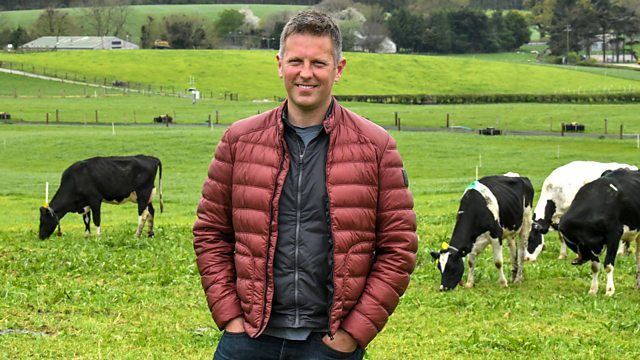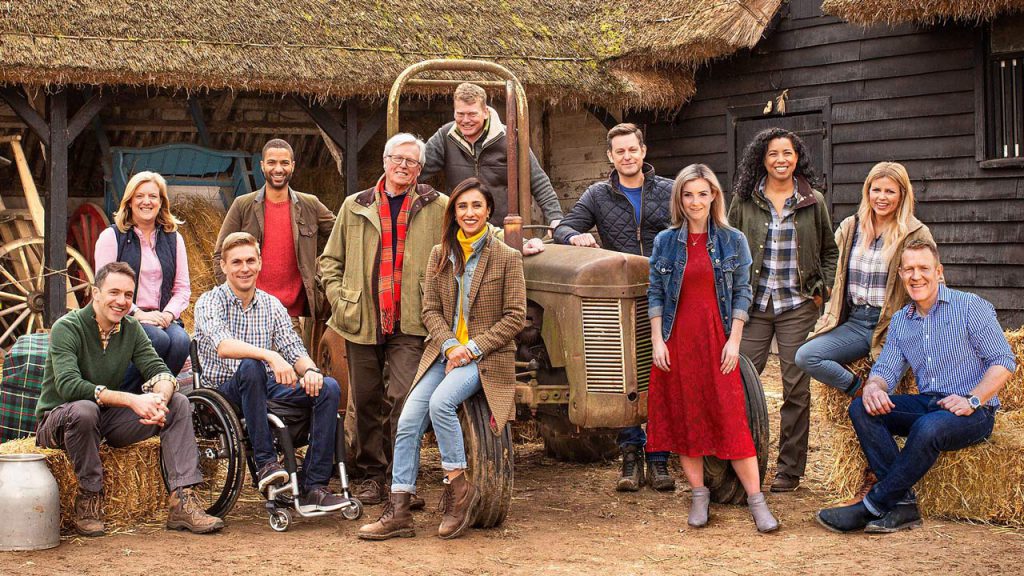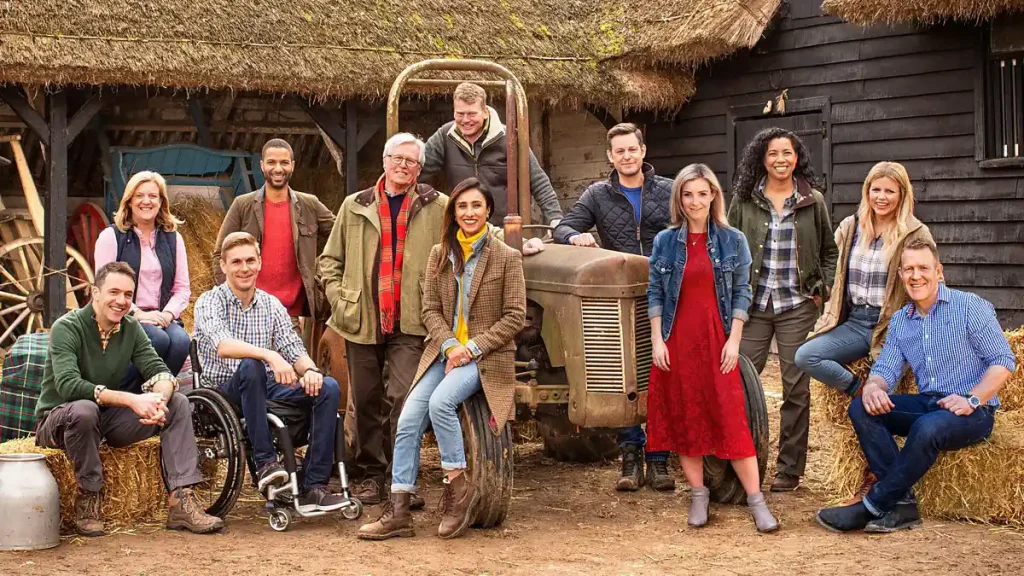
Countryfile – The Power of Water: Imagine the roar of a cascading waterfall. It echoes through the lush, green valleys of Bannau Brycheiniog National Park. Here, the landscape feels truly alive. In this stunning episode, titled Countryfile – The Power of Water, we explore this elemental force. Indeed, water shapes the world both above and below our feet.
The episode begins in one of the UK’s wettest regions. Mist clings to the rolling hills of the Welsh countryside. It is a place of ancient beauty and rugged terrain. However, the true magic often lies hidden from view. Matt Baker takes us on an unforgettable journey into the deep.
Matt is not just hiking the peaks today. Instead, he descends into a mysterious, subterranean kingdom. Beneath the surface, water acts as a patient master sculptor. Over countless millennia, it has carved intricate tunnels through solid rock. Consequently, these hidden passages form the UK’s deepest cave system.
The atmosphere changes instantly as Matt leaves the daylight behind. The air becomes cool, damp, and heavy with anticipation. He joins a dedicated local caving team for this adventure. They are the brave guardians of this underground world. Their mission involves much more than just exploration.
In fact, protecting this environment is vital work. The caves host a fragile ecosystem that relies on clean water. Unique wildlife thrives in this eternal darkness. Therefore, the team must monitor the water quality meticulously. Matt witnesses their passion and skill firsthand.
Moving through these caverns is no easy feat. It requires nerve, agility, and absolute trust in your team. The sound of dripping water creates a rhythmic, echoing soundtrack. It reminds us that nature is always at work. Even in the dark, the landscape is constantly evolving.
Meanwhile, Sammi Kinghorn explores a different kind of water power. She remains above ground, bathed in the soft Welsh light. Her destination is a site steeped in industrial history. She visits a magnificent mill that has stood for 200 years. It is a testament to human ingenuity and resilience.
This mill is not merely a museum piece. Surprisingly, it is still fully operational today. The river’s force drives the heavy, ancient machinery. You can almost hear the rhythmic thumping of the wheel. It processes grain just as it did two centuries ago.
Sammi watches the water wheel turn with steady determination. It captures the energy of the flowing river perfectly. This mechanism is a heartbeat for the local valley. It connects the modern day to traditional country life. Our ancestors understood the value of working in harmony with the land.
The mill demonstrates the sheer utility of natural resources. We used to rely entirely on this clean, renewable power. Today, it serves as a powerful reminder of sustainable living. Sammi’s segment highlights the elegance of simple engineering. It is a beautiful contrast to the digital age.
However, the story isn’t just about water’s abundance in Wales. Sometimes, the narrative shifts to the challenges of scarcity. The episode travels from a wet corner to a dry one. We leave the peaks and head to the flatlands. Adam Henson is waiting for us in Lincolnshire.
Here, the soil tells a very different story. The sun beats down with surprising intensity. Agricultural life is facing new, unpredictable challenges. Farmers must adapt to shifting weather patterns to survive. Adam meets a visionary farmer who is taking a massive gamble.
This farmer is betting his livelihood on a warmer future. He is planting a crop that seems out of place here. Specifically, he is cultivating olives. This is a classic Mediterranean crop. Usually, you see these groves in Italy, Greece, or Spain.
The sight is somewhat surreal in an English field. Rows of silver-green leaves shimmer in the pale sunlight. Yet, these trees thrive in dry, hot conditions. Therefore, they might represent the future of British farming. It is a bold, high-stakes experiment.
For the farmer, this is a calculated risk. Climate change is altering what we can grow at home. As we look toward Countryfile 2025 and beyond, adaptation is key. This segment asks difficult questions about our food security. Can the UK really become an olive oil producer?
Adam explores the science behind this agricultural shift. He examines the soil and the health of the trees. The results are surprisingly promising so far. The trees seem to enjoy the Lincolnshire climate. Consequently, other farmers are watching this experiment closely.
Countryfile – The Power of Water
This story highlights the resilience of the farming community. They are on the front lines of climate change. They must innovate or risk being left behind. Countryfile excels at telling these human stories. It bridges the gap between urban viewers and rural reality.
Throughout the episode, the contrast is striking. We move from dark, wet caves to sun-drenched orchards. We see water as a sculptor and as a life-giver. Conversely, we see the lack of water driving innovation. Both extremes shape the lives of those who work the land.
Furthermore, wildlife adapts alongside the humans. Animals in Wales rely on the river’s purity. Creatures in Lincolnshire navigate the changing hedgerows. The natural world is in a constant state of flux. We must pay attention to these subtle signals.
This episode is a visual feast for the senses. You can imagine the cool touch of limestone walls. You can smell the dusty warmth of the olive grove. The storytelling pulls you right into the heart of the action. It feels personal, immediate, and relevant.
Ultimately, the program celebrates the enduring spirit of the countryside. It honors the people who protect our caves and mills. It applauds the pioneers planting new crops for the future. Countryfile – The Power of Water is more than a documentary. It is a love letter to the land.
As the episode concludes, we are left with plenty to ponder. The power of water is undeniable. It creates, destroys, and sustains. Whether it is rushing through a ravine or absent from the soil, it rules us. We must respect its force.
Join Matt, Sammi, and Adam for this compelling adventure. Witness the beauty of the Brecon Beacons. Marvel at the ingenuity of the past. Look forward to the potential of the future. This is countryfile at its very best.
So, tune in and reconnect with the wild. Let the stories of the land inspire you. Discover how agricultural life is evolving right before our eyes. The landscape is changing, and we are watching it happen. This is a journey you won’t want to miss.
Countryfile – The Power of Water
Countryfile – The Power of Water explores the dramatic landscapes of Bannau Brycheiniog National Park in South Wales. This region is often called Waterfall Country due to its cascading rivers and subterranean streams. The episode investigates how this elemental force shapes the environment above and below ground. Viewers are taken on a journey from deep limestone caves to the surface’s rushing rapids. Furthermore, the programme highlights how water sustains both industry and biodiversity.
In this region, water acts as a master sculptor. It carves out vast cave systems over hundreds of thousands of years. On the surface, it powers historic mills and feeds essential habitats. However, the influence of water extends beyond mere geography. It also plays a vital role in agricultural life, driving innovation in unexpected places. Farmers must adapt to changing rainfall patterns to ensure food security.
The scope of this exploration is broad and multifaceted. We see how nature thrives in the wettest corners of Wales. Conversely, we visit the driest parts of Britain to see how water management is crucial. The programme also touches upon the emotional impact of these blue spaces. For many, the rugged beauty of the rivers offers a path to healing. Therefore, the connection between humans and water remains central to the narrative.
Understanding the hydrology of the park provides essential background. Bannau Brycheiniog covers approximately 520 square miles of South and Mid Wales. It is famous for mountains, rolling hills, and valleys. Yet, the waterfalls remain its most dynamic feature. When the rains come, the water flows harder, energizing the entire ecosystem. This influx triggers biological activity across the food web.
Consequently, wildlife adapts to these fluctuating conditions in fascinating ways. Creatures like the stonefly serve as indicators of water quality. Their presence signals a healthy, oxygenated environment. Meanwhile, larger species rely on the rivers for hunting and breeding. The balance of this ecosystem depends entirely on the clean, consistent flow of water.
Transitioning from the biological to the geological reveals even more wonders. The power of water is perhaps most visible in the deep scars it cuts through the rock. These hidden worlds offer a glimpse into deep time. To understand this fully, one must venture beneath the surface. Here, the true persistence of water becomes evident in the darkness.
Subterranean Landscapes in Countryfile – The Power of Water
Deep within the landscape of Bannau Brycheiniog lies the Ogof Ffynnon Ddu cave system. This is the deepest cave system in Britain. It creates a vast network of tunnels and caverns beneath the earth. The system sits within sloping limestone beds, a geological feature that allows for immense depth. Specifically, there are 309 meters between its highest and lowest passages.
Formation of these caves is a slow, chemical process. Rainwater filters through the forest floor, roots, and soil above. As it travels, it collects carbon dioxide from the earth. This reaction turns the water into a weak carbonic acid. Consequently, this acidic water dissolves the limestone along tiny crack lines. Over millennia, these cracks widen into the passages explored by cavers today.
The scale of this erosion is difficult to comprehend. The main passage featured in the episode is approximately 250,000 years old. Despite the constant flow of water, the rate of change is imperceptibly slow. In a century, the passage might only widen by two centimeters. Yet, over deep time, these small increments create magnificent cathedrals of rock.
Evidence of the water’s power is etched into the cave walls. The rock surfaces feature scallop-shaped grooves known technically as scallops. These markings are caused by the cavitation of fast-moving water. Vacuums form within the flow, creating powerful erosive forces. These forces dissolve and break the rock away, sculpting the tunnel’s unique texture.
Conservation of these ancient environments is a priority. The cave attracts hundreds of visitors annually, which poses a risk to delicate formations. Formations like rimstone pools are particularly fragile. To protect them, conservationists use tape to mark safe pathways. This ensures that the pristine nature of the cave is preserved for future generations.
Healing Through Nature and the Power of Water
The water running through these mountains does more than erode rock. It also possesses a profound power to heal. This therapeutic quality is central to the work of the Millimetres 2 Mountains foundation. Founded by Lois Jackson and her husband Ed, the charity helps people recover from trauma. They use the outdoors as an arena for physical and mental healing.
Ed Jackson, a former professional rugby player, experienced this firsthand. Eight years ago, an accident left him paralyzed with a broken neck. He was told he might never walk again. However, through determination and engagement with the outdoors, he regained mobility. Now, he uses his experience to guide others through their own recovery journeys.
The charity supports beneficiaries with various challenges, including physical injuries and mental health struggles. The group undertakes walks through the challenging terrain of Waterfall Country. For instance, they navigate the paths near Henrhyd Falls. The sheer volume of water cascading over the falls creates an awe-inspiring backdrop. This sensory experience is a core component of the therapy.
Being in green spaces is scientifically proven to aid recovery. The concept is that humans are meant to be amongst nature. This connection is accentuated when individuals have gone through traumatic events. The immense scale of the waterfalls provides a sense of perspective. It makes personal problems feel smaller in comparison to the forces of the natural world.
Community plays an equal role in this healing process. The shared experience of traversing the landscape bonds the group. Beneficiaries often transition from needing help to mentoring others. They reframe their trauma, viewing it not as a tragedy, but as a catalyst for growth. Thus, the river becomes a setting for profound personal transformation.
Adapting Agricultural Life in Lincolnshire
While Wales experiences high rainfall, other parts of the UK face different challenges. In Lincolnshire, one of the driest regions, agricultural life is evolving. Farmers here are adapting to climate change by diversifying their crops. David Hoyles, a local farmer, is leading this shift with a surprising venture. He has planted the world’s most northerly olive grove.
This project represents a significant departure from traditional British farming. The farm, which has been in the family for 250 years, typically grows wheat and potatoes. However, the changing climate has made new crops viable. Inspired by seeing olives growing alongside vegetables in Italy, David decided to experiment. He imported 18,000 olive trees from Spain to plant on ten hectares of land.
Olive trees require more water than one might expect. Originally, David assumed they would need little irrigation. However, the trees have required 330 millimeters of water. This is significantly more than his potato crops, which needed only 250 millimeters. To meet this demand, the farm utilizes a sophisticated irrigation system.
Water management is therefore critical to the farm’s success. David has invested heavily in infrastructure, including three large reservoirs. These hold approximately 180,000 cubic meters of water. That volume is equivalent to roughly 75 Olympic swimming pools. An extraction pump, powered by a wind turbine, circulates this water through eight kilometers of underground pipes.
This focus on energy and water security is a model for Countryfile 2025 and beyond. The farm generates about 70% of its own energy through wind and solar power. Such self-sufficiency is vital as costs rise and weather patterns become unpredictable. The investment in the olive grove alone totals nearly £700,000. It is a long-term gamble on the future climate of the UK.
Harvesting these olives is currently a manual process. Friends and family gather to hand-pick the fruit. However, the trees are planted in long lines to allow for mechanical harvesting in the future. The goal is to produce high-quality olive oil. This diversification ensures the farm remains profitable and provides opportunities for future generations.
Harnessing the Current at Talgarth Mill
Back in Bannau Brycheiniog, the utility of water is historically evident. Talgarth Mill, a restored 18th-century watermill, demonstrates this perfectly. The mill dates back to around 1780. For centuries, it was the hub of the local community. However, it fell into disrepair and sat derelict from 1945 until 2010.
Restoration was a massive community effort. A local millwright guided the project to bring the building back to life. Volunteers helped install a new half-tonne cast-iron water wheel. This wheel is the heart of the operation. It captures the energy of the river to power the heavy millstones inside.
The mechanism is a marvel of pre-industrial engineering. The water wheel’s rotation is converted into horizontal movement. This turns the “runner stone” which sits atop the stationary “bed stone.” Each stone weighs about 300 kilos, requiring substantial water pressure to move. The friction between these stones grinds the grain into flour.
A clever device known as the “damsel” regulates the flow of grain. As the stone turns, the damsel chatters against a chute. This vibration trickles grain into the stones at a consistent rate. If the hopper runs empty, a paddle flips up and rings a bell. This bell is charmingly called the “distress,” alerting the miller that the damsel is in distress.
The mill produces flour from a heritage wheat variety called Hen Gymro. In English, this translates to “Old Welshman.” It was a traditional crop in Wales until the 1930s. Although difficult to grow, it is prized for its unique, nutty flavor. The mill produces around 100 kilograms of flour on a typical day.
This flour is then used to bake fresh goods on-site. Visitors can taste bread, scones, and cakes made from the very wheat ground by the river. The bread is noted for its chewiness and distinct taste. This entire process highlights the enduring value of country life traditions. It connects the modern community to the elemental power that sustained their ancestors.
Countryfile – The Power of Water and Winter Wildlife
The waterways featured in Countryfile – The Power of Water are also vital wildlife corridors. Even in the depths of winter, these rivers are teeming with life. Birds and mammals have adapted to exploit the resources provided by the running water. Their presence adds a layer of vibrancy to the stark winter landscape.
The dipper is a bird perfectly suited for this environment. Distinguished by its white bib, it is often seen perched on wet stones. It possesses strong wings that allow it to propel itself underwater. Furthermore, its eyes are adapted to see beneath the surface. This allows the dipper to forage for larvae and small creatures in the fast flow.
Beneath the water, the caddisfly larva fights for survival. To evade predators like the dipper, it builds a protective case. It glues small stones and debris together to form a hard shell. This camouflage is essential for its survival in the clear winter streams. These small dramas play out unnoticed by most casual observers.
Larger predators also stalk these waters. Otters, though typically nocturnal, are occasionally seen during the day in winter. The lack of vegetation makes them easier to spot along the riverbanks. They hunt for fish in the cold currents, taking advantage of the quiet season.
Birdwatchers might also catch a flash of azure blue. The kingfisher remains active, returning frequently to favored branches to hunt. Meanwhile, the heron employs a different strategy. It stands statue-like at the water’s edge, waiting patiently for prey to swim within striking distance.
Restoring Habits for Atlantic Salmon
The health of the river is most clearly seen in its fish populations. The River Usk was once a stronghold for the Atlantic salmon. These fish are born in the river and live there for four years. They then migrate to the North Atlantic before returning to spawn. However, their numbers have collapsed in recent years.
Current data paints a worrying picture. Salmon populations in Wales have declined by approximately 70%. Historically, anglers might catch 800 or 900 salmon in a season. Recent estimates suggest that number has fallen to around 50. Pollution and habitat degradation are the primary drivers of this crisis.
Efforts are now underway to reverse this trend. The Four Rivers for LIFE project aims to restore the Usk and its tributaries. Sophie Gott, a senior monitoring officer, leads part of this work. The goal is to create a more complex, natural river environment. A healthy river should offer a variety of flow speeds and depths.
Restoration involves aggressive intervention to mimic natural processes. The team intentionally fells trees into the river. This “messy” approach slows the water down. It creates pools for fish to rest in and provides shade. It also helps manage high-flow events by dissipating energy.
Scientific monitoring is crucial to measure success. The team uses “kick sampling” to survey river invertebrates. They disturb the riverbed and catch the drifting bugs in a net. The presence of species like stoneflies and mayflies is a positive sign. These insects score highly on pollution tolerance scales, indicating clean, oxygenated water.
Food availability is just one piece of the puzzle. The physical structure of the river must also allow migration. The team has removed obstacles and built “smolt passes.” These channels allow young salmon to bypass barriers during their migration to the sea. By clearing the path, they hope to boost survival rates.
The Future of the Waterways
The restoration work on the River Usk is already showing promise. Approximately 10% of the Tarell tributary has been transformed. The river now looks different, with varied currents and woody debris. While salmon have not yet returned in huge numbers, the stage is set. The habitat now offers the best possible chance for their recovery.
Water remains the defining character of the countryfile experience. Whether it is carving caves, powering mills, or irrigating olives, its influence is inescapable. The upcoming Countryfile 2025 season will likely continue to document these environmental shifts. As the climate changes, the management of this resource becomes even more critical.
The resilience of wildlife depends on our stewardship of these waters. From the microscopic caddisfly to the migrating salmon, every creature relies on the river’s flow. Projects like those on the Usk demonstrate that damage can be repaired. It requires a willingness to work with nature rather than against it.
Ultimately, the landscape of Bannau Brycheiniog is a testament to persistence. The roar of the waterfalls serves as a constant reminder of the forces at play. It is a dynamic, ever-changing system that demands respect. As viewers look forward to Countryfile 2025, the stories of these rivers will surely evolve.
Farmers like David Hoyles and conservationists like Sophie Gott represent the future of the countryside. They are adapting to the new realities of the British climate. Their work ensures that agricultural life and natural habitats can coexist. This balance is fragile, but essential for the survival of both rural communities and the ecosystems they inhabit.
The episode concludes by reiterating the beauty of the wet landscape. Even in the rain, the sheltered spots under the trees offer tranquility. The sound of the water provides a backdrop to all life in the valley. It is a reminder that while we may shape the land, water ultimately shapes us. The power of water is not just in its physical force, but in its ability to sustain life in all its forms.
As the team signs off, the continuity of these natural cycles is emphasized. The seasons will turn, and the water will continue to flow. Next week, the focus may shift to ancient stones, but the story of the land remains written in water. This enduring narrative is what makes the British countryside so captivating.
FAQ Countryfile – The Power of Water
Q: What makes Bannau Brycheiniog National Park ideal for exploring water’s power?
A: Bannau Brycheiniog, often called Waterfall Country, receives some of the UK’s highest rainfall. Consequently, this creates dramatic cascading waterfalls and extensive underground cave systems. The region’s limestone geology allows water to carve intricate passages over millennia. Furthermore, the park covers approximately 520 square miles of varied terrain. This combination of climate and geology makes it perfect for witnessing water’s transformative force both above and below ground.
Q: How deep is the Ogof Ffynnon Ddu cave system featured in the episode?
A: Ogof Ffynnon Ddu holds the distinction of being Britain’s deepest cave system. The vertical distance between its highest and lowest passages measures 309 meters. This vast network formed through chemical erosion over approximately 250,000 years. Rainwater, enriched with carbon dioxide, dissolves limestone along natural crack lines. Remarkably, the passages widen by only two centimeters per century, demonstrating the patient persistence of water’s sculpting power.
Q: What wildlife adaptations help species survive in these fast-flowing Welsh rivers?
A: The dipper exemplifies remarkable adaptation to aquatic environments. This bird possesses strong wings that propel it underwater and specialized eyes for submerged vision. Additionally, caddisfly larvae construct protective cases from stones and debris for camouflage. Otters hunt efficiently in cold currents, while kingfishers employ high-speed diving techniques. These adaptations allow creatures to exploit the abundant food sources while navigating powerful water flows throughout winter months.
Q: Why are olive trees being grown in Lincolnshire instead of traditional crops?
A: Climate change has made Lincolnshire, traditionally Britain’s driest region, suitable for Mediterranean crops. David Hoyles planted 18,000 olive trees across ten hectares as an agricultural experiment. The warming climate and extended growing seasons now support these drought-tolerant species. However, the trees surprisingly require 330 millimeters of irrigation annually. This represents a £700,000 investment in the future of British farming, demonstrating how agricultural life must adapt to environmental shifts.
Q: How does Talgarth Mill demonstrate sustainable power generation?
A: Talgarth Mill harnesses river energy through a half-tonne cast-iron water wheel dating to the 1780s. The wheel’s rotation powers 300-kilogram millstones that grind heritage wheat varieties. This renewable system produces approximately 100 kilograms of flour daily without fossil fuels. The mill operated continuously until 1945, then underwent community restoration in 2010. It exemplifies how traditional engineering achieved sustainability centuries before modern environmental concerns emerged, offering valuable lessons for contemporary renewable energy efforts.
Q: What caused the Atlantic salmon population collapse in the River Usk?
A: Atlantic salmon numbers in Welsh rivers have plummeted by approximately 70% in recent decades. Historical catches reached 800-900 fish annually, now reduced to around 50. Pollution and habitat degradation represent the primary threats to these migratory species. Additionally, physical barriers prevent young salmon from reaching the sea during critical migration periods. The decline reflects broader environmental pressures affecting river ecosystems throughout Wales, necessitating urgent restoration interventions.
Q: How does the Four Rivers for LIFE project restore river habitats?
A: The restoration project employs deliberate “messy” techniques to recreate natural river complexity. Teams fell trees directly into waterways to slow flow and create varied depths. These interventions provide resting pools for fish while dissipating flood energy. Furthermore, conservationists build smolt passes to help young salmon bypass migration barriers. Kick sampling monitors invertebrate populations as health indicators. Approximately 10% of the Tarell tributary has undergone transformation, with promising early results.
Q: What therapeutic benefits does Millimetres 2 Mountains foundation provide?
A: Founded by Ed Jackson after his paralyzing rugby accident, the charity uses outdoor immersion for trauma recovery. Participants trek through Waterfall Country’s challenging terrain, experiencing nature’s healing properties. Scientific research confirms that green spaces accelerate physical and mental recovery processes. The immense scale of waterfalls provides perspective, making personal struggles feel smaller. Moreover, shared experiences build community bonds, with beneficiaries eventually mentoring others through similar journeys.
Q: What makes stoneflies and mayflies important water quality indicators?
A: These invertebrates score highly on pollution tolerance scales, thriving only in clean, oxygenated environments. Their presence signals healthy river ecosystems capable of supporting diverse food webs. Conservationists use kick sampling to survey these populations during restoration monitoring. The larvae serve as food sources for fish, birds, and other predators. Therefore, declining invertebrate numbers often predict broader ecosystem problems before larger species show visible stress.
Q: How does water infrastructure support sustainable farming in Lincolnshire?
A: David Hoyles’ farm maintains three reservoirs holding 180,000 cubic meters—equivalent to 75 Olympic pools. A wind-powered extraction pump circulates water through eight kilometers of underground irrigation pipes. The farm generates 70% of its energy through renewable sources, reducing operational costs. This sophisticated system enables Mediterranean crop cultivation in Britain’s driest region. As Countryfile 2025 approaches, such infrastructure investments demonstrate how agricultural life must evolve to ensure food security amid climate uncertainty.