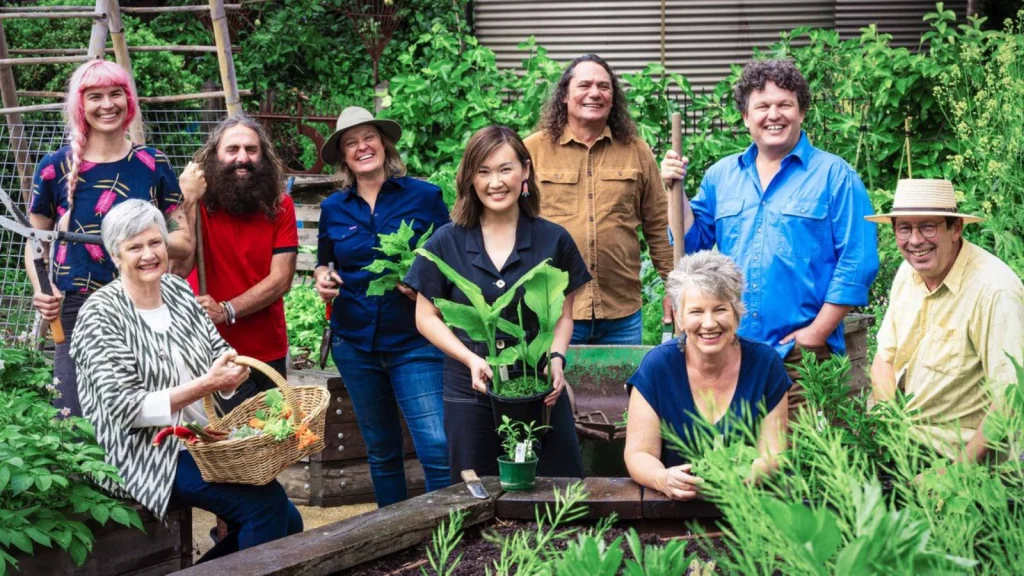
Gardening Australia 2025 Episode 41 presents a rich tapestry of horticultural stories that celebrate the festive season while emphasizing the deep connections between culture, topography, and the natural world. As the final installment of the year, this broadcast curates a selection of narratives designed to help viewers slow down, take a breath, and reconnect with nature amidst the often hectic pace of the holidays. The episode traverses the continent, moving from the sophisticated, musically inspired landscapes of the Adelaide Hills to the steep, sandstone slopes of Sydney, and into the humid, fluttering heart of a butterfly sanctuary in Melbourne.
Central to the philosophy of Gardening Australia 2025 Episode 41 is the idea that a garden is more than a collection of plants; it is a venue for storytelling, a repository of cultural heritage, and a sanctuary for biodiversity. The presenters explore how different communities utilise the soil to ground themselves, whether through growing traditional South Asian crops that evoke memories of a distant homeland or by meticulously designing floral displays that mimic the structure of a musical composition. These stories underscore the versatility of Australian gardening, demonstrating that success is possible regardless of whether one is cultivating a flat market garden or a challenging vertical block.
The scope of this episode is deliberately broad, touching upon practical diy gardening projects alongside complex ecological management strategies. Viewers are guided through the creation of festive floral ice buckets, a simple yet elegant way to showcase summer blooms, while simultaneously learning about the intricate life cycles of tropical butterflies and the specific botanical requirements needed to sustain them. This balance between aesthetic beauty and functional ecology is a hallmark of the show, encouraging enthusiasts to view their own patches of earth as interconnected systems where every plant choice can support local wildlife or provide sustenance for the table.
Background narratives within the episode reveal the personal motivations that drive passionate gardeners. We witness a former human resources student who abandoned the corporate world to reclaim his connection with the soil, eventually farming rare vegetables for diverse migrant communities. Similarly, we are introduced to a first-time gardener who, alongside her father, transformed a precipitous, weed-infested incline into a thriving native oasis. These human elements add a layer of emotional resonance to the practical advice, illustrating how the act of gardening can foster resilience, family bonding, and a profound sense of accomplishment.
As the narrative unfolds, the importance of seasonality and adaptation becomes evident. The episode delves into the specific maintenance regimes required to keep perennial borders looking vibrant through the heat of summer and the techniques used to manage greenhouse crops when fungal diseases threaten. From the specific hydration needs of native plants on rocky outcrops to the nutrient management of tomatoes in a protected environment, the advice is tailored to the unique environmental conditions found across the country.
Furthermore, the program highlights the role of garden design in creating spaces that are not only visually arresting but also emotionally evocative. The concept of a garden conducting a viewer through a space, much like a maestro conducts an orchestra, provides a sophisticated framework for understanding landscape architecture. This intersection of art and horticulture challenges the viewer to think about rhythm, movement, and structure in their own green spaces, transforming standard planting schemes into dynamic, living performances.
Finally, the episode does not shy away from the challenges inherent in cultivating the land. It addresses the realities of urban development and the precarious nature of farming on borrowed land, as well as the persistence required to battle pests and diseases without resorting to harsh chemicals. Through these honest depictions of trial and error, gardening shows like this one provide a realistic and encouraging roadmap for novices and experts alike.
The transition from spring to the full blaze of summer requires a shift in perspective, and the stories presented here offer a blueprint for that seasonal adjustment. By focusing on resilience, diversity, and the sheer joy of cultivation, the program sets a tone of optimistic perseverance. As we delve deeper into the specific segments, the intricate details of each gardener’s journey reveal the wealth of knowledge embedded in the Australian landscape.
Gardening Australia 2025 Episode 41
Symphonic Landscapes in Gardening Australia 2025 Episode 41
The relationship between music and horticulture is explored with profound depth at the UKARIA Cultural Centre in the Adelaide Hills, a focal point of Gardening Australia 2025 Episode 41. The centre, nestled in a landscape designed to complement an intimate concert hall, offers a masterclass in sensory garden design. The grounds are curated not merely as a backdrop but as a transitional journey for the audience, preparing them to receive music by immersing them in a visual and aromatic prelude. This 4,000-square-metre space is described as a living masterpiece where themes, movement, and structural tension mirror the dynamics of a musical composition.
A standout feature of this landscape is the “Crescendo Garden,” a herbaceous perennial area that exemplifies the concept of seasonal flow. This section utilises a mix of grasses, perennials, and bulbs to ensure that there is always a botanical performance in progress. The design embraces a mid-summer flush of colour, after which the plants are cut back to encourage a second flowering phase leading into February and March. This technique allows for a continuous display, or “crescendo,” of visual interest. Key to this aesthetic is the acceptance of decay; seed heads and finished flowers are often left in situ to provide textural contrast and mark the passage of time, adding a layer of structural complexity that persists even into winter.
The plant selection in the Crescendo Garden is meticulously chosen for both climate suitability and architectural form. Tall emerging plants contrast with low spreading varieties, while climbing and twining species weave through the dense planting to create a tapestry of foliage. Repetition is a critical design principle employed here to unify the expansive space. Drifts of Salvia nemorosa and catmint are repeated throughout the beds, drawing the eye through the landscape and creating a sense of rhythm and continuity. This repetition acts as a visual melody, tying distinct areas of the garden together into a cohesive whole.
Interspersed among the perennials are strategic plantings of bulbs and annuals. Liliums are utilised for their ability to push through dense lower foliage, their large blooms hanging above the canopy like suspended notes. Dutch iris provides early seasonal colour with foliage that is unobtrusive enough not to swamp emerging perennials. This layering of plants ensures that the garden remains dynamic, with different species taking the spotlight as the seasons progress. The result is a garden that feels both wild and orchestrated, a true reflection of the musical philosophy that underpins the entire estate.
Beyond the riotous colour of the perennial beds lies the “Grass Garden,” a more subdued area that focuses on texture and movement. This section combines exotic and local native plants to create a sensory experience driven by the wind. The colour palette here is restrained, allowing the form of the grasses to take precedence. Species such as Panicum are highlighted for their autumn colour and fluffy seed heads that float above the foliage, while native Kangaroo Grass (Themeda) contributes beautiful mounds of floating seed heads. The management of this area involves a hard cut-back in mid-winter, where the foliage is chopped and dropped as mulch, demonstrating a sustainable cycle of renewal.
Preserving History Through Horticulture
The UKARIA site holds a deep connection to the history of the skincare company Jurlique, and this legacy is preserved in the “Heritage Garden.” This section of the grounds contains original roses and herbs that were once harvested for skincare products. The garden showcases a variety of lavender, including the large Allardii and the compact English variety ‘Miss Donnington’, creating a fragrant tapestry that engages the sense of smell as intensely as the visual displays engage the eyes. The roses, transplanted from the original farm, offer multiple flushes of blooms, filling the air with scent and connecting the modern landscape to its agricultural past.
Over the past decade, the Heritage Garden has evolved through careful redevelopment. The approach has been to consolidate roses into specific groupings and inter-plant them with other species historically used in the company’s products, such as Echinacea and Sambucus. This strategy is augmented by the addition of seasonal annuals, ensuring that the garden remains colourful even when the roses are dormant. This technique of inter-planting provides year-round interest and ensures that the garden remains a vibrant, living entity regardless of the season.
The maintenance of such a complex and expansive garden is a collaborative effort, relying on a dedicated team of professionals and volunteers. The head gardener, Adam Hancock, works alongside a core group of volunteers who assist with weeding, pruning, and planting. This community involvement transforms the site from a private estate into a shared passion project, where the garden becomes a collective responsibility. The evolution of the garden under this stewardship is described as a living, breathing palette, constantly changing and never staying static, fulfilling the founder’s vision of a space that celebrates the ephemeral beauty of nature.
Cultivating Culture in Western Sydney
In the bustling development corridor of South Western Sydney, Gardening Australia 2025 Episode 41 uncovers a thriving market garden that serves as a vital cultural link for migrant communities. Costa visits Harun Rashid in the suburb of Austral, where a two-hectare farm sits in stark contrast to the encroaching suburban housing developments. This farm is a testament to the power of food in preserving cultural identity and providing a sense of grounding in a new country. Harun, originally from Bangladesh, transitioned from a career in human resources to farming, driven by a childhood passion and a desire to reconnect with the soil and nature.
The farm is notable for its extensive trellis system, which supports a variety of traditional South Asian crops rarely found in mainstream Australian supermarkets. One of the primary crops is the long melon, also known as bottle gourd, lau, lauki, or lauka depending on the cultural dialect. These vegetables, which resemble a cross between a zucchini and a potato, are staples in South Asian cuisine. By growing them locally, Harun provides the community with fresh, culturally significant produce that was previously difficult to source, helping to alleviate the homesickness often felt by migrants.
Harun’s agricultural techniques are a blend of traditional knowledge and practical adaptation. The long melons are grown on overhead trellises, a method that ensures the fruit hangs straight and achieves optimal shape and colour. Some specimens are allowed to grow to enormous sizes, up to 10 kilograms, to be harvested for seed. This practice of seed saving ensures the sustainability of the crop and allows for the selection of the strongest genetics. The structural integrity of the trellis is paramount to support such heavy fruit, demonstrating the engineering ingenuity required in large-scale gardening.
Beyond the long melon, the farm produces a staggering variety of vegetables, with over 50 types grown throughout the year. Pumpkins are cultivated not just for their fruit, but for their tender shoots and flowers, which are delicacies in Bangladeshi and Nepalese cuisine. The pumpkin shoots are harvested for their sweet stems and leaves, while the flowers are dipped in batter and deep-fried. This approach to “nose-to-tail” eating of vegetable plants highlights a divergence in cultural culinary practices, where one gardener’s compost material is another’s prized ingredient.
The farm also operates as a community hub, responding to the specific requests of the diverse local population. Harun grows produce like Boda beans specifically for the Fijian community, having learned the cultivation techniques from his customers. This responsiveness creates a symbiotic relationship where the farmer and the community educate and support one another. The farm grows taro leaves, hyacinth beans, amaranth, rosella, Malabar spinach, and multiple varieties of eggplant, creating a treasure trove of global staples in a Sydney suburb.
However, the existence of this agricultural oasis is precarious. The land is leased on a short-term basis, with housing developments scheduled to swallow the farm within a year or two. This reality of urban sprawl threatening peri-urban agriculture is a poignant theme in Australian gardening. Despite the looming loss of the land, Harun remains committed to his vocation, operating multiple farm sites and maintaining a shopfront that serves as a place of education for the next generation. He views his farm as a venue for children to learn where their food comes from and to experience the agricultural heritage of their parents’ homelands.
DIY Festivities: The Floral Ice Bucket
Transitioning from the farm to the patio, the episode offers practical diy gardening advice for the holiday season with a tutorial on creating a floral ice bucket. This project is presented as a cost-effective and visually stunning way to utilise home-grown blooms for festive entertaining. The process begins with a walk through the garden to gather materials, encouraging gardeners to look at their plants with a creative eye. The suggested materials include orchids, pansies, lavender, and vibrant green foliage to create colour contrast, with a strong advisory to ensure that any flowers used are free from chemical sprays.
The construction of the ice bucket involves a simple double-container mould system. A smaller container is placed inside a larger one, creating a cavity that is filled with water and botanicals. A critical garden hacks tip provided is the use of distilled or double-boiled water rather than standard tap water. This is essential for achieving crystal-clear ice, as it removes impurities that cause cloudiness during the freezing process. This attention to detail elevates the final product from a simple craft to a professional-looking centrepiece.
The assembly process is methodical. A base layer of ice is frozen first to provide a foundation for the inner container. Once the inner container is weighted down, the void is filled with water and the harvested flowers, fruit slices (like lemons), and herbs. The placement of the botanicals is key, with a utensil used to press them into position to ensure an even distribution. The entire mould requires a full 24 hours to freeze completely, emphasizing the need for planning in garden-based entertaining.
Unmoulding the ice bucket requires care, using warm water to loosen the plastic containers without cracking the ice. The finished product is displayed on a tray to catch melting water, serving as both a functional cooler for beverages and a conversation starter. This segment reinforces the idea that gardening yields more than just food or landscape views; it provides the raw materials for creativity and celebration, allowing the garden to be brought onto the dining table in unexpected ways.
Engineering Nature on Steep Slopes
One of the most physically demanding aspects of garden design is addressed in Clarence’s visit to a steep, sandstone block in the Sydney suburb of Arncliffe. This segment of Gardening Australia 2025 Episode 41 explores the challenges and rewards of cultivating a site with a gradient approaching 45 degrees. The garden, owned by first-time gardener Ruby Steele, is a triumph of engineering and perseverance, transforming a precarious hillside into a stabilized, three-tiered native meadow. The site is characterised by craggy sandstone outcrops and sudden drops, a landscape typical of the Bidjigal lands.
The transformation of this site was necessitated by the collapse of an old retaining wall, which forced the owner to manually excavate huge volumes of soil and rock. The new design works with the difficult topography rather than fighting against it. The garden is divided into three distinct zones: a top terrace with panoramic views of Botany Bay, a steep central slope densely planted with natives, and a lower level featuring sheer sandstone faces. The sheer physical effort involved in moving four skip loads of earth by hand underscores the dedication required for such a project.
Erosion control is the primary technical challenge on such a steep incline. The solution employed involves a combination of hard landscaping and biological anchoring. Sandstone rocks and timber logs create physical barriers, while the root systems of the plants bind the soil together. A weed mat is utilised across the slope to further retain the clay and rock soil, with pockets cut into the fabric to allow for planting. This pragmatic use of materials ensures the stability of the slope while the plants establish themselves.
The planting palette is dominated by native plants chosen for their hardiness and ability to thrive in shallow, rocky soils. Pigface (Carpobrotus) creates a cascading waterfall effect over the sandstone, its succulent leaves and bright flowers softening the hard rock edges. Tea trees and Melaleucas are planted to provide vertical interest and sculptural form, with the expectation that they will eventually double in size. The middle tier acts as a native meadow, featuring paper daisies, kangaroo paws, and billy buttons. The contrast between the silver foliage of the billy buttons and the surrounding grasses creates a textural interplay that is visually engaging.
Corten steel planter boxes are integrated into the design to provide stable planting pockets for larger specimens. These rusted steel elements complement the natural tones of the sandstone, adding a modern industrial aesthetic to the rugged site. The garden also features spontaneous vegetation, such as fig trees planted by birds, which have been allowed to remain, adding a layer of wild serendipity to the planned landscape. The result is an eclectic but cohesive space that turns a difficult, precipitous block into a functional and beautiful environment.
Engineering Nature on Steep Slopes (Continued)
The success of the Arncliffe garden lies in its clever zonation and the owner’s willingness to adapt to the rugged terrain. As Clarence ascends the garden, the transition from the sheer rock face at the bottom to the open terrace at the top reveals a distinct shift in atmosphere. The upper level is designed to eventually become a “secret garden,” using feature wattles in pots to provide screening from neighbours. A patch of no-mow lawn, described humorously as resembling “guinea pig fur,” offers a low-maintenance green space that requires no mowing—a practical decision given the inaccessibility of the site for heavy machinery.
This project highlights the profound personal growth that often accompanies major diy gardening endeavours. For Ruby, a novice gardener whose previous experience was limited to inner-city courtyards, the steep learning curve was literal. The construction of the sandstone walls was a bonding experience with her father, passing down stonemasonry skills and creating a tangible legacy in the landscape. The garden stands as a testament to the idea that even the most daunting, inhospitable sites can be tamed with physical labor, strategic planting, and a respect for the natural geology of the land.
Entomology and Habitat Creation at Melbourne Zoo
Moving from the structural challenges of slopes to the delicate requirements of invertebrates, Gardening Australia 2025 Episode 41 takes viewers inside the Butterfly House at Melbourne Zoo. This segment, presented by Millie, offers a fascinating glimpse into the controlled environment required to sustain tropical butterfly species in a temperate climate. The facility is maintained at a constant 28 degrees Celsius with 70 percent humidity, conditions achieved through the use of an internal waterfall and climate control systems. These parameters are essential for the survival of the 500 to 700 butterflies that inhabit the space at any given time.
The planting strategy within the Butterfly House is strictly divided into two categories: egg-laying plants and nectar plants. This distinction is crucial for any gardener wishing to attract butterflies. Egg-laying plants are specific to the larvae of different species; for example, Sida rhombifolia is cultivated for the Common Eggfly and Blue Moon butterflies, while citrus varieties support the Orchard Swallowtail. The zoo breeds all its butterflies on-site, necessitating a robust rotation of plants between the public display area and the behind-the-scenes breeding facilities.
In the “Caterpillar House,” the life cycle of these insects is managed with precision. Plants laden with eggs are moved to this protected environment where the caterpillars can feed voraciously without predation. The segment details the remarkable camouflage strategies of the larvae, such as the Orchard Swallowtail caterpillar which mimics bird droppings in its early stages before moulting into a green form that hugs the stems of the plant. This biological warfare against predators is a key adaptation that gardeners can observe in their own backyards if they know what to look for.
A significant portion of the zoo’s horticultural work involves the rejuvenation of plants ravaged by caterpillars. Once a plant has been stripped of its foliage—described as “dirty dishes” after a meal—it is removed, hard-pruned, fertilized, and given months of tender loving care to recover. This cycle of destruction and regeneration is a normal part of supporting a butterfly population. Horticulturist Tom Gleeson explains that the chosen plant species must be resilient enough to withstand this intense grazing and respond well to hard pruning, creating a sustainable loop of food production for the insects.
The episode also highlights the zoo’s conservation efforts beyond its gates, specifically regarding the Golden-rayed Blue butterfly, Victoria’s only endemic species. This threatened butterfly relies exclusively on Myoporum parvifolium (Creeping Boobialla) for its survival. Conservationists are working with indigenous nurseries to propagate specific regional forms of this plant to restore habitat in the Wimmera region. The goal is to create corridors of vegetation that connect fragmented habitats, allowing the butterflies to move across a landscape currently dominated by monoculture cropping. This story serves as a powerful reminder that native plants in domestic gardens can play a role in broader conservation networks.
Greenhouse Management and Disease Control
For those cultivating food crops, Gardening Australia 2025 Episode 41 shifts focus to the controlled environment of a home greenhouse. Hannah demonstrates the nuances of growing tomatoes under glass, highlighting the differences between determinate (bush) and indeterminate (vine) varieties. In the greenhouse, indeterminate varieties are favoured for their ability to grow vertically and produce fruit over an extended season. Instead of traditional stakes, strong garden twine is used to support the vines, which are wound around the string as they climb, a space-saving technique ideal for protected cropping.
However, the segment also addresses the pitfalls of high-intensity growing. Hannah reveals a setback involving nitrogen toxicity, caused by planting seedlings into a “no-dig” bed too rich in fresh manures and blood and bone. This excess nitrogen resulted in leaf curl, a physiological response that looks alarming but is survivable. This incident serves as a valuable lesson in soil preparation, warning gardeners that while rich soil is desirable, an imbalance of nutrients can stress plants just as severely as a deficiency.
A more serious threat discussed is tomato blight, a fungal disease exacerbated by the reduced airflow and high humidity often found in greenhouses. The early signs—black dots surrounded by yellow halos appearing at the base of the plant—require immediate action. The management strategy outlined is organic and proactive: removing and destroying infected leaves (never composting them) and applying a copper spray. For ongoing maintenance, a weekly spray of one part low-fat milk to one part water is recommended. This garden hacks solution promotes the growth of beneficial microbes on the leaf surface that outcompete the fungal pathogens, demonstrating an effective, chemical-free method for disease suppression.
Rare Blooms and Seasonal Maintenance
In a segment dedicated to the unusual and the exotic, Jerry introduces the “Queen of the Night” (Epiphyllum oxypetalum), a tropical climbing cactus renowned for its spectacular nocturnal blooms. The flowers, as large as bread-and-butter plates, open for a single night, filling the garden with a potent vanilla fragrance. While many grow this plant solely for its flowers, the segment delves into the botany of fruit production. The cactus is self-sterile, meaning it requires pollen from a genetically different plant to set fruit. By cultivating two distinct clones, Jerry achieves cross-pollination, resulting in delicious, dragon fruit-like produce.
The cultivation of this cactus involves a clever companion planting strategy using a yam vine. The yam, being winter deciduous, allows full sun to reach the cactus stems during the cooler months, ripening them and priming them for flowering. In summer, the yam’s foliage grows back to provide essential shade, protecting the cactus from the harsh sun. This mutualistic arrangement showcases advanced garden design where the life cycles of two different species are utilised to create perfect growing conditions for both.
The episode concludes with a rapid-fire seasonal checklist, ensuring gardeners across all climate zones are prepared for the summer. In cool areas, the focus is on sowing broccoli and controlling annual weeds like chickweed and dock before they set seed. For warm regions, irrigation maintenance is paramount; flushing drip lines and checking sprinklers is a critical task before the holiday heat arrives. The segment also suggests planting capsicums in fluffy, manure-enriched soil and preparing portable herb baskets with mint and basil for travelers.
In the tropics, the wet season brings a risk of fungal disease, necessitating the removal of infected foliage and the production of leaf mould for potting mixes. Subtropical gardeners are advised to care for Vireya rhododendrons and prune back trees to minimize storm damage. For arid zones, the advice centres on keeping basil productive by pruning flower heads and utilizing kangaroo apples once they have ripened and fallen from the tree. These regionally specific tips reinforce the show’s commitment to providing relevant advice for the entirety of the Australian gardening community.
Conclusion Gardening Australia 2025 Episode 41
Gardening Australia 2025 Episode 41 serves as a comprehensive guide to ending the gardening year with intention and care. From the grand, music-infused landscapes of UKARIA to the microscopic battles against blight in a home greenhouse, the episode covers the full spectrum of horticultural experience. It celebrates the innovators like Harun and Ruby, who carve out productive spaces in unlikely places, and the conservationists working to save microscopic butterfly larvae.
As the presenters sign off with their Christmas wishes—ranging from a sturdy pair of gloves to the simple luxury of time spent pottering—the underlying message is clear. The garden is a place of respite, a source of food, and a vital ecological asset. Whether one is engineering a steep slope, brewing a milk spray for tomatoes, or simply watching a cactus bloom in the moonlight, the act of gardening offers a profound way to connect with the world. This final broadcast of the year leaves viewers with a wealth of knowledge and the inspiration to get their hands dirty, ensuring their green spaces thrive well into the new year.
FAQ Gardening Australia 2025 Episode 41
Q: What is the central theme explored in Gardening Australia 2025 Episode 41?
A: This final installment of the year emphasizes the profound connections between culture, topography, and the natural world throughout the festive season. The episode showcases how gardens serve as venues for storytelling, repositories of cultural heritage, and sanctuaries for biodiversity. Furthermore, it demonstrates that successful cultivation is achievable across diverse Australian landscapes, from flat market gardens to precipitous vertical blocks, while encouraging viewers to reconnect with nature during the holiday period.
Q: How does the UKARIA Cultural Centre integrate musical concepts into garden design?
A: The 4,000-square-metre landscape at UKARIA functions as a living masterpiece where themes, movement, and structural tension mirror musical composition dynamics. The Crescendo Garden employs herbaceous perennials, grasses, and bulbs to create continuous botanical performances, with plants cut back mid-summer to encourage secondary flowering phases. Additionally, repetition serves as a critical design principle, with drifts of Salvia nemorosa and catmint creating visual melody throughout the beds. This approach transforms the garden into a transitional sensory journey that prepares concert attendees to receive music.
Q: What makes Harun Rashid’s market garden culturally significant for Sydney’s migrant communities?
A: Located in Austral, this two-hectare farm grows over 50 traditional South Asian vegetables rarely found in mainstream Australian supermarkets, providing vital cultural links for migrants. The farm cultivates long melons, pumpkin shoots and flowers, Boda beans for Fijian communities, and numerous other specialty crops using traditional knowledge adapted to local conditions. Consequently, the farm alleviates homesickness by offering fresh, culturally significant produce while operating as a community hub where farmers and customers educate each other. However, urban sprawl threatens this agricultural oasis, with housing developments scheduled to consume the land within two years.
Q: What techniques are recommended for creating professional-looking floral ice buckets?
A: The double-container mould system requires distilled or double-boiled water rather than tap water to achieve crystal-clear ice free from cloudiness caused by impurities. A base layer freezes first to stabilize the inner container, then the cavity is filled with chemical-free flowers, herbs, and fruit slices positioned carefully with utensils. The entire assembly needs 24 hours to freeze completely, emphasizing the importance of advance planning for entertaining. This cost-effective project transforms home-grown blooms into stunning centerpieces that function as both beverage coolers and conversation starters.
Q: How was the steep Arncliffe garden engineered to prevent erosion?
A: The 45-degree gradient required combining hard landscaping with biological anchoring strategies to stabilize the three-tiered native meadow. Sandstone rocks and timber logs create physical barriers, while native plant root systems bind the soil together on the craggy outcrops. Moreover, weed mat across the slope retains clay and rock soil, with pockets cut for planting until vegetation establishes itself. This pragmatic engineering transformed a precarious hillside following retaining wall collapse, with the owner manually excavating four skip loads of earth to work with rather than against the difficult topography.
Q: What specific plants does Melbourne Zoo’s Butterfly House require for breeding programs?
A: The facility strictly divides planting into egg-laying plants and nectar plants, maintaining precise requirements for 500 to 700 tropical butterflies at 28 degrees Celsius with 70 percent humidity. Sida rhombifolia supports Common Eggfly and Blue Moon butterfly larvae, while citrus varieties sustain Orchard Swallowtail caterpillars that mimic bird droppings before moulting. Plants stripped by voracious caterpillars receive hard pruning, fertilization, and months of recovery before rotation back into service. Notably, conservation efforts focus on propagating Myoporum parvifolium for the threatened Golden-rayed Blue butterfly, Victoria’s only endemic species.
Q: What common greenhouse tomato problems are addressed in this episode?
A: Nitrogen toxicity from excessively rich no-dig beds causes alarming leaf curl, though plants typically survive this physiological stress response. More seriously, tomato blight thrives in greenhouse conditions with reduced airflow and high humidity, displaying black dots surrounded by yellow halos at plant bases. Immediate removal and destruction of infected leaves prevents spread, while copper spray provides organic intervention. Furthermore, weekly applications of one-part low-fat milk to one-part water promote beneficial microbes that outcompete fungal pathogens on leaf surfaces, offering chemical-free disease suppression.
Q: How does the Queen of the Night cactus produce fruit in home gardens?
A: Epiphyllum oxypetalum is self-sterile, requiring pollen from genetically different plants to set dragon fruit-like produce despite spectacular bread-and-butter plate-sized nocturnal blooms. Cultivating two distinct clones enables cross-pollination for successful fruit production beyond the vanilla-scented flowers that open for single nights. Additionally, companion planting with winter-deciduous yam vines creates ideal conditions, as the yam allows full sun exposure for stem ripening during cooler months while providing essential shade protection in summer. This mutualistic arrangement demonstrates advanced design utilizing complementary plant life cycles.
Q: What regional summer maintenance tasks are recommended for different Australian climate zones?
A: Cool areas should focus on sowing broccoli and controlling annual weeds before seed set, while warm regions require irrigation system maintenance including flushing drip lines before holiday heat arrives. Tropical gardeners must remove fungal-infected foliage during wet season and produce leaf mould for potting mixes. Subtropical zones need Vireya rhododendron care and strategic tree pruning to minimize storm damage. Meanwhile, arid gardeners should prune basil flower heads for continued productivity and utilize fallen, ripened kangaroo apples. These regionally specific recommendations ensure relevant guidance across Australia’s diverse horticultural conditions.
Q: What sustainability practices are demonstrated throughout Gardening Australia 2025 Episode 41?
A: The episode showcases multiple sustainable approaches, including the Grass Garden’s chop-and-drop method where winter-cut foliage becomes mulch in regenerative cycles. Harun’s seed-saving practices ensure crop sustainability while selecting strongest genetics for traditional vegetables. The Arncliffe garden incorporates spontaneous bird-planted figs into planned landscapes, embracing natural succession. Chemical-free pest management through milk sprays and copper treatments demonstrates organic disease control effectiveness. Ultimately, these practices reveal gardening as an interconnected system where thoughtful plant choices support local wildlife, provide table sustenance, and foster ecological resilience across diverse Australian environments.


