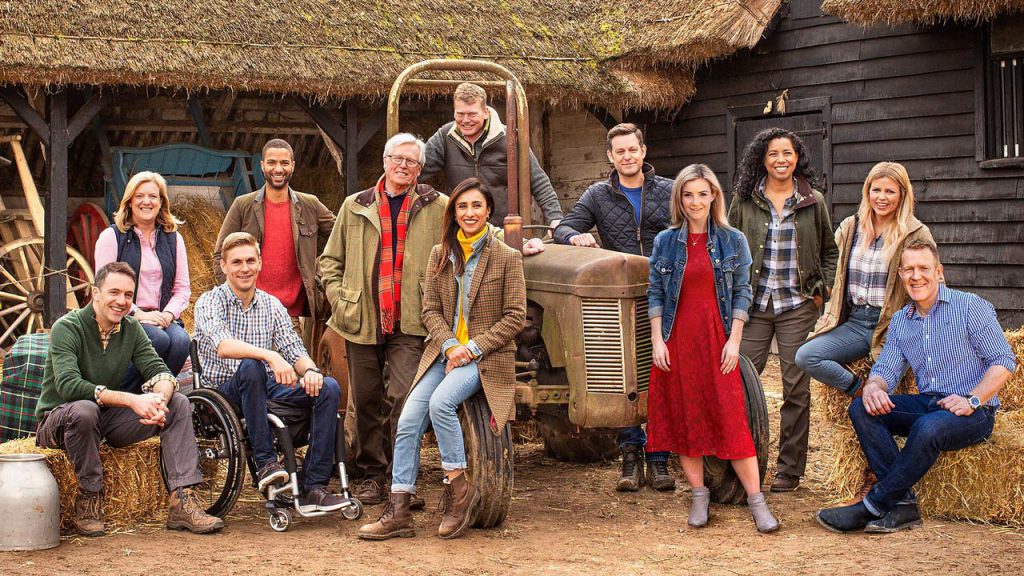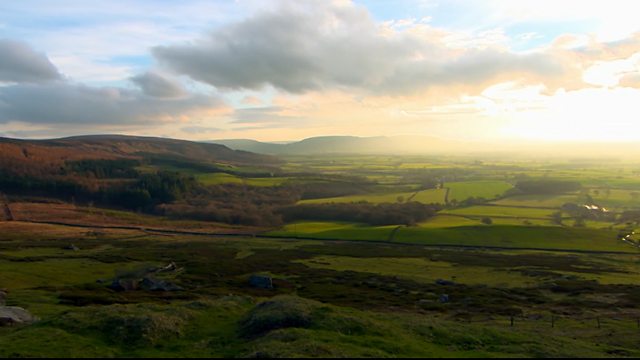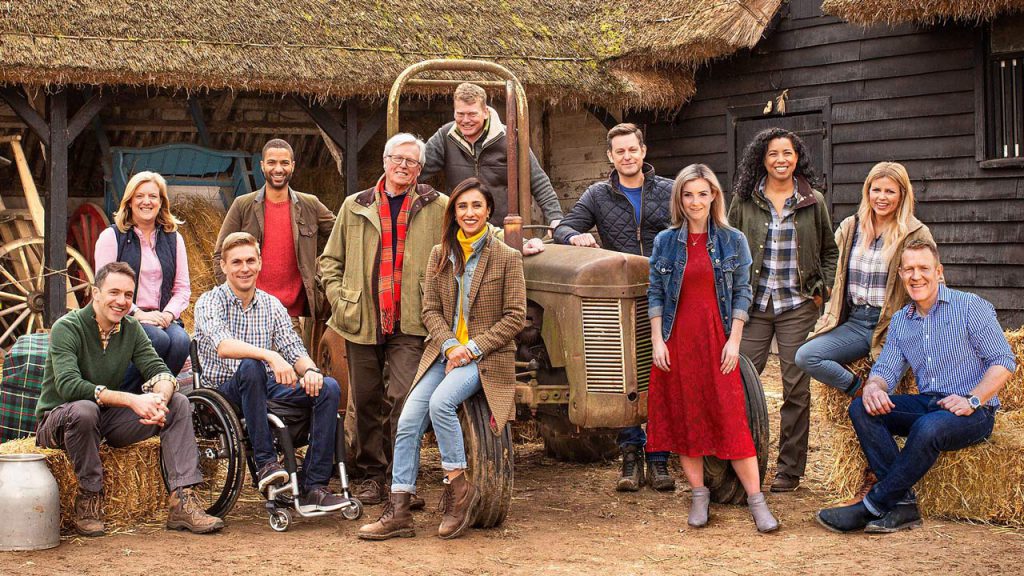
Landward episode 5 2026 takes viewers on a sweeping journey across Scotland’s most distinctive landscapes, from the mist-wrapped summit of Ben Ledi in the Trossachs to the sheltered sea lochs of Wester Ross, examining the natural, agricultural, and cultural threads that bind rural Scotland together. This episode arrives at a particularly charged moment for Scottish farming and conservation, with long-term ecological research, heritage breed preservation, and the slow recovery of once-depleted species all converging in a single hour of television. The breadth of subjects covered reflects a country in active dialogue with its own past, asking hard questions about what was lost, what survived, and what must now be carefully rebuilt.
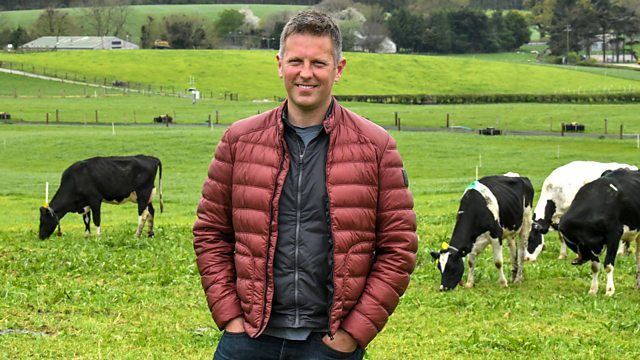
The episode spans five distinct stories, each rooted in a specific place and carried by a presenter embedded in the work being done on the ground. Dougie Vipond travels to the Trossachs to assist with high-altitude ecological fieldwork on Ben Ledi. Arlene Stuart heads to Dumfries and Galloway to hear how the foot-and-mouth crisis of 2001 continues to shape farming practice a quarter century on.
Rosie Dodd travels to Gairloch in Wester Ross to investigate the slow, fragile comeback of the Atlantic herring. Leanna MacLeod joins researchers in Fife tracking the elusive snipe. And Cammy Wilson visits an Ayrshire couple whose dedication to the Clydesdale horse has become a mission to save one of Scotland’s most iconic working breeds. Together, these five threads offer a portrait of rural Scotland navigating loss, resilience, and cautious renewal.
Scotland’s countryside rarely stands still. The landscapes that appear ancient and immovable are in fact caught in constant biological, climatic, and economic flux. Agriculture in the Borders and the South West is still calibrating from the devastation of foot-and-mouth disease. Coastal fisheries are wrestling with the consequences of decades of industrial-scale overfishing. Highland hillsides are being scrutinised not merely for their beauty but for the complex ecological signals they emit to scientists trying to understand how climate change is reshaping the country. Landward 2026 positions itself at the intersection of all these pressures, grounding its coverage in the voices and work of the people engaged with them daily.
What distinguishes this episode from more conventional countryside programming is its commitment to specificity. The research on Ben Ledi is not presented as a vague gesture toward conservation but as precise, methodical science conducted in challenging physical conditions. The herring story in Gairloch is not nostalgic fishing folklore but an account of active fisheries management, community involvement, and ecological monitoring. The Clydesdale segment is not a sentimental tribute to a working horse but an examination of genetics, breed registration, and the economics of cultural preservation. Country life in Scotland, as Landward 2026 consistently demonstrates, is serious, technical, and deeply consequential.
The episode’s geographical range also carries its own meaning. From the central Highlands to Fife’s lowland wetlands, from the Ayrshire coast to the Atlantic-facing shores of Wester Ross, the programme draws a wide arc across Scottish territory. Each location comes with its own climate, ecology, history, and set of pressures. Yet the stories connect through shared themes: the relationship between human activity and the natural world, the tension between economic necessity and environmental responsibility, and the extraordinary effort required to preserve what earlier generations took for granted. These connections accumulate quietly across the hour, creating something more substantial than a series of isolated reports.
The pace of the episode is measured and purposeful. Each segment is given enough time to develop its subject with real depth, avoiding the rushed approach that can make countryside magazine programmes feel superficial. Viewers are invited into the physical reality of each location, whether that means following researchers up a steep Highland hillside at dawn, wading through boggy Fife ground after nightfall, or watching a Clydesdale mare move with the weight and grace that made her breed famous. This immersive quality is what makes Landward episode 5 2026 function not merely as information delivery but as an encounter with Scottish rural life in all its complexity.
By anchoring each story in fieldwork, craft, or lived experience, the episode resists the temptation to reduce Scotland’s countryside to a backdrop. The land here is active. It is a site of research, loss, recovery, and daily labour. The people who work it carry institutional knowledge, scientific training, and in some cases the trauma of events like foot-and-mouth that reshaped entire communities overnight. Understanding their work, and the landscapes they tend, requires patience and attention. Landward 2026 offers both in generous measure throughout this episode.
The result is a programme that earns its authority not through expert commentary delivered to camera but through the demonstrated competence of the people it follows. Scientists who know the mountain. Fishers who know the sea loch. Farmers who lost everything in 2001 and rebuilt from that loss. Horse breeders who understand that what they are doing cannot be left to chance or sentiment. This is agricultural life observed with respect and rigour, and it makes for television that is simultaneously instructive and quietly compelling.
Landward episode 5 2026
High-Altitude Research on Ben Ledi: Landward Episode 5 2026 and Mountain Ecology
Ben Ledi rises above the Trossachs with the kind of blunt authority that makes it one of Scotland’s most recognisable hills. Dougie Vipond joins a team of researchers working near the summit to carry out fieldwork that requires both physical fitness and scientific precision. The work centres on mountain hare populations and how they are responding to shifting conditions at altitude. These animals are not merely charismatic Highland wildlife. They are ecological indicators, creatures whose population dynamics, behaviour, and physical characteristics reflect broader changes in the upland environment.
The fieldwork involves locating hares, collecting data on their condition and distribution, and contributing to a longer-term monitoring programme designed to track how the species is faring across Scottish hills. Climate change is a central concern, specifically the question of whether hares that turn white in winter for camouflage are becoming more visible to predators because snow cover is arriving later and disappearing earlier. A white hare against bare brown ground is a conspicuous target. If the mismatch between coat colour and ground conditions is becoming more pronounced as winters warm, the consequences for the population could be significant.
Dougie assists with the physical demands of the fieldwork, joining the team as they move across challenging terrain. The segment captures the unglamorous reality of ecological monitoring, the early starts, the unpredictable weather, the need for careful methodical observation in conditions that test endurance. The researchers explain their approach clearly, conveying both the importance of what they are measuring and the difficulty of measuring it consistently over many seasons. Mountain ecology requires this kind of sustained commitment, and Ben Ledi has become a site where that commitment is paying off in long-term data.
The Foot-and-Mouth Legacy: How 2001 Shaped Scottish Farming Life Today
Twenty-five years after foot-and-mouth disease swept through British livestock farming, Arlene Stuart travels to Dumfries and Galloway to examine what that catastrophe left behind. The outbreak of 2001 was one of the most devastating events in modern British agricultural history. In Scotland, the South West bore the worst of it. Entire flocks and herds were slaughtered. Farms that had carried the same bloodlines for generations were emptied in days. The financial, psychological, and community damage was profound and lasting.
What Arlene finds is not only grief preserved in memory but something constructive built in response. A legacy project emerged from the crisis, and it is now providing practical support and learning resources that benefit Scottish farming today. The farmers she speaks with describe the experience of 2001 with the kind of measured clarity that comes from having processed something catastrophic over a long period. They do not minimise what happened. However, they also articulate clearly what emerged from the wreckage, a determination to improve biosecurity, to strengthen the networks of mutual support among farming communities, and to ensure that the lessons of that period were not lost.
The legacy work Arlene examines connects the past directly to current agricultural practice. Farmers and agricultural organisations have channelled the knowledge gained during the crisis into training programmes, improved disease response protocols, and community frameworks that make rural Scotland better prepared for future animal health emergencies. The segment demonstrates that in farming, as in other industries, institutional memory is a resource. The people who lived through foot-and-mouth carry knowledge that cannot be found in policy documents. Arlene’s reporting brings that knowledge into focus, framing 2001 not only as a disaster but as the origin point of something valuable.
Herring on the Rise: Landward Episode 5 2026 and the Gairloch Fishery
Rosie Dodd travels to Gairloch in Wester Ross, a place where the sea has shaped life for centuries, to investigate the return of the Atlantic herring. This species was once so abundant in Scottish waters that it underpinned entire coastal economies. Industrial-scale fishing through the twentieth century decimated stocks across the North Atlantic. In many areas, herring effectively disappeared from waters where they had been plentiful for generations. Gairloch is one of the places where a careful, community-led approach to herring management has produced signs of genuine recovery.
Rosie joins local fishers who are working within a strictly managed framework designed to allow herring populations to rebuild. The catches are small by historical standards, and that is precisely the point. The approach here is about taking only what the population can sustain, monitoring stock levels closely, and resisting the pressure to exploit a recovering resource before it is truly stable. The fishers she speaks with understand this calculus intimately. They have seen what unconstrained fishing does to a species. The discipline required to hold back when fish are present is hard-earned but clearly internalised.
The Gairloch herring story also illustrates how local knowledge and scientific monitoring can work together effectively. Fishers who have worked these waters for decades carry observational data that complements what researchers measure from boats and in laboratories. The integration of both knowledge systems has been central to the management approach in Gairloch. Rosie’s segment communicates the fragility of the recovery without tipping into fatalism, presenting a careful, evidence-grounded case for optimism. The herring are coming back. But they are coming back slowly, and only because people chose restraint over short-term gain.
The wider context for this story is the condition of Scotland’s inshore fisheries more broadly. Gairloch is not unique in having experienced the consequences of overfishing, but it is one of the places where a coherent response has been put in place and maintained over time. The community dimension of that response matters. Fishing in a place like Gairloch is not an anonymous industrial activity. The people involved know each other, know the water, and have a shared interest in the long-term health of the fishery. That social fabric, combined with effective regulation and monitoring, is what has made the recovery possible.
Tracking the Snipe: Landward 2026 and Fife’s Hidden Wader Research
The snipe is one of Scotland’s most elusive birds. Leanna MacLeod joins a research team in Fife working to understand more about the movements and habitat use of this cryptic wader. The snipe’s camouflage is extraordinary: its intricate brown, black, and cream patterning makes it almost invisible against the wet, tussocky ground it favours. Finding and catching snipe for research purposes requires specialist techniques, considerable patience, and a willingness to work in the dark. The team operates at night, using lights to locate birds in the boggy terrain before carefully catching them for tagging.
The research programme is designed to track how snipe move through the landscape over the course of a year. By fitting individual birds with small tracking tags, the team can gather data on habitat preferences, migration routes, and the areas most critical to the species’ survival. This kind of information is essential for conservation planning. If you do not know where the birds go, you cannot protect the places they need. Snipe populations have declined significantly across Britain, and understanding why requires detailed knowledge of their ecology throughout the annual cycle.
Leanna participates in the night-time catching session, experiencing the physical reality of fieldwork that most people never see. The segment captures the concentration and care the team brings to handling the birds, the swift, precise process of fitting tags and recording data before releasing each bird unharmed. It also conveys the genuine excitement of close contact with a species that normally exists only as a distant zigzagging shape flushing from the grass. Country life in Fife takes an unexpected turn into specialist ornithological science, and the result is one of the episode’s most distinctive segments.
The snipe research also connects to broader questions about how Scotland’s lowland wetlands are being managed. These habitats have been drained, intensified, and fragmented over decades of agricultural development. The birds that depend on them have contracted into the areas where suitable conditions remain. Research programmes like the one Leanna joins in Fife are part of a wider effort to understand what these habitats need to support viable populations of species like snipe, and to make the case for their protection and restoration.
The Clydesdale Horse and the Landward Episode 5 2026 Story of Breed Survival
Cammy Wilson visits an Ayrshire couple who have dedicated themselves to breeding and promoting the Clydesdale horse, one of Scotland’s most iconic and historically significant livestock breeds. At the height of the agricultural and industrial eras, Clydesdales were ubiquitous. They pulled ploughs, hauled timber, moved goods through city streets, and powered farms across Scotland and beyond. The mechanisation of agriculture and transport made them economically redundant within a relatively short period. Breed numbers collapsed, and the Clydesdale moved from working animal to rare breed almost within a generation.
The couple Cammy visits approach the work of breed preservation with a seriousness that goes well beyond sentiment. They are registered breeders operating within a formal breed society framework, maintaining careful records of bloodlines, tracking genetic diversity, and working to ensure that the horses they produce meet the breed standard that defines a true Clydesdale. The breed’s physical characteristics, its substantial frame, feathered legs, broad forehead, and characteristic high-stepping action, are not merely aesthetic. They are the accumulated result of selective breeding over generations for specific working purposes, and maintaining them requires discipline and expertise.
The economic dimension of Clydesdale breeding today is different from anything the breed’s original developers could have imagined. These horses are not primarily working animals anymore. They function as show horses, heritage animals, and increasingly as a form of living cultural heritage that draws interest from enthusiasts, schools, and agricultural shows. The couple in Ayrshire have found a way to make this economically viable, combining showing, breeding, and education into an integrated operation. Their horses have won prizes and attracted attention at major equine events, helping to sustain public awareness of the breed.
Cammy’s visit also touches on the mechanics of Clydesdale breeding itself. Selecting the right pairings to maintain the breed standard while preserving genetic diversity is genuinely complex work. With a relatively small registered population, the risk of inbreeding is a real concern, and the breeders Cammy meets are well aware of this. Their approach is informed, careful, and oriented toward the long-term health of the breed rather than short-term wins in the show ring. They know that what they are doing matters beyond their own farm, contributing to a national herd that cannot afford to lose the genetic range it needs to remain viable.
The Clydesdale also carries a weight of cultural meaning in Scotland that gives the preservation work an additional dimension. This was the horse that built much of the country’s agricultural infrastructure. Images of Clydesdales at plough are among the most potent icons of Scottish rural history. Losing the breed would mean losing not just an animal but a living link to that history. The couple in Ayrshire are acutely aware of this, and it drives their commitment beyond what pure economics would require.
Landward Episode 5 2026 and the Significance of Long-Term Ecological Monitoring
Across the multiple stories in this episode, one theme emerges with particular force: the value of sustained, methodical monitoring over time. The mountain hare research on Ben Ledi, the herring recovery in Gairloch, and the snipe tracking in Fife all depend on long-term data collection that resists the pressure for quick conclusions. Ecology operates on timescales that do not fit comfortably into annual funding cycles or political attention spans. The willingness to commit to years or decades of consistent monitoring is what separates genuinely useful conservation science from well-intentioned but inconclusive investigation.
The researchers featured in this episode make this point implicitly through the work they describe. The mountain hare study has been running long enough to show population trends. The herring management in Gairloch has been sustained long enough to produce visible recovery. The snipe research is building a dataset that will eventually reveal patterns invisible to short-term observation. In each case, the science is valuable precisely because it has not been abandoned when results were slow to emerge. This is a form of institutional patience that is increasingly rare and correspondingly valuable.
This theme connects directly to the agricultural stories in the episode. The foot-and-mouth legacy work that Arlene examines is itself a form of long-term institutional memory. Farming communities that retained knowledge of the 2001 crisis have been able to apply that knowledge to subsequent animal health challenges. The Clydesdale breeders in Ayrshire are engaged in a multi-generational project whose full results will not be known in their lifetimes. All of these stories share a refusal to measure success by short timescales, and that shared quality gives the episode a coherent underlying argument about how to sustain what matters in Scotland’s countryside.
Community, Knowledge, and Agricultural Life in Landward Episode 5 2026
Perhaps the most consistent thread running through this episode is the importance of community knowledge in sustaining Scotland’s rural environments and traditions. In Gairloch, the herring recovery depends on fishers sharing what they know about local conditions with researchers. In Dumfries and Galloway, the foot-and-mouth legacy is kept alive by farmers who witnessed it and chose to pass on what they learned. In Ayrshire, Clydesdale breeding depends on a community of enthusiasts, breed society officials, and dedicated breeders maintaining collective standards that no individual could uphold alone.
This form of community knowledge is different from formal institutional expertise, though it works alongside it. It is knowledge that lives in practice, in the daily decisions made by people whose livelihoods and identities are bound up with the land, the sea, and the animals they tend. Landward 2026 has consistently sought out this kind of knowledge, and in episode 5 it finds it expressed in particularly vivid forms across Scotland’s different regions.
Agricultural life in Scotland has always been shaped by this transmission of knowledge between generations and between neighbours. The foot-and-mouth crisis disrupted those networks severely in affected areas, which is part of what made it so devastating. Rebuilding them required conscious effort and the kind of institutional support that the legacy project Arlene examines was designed to provide. The episode makes clear that maintaining the social fabric of farming communities is not a soft concern secondary to economic or environmental matters. It is fundamental to both.
The livestock and country life traditions visible in this episode are neither static nor straightforwardly continuous. They have been interrupted, threatened, and in some cases nearly lost. What the episode documents is the active work of recovery and preservation, the choices made by individuals and communities to sustain things that market forces alone would have eliminated. That this work is ongoing and uncertain only makes it more interesting to observe, and more important to understand.
FAQ Landward episode 5 2026
Q: What subjects does Landward Episode 5 2026 cover?
A: Landward Episode 5 2026 covers five distinct stories across Scotland. Dougie Vipond assists with mountain hare research on Ben Ledi. Arlene Stuart examines the foot-and-mouth legacy in Dumfries and Galloway. Rosie Dodd investigates herring recovery in Gairloch. Leanna MacLeod joins snipe researchers in Fife. Additionally, Cammy Wilson visits Clydesdale horse breeders in Ayrshire.
Q: What is the mountain hare research on Ben Ledi about?
A: Researchers on Ben Ledi in the Trossachs monitor mountain hare populations as ecological indicators of climate change. Specifically, scientists track whether hares turning white in winter are becoming more vulnerable to predators. Reduced snow cover means white hares stand out against bare ground, increasing predation risk. Dougie Vipond joins the team to assist with this challenging high-altitude fieldwork.
Q: Why does the 2001 foot-and-mouth outbreak still matter to Scottish farmers today?
A: The 2001 foot-and-mouth crisis devastated livestock farming across Dumfries and Galloway, wiping out entire flocks and herds overnight. However, a legacy project emerged from that catastrophe. It now delivers biosecurity training, improved disease response protocols, and community support frameworks. Arlene Stuart finds that farmers who lived through the outbreak actively pass on institutional knowledge that continues to protect Scottish agriculture today.
Q: How are herring recovering in Gairloch, Wester Ross?
A: Atlantic herring are making a gradual comeback in Gairloch thanks to strictly managed, community-led fishing practices. Local fishers take only what the population can sustainably support. Furthermore, they combine their own long-term observational knowledge with scientific monitoring data. Rosie Dodd reports that this disciplined approach, prioritising restraint over short-term gain, is producing measurable signs of recovery in waters where herring had nearly disappeared.
Q: What methods do researchers use to study snipe in Fife?
A: Researchers in Fife conduct night-time fieldwork to locate and catch snipe in boggy, tussocky terrain. They use lights to spot the birds against the ground before carefully catching and fitting them with small tracking tags. These tags reveal habitat preferences, seasonal movements, and migration routes. Leanna MacLeod joins the team and experiences firsthand the precision and patience this specialist ornithological work demands.
Q: Why are snipe populations declining and why does tracking them matter?
A: Snipe have declined significantly across Britain as lowland wetlands have been drained, intensified, and fragmented through agricultural development. Without knowing exactly where these birds travel and which habitats they rely on, conservation planning remains guesswork. Therefore, the Fife tracking programme builds a long-term dataset that identifies the sites most critical to snipe survival. This evidence directly informs decisions about wetland protection and restoration across Scotland.
Q: What is the Clydesdale horse’s significance to Scottish agricultural life?
A: The Clydesdale horse once powered Scottish farming and industry, pulling ploughs, hauling timber, and moving goods across the country. Mechanisation made them economically redundant within a generation, causing breed numbers to collapse dramatically. Today, Clydesdales represent a living connection to Scotland’s rural heritage. Cammy Wilson visits an Ayrshire couple who breed and show registered Clydesdales, working within the formal breed society framework to preserve their genetic diversity and distinctive physical characteristics.
Q: How do Clydesdale breeders manage the risk of inbreeding within a small population?
A: With a relatively small registered Clydesdale population, inbreeding poses a genuine genetic risk. The Ayrshire breeders featured in Landward Episode 5 2026 approach pairing decisions carefully, balancing adherence to the breed standard with the need to maintain genetic diversity across the national herd. They work within the breed society’s registration and record-keeping systems. Their focus remains firmly on the long-term health and viability of the Clydesdale breed rather than short-term showing success.
Q: What role does long-term monitoring play in Scotland’s conservation and farming efforts?
A: Long-term monitoring is central to every conservation story in this episode. The mountain hare study on Ben Ledi has run long enough to reveal population trends linked to climate change. The Gairloch herring recovery required years of sustained fishing restraint before producing visible results. Similarly, the Fife snipe programme builds a dataset that short-term studies cannot generate. Across farming and ecology alike, sustained commitment to consistent data collection produces insights that brief investigations simply cannot achieve.
Q: How does community knowledge support rural Scotland’s landscapes and livestock traditions?
A: Community knowledge underpins every story in Landward Episode 5 2026. Gairloch fishers share decades of local observation with marine scientists. Dumfries and Galloway farmers transmit hard-won lessons from the foot-and-mouth crisis to younger generations. Clydesdale breeders maintain collective standards no individual could uphold alone. Furthermore, the snipe research integrates local ecological familiarity with formal science. This shared, practical knowledge is not secondary to institutional expertise — it is what makes sustainable country life in Scotland genuinely possible.