MasterChef The Professionals 2026 Episode 2: Razor Clams, Cranachan and the Race for the Quarter-Finals
MasterChef The Professionals 2026 episode 2 arrives with its customary blend of precision, pressure, and genuine culinary ambition, placing four new contenders before three of the most exacting judges in British food television. The Birmingham kitchen, which has become a crucible for emerging professional talent, once again demands the best from chefs whose daily working lives have already prepared them for long hours, high standards, and relentless expectation. Yet nothing quite prepares any professional cook for the specific intensity of this competition, where every decision is visible, every mistake is irreversible, and every triumph is shared with a national audience.
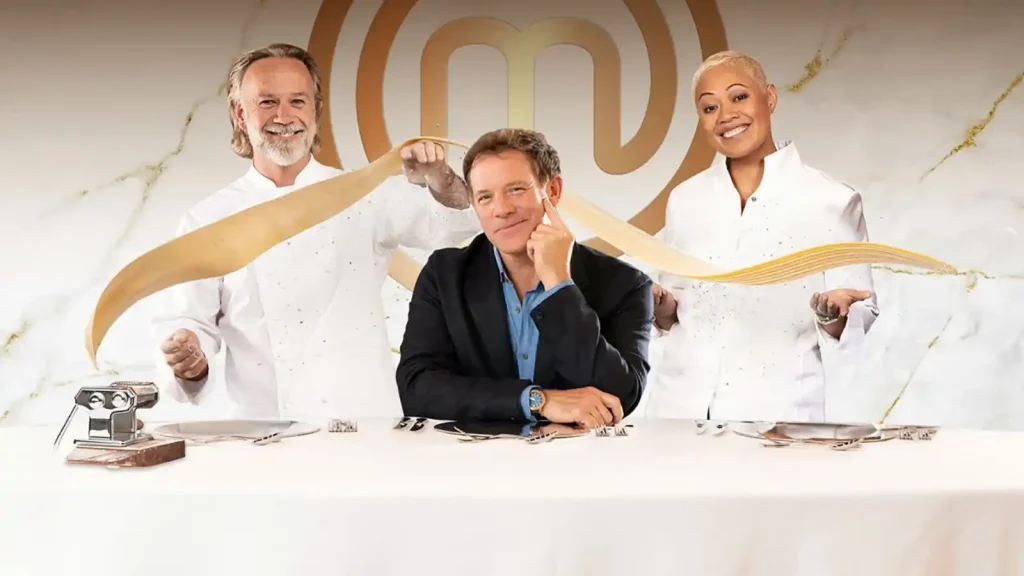
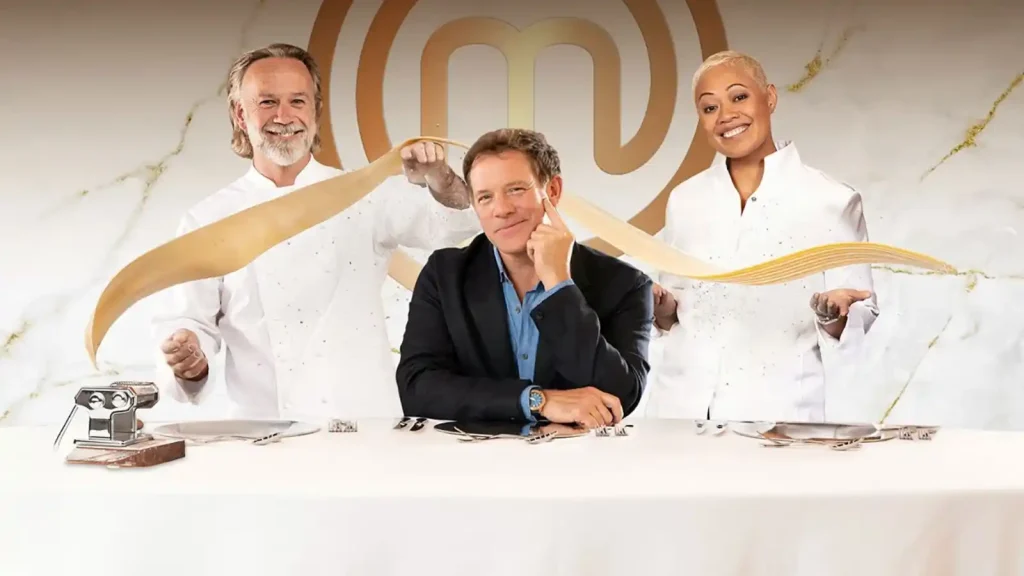
The episode marks the second heat of Series 18, and 32 chefs from across the United Kingdom have made their way to Birmingham, all with the same singular goal: impressing judges Marcus Wareing, Monica Galetti, and Matt Tebbutt well enough to advance through the rounds. Together, these three judges represent a combined culinary authority that few competitors can ignore, and all four chefs in this episode clearly feel the weight of that presence.
What gives MasterChef The Professionals 2026 episode 2 its particular texture is the structure of the challenge itself. Two rounds separate the heat chefs from a place in the quarter-finals: the skills test and the signature dish. Neither is a simple task. The skills test, in which previous winners and finalists set the brief using their own recipes, demands that chefs execute unfamiliar or technically demanding dishes to an exacting standard within a strict twenty-minute window. The signature dish round, by contrast, invites each chef to bring their personal identity to the plate — to cook food that reflects who they are and what they believe in as culinary professionals.
The four chefs competing in this episode carry distinct professional histories. Sel, Guatemalan-born and now based in Brighton as a private chef, brings international experience accumulated across 27 countries, spanning kitchens in Italy, Greece, Spain, the Caribbean, and Asia. Gemma is a chef patron who opened her own Italian-focused restaurant in London’s Belgravia in 2018, running every section herself while also managing wine ordering and menu writing. Haydn is a junior sous-chef with classical French training and clear aspirations toward the upper levels of the profession. Luke is a head chef with a pub kitchen background and competition experience, bringing the kind of methodical composure that sustained professional pressure tends to produce.
The competition’s format creates a particularly fascinating dynamic within this episode. The skills test splits the four chefs into two pairs, with the first two working on a savoury challenge and the second two tackling pastry. This arrangement means that half the heat never faces the same technical task, producing a varied picture of ability. The differences between Sel’s composure and Gemma’s visible anxiety, or between Luke’s considered approach and his conceptual ambition during the molten chocolate tart, speak to how differently individual professional experience translates under competition conditions.
Underlying everything in this episode is the question of whether professional competence in a restaurant environment translates directly to competitive performance. Restaurant kitchens run on routines, muscle memory, and the predictable rhythms of service. The MasterChef kitchen removes all of that comfort. What remains is the cook’s essential ability — and whether that holds under scrutiny says a great deal.
Before the signature dishes can be served, every competitor must survive the skills test. Gary Maclean, who won the competition in 2016 and serves as Scotland’s national chef, restaurateur, and college lecturer, returns to set this episode’s challenges. Maclean owns Creel Caught, a seafood restaurant and soup and caboodle deli in Edinburgh. His return means something personal: he has used the skills test as a teaching tool in college, and one of his own students challenged him to compete. Standing now on the other side of the bench, watching others work through pressures he once faced, gives his feedback a quality of earned authority.
The episode moves with consistent momentum from the skills test through to the final elimination, never losing sight of the individual stories that give culinary competition shows their emotional substance. By the end, two chefs advance to the quarter-finals, two leave the kitchen, and the larger competition steps one round closer to its conclusion.
MasterChef The Professionals 2026 episode 2
The Skills Test in MasterChef The Professionals 2026 Episode 2: Gary Maclean and the Razor Clam Challenge
Gary Maclean’s razor clam dish carries genuine biographical weight. He cooked razor clams during his own 2016 final, and Marcus Wareing describes it simply as the best razor clam dish he has ever eaten. The recipe Maclean sets for the first two chefs — steamed razor clams served with Jerusalem artichokes, pickled fennel, and a beurre blanc sauce — draws directly from that winning experience. In twenty minutes, Sel and Gemma must not only cook the dish competently, but demonstrate the precision and decision-making that professional chefs should carry naturally.
Maclean’s demonstration before the chefs take their turn reveals the technical complexity beneath the dish’s apparent simplicity. He begins his pickling liquor before considering the clams, combining allspice berries, fennel seeds, star anise, black peppercorns, cider vinegar, white wine, and a tablespoon of sugar, then bringing the mixture to the boil. Fennel is sliced paper-thin and added to the liquor. For the Jerusalem artichokes, Maclean makes a deliberate structural decision: some discs cook inside the beurre blanc to absorb its richness, while others are deep-fried to thin, crisp fragments. The textural contrast between the two is intentional, and it adds a layer of interpretive challenge for any chef attempting to replicate it.
The clams themselves are the episode’s most time-critical element. Gary Maclean is unambiguous on this point: they cook in thirty to forty seconds. A single ten-second overrun and they become rubbery, unusable. He steams them in shallots and white wine in a very hot pan, removes them immediately, and then uses the white wine and clam base as the foundation for his beurre blanc. This decision — to build the sauce from the same liquor in which the clams cooked — ensures, as Maclean puts it, that the essence of the clam runs through the entire dish. Marcus Wareing notes this specific detail as the kind of precise thinking that separates good cooking from great cooking.
Sel approaches the skills test with visible calm and early technical confidence. He begins his pickle immediately with apple cider vinegar, peppercorns, allspice, and fennel seeds, and plans an artichoke puree as his interpretation of the garnish. Monica Galetti praises his knife skills and composed demeanour during the first ten minutes. However, the artichokes prove undoing. Jerusalem artichokes are dense and require genuine cooking time — with twenty minutes available, the puree plan becomes impossible.
Sel pivots, deciding to serve the artichoke raw and pickled instead. He also fails to rinse the clams before cooking, leaving grit in the finished plate, and does not remove the stomach and mouth from the clam bodies as the recipe requires. The judges note both failures, but credit his beurre blanc technique and the smart decision to incorporate the clam cooking liquor into the sauce. Marcus Wareing closes by expressing clear expectation for the signature round: with Sel’s global experience, he expects fireworks.
Gemma enters the razor clam skills test with an unusual advantage — she had manifested razor clams that morning and is genuinely delighted to see them. Her approach starts confidently: she begins a beurre blanc reduction, plans pickled fennel with star anise and orange, and decides to fry her artichoke. However, the session unravels gradually. She slightly over-reduces her sauce and adds water to compensate, which dilutes its depth. She adds too much butter at once rather than in careful stages.
The clams, critically, are cooked without being rinsed, mirroring Sel’s oversight, and cook slightly too long. Despite these errors, Gemma finishes her plate in time, and the feedback acknowledges genuine positives: the artichokes are crisp, the fennel is properly pickled, and she placed the right part of the clam on the plate. Marcus Wareing tells her she needs to give herself more credit. The judges agree she is a good cook who lacks confidence, and the signature round will determine her fate.
A Scottish Dessert in MasterChef The Professionals 2026: The Molten Chocolate Tart Challenge
For the second pair of competitors, Gary Maclean shifts entirely away from seafood into pastry — what Marcus Wareing acknowledges most professional chefs genuinely fear. The task is a molten chocolate tart with an oatmeal crumble and a cranachan cream, completed within twenty minutes. Cranachan, as Maclean explains, is a traditional Scottish dessert: raspberries, cream, whisky, and honey, with toasted oats bringing texture throughout. The molten element demands that the centre remains liquid and oozing at the moment the tart is cut — technically precise baking that requires an exact understanding of timing and temperature.
Both Luke and Haydn take the pastry challenge in their respective turns, and their approaches reveal contrasting relationships with dessert work. Luke, a head chef who cooks pan-European pub food and has a dedicated pastry chef on his brigade, admits he had been dreading a pastry skills test. Nevertheless, he approaches the molten chocolate tart with genuine competence. He melts chocolate and butter together, whisks eggs with sugar in the manner of a cake batter, adds flour, and constructs an oatmeal crumble with oats, coconut fat, hazelnuts, and brown sugar. His cranachan incorporates a liqueur — described by Luke himself as somewhat reminiscent of cough syrup, a comment that generates laughter from the panel — along with raspberries and heather honey.
The one moment of danger in Luke’s skills test comes from his initial plan to bake the tarts for eight to ten minutes. Monica Galetti reacts immediately: that duration is far too long. Luke adjusts, removes the tarts at the right moment, and the result holds. Gary Maclean’s tasting is generous: the chocolate tart is rich and indulgent, the centre properly molten, the crumble placed on top cutting through the chocolate pleasantly.
The cranachan draws one reservation — the oats are central to cranachan’s identity, and while Luke incorporates them into his crumble, the judges want a more prominent oat presence in the cream itself — but the overall assessment is positive. Marcus Wareing notes that Luke delivered what was asked without panicking, which is precisely what competition demands.
Signature Dishes in MasterChef The Professionals 2026 Episode 2: Flavours from Guatemala
The signature dish round in MasterChef The Professionals 2026 episode 2 opens a different window into each chef’s culinary identity. With ninety minutes available and the freedom to cook whatever they consider their best work, all four competitors arrive at the bench carrying the full weight of their professional experience. The results are varied in quality, deeply individual in concept, and consistently revealing about what each cook genuinely values.
Sel’s dish reflects both his Guatemalan childhood and his fourteen years of cooking across the globe. Growing up on the south side of Guatemala in a family that ran a seafood business — his parents bringing daily piles of crabs and prawns home to be packaged and shipped — left him with a profound connection to fish cookery.
His signature dish channels that history: pan-seared halibut served with a celeriac and white truffle puree, a jalapeno, wild garlic, and coriander emulsion, asparagus and morels cooked in butter sauce, apple and cavolo nero, and a fish veloute split with dill oil. The white truffle essence in the celeriac puree functions, according to Marcus Wareing, beautifully with the nutty, earthy quality of the celeriac, its smooth texture acting as a counterpoint to the firmer elements on the plate.
The jalapeno emulsion proves to be the element that most excites Monica Galetti. She describes the heat and warmth it brings, and how it works when eaten together with the fish and the truffle puree. Matt Tebbutt calls the presentation beautiful and describes the dish as fantastic, saying it has blown him away. The fish veloute with dill oil ties the plate together. Sel describes the dish as drawn almost entirely from childhood memory — an attempt to put those colours and flavours from Guatemala’s coastline onto a plate in Birmingham.
Haydn’s signature dish is a classical French construction: steamed plaice topped with a scallop, chive, and tarragon mousse, with sautéed morel mushrooms stuffed with mushroom duxelles, leeks finished with a horseradish crème fraîche, asparagus, and a chicken butter sauce with chive oil. The dish connects to his professional history in classical French restaurants in London, but links personally to his grandmother, who cooked plaice for him when he was young.
The technical challenge is considerable. Steaming a plaice fillet with a scallop mousse requires managing two different proteins simultaneously, and Matt Tebbutt acknowledges that if Haydn carries it off, all the flavours will combine into something stunning. What actually happens, however, tells a different story. Haydn serves the plaice completely raw. He acknowledges the error himself, explaining simply that he did not cook the fish long enough.
The sauce draws genuine admiration — Monica Galetti describes the richness of the chicken flavour running through it with butter as delicious — and the asparagus, leeks, and horseradish are warmly praised. But the uncooked protein is a fundamental error, and the judges are unanimous: it cannot be overlooked. Marcus Wareing comforts Haydn by noting he is not the first and will not be the last chef to make such a mistake, but the situation is clear. The garnish is excellent. The fish is not.
Gemma’s Sole Veronique and Luke’s Venison: MasterChef The Professionals 2026 Episode 2 Signature Dishes
Gemma’s signature dish represents a personal culinary tribute of the best kind. She chooses Sole Veronique — a classic French fish dish served with grapes — because it has, as she puts it, followed her around throughout her career. She encountered it at cooking school, had it with her husband when they first started dating, and placed something similar on the menu when she opened her Belgravia restaurant in 2018. She executes a contemporary version: poached lemon sole topped with agretti leaves, served with pomme soufflé, grapes, wild asparagus, a white wine vermouth cream sauce, and a side tart filled with taramasalata made from the sole roe, with pickled grapes and chives.
The pomme soufflé represents the episode’s most audacious technical gamble. Deep-fried potato slices sandwiched together with cornflour to create hollow, puffed-up pillows of potato is an extremely difficult technique, and Marcus Wareing describes Gemma as brave for attempting it. The result is mixed: some puff, some do not, leaving what the judges describe as potato crisps rather than soufflés.
Monica Galetti notes the texture they bring is welcome nonetheless. The real problem is one of balance. Sole Veronique should be fundamentally about a good base sauce with the freshness of grapes coming through it. What Gemma delivers is a very sweet sauce paired with sweet grapes — the dish tips toward sweetness without sufficient savoury counterweight. The taramasalata tart is described as lovely but unnecessary. Gemma reflects that she should have kept it simpler.
Luke’s venison dish is the signature round’s most ambitious plate. He serves venison loin in a yeast and black garlic glaze, garnished with beetroot leaves, accompanied by purple and yellow beetroot fondants topped with pickled beetroot and a chicken skin and tapioca crumb, a maple venison tartare and quail’s egg tartlet, and a beetroot jus. The dish reflects Luke’s philosophy: contrasting textures and flavours, multiple skills visible on one plate, a refusal to play it safe. He describes it as inspired by autumn ingredients, and his use of beetroot in multiple forms — the skins, the offcuts, the flesh — reflects a commitment to whole-ingredient cooking.
Marcus Wareing praises the yeast glaze specifically, noting the malted, umami-style quality it brings to the venison exterior. The venison is cooked beautifully, and the beetroot fondants are substantial and tasty. Matt Tebbutt delivers the most enthusiastic assessment, calling it bold and gutsy — in-your-face flavours delivered with confidence. The one reservation concerns the tartare, where the addition of maple syrup tips the flavour toward sweetness in a way that Monica Galetti finds excessive, softening what should be the raw intensity of the venison.
The Deliberation and Results in MasterChef The Professionals 2026 Episode 2
The deliberation in MasterChef The Professionals 2026 episode 2 is, by the judges’ own account, a genuine discussion rather than a straightforward conclusion. Sel receives a unanimous vote and advances to the quarter-finals without debate. His skills test, while flawed in clam preparation, demonstrated strong process understanding and good sauce technique. His signature dish was exceptional, producing what Marcus Wareing describes as a dish of pure high notes. Sel himself admits he is full of adrenaline after the signature round and hoped he delivered the fireworks Marcus requested.
Haydn’s fate is decided by the severity of one error. A raw piece of fish in a ninety-minute signature round is a mistake the panel cannot overlook. Marcus Wareing acknowledges Haydn’s talent, notes the impressive garnish, and encourages him to keep the passion and the dream alive. Haydn concedes the overall experience was great but accepts that this year was simply not meant to be.
The final place between Luke and Gemma is genuinely contested. Gemma cooked with skill and conviction, but the sauce was too sweet, the pomme soufflé failed to deliver, and the judges detect a pattern of self-doubt working against her. Luke’s venison was bold and expertly handled. The tartare was marginally too sweet and the tartlet pastry was not quite fully baked, but the overall impression was stronger. Luke advances. Gemma is sent home, and she herself says she is rooting for both Sel and Luke to go very far.
What MasterChef The Professionals 2026 Episode 2 Reveals About Culinary Competition
The cooking show format, as MasterChef The Professionals repeatedly demonstrates, functions as a pressure test that strips professional confidence to its foundations. Every chef in this episode arrived with genuine credentials: Sel had cooked in 27 countries, Gemma had operated a Belgravia restaurant alone for years, Haydn had trained in classical French kitchens, and Luke had run a full kitchen with competition experience. None of these qualifications prevented the fundamental errors the competition exposed.
The skills test format, in which former winners like Gary Maclean set the brief, reveals how much professional cooking is contextual — dependent on specific ingredient knowledge, technique familiarity, and accumulated experience. The razor clam challenge specifically exposes the gap between theoretical knowledge and practical execution: both Sel and Gemma knew what razor clams were, but neither rinsed them. The signature dish round then demonstrates what happens when professional chefs receive genuine freedom. Sel’s Guatemalan halibut is extraordinary because it is an honest expression of where he comes from. Luke’s venison is exciting because it takes a clear position on what cooking should do and delivers on it with conviction.
With two chefs advancing to the quarter-finals, MasterChef The Professionals 2026 episode 2 completes its competitive function while also generating questions worth carrying forward. What would Haydn’s plaice have tasted like if properly cooked? Could Gemma’s pomme soufflé have worked with a second attempt? The questions are unanswerable now, which is precisely what makes them interesting. The chefs who advance carry open promise into the next round, and the ones who leave carry proof that even at the highest professional levels, the kitchen always has one more lesson to teach.
FAQ MasterChef The Professionals 2026 episode 2
Q: Who are the four chefs competing in MasterChef The Professionals 2026 Episode 2?
A: The four competing chefs are Sel, a Guatemalan-born private chef based in Brighton with experience across 27 countries; Gemma, a chef patron who opened her Italian-focused Belgravia restaurant in 2018; Haydn, a junior sous-chef with classical French training; and Luke, a head chef with a pub kitchen background and prior competition experience.
Q: What is the skills test in MasterChef The Professionals 2026, and who set it in Episode 2?
A: The skills test challenges contestants to recreate a dish set by a former winner or finalist within twenty minutes. In Episode 2, 2016 champion Gary Maclean returns to set the brief. Maclean is Scotland’s national chef, a restaurateur, and a college lecturer. He owns Creel Caught, a seafood restaurant and deli in Edinburgh.
Q: What dish does Gary Maclean set for the first two chefs in the skills test?
A: Gary Maclean sets steamed razor clams served with Jerusalem artichokes, pickled fennel, and a beurre blanc sauce. The dish connects directly to his 2016 winning final. Crucially, the clams cook in only thirty to forty seconds. Additionally, Maclean uses the clam cooking liquor as the base for his beurre blanc, threading the clam’s flavour through the entire dish.
Q: What pastry challenge does Gary Maclean set for the second pair of chefs?
A: Maclean sets a molten chocolate tart with an oatmeal crumble and a cranachan cream, to be completed within twenty minutes. Cranachan is a traditional Scottish dessert combining raspberries, cream, whisky, and honey. The molten centre must remain liquid at the moment of cutting. Furthermore, Marcus Wareing acknowledges that pastry is the element most professional chefs genuinely fear entering competition.
Q: How does Sel perform in the razor clam skills test in Episode 2?
A: Sel begins confidently with strong knife skills and a well-structured pickle. However, his plan to make an artichoke purée proves too ambitious within the time allowed. He also fails to rinse the razor clams before cooking, leaving grit in the finished plate. Despite these issues, the judges credit his beurre blanc technique and his decision to incorporate the clam cooking liquor into the sauce.
Q: What goes wrong for Gemma during the razor clam skills test?
A: Gemma over-reduces her beurre blanc and adds water to recover, which dilutes the sauce’s depth. She also adds too much butter at once rather than in careful incremental stages. Additionally, like Sel, she fails to rinse the clams before cooking. Nevertheless, the judges acknowledge her artichokes are crisp, her fennel is correctly pickled, and she places the right part of the clam on the plate.
Q: What signature dish does Sel cook, and how do the judges react?
A: Sel cooks pan-seared halibut with a celeriac and white truffle purée, a jalapeño and wild garlic emulsion, asparagus, morels, and a fish veloute split with dill oil. The dish draws on his Guatemalan childhood in a family-run seafood business. Matt Tebbutt calls the presentation beautiful and says it blows him away. Marcus Wareing praises the white truffle and celeriac combination as perfectly balanced.
Q: What signature dishes do Haydn, Gemma, and Luke serve in Episode 2?
A: Haydn serves a classical steamed plaice with scallop mousse, mushroom duxelles, and a chicken butter sauce. However, the plaice arrives completely raw, a critical error the judges cannot overlook. Gemma presents Sole Veronique with pomme soufflé, though the sauce runs too sweet and the potatoes fail to puff. Luke serves a yeast-glazed venison loin with beetroot fondants, a venison tartare tartlet, and a beetroot jus.
Q: Which chefs advance to the quarter-finals at the end of Episode 2?
A: Sel and Luke both advance to the quarter-finals. Sel receives a unanimous vote from all three judges without debate. The decision between Luke and Gemma proves more difficult. Ultimately, Luke’s bold venison dish edges ahead of Gemma’s Sole Veronique, which suffers from an overly sweet sauce and the failed pomme soufflé. Haydn is eliminated due to his completely raw plaice.
Q: What broader lessons does MasterChef The Professionals 2026 Episode 2 illustrate about professional cooking under pressure?
A: Episode 2 demonstrates that restaurant experience does not automatically translate into competition performance. Familiar routines, brigade support, and known equipment disappear inside the MasterChef kitchen. Furthermore, both basic errors and creative triumphs emerge across the heat. Sel’s and Gemma’s shared failure to rinse the razor clams reveals how contextual professional knowledge truly is. Conversely, Sel’s halibut and Luke’s venison prove that personal culinary identity, when cooked with conviction, consistently impresses the judges.