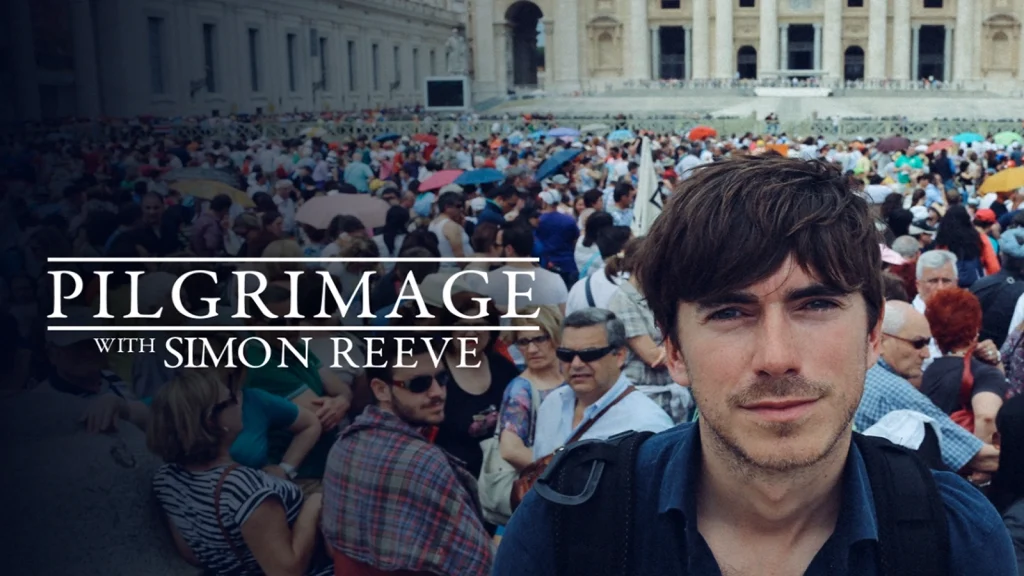
Pilgrimage with Simon Reeve episode 3 takes viewers on an extraordinary journey to one of the world’s most sacred destinations. Simon Reeve follows ancient paths that countless travellers have walked before him. These pilgrims made long, arduous, and dangerous journeys to reach Jerusalem. Their footsteps echo through centuries of history, faith, and human determination.
The journey begins in Istanbul, Turkey. This bustling city once served as a vital medieval staging post for pilgrims heading to the Holy Land. Before the Ottoman Empire claimed it, Istanbul stood as the centre of Roman Christianity. Emperor Constantine made it the heart of his religious empire. His mother Helena arguably became the first pilgrim to the Holy Land. She brought back precious relics from Jerusalem to fill the city’s magnificent churches.
Helena’s collection transformed Istanbul into a pilgrimage destination in its own right. For centuries, faithful travellers came seeking spiritual connection with these holy objects. Simon Reeve visits the magnificent Hagia Sophia during this segment. Its soaring domes and ancient mosaics speak to centuries of devotion. He also experiences a traditional Turkish bath, discovering something surprising. Pilgrims brought public bathing back with them to Europe. This reveals how pilgrimage spread practical ideas alongside religious beliefs.
Simon Reeve then travels onward to the Holy Land itself. He follows in the footsteps of Victorian travellers who relied on a definitive guidebook. Thomas Cook published this essential guide in 1876. His grand excursions to the Holy Land pioneered what we now call the modern package holiday. These early tourists transformed pilgrimage into something accessible to ordinary people.
The contrast between ancient and modern travel becomes striking. Where medieval pilgrims faced bandits and disease, Victorian tourists enjoyed organised itineraries. Yet both groups sought the same thing. They wanted to walk where sacred history unfolded. Simon Reeve captures this timeless human longing beautifully throughout this episode.
Pilgrimage with Simon Reeve takes a poignant turn as he drives into the Occupied West Bank. He continues onward to Bethlehem, where political complexity meets spiritual significance. Despite not being religious himself, Simon experiences an unexpected emotional moment. He finds himself moved to tears by memories of family Christmases. Standing at the spot where Christ is said to have been born overwhelms him.
The Church of the Nativity holds this sacred site within its ancient walls. Pilgrims have gathered here for nearly two thousand years. The weight of that history touches even non-believers like Simon. His honest emotional response demonstrates something profound about pilgrimage. These journeys can affect us regardless of our personal faith.
Simon Reeve visits the isolated 6th-century monastery of Mar Saba. Few outsiders receive permission to enter this remote sanctuary today. Its monks have maintained their traditions for over fifteen hundred years. The isolation feels almost otherworldly in our connected age. Yet pilgrimage has always offered escape from everyday concerns.
Pilgrimage with Simon Reeve episode 3
Afterwards, Simon camps in the desert under countless stars. He goes fishing in the Sea of Galilee, just as ancient fishermen once did. These simple experiences connect him to biblical narratives in tangible ways. He also meets David, a reformed drug addict living an extraordinary life. David resides in a village inside the ancient town of Nazareth. Here, people dress, live, and work as characters from the Bible would have.
Pilgrimage reaches its emotional peak when Simon Reeve arrives in Jerusalem. Several million people visit this city annually from all three major religions. They come to worship within one of the most contested square miles on Earth. The spiritual intensity can actually overwhelm some visitors completely. Simon meets a doctor who treats people experiencing “Jerusalem Syndrome.” These visitors become so overcome that they believe they personally are the Messiah.
Simon also visits the Israeli CCTV command centre. Here, authorities keep everyone under constant surveillance. The contrast between ancient spirituality and modern security measures feels jarring. Yet it reflects Jerusalem’s complex reality. Faith and politics intertwine here in ways found nowhere else.
Finally, Pilgrimage with Simon Reeve culminates in an ancient ritual. Simon joins pilgrims walking the Via Dolorosa. This route traces the path Jesus took while carrying his cross. It leads to the site of his crucifixion at the Church of the Holy Sepulchre. Walking these same stones connects pilgrims directly to the foundational story of Christianity.
The atmosphere along the Via Dolorosa pulses with devotion. Pilgrims from every nation crowd the narrow streets. Some weep openly while others pray silently. Simon Reeve observes it all with characteristic thoughtfulness and respect.
Pilgrimage with Simon Reeve episode 3
Pilgrimage with Simon Reeve episode 3 delivers viewers into the heart of one of history’s most profound spiritual journeys, tracing the ancient routes that medieval travellers once walked toward Jerusalem. This remarkable documentary captures the essence of pilgrimage as both physical endurance and spiritual transformation, revealing how faith drove countless souls across treacherous landscapes and hostile territories. The journey begins not in comfort but in challenge, as Simon Reeve himself embarks on paths that demanded everything from those who walked them centuries ago.
The significance of religious tourism and medieval travel cannot be overstated in understanding how civilisations connected across vast distances. Jerusalem stood as the ultimate destination, drawing Christians from every corner of Europe who believed that reaching the Holy City would guarantee their salvation. These pilgrims faced dangers that modern travellers can scarcely imagine, from bandits and disease to the sheer physical toll of walking thousands of miles. Their determination speaks to something fundamental about human nature and the lengths people will go to fulfil their deepest convictions.
Simon Reeve follows in these ancient footsteps, bringing viewers along routes that have witnessed centuries of devotion and suffering. The documentary reveals how pilgrimage shaped not only individual lives but entire societies, influencing trade routes, architectural development, and cultural exchange between East and West. Through intimate encounters with local communities and breathtaking landscapes, the programme illuminates why these journeys mattered so profoundly to those who undertook them.
The scope of Pilgrimage with Simon Reeve extends far beyond simple travelogue, delving into the philosophical and emotional dimensions of the pilgrim experience. Medieval travel was no holiday, and Reeve makes this abundantly clear through his own physical struggles and the historical accounts he uncovers. Religious tourism in its earliest forms demanded complete commitment, often lasting years and frequently ending in death before the destination was reached.
Understanding why millions chose this path requires examining both the promises and the perils that awaited them. The Church taught that pilgrimage could cleanse the soul of sin, offering a tangible path to redemption in an age when salvation was the paramount concern. This powerful motivation drove kings and peasants alike to leave their homes, families, and often their lives behind. The roads to Jerusalem became arteries of faith, pumping spiritual seekers toward the most sacred city in Christendom.
Reeve’s journey captures the texture of these ancient experiences through modern eyes, yet the fundamental human questions remain unchanged. What compels someone to risk everything for an idea? How does suffering transform into meaning? The documentary addresses these questions not through abstract philosophy but through the concrete reality of putting one foot in front of another across unforgiving terrain.
The pilgrimage routes themselves tell stories embedded in stone and soil, marking the passage of millions who came before. Each step Reeve takes connects him to this vast chain of humanity stretching back through centuries. The documentary makes this connection palpable, transforming history from distant facts into immediate experience.
As viewers accompany Simon Reeve through landscapes both beautiful and brutal, they gain insight into an era when faith quite literally moved people across the world. The journey ahead promises revelations about human endurance, spiritual longing, and the enduring power of sacred places to draw us forward.
The Ancient Routes of Pilgrimage with Simon Reeve
The documentary meticulously traces routes that medieval pilgrims established over centuries of travel toward Jerusalem. These paths were not arbitrary but evolved through practical necessity and accumulated wisdom. Pilgrims learned which routes offered water, shelter, and relative safety from the countless dangers that threatened them. Simon Reeve walks these same ways, discovering how the landscape itself shaped the pilgrim experience.
The physical journey demanded extraordinary resilience from medieval travellers. Walking was the primary mode of transport for most pilgrims, who covered vast distances on foot over months or even years. The terrain varied from gentle European countryside to harsh mountain passes and scorching deserts. Each environment presented its own challenges, and the death toll among pilgrims was substantial. Disease, exhaustion, exposure, and violence claimed many before they reached their destination.
Reeve encounters remnants of the infrastructure that supported these mass movements of faithful travellers. Hospices, churches, and way stations dotted the routes, providing essential rest and sustenance. These institutions arose specifically to serve pilgrims, representing early forms of organised religious tourism. The architecture he discovers speaks to the scale of this movement, with buildings designed to accommodate thousands of transient devotees.
The documentary reveals how pilgrimage routes became corridors of cultural exchange. Pilgrims carried ideas, goods, and innovations across borders, connecting distant communities in ways that shaped European and Middle Eastern civilisation. Trade flourished along these paths, as merchants recognised the commercial opportunities presented by steady streams of travellers. This economic dimension added complexity to what might otherwise seem purely spiritual enterprises.
Medieval Travel and the Perilous Journey to Jerusalem
Medieval travel bore no resemblance to modern tourism, and Pilgrimage with Simon Reeve episode 3 makes this distinction viscerally clear. The journey to Jerusalem was genuinely life-threatening, with mortality rates that would be unacceptable by any contemporary standard. Pilgrims set out knowing they might never return, making final arrangements for their property and families before departure. This acceptance of potential death underscores the depth of faith that motivated these journeys.
The specific dangers varied by region and era but remained consistently severe. Bandits targeted pilgrims as easy prey, knowing they carried provisions and often valuables. Political instability meant that entire routes could become impassable due to warfare or territorial disputes. The Crusades both facilitated and complicated pilgrimage, simultaneously opening and closing paths to Jerusalem depending on military outcomes.
Natural hazards proved equally deadly for medieval travellers. River crossings claimed many lives, as bridges were rare and fording dangerous waters was often necessary. Mountain passes exposed pilgrims to avalanches, extreme cold, and treacherous footing. The Mediterranean Sea crossing, which many pilgrims undertook, added the risks of shipwreck and piracy to an already dangerous journey.
Disease stalked pilgrim routes with particular ferocity. Crowded hospices and contaminated water sources spread illness rapidly through groups of travellers. Medical knowledge was limited, and effective treatment virtually nonexistent. Those who fell ill far from home faced grim prospects, often dying among strangers in foreign lands. The documentary captures this harsh reality, honouring those who accepted such risks in pursuit of spiritual fulfilment.
Religious Tourism and Its Origins in Faith
The concept of religious tourism finds its roots in the medieval pilgrimage traditions that Simon Reeve explores throughout this episode. Long before package holidays and guided tours, pilgrims represented the first mass movement of people travelling for purposes beyond immediate economic necessity. Their motivation was spiritual rather than recreational, but their impact on the development of travel infrastructure was profound.
The Church actively encouraged pilgrimage as a means of demonstrating faith and earning salvation. Indulgences attached to completing pilgrimages offered concrete spiritual rewards, reducing time in purgatory for the faithful. This theological framework created powerful incentives that drove millions to undertake journeys they would otherwise never have contemplated. The institutional support for pilgrimage represented a sophisticated understanding of human motivation and organisational capacity.
Jerusalem held supreme importance among pilgrimage destinations due to its centrality in Christian theology. Walking where Christ had walked, seeing the places of his death and resurrection, offered pilgrims an unparalleled connection to their faith. The emotional and spiritual impact of reaching Jerusalem is difficult to overstate for medieval Christians. Accounts describe pilgrims weeping with joy upon first glimpsing the city’s walls.
The infrastructure of religious tourism developed organically around pilgrim needs. Guides emerged to lead groups through unfamiliar territories, representing early tourism professionals. Accommodation specifically for pilgrims ranged from simple hospices to elaborate complexes. Souvenirs and relics created economic opportunities that communities along pilgrim routes exploited. These patterns established templates that modern tourism continues to follow.
The Spiritual Dimension of Pilgrimage with Simon Reeve
Beyond physical endurance, Pilgrimage with Simon Reeve episode 3 explores the inner journey that accompanied the external one. Medieval pilgrims understood their travels as spiritual discipline, with hardship serving as purification. The suffering of the road was not merely incidental but meaningful, transforming pilgrims through their trials. This perspective differs markedly from modern comfort-oriented tourism.
Prayer and religious observance structured the pilgrim’s day, regardless of the challenges of travel. Services at churches along the route provided spiritual nourishment and community with fellow travellers. The rhythm of devotion created continuity amid the disruption of constant movement. Pilgrims walked as members of a spiritual community, bound by shared purpose even when travelling alone.
The documentary captures moments of reflection that echo across centuries, connecting Reeve’s experience to those who preceded him. Standing in places of historical significance, he conveys the weight of accumulated devotion. These locations have absorbed the prayers and hopes of countless pilgrims, creating an atmosphere that transcends ordinary space. Sacred geography becomes tangible through such encounters.
The transformation pilgrims sought was both immediate and eternal. They hoped to return home changed, purified by their journey and closer to God. Many also believed that pilgrimage would affect their fate after death, improving their prospects in the afterlife. This dual motivation of present transformation and future salvation created powerful incentives for undertaking such demanding journeys.
Simon Reeve and the Physical Demands of Ancient Paths
Simon Reeve’s personal experience of walking pilgrim routes provides visceral understanding of what medieval travellers endured. His exhaustion, blisters, and physical struggles offer windows into journeys that historical accounts can only partially convey. The documentary benefits enormously from this embodied approach, making abstract historical experiences immediate and relatable.
The terrain Reeve traverses varies dramatically, from cultivated landscapes to wilderness areas that remain essentially unchanged since medieval times. Mountains, deserts, and coastal regions each present distinct challenges that pilgrims had to overcome. The documentary shows how the body remembers these journeys in ways that mere intellectual understanding cannot replicate. Physical suffering creates knowledge unavailable through other means.
Reeve’s interactions with locals along the routes add human dimension to historical understanding. Communities that have lived alongside pilgrim paths for generations retain memories and traditions connected to this heritage. Their perspectives illuminate how pilgrimage shaped regional identities and economies over centuries. These encounters ground the documentary in present realities while illuminating past experiences.
The physical demands of medieval travel extended beyond mere walking. Carrying supplies sufficient for long journeys through areas without reliable provisioning required careful planning and considerable strength. The weight of necessary equipment added to the burden of daily mileage. Pilgrims who could not afford animals to carry their goods had to manage everything themselves.
Pilgrimage with Simon Reeve and Cultural Encounters
The documentary richly portrays the cultural dimensions of pilgrimage routes that connected European and Middle Eastern civilisations. Pilgrims travelling toward Jerusalem passed through diverse communities, encountering languages, customs, and beliefs different from their own. These interactions fostered understanding but also conflict, as cultural differences sometimes proved difficult to bridge.
The Crusades cast long shadows over the pilgrim routes that Simon Reeve explores. Military campaigns ostensibly launched to secure Christian access to holy sites fundamentally altered relationships between European pilgrims and the populations they encountered. Violence and conquest complicated what had been primarily peaceful, if arduous, journeys. The legacy of this period continues to influence perceptions and politics in the region.
Trade accompanied pilgrimage along these ancient routes, creating economic relationships that transcended religious differences. Merchants from various backgrounds served pilgrim needs, recognising profit opportunities that transcended theological disputes. Markets along pilgrim routes offered goods from across the known world, creating early forms of globalised commerce. Pilgrims returned home with exotic items that stimulated European interest in foreign products.
The documentary captures how pilgrimage fostered artistic and architectural exchange. Churches along the routes display influences from multiple traditions, reflecting the cosmopolitan nature of pilgrim traffic. Ideas about construction, decoration, and sacred space travelled along with the pilgrims themselves. This cultural diffusion shaped European civilisation in ways that persist to the present.
The Enduring Legacy of Medieval Pilgrimage
The traditions Simon Reeve explores have not disappeared but evolved into contemporary forms that millions continue to practice. Modern pilgrims still walk ancient routes, though their experiences differ substantially from medieval predecessors. Improved safety, reliable infrastructure, and abundant resources transform what was once life-threatening into challenging but manageable journeys. Religious tourism has become a significant global industry.
The spiritual motivations driving contemporary pilgrimage often echo those of medieval travellers, even as theological frameworks have shifted. Seeking meaning, transformation, and connection to something larger than oneself remain powerful human impulses. Walking routes that countless others have walked before creates a sense of participating in something transcendent. This continuity across centuries speaks to fundamental human needs that persist regardless of historical era.
The preservation of pilgrim routes has become an important cultural priority, recognising their historical and spiritual significance. UNESCO and other organisations have designated portions of ancient paths as world heritage sites. Communities along these routes actively maintain infrastructure and welcome contemporary pilgrims. This stewardship ensures that future generations can experience what Simon Reeve documents.
The lessons of medieval pilgrimage extend beyond specifically religious contexts. The human capacity for endurance, the power of purpose to motivate extraordinary effort, and the transformative potential of challenging journeys remain relevant. The documentary ultimately speaks to universal themes through the particular lens of Christian pilgrimage to Jerusalem.
The Sacred Geography of Jerusalem
Jerusalem itself stands at the centre of the pilgrimage tradition that Pilgrimage with Simon Reeve episode 3 explores. The city’s significance derived from its role in the foundational events of Christianity, particularly the crucifixion and resurrection of Christ. Reaching Jerusalem meant arriving at the spiritual centre of the Christian world, where heaven and earth seemed to touch.
The specific sites within Jerusalem drew pilgrims to particular locations with associated promises of grace. The Church of the Holy Sepulchre, believed to stand on the site of Christ’s tomb, represented the ultimate destination within the ultimate destination. Touching the stone where Christ was buried, praying in the space of resurrection, offered experiences unavailable anywhere else. These encounters with sacred geography created memories that pilgrims treasured for the remainder of their lives.
The city’s contested nature added complexity to pilgrim experiences. Multiple faiths claimed Jerusalem as holy ground, creating tensions that periodically erupted into violence. Christian pilgrims navigated a city that was also sacred to Jews and Muslims, requiring diplomatic sensitivity and practical caution. The Crusades arose partly from European Christian desire to control access to these holy sites, with devastating consequences for all involved.
Returning from Jerusalem conferred special status on pilgrims, who were recognised as having completed the supreme Christian journey. They bore physical tokens of their achievement, including palm branches that gave rise to the term “palmers” for Jerusalem pilgrims. Their experiences granted them authority to speak about matters of faith, having witnessed the places where Christianity began. This social dimension added to the attractions of undertaking such demanding journeys.
Reflections on Faith, Endurance, and Human Connection
Pilgrimage with Simon Reeve concludes by drawing together the threads of physical challenge, spiritual seeking, and cultural encounter that define the pilgrim experience. The documentary has traversed landscapes both external and internal, mapping routes that continue to call contemporary travellers. What emerges is a portrait of human determination in service of transcendent purpose, revealing capacities for endurance and faith that inspire across centuries.
The medieval travel traditions Reeve explores speak to something essential about human nature that transcends specific religious frameworks. The willingness to sacrifice comfort, safety, and sometimes life itself for meaningful goals challenges contemporary assumptions about human motivation. These pilgrims were not naive or ignorant but consciously chose hardship as the path to what they valued most. Their example raises questions about what contemporary people might be willing to sacrifice for their deepest convictions.
Religious tourism in its modern forms represents both continuity and transformation of these ancient practices. The infrastructure is better, the dangers are fewer, but the fundamental human impulses remain recognisable. People still seek transformation through travel, still believe that sacred places hold power, still walk paths that others have worn smooth through centuries of devoted footsteps.
Simon Reeve’s journey ultimately offers viewers an invitation to consider their own pilgrimages, whether literally religious or metaphorically understood. What destinations call to us with such power that we would endure significant hardship to reach them? What transformations do we seek through our travels? The documentary suggests that these questions remain as vital now as they were for medieval pilgrims setting out toward Jerusalem, hope and fear mingled in their hearts, faith carrying them forward into the unknown.
FAQ Pilgrimage with Simon Reeve episode 3
Q: What is the main focus of Pilgrimage with Simon Reeve episode 3?
A: This documentary episode follows Simon Reeve as he traces ancient pilgrimage routes leading to Jerusalem. The programme explores how medieval travellers undertook dangerous journeys lasting months or years. Furthermore, it examines the spiritual motivations that drove millions to risk their lives seeking salvation in the Holy City.
Q: Why did medieval pilgrims travel to Jerusalem despite the dangers?
A: Medieval Christians believed pilgrimage could cleanse their souls of sin and guarantee salvation. The Church taught that completing the journey to Jerusalem reduced time in purgatory. Additionally, walking where Christ had walked offered an unparalleled spiritual connection. This powerful theological framework motivated both kings and peasants to leave everything behind.
Q: What dangers did medieval travellers face on pilgrimage routes?
A: Pilgrims encountered numerous life-threatening hazards throughout their journeys. Bandits regularly targeted travellers as easy prey. Moreover, dangerous river crossings, mountain avalanches, and treacherous sea voyages claimed many lives. Disease spread rapidly through crowded hospices, while political instability could close entire routes without warning.
Q: How does Simon Reeve experience the physical demands of ancient pilgrimage?
A: Simon Reeve personally walks the pilgrim routes, experiencing exhaustion, blisters, and physical struggles firsthand. This embodied approach makes historical experiences immediate and relatable for viewers. Consequently, his journey reveals how the body remembers these challenging paths in ways intellectual understanding cannot replicate.
Q: What infrastructure supported medieval pilgrims along their routes?
A: Hospices, churches, and way stations dotted pilgrimage routes to provide essential rest and sustenance. These institutions arose specifically to serve the needs of religious travellers. Similarly, guides emerged as early tourism professionals to lead groups through unfamiliar territories. This infrastructure represents the origins of organised religious tourism.
Q: How did pilgrimage influence cultural exchange between Europe and the Middle East?
A: Pilgrims carried ideas, goods, and innovations across borders, connecting distant communities. Trade flourished along these paths as merchants recognised commercial opportunities. Furthermore, artistic and architectural influences travelled with pilgrims, shaping European civilisation. Churches along routes display design elements from multiple traditions reflecting this cosmopolitan exchange.
Q: What role did the Crusades play in pilgrimage to Jerusalem?
A: The Crusades both facilitated and complicated pilgrimage journeys significantly. Military campaigns launched to secure Christian access to holy sites fundamentally altered relationships between European pilgrims and local populations. However, violence and conquest transformed what had been primarily peaceful journeys. The legacy of this period continues influencing regional perceptions today.
Q: Why was Jerusalem considered the supreme Christian pilgrimage destination?
A: Jerusalem held central importance as the location of Christ’s crucifixion and resurrection. The Church of the Holy Sepulchre, believed to stand on Christ’s tomb, represented the ultimate destination. Consequently, touching this sacred stone offered experiences unavailable anywhere else. Pilgrims described weeping with joy upon first glimpsing the city walls.
Q: What status did returning pilgrims receive in medieval society?
A: Completing the Jerusalem pilgrimage conferred special social recognition on travellers. Returning pilgrims carried palm branches, earning them the name palmers. Additionally, their firsthand experience of holy sites granted them authority to speak about matters of faith. This elevated status added significant social incentive to undertaking such demanding journeys.
Q: How does medieval pilgrimage connect to modern religious tourism?
A: Contemporary pilgrims still walk ancient routes, though improved safety and infrastructure transform the experience. Nevertheless, the spiritual motivations echo those of medieval travellers seeking meaning and transformation. UNESCO has designated portions of historic paths as world heritage sites. Modern religious tourism has become a significant global industry preserving these traditions.