Raymond Blanc’s Kitchen Secrets – Tomatoes episode 16: The Tomato Chronicles
In the captivating sixteenth episode of “Raymond Blanc’s Kitchen Secrets,” the celebrated chef invites viewers into the bustling heart of his Oxfordshire restaurant kitchen. This engaging installment showcases Blanc’s culinary mastery through a collection of accessible and inspiring tomato-based recipes designed for cooks of all skill levels.
The episode begins with Blanc paying homage to his culinary roots. First, he demonstrates a remarkably simple yet elegant tomato salad inspired by his mother’s cooking. This dish exemplifies Blanc’s philosophy that exceptional ingredients, when treated with respect, require minimal intervention to shine. Subsequently, he creates the most delicate tomato essence—a crystal-clear distillation of pure tomato flavor that stands impressively as a dish in its own right. Furthermore, this essence serves as the foundation for a surprisingly light yet creamy risotto that balances richness with the bright acidity of fresh tomatoes.
As the program progresses, Blanc revisits classic comfort food with his interpretation of cheese-glazed stuffed tomatoes. This nostalgic dish transports viewers to an era of traditional home cooking while incorporating Blanc’s signature refinements. For the grand finale, he crafts an extraordinary series of tomato-themed ices and sorbets. These frozen creations demonstrate the remarkable versatility of tomatoes beyond savory applications, offering a sophisticated and refreshing conclusion to any meal.
Beyond the confines of his kitchen, Blanc embarks on a fascinating journey to Preston, widely recognized as the United Kingdom’s tomato capital. Here, he thoughtfully challenges conventional wisdom by exploring the world of hydroponically grown tomatoes. With characteristic curiosity and an open mind, he invites producers to demonstrate the quality and flavor potential of these modern cultivation methods. This segment provides valuable context about contemporary food production while addressing questions about taste, sustainability, and the evolution of agricultural practices.
Throughout the episode, Blanc weaves together technical instruction with personal anecdotes and philosophical musings about food. His infectious enthusiasm for tomatoes—from heirloom varieties to commercial hybrids—transforms what could be a straightforward cooking demonstration into an immersive educational experience. Viewers gain not only practical culinary skills but also a deeper appreciation for this ubiquitous fruit that often goes underappreciated despite its central role in cuisines worldwide.
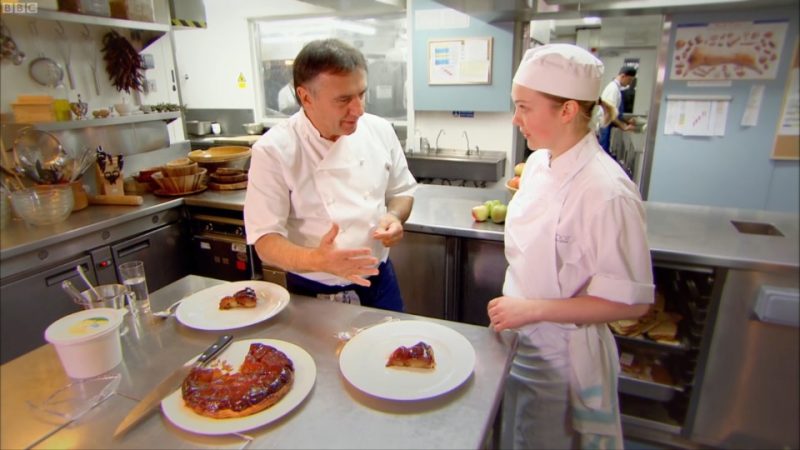
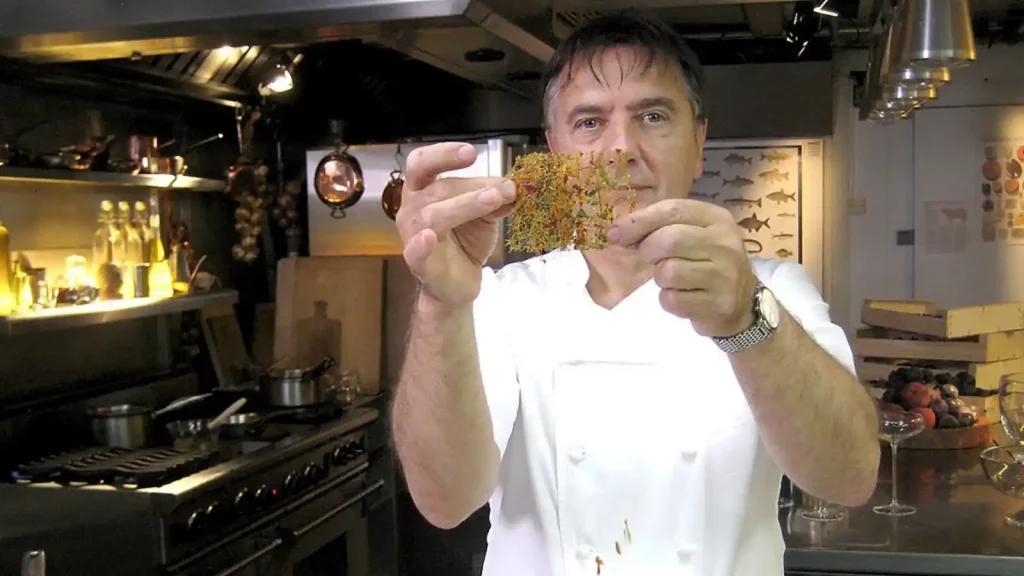
The production itself balances intimate, close-up footage of Blanc’s meticulous technique with wider shots capturing the dynamic environment of a professional kitchen. Additionally, the cinematography during the Preston segment beautifully contrasts the controlled greenhouse setting with the organic process of cooking. This visual narrative reinforces Blanc’s message about the connection between growing practices and culinary outcomes.
What distinguishes this episode, however, is Blanc’s ability to elevate the humble tomato from a common ingredient to the star of sophisticated cuisine. Like an artist revealing hidden beauty in everyday objects, Blanc demonstrates how this familiar fruit can transform into dishes ranging from rustic to refined. His approach embodies the principle that truly exceptional cooking often begins with a profound understanding of and respect for simple ingredients.
Raymond Blanc’s Kitchen Secrets – Tomatoes episode 16
For home cooks, the episode offers practical takeaways about selecting, storing, and preparing tomatoes to maximize their flavor potential. Blanc’s techniques—from the proper way to skin and seed tomatoes to methods for intensifying their natural sweetness—provide viewers with skills applicable far beyond the specific recipes demonstrated. Moreover, his emphasis on seasonality and quality serves as a gentle reminder that exceptional cooking starts with thoughtful ingredient selection.
“Kitchen Secrets: Tomatoes” exemplifies educational culinary television at its finest. Rather than simply presenting recipes to replicate, Blanc equips viewers with fundamental principles and techniques that encourage creative adaptation. His patient explanation of the “why” behind each step empowers audience members to incorporate these methods into their own culinary repertoire with confidence.
By the episode’s conclusion, viewers have gained both practical knowledge and renewed inspiration. Blanc’s passionate celebration of the tomato—in all its vibrant, versatile glory—transforms this everyday ingredient into something worthy of reverence. Through his expert guidance, the humble tomato reveals its extraordinary potential to delight, surprise, and satisfy.
Savoring the Essence: The Tomato’s Culinary Journey
In conclusion, Raymond Blanc’s exploration of the tomato transcends mere culinary instruction to become a masterclass in ingredient appreciation. Throughout this episode, we witness how one chef’s passion transforms a common fruit into extraordinary culinary creations. Indeed, the journey from simple salad to sophisticated sorbet illustrates the remarkable versatility that tomatoes offer the discerning cook.
Blanc’s approach emphasizes that exceptional cooking begins with understanding ingredients at their fundamental level. By demonstrating techniques that enhance rather than mask natural flavors, he provides viewers with transferable skills applicable across countless recipes. Furthermore, his willingness to examine modern cultivation methods highlights an important balance between tradition and innovation in contemporary cuisine.
The episode serves as a compelling reminder that culinary excellence often resides in simplicity. Through Blanc’s expert guidance, we discover that preparing remarkable food frequently requires restraint rather than complexity. His mother-inspired salad, for instance, showcases how minimal intervention allows quality ingredients to speak eloquently for themselves.
Beyond technical instruction, this culinary journey offers philosophical insights into our relationship with food. Blanc consistently connects growing practices with flavor outcomes, thereby encouraging viewers to consider the entire food production cycle. This holistic perspective enriches the cooking experience by adding layers of understanding to each dish preparation.
For home cooks seeking inspiration, Blanc’s demonstrations provide both practical techniques and conceptual frameworks. His methodical explanations of tomato preparation empower viewers to experiment confidently in their own kitchens. Additionally, his emphasis on seasonality serves as a gentle nudge toward more sustainable and flavorful cooking practices.
The episode ultimately reveals that cooking well is less about following recipes and more about developing fundamental principles. Like a skilled teacher, Blanc equips his audience with knowledge that extends beyond specific dishes. His approach transforms cooking from a mechanical process into an intuitive art form accessible to anyone willing to pay attention to ingredients.
Through Blanc’s passionate celebration, the humble tomato emerges as a culinary hero worthy of our attention and reverence. This fruit, often taken for granted, reveals its extraordinary potential to nourish, delight, and inspire when handled with knowledge and respect.
Raymond Blanc’s Kitchen Secrets – Tomatoes episode 16
Q: What makes Raymond Blanc’s tomato episode of Kitchen Secrets special?
A: Raymond Blanc’s tomato episode stands out because it transforms an everyday ingredient into sophisticated cuisine. Rather than merely presenting recipes, Blanc offers a masterclass in ingredient appreciation that combines technical instruction with philosophical insights. Furthermore, his approach emphasizes understanding tomatoes at their fundamental level, demonstrating how minimal intervention allows quality ingredients to express their natural flavors most eloquently.
Q: What tomato-based recipes does Raymond Blanc demonstrate in this episode?
A: Raymond Blanc begins with a simple yet elegant tomato salad inspired by his mother’s cooking. Subsequently, he creates a delicate tomato essence that serves as the foundation for a light yet creamy risotto. Additionally, he prepares cheese-glazed stuffed tomatoes that evoke traditional comfort food. Finally, he concludes with an extraordinary series of tomato-themed ices and sorbets that showcase tomatoes’ versatility beyond savory applications.
Q: How does Raymond Blanc incorporate educational elements into his cooking demonstration?
A: Raymond Blanc weaves together technical instruction with personal anecdotes and philosophical reflections throughout the episode. His patient explanation of the “why” behind each step empowers viewers to understand fundamental culinary principles. Moreover, he provides practical techniques for selecting, storing, and preparing tomatoes, including methods for skinning, seeding, and intensifying their natural sweetness. Consequently, viewers gain transferable skills applicable far beyond the specific recipes demonstrated.
Q: What culinary philosophy does Raymond Blanc promote in his Kitchen Secrets tomato episode?
A: Raymond Blanc promotes a philosophy that exceptional cooking begins with understanding and respecting ingredients. He consistently demonstrates that culinary excellence often resides in simplicity rather than complexity. Additionally, Blanc emphasizes the connection between growing practices and flavor outcomes, encouraging consideration of the entire food production cycle. His approach transforms cooking from a mechanical process into an intuitive art form accessible to anyone who pays attention to ingredients.
Q: What does Raymond Blanc discover during his visit to Preston, the UK’s tomato capital?
A: During his visit to Preston, Raymond Blanc thoughtfully explores the world of hydroponically grown tomatoes with characteristic curiosity. He challenges conventional wisdom by inviting producers to demonstrate the quality and flavor potential of these modern cultivation methods. This segment provides valuable context about contemporary food production while addressing questions about taste, sustainability, and agricultural evolution. The cinematography beautifully contrasts the controlled greenhouse setting with the organic process of cooking.
Q: How does the production style enhance Raymond Blanc’s tomato episode?
A: The production balances intimate, close-up footage of Blanc’s meticulous technique with wider shots of his professional kitchen environment. This visual approach highlights both the precision of his methods and the dynamic atmosphere of a working restaurant kitchen. Furthermore, the cinematography during the Preston segment effectively contrasts controlled greenhouse settings with organic cooking processes. Consequently, the visual narrative reinforces Blanc’s message about the connection between growing practices and culinary outcomes.
Q: What practical skills can home cooks learn from Raymond Blanc’s tomato episode?
A: Home cooks gain numerous practical skills, including proper techniques for skinning and seeding tomatoes. Blanc demonstrates methods for intensifying tomatoes’ natural sweetness and creating various textures from the same ingredient. Moreover, viewers learn about selecting the best tomatoes and understanding seasonal variations in flavor. Rather than simply following recipes, Blanc equips his audience with fundamental principles that encourage creative adaptation and confident experimentation in their own kitchens.
Q: Why does Raymond Blanc emphasize seasonality and quality in ingredient selection?
A: Raymond Blanc emphasizes seasonality and quality because these factors fundamentally determine flavor outcomes. His approach serves as a gentle reminder that exceptional cooking starts with thoughtful ingredient selection. Additionally, his emphasis on seasonality encourages more sustainable cooking practices aligned with natural growing cycles. By demonstrating how minimal intervention allows quality ingredients to shine, Blanc shows that the path to culinary excellence often begins at the market or garden rather than with complex techniques.