Rome Episode 2: The Rise of the Eternal City
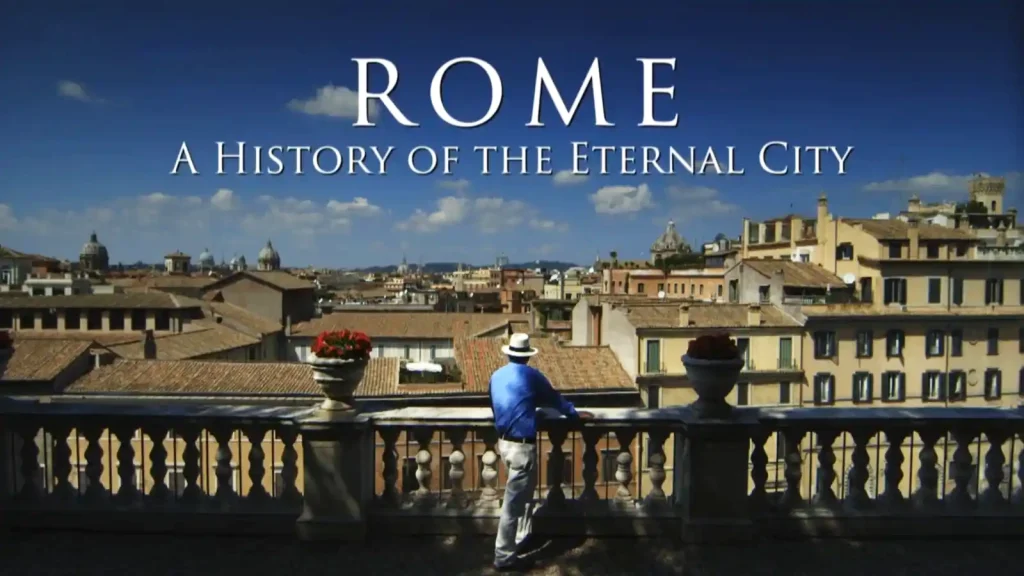
In Rome episode 2: A History of the Eternal City, Simon Sebag Montefiore takes us on an extraordinary journey, tracing Rome’s tumultuous path as it ascended to become the heart of Western Christendom. This wasn’t a simple rise; it was a story marked by transformation, divine gambles, and the powerful pull of new ideas on the lives of citizens, elites, and priests alike.
Rome’s shift from a city dedicated to its pantheon of pagan gods to the center of a radical new religion is nothing short of breathtaking. Imagine a city where every corner bustled with tributes to Jupiter, Mars, Venus, and the countless other deities who once shaped Roman culture and identity. These gods were the city’s protectors, their temples scattered across the hills and valleys of the capital. Every decision, every law, and every festival echoed with the sacred names of the old gods. Yet slowly, almost imperceptibly at first, this tapestry of belief began to unravel as a new voice entered the crowded streets: the quiet but resolute murmurings of Christianity.
At first, Christianity was a persecuted fringe belief. It was whispered about in the shadows and followed by a minority daring enough to defy tradition. It seemed improbable that this religion, which called for the meek to inherit the earth, could gain ground in a culture built on strength, glory, and conquest. To the elites of Rome, Christians were an oddity, perhaps even a nuisance—people who refused to acknowledge the divine status of the emperor, who lived by moral codes alien to the Roman way of life. They were easy scapegoats, especially in times of strife, their suffering offered up as entertainment in the cruel spectacle of the arena.
But Christianity had something the old gods lacked: a message that spoke deeply to those disillusioned by the excesses of Rome. It offered hope to slaves, compassion to the destitute, and a promise of eternal salvation that resonated even in the darkest days of the empire. As people began to question the meaning of the rituals that filled their lives, Christianity’s promise of a direct and personal relationship with the divine provided an answer.
The turning point, however, came with a singular figure—Emperor Constantine. He took a leap of faith that would forever alter the course of Rome’s history. For decades, Roman emperors had maintained an uneasy relationship with the burgeoning Christian community—persecuting them at times, tolerating them at others. But Constantine saw something more. His vision of a cross before the Battle of the Milvian Bridge, accompanied by the words “In this sign, you will conquer,” led him to gamble everything on this once-persecuted faith.
Imagine the gravity of that moment: Constantine, supreme ruler of the known world, embracing a faith that had been, until then, largely hidden in catacombs and whispered in secret. It was an audacious act, one that would either unite his empire under a single powerful belief or risk alienating those who still held to the traditions of the past. And so, in a stroke of both political genius and personal conviction, Constantine not only legalized Christianity but elevated it to a central place in the empire.
This divine gamble paid off in ways no one could have fully anticipated. The Edict of Milan in 313 AD granted religious tolerance, allowing Christianity to flourish openly. Churches rose alongside temples, and slowly, the cityscape of Rome began to transform. Pagan rites gave way to Christian rituals, and the Forum, once the beating heart of Rome’s civic life, found itself echoed in the great basilicas that emerged to celebrate the new faith. Constantine’s own church, the first St. Peter’s Basilica, stood as a symbol of this sweeping change—a visible marker of Christianity’s ascension over the old gods.
For the citizens of Rome, this transition was both bewildering and hopeful. Imagine the ordinary Roman—someone born under the watchful eyes of the Capitoline gods—now witnessing the construction of churches dedicated to Christ and the saints. For some, this was an opportunity, a chance to align themselves with a religion that promised rewards not just in this life, but beyond. For others, it was a loss, a surrender of the vibrant, pluralistic spirit that had defined Roman life for centuries. Elites, too, faced choices: would they convert and embrace this new power, or cling to the fading influence of the old ways?
Rome episode 2: A History of the Eternal City
Constantine’s establishment of Constantinople as a new center of power only accelerated the shift. Rome, once the unrivaled capital, was now one of two great cities. This division did not weaken Rome, though; rather, it helped to elevate its spiritual authority. With the imperial power shifting east, the Bishop of Rome—the Pope—began to fill the void left in the west. The church, with its growing bureaucracy and influence, became the enduring symbol of Roman continuity even as political control fragmented.
And so, the city transformed—from the seat of an empire worshipping many gods to the spiritual heart of a faith that demanded allegiance to one. The rise of Christianity in Rome was not just the story of a new religion; it was a story of rebirth. The Eternal City had found a new purpose, one that would carry it through the tumult of collapsing empires, barbarian invasions, and the dawn of a new age.
Rome’s journey to becoming the capital of Western Christendom is a testament to its resilience and capacity for reinvention. Through the lens of Christianity, Rome redefined itself, trading its ancient gods for the cross, its emperors for popes, and its temples for churches. The city that had once conquered the known world now sought to conquer the hearts and souls of all who entered its gates—no longer through the might of legions, but through faith, hope, and an unshakeable belief in the divine.
Simon Sebag Montefiore’s exploration of this journey offers a profound reminder: Rome’s greatness was never just about power or politics. It was about transformation, about the willingness to embrace something new when the old ways could no longer sustain it. As we look at the towering basilicas and ancient ruins that coexist in Rome today, we see not just relics of the past, but symbols of the city’s enduring spirit—a spirit that, once again, chose a different path and reshaped history in the process.
Conclusion Rome episode 2: A History of the Eternal City
Rome’s transformation from the center of a polytheistic empire to the heart of Western Christendom is nothing short of remarkable. As the dust of old rituals settled, a new era began, filled with hope and an unshakeable faith that brought unity and purpose. The Eternal City did not crumble under the weight of change; rather, it adapted, like a river finding a new course when its path is blocked. Constantine’s leap of faith was more than a political move—it was a turning point that redirected the city’s fate, making Christianity the anchor of Rome’s new identity.
Imagine standing in Rome during this monumental shift—the clamor of construction as churches replaced temples, and the whispers of the once-persecuted Christian faith growing into triumphant sermons. For many, the transition from pagan rites to Christian worship was both unsettling and inspiring. Yet, the city, much like its people, learned to weave its old spirit into this new tapestry. The temples may have faded, but their grandeur lived on in the new basilicas, and the ideals of power and piety blended seamlessly in Rome’s fresh narrative.
Rome’s resilience lies in its ability to transform without losing itself. When the empire began to fracture, the city chose a different kind of power—a spiritual dominion that would outlast its military might. The Bishop of Rome, the Pope, became the guiding force, offering solace and stability as emperors came and went. This shift allowed Rome to maintain its influence, not through armies or emperors, but through faith and an unwavering connection to something divine. It became a city that conquered not through the sword, but through the promise of salvation.
The story of Rome is a story of renewal. Its greatness did not diminish as the old gods fell; instead, it found new strength in the message of Christianity. Rome embraced the cross, and in doing so, it transcended the limits of an earthly empire. Today, as we wander through its ancient streets, we see layers of history—temples transformed into churches, ruins beside grand basilicas—each telling a story of adaptation, resilience, and an eternal spirit. Rome, the city of many gods, found everlasting unity in one, becoming not just an empire’s capital but the spiritual heart of the Western world.
FAQ Rome episode 2: A History of the Eternal City
Q: How did Christianity, initially a persecuted faith, become the dominant religion in Rome?
A: Initially, Christianity was a fringe belief, contrasting with Rome’s culture of strength and conquest. However, it offered hope and salvation, attracting those disillusioned by Roman excesses. Furthermore, Constantine’s conversion and the Edict of Milan legitimized Christianity, allowing it to flourish openly. Ultimately, it resonated with the people, offering a personal connection with the divine.
Q: What role did Emperor Constantine play in the rise of Christianity in Rome?
A: Constantine’s vision of the cross before the Battle of Milvian Bridge led him to embrace Christianity. Consequently, he legalized the religion with the Edict of Milan in 313 AD. This pivotal decision allowed Christianity to spread openly, transforming Rome’s religious landscape. Moreover, Constantine’s support elevated Christianity to a central position in the empire.
Q: How did Rome’s cityscape change with the rise of Christianity?
A: The rise of Christianity dramatically altered Rome’s cityscape. Churches were built alongside ancient temples, symbolizing the shift in religious beliefs. Additionally, the Forum, once a center of Roman civic life, was mirrored by grand basilicas. These basilicas, like the first St. Peter’s Basilica, became prominent features of the city.
Q: Did the establishment of Constantinople diminish Rome’s importance?
A: While Constantine established Constantinople as a new center of power, Rome’s importance did not diminish. Instead, Rome’s role evolved from an imperial capital to the spiritual heart of Western Christendom. With the Pope as its leader, Rome maintained its influence through religious authority. In essence, the city reinvented itself, finding a new purpose in the Christian faith.
Q: What can we learn from Rome’s transition to Christianity?
A: Rome’s transformation highlights its adaptability and resilience. The city embraced change, integrating Christian beliefs while retaining its unique character. Moreover, it demonstrates the power of new ideas to reshape society. Ultimately, Rome’s story reminds us that even the most enduring institutions can evolve and find new sources of strength.