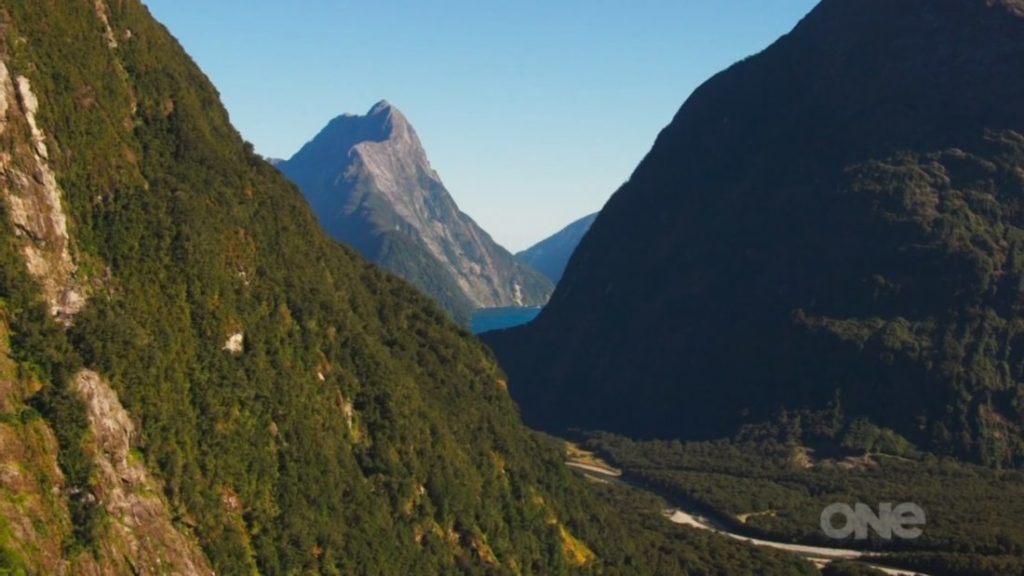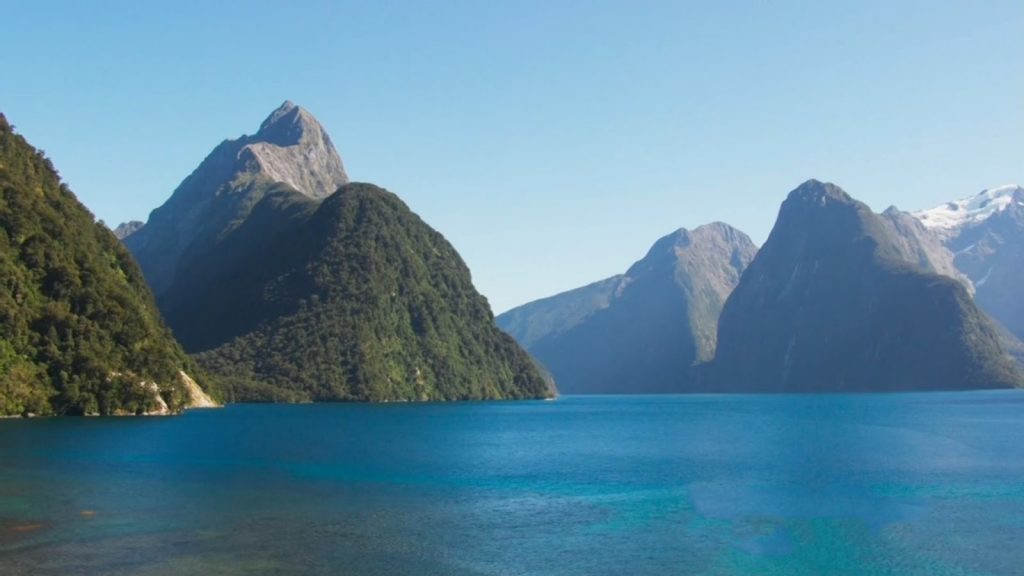
Scandinavia with Simon Reeve episode 2 takes viewers on an extraordinary journey from the dramatic fjords of Norway across the North Atlantic to the elemental landscapes of Iceland. This exploration delves into nations renowned for their beauty and high standards of living, yet simultaneously grappling with profound environmental and economic challenges. It’s a voyage through lands of extremes, showcasing both the stunning natural wonders and the complex societal choices these Nordic countries face. From vast oil wealth to the ever-present threat of volcanic activity, the narrative uncovers the contradictions and innovations shaping this unique corner of the world.
These Nordic nations, often perceived as some of the happiest societies globally, are currently navigating a period of significant change. Norway, once considered a quiet, rural part of Scandinavia, has transformed into an economic powerhouse, often dubbed the “Kuwait of Europe”. Meanwhile, Iceland, a land defined by fire and ice, lives under the constant shadow of its dynamic geology, facing both threats and opportunities from its volcanic nature. Understanding their journey offers insights into managing vast natural resources, confronting climate change, and building resilient societies.
The exploration within Scandinavia with Simon Reeve episode 2 covers a wide spectrum. It examines how Norway discovered and managed its immense Oil and Gas reserves, leading to unprecedented national wealth. It investigates the creation and operation of Norway’s colossal Sovereign Wealth Fund, the largest of its kind. Furthermore, it dives into the controversial yet economically vital industry of Norwegian Fish Farming. The journey then shifts to Iceland, exploring its dramatic Volcanoes and the profound impact they have on life, both locally and globally.
Historically, Norway’s rugged, fragmented coastline, the longest in Europe, supported a nation of farmers and fishermen. With only about 3% of its land farmable, life was often a struggle, and Norwegians were sometimes seen as “country bumpkins” by their neighbours. This reality dramatically shifted 50 years ago with a monumental discovery. On the night before Christmas Eve in 1969, Norway struck oil in the North Sea, uncovering what would become the largest offshore oil field ever found. This discovery fundamentally altered the nation’s trajectory.
In contrast, Iceland‘s story is one of settlement by hardy outlaws from western Norway, who braved the Atlantic to live on a volatile volcanic island. Its tiny population, comparable to that of Leicester, exists in a landscape constantly being reshaped by Volcanoes and seismic activity. This unique environment has fostered a resilient culture, summed up by the motto “thetta reddast,” meaning “it will work itself out somehow”. Yet, this land of fire and ice holds both immense power and potential peril, a theme explored throughout the journey.
This incredible wealth transformation in Norway has touched every citizen, yet it hasn’t led to the ostentatious displays seen in some other oil-rich nations. Instead, places like Bergen have seen significant investment in restoring their heritage, reflecting an understated Scandinavian approach. This shared prosperity is a testament to how Norway managed its windfall, but it also creates a complex duality. Many Norwegians, like Roy Oksnes, lead double lives, maintaining traditional family farms while working in the high-tech Oil and Gas industry. This contrast highlights the transition from a traditional past to a resource-rich present.
Norway’s Oil Wealth and its Contradictions
The heart of Norway’s economic miracle is its Oil and Gas industry, exemplified by the vast Mongstad refinery, the nation’s largest. Here, workers like Roy oversee the loading of colossal tankers with crude oil destined for export. Norway pumps more oil per capita than even Saudi Arabia, a trade that has made its 5.5 million citizens among the world’s richest. Following sanctions on Russia, it has become the biggest gas supplier to the UK and Germany.
This influx of wealth transformed the nation, lifting families like Alf “Oyster Dundee” Saetre’s from humble beginnings to successful entrepreneurship. Alf, a pioneer who worked on the first oil rigs as a submarine pilot, embodies the generation that witnessed and benefited from this “oil adventure”.
However, this reliance on fossil fuels presents a significant contradiction. While Norway fuels other nations with its exports, it has aggressively pursued Renewable Energy at home. It boasts the world’s highest number of electric cars per head and primarily uses hydroelectric power for its electricity needs. This allows the nation to export its fossil fuels while maintaining a green image domestically, a situation described as being “like a drug pusher… who refuses to use their own product”.
This approach absolves citizens of direct consumer guilt but raises questions about the nation’s overall contribution to Climate Change. The wealth generated allows for luxuries like Alf’s island restaurant, where diners can spend hundreds of pounds, and even £8,000 on a bottle of wine, underscoring the high standard of living oil has provided.
This prosperity fosters a unique societal trait: trust. In a striking example, a flower shop leaves its valuable stock—flowers, chocolates, and vases—unattended overnight, relying on customers to pay via QR codes or an app. This high level of trust in the community, government, and each other is seen as a cornerstone of Scandinavia’s success. It stands in stark contrast to many other nations, highlighting a significant cultural difference that underpins their social fabric. Yet, this comfortable existence, built on oil money, leads critics to argue that Norwegians aren’t fully confronting their role in global environmental issues.
The World’s Largest Savings Account: Norway’s Sovereign Wealth Fund
To manage its vast oil revenues responsibly, Norway took a far-sighted decision in the 1990s. They established a national savings account, a Sovereign Wealth Fund, to invest a significant portion of their earnings for future generations. Today, this fund is the single largest in the world, a financial colossus holding wealth equivalent to nearly 25,000 tons of gold. Its market value, tracked in real-time online, exceeds £1.2 trillion – an almost unimaginable figure. To grasp its scale, consider that a trillion seconds equates to over 31,000 years.
Headquartered in an unassuming Oslo office, the fund’s influence is global. It owns roughly 1.5% of all listed stocks and shares worldwide, alongside significant investments in global infrastructure, ports, and major cities. The fund’s managers, like Chief of Staff Trond Grande, handle staggering sums daily, sometimes trading billions of dollars in a single session. Despite the immense pressure, they maintain a “sensible and Scandinavian” approach, operating with a focus on long-term financial returns rather than short-term political or ethical whims. This contrasts sharply with how Britain managed its North Sea oil wealth, much of which went to private companies without creating a similar national nest egg.
Despite its vast size and prudent management, the Sovereign Wealth Fund faces criticism regarding its ethical stance, particularly on Climate Change. While it avoids “dodgy regimes and big tobacco,” its primary goal remains profit. The Norwegian government has mandated that only up to 2% can be invested in Renewable Energy, but the current level stands at a mere 0.2%. Trond Grande acknowledges the pressure to invest more aggressively in green technologies but emphasizes that the fund operates under a mandate from the Norwegian people and government. Unless there is overwhelming public pressure for change, the fund will continue its primarily profit-driven, apolitical course.
The tension between economic gain and environmental protection is starkly visible in Norway’s stunning Lofoten Islands. This area, a crucial fish spawning ground and home to incredible wildlife like orcas and puffins, has been a battleground. For years, the government and oil industry sought to open this “vulnerable and valuable area” for Oil and Gas exploration, despite the risks of catastrophic oil spills. Local campaigner Bente Lorentzen helped lead a successful grassroots movement, the People’s Action for an Oil-free Lofoten, which managed to stop drilling in this specific region.
However, this victory represents only one battle. Norway remains one of Europe’s most aggressive explorers for new oil fields and recently became the first country to allow commercial deep-seabed mining, despite warnings of severe marine damage. As an alternative, Norway has heavily invested in another ocean resource: Fish Farming. It now produces half of the world’s farmed salmon, a £10 billion industry. Yet, this industry is also controversial, facing criticism for pollution from fish waste and chemicals, and being described as “a type of factory farming”.
Innovations aim to address these concerns. Havfarm 1, the world’s largest offshore fish farm, is a 385-metre-long structure designed by billionaire Inge Berg. By moving offshore, Berg claims the 2.2 million fish’s waste disperses more effectively, reducing the environmental footprint. They also employ high-tech solutions like the “Stingray” system, which uses lasers to zap and kill sea lice, a major parasite problem, reducing the need for chemicals. While Fish Farming offers a more efficient feed-to-protein conversion than chicken or pork, and potentially eases pressure on wild stocks, witnessing its industrial scale remains unsettling for many, highlighting the ongoing dilemma between feeding the world and protecting the environment.
Iceland, though geographically distinct, shares strong Scandinavian roots and faces its own set of elemental challenges and opportunities. Life here unfolds atop a colossal volcanic system, as volcanologist Helga Torfadottir demonstrates amidst new lava flows. The recent eruption of Sundhnukur forced the evacuation of Grindavik, leaving deep fissures in the town and an uncertain future. This constant geological activity isn’t just a local concern; the 2010 eruption caused the largest air-traffic shutdown since WWII, and the historical Laki eruption in the 1780s had global consequences, even contributing to the French Revolution.
A significant concern highlighted in Scandinavia with Simon Reeve episode 2 is the interplay between Climate Change and Volcanoes. Iceland’s glaciers, like Myrdalsjokull, cover 10% of the island but are melting rapidly. Beneath Myrdalsjokull lies Katla, a massive volcano. As the enormous weight of the ice melts, it releases pressure on the Earth’s crust below. Helga explains this using a “soda bottle” analogy: relieving the pressure can make an eruption more likely. A major Katla eruption could unleash devastating floods and a vast ash cloud, impacting global climate and travel.
Yet, Icelanders harness this geological power. They are a Renewable Energy superpower, using geothermal heat for homes and electricity. This abundance of clean energy supports energy-intensive industries and even powers innovative solutions to Climate Change. The Carbfix project demonstrates a novel form of carbon capture: giant collectors suck CO2 from the air, dissolve it in water to create “fizzy water,” and inject it 350 meters deep into basalt rock. Here, the CO2 reacts with the porous “Swiss cheese” rock and mineralizes, effectively turning atmospheric carbon back into stone. While promising, geologist Bergur Sigfusson acknowledges this technology is still small-scale – like “trying to bail out the Titanic with a teaspoon” – emphasizing that reducing emissions remains paramount.
Our journey through Norway and Iceland, as seen in Scandinavia with Simon Reeve episode 2, reveals nations walking a fine line. On one side lies immense prosperity, largely built on the black gold of Oil and Gas. This wealth has funded an enviable quality of life and the world’s largest Sovereign Wealth Fund, creating societies built on extraordinary levels of trust. Yet, on the other side lies the profound environmental cost. Norway’s ‘drug pusher’ paradox – selling fossil fuels abroad while championing green energy at home – highlights the complex compromises modern nations make. It’s a stark reminder that even the most forward-thinking societies struggle to reconcile economic imperatives with the escalating crisis of Climate Change.
Then we cross the Atlantic to Iceland, a land where nature’s power is raw and untamed. Here, the earth itself is in constant flux, with Volcanoes both threatening communities and offering a path to a Renewable Energy future. Icelanders live with the knowledge that a major eruption, perhaps from the ice-bound Katla, could have global repercussions, a risk amplified by melting glaciers. Yet, it’s also here that we see glimmers of hope in technologies like carbon capture, turning harmful emissions back into rock. It’s a powerful illustration of the adage that necessity – in this case, living on a geological pressure cooker – truly is the mother of invention.
From Norway’s giant offshore Fish Farming ventures to Iceland’s carbon-sucking machines, these nations are laboratories for the future. They grapple with questions we all face: How do we power our lives without destroying our planet? How do we manage shared resources – be they oil, fish, or clean air – responsibly? Their immense wealth and stunning natural beauty offer no easy answers. Instead, they present a compelling, often contradictory, picture of humanity’s challenge.
The Scandinavian experience teaches us that immense wealth doesn’t automatically solve deep-seated problems, and living close to nature doesn’t guarantee harmony with it. While the Icelandic spirit of “thetta reddast” – it will work itself out – is admirable, the challenges these nations, and indeed the world, face require more than optimism. They demand conscious, often difficult, choices. As we look towards a future defined by climate uncertainty, the decisions made in these rugged, beautiful lands of the north will resonate far beyond their shores, offering lessons, warnings, and perhaps, inspiration for us all.
Q: What transformed Norway from a rural nation into one of the world’s wealthiest countries?
A: Norway’s economic miracle began on Christmas Eve 1969 when they discovered oil in the North Sea, uncovering the largest offshore oil field ever found. Previously, Norway struggled as a nation of farmers and fishermen with only 3% farmable land. Today, Norway pumps more oil per capita than Saudi Arabia, making its 5.5 million citizens among the world’s richest and transforming the country into the “Kuwait of Europe.”
Q: How large is Norway’s Sovereign Wealth Fund and what does it invest in?
A: Norway’s Sovereign Wealth Fund is the world’s largest, worth over £1.2 trillion—equivalent to nearly 25,000 tons of gold. Furthermore, this financial colossus owns approximately 1.5% of all listed stocks worldwide, plus significant investments in global infrastructure and major cities. The fund trades billions daily while maintaining a “sensible and Scandinavian” long-term approach, contrasting sharply with how Britain managed its North Sea oil wealth.
Q: Why is Norway criticized as being like a “drug pusher” with its oil policy?
A: Norway exports vast quantities of fossil fuels while aggressively pursuing renewable energy domestically, creating a stark contradiction. Additionally, the country boasts the world’s highest number of electric cars per capita and uses primarily hydroelectric power at home. Critics argue this approach allows Norwegians to maintain a green image while contributing significantly to global climate change through exports, absolving citizens of direct consumer guilt.
Q: What environmental concerns surround Norway’s massive fish farming industry?
A: Norway produces half of the world’s farmed salmon in a £10 billion industry, yet faces criticism for pollution from fish waste and chemicals. However, innovations like Havfarm 1, the world’s largest offshore fish farm, aim to address these issues by moving operations offshore where waste disperses more effectively. Additionally, high-tech solutions like laser “Stingray” systems kill sea lice parasites, reducing chemical dependency in this controversial “factory farming” approach.
Q: How dangerous are Iceland’s volcanic eruptions to global travel and climate?
A: Iceland’s volcanic activity poses significant global risks, as demonstrated by the 2010 eruption that caused the largest air-traffic shutdown since WWII. Moreover, the historical Laki eruption in the 1780s had worldwide consequences, even contributing to the French Revolution. Currently, the recent Sundhnukur eruption forced evacuation of Grindavik, while the massive Katla volcano beneath Myrdalsjokull glacier could unleash devastating floods and ash clouds affecting global climate.
Q: How does climate change increase Iceland’s volcanic eruption risks?
A: Climate change accelerates glacier melting across Iceland, which covers 10% of the island, creating a dangerous “soda bottle” effect on underlying volcanoes. As enormous ice weight disappears, pressure releases from the Earth’s crust below, potentially making eruptions more likely. Consequently, volcanologist Helga Torfadottir warns that melting ice above Katla volcano could trigger a major eruption with global consequences, demonstrating how climate change amplifies geological risks.
Q: How does Iceland harness its volcanic power for renewable energy?
A: Iceland has become a renewable energy superpower by utilizing geothermal heat from its volcanic activity for both homes and electricity generation. Furthermore, this abundance of clean energy supports energy-intensive industries while powering innovative climate solutions. The country’s geological instability, which threatens communities, simultaneously offers a pathway to sustainable energy independence, demonstrating how Icelanders transform natural challenges into environmental opportunities through ingenious engineering.
Q: What is Iceland’s groundbreaking carbon capture technology and how effective is it?
A: Iceland’s Carbfix project represents innovative carbon capture technology that sucks CO2 from the atmosphere, dissolves it in water to create “fizzy water,” then injects it 350 meters deep into basalt rock. Subsequently, the CO2 reacts with porous “Swiss cheese” rock and mineralizes, effectively turning atmospheric carbon back into stone. However, geologist Bergur Sigfusson acknowledges this remains small-scale—like “trying to bail out the Titanic with a teaspoon.”
Q: What does the Icelandic phrase “thetta reddast” reveal about their culture?
A: “Thetta reddast” means “it will work itself out somehow” and encapsulates Iceland’s resilient cultural attitude toward living on a volatile volcanic island. This philosophy emerged from hardy Norwegian outlaws who originally settled this challenging landscape. Nevertheless, while this optimistic spirit serves Icelanders well in daily life, the documentary suggests that global climate challenges require more than optimism—they demand conscious, often difficult choices and active solutions.
Q: How do Nordic countries balance enormous wealth with environmental responsibility?
A: Nordic countries face complex contradictions between economic prosperity and environmental stewardship, exemplified by Norway’s oil wealth funding green domestic policies while exporting fossil fuels globally. Meanwhile, Iceland transforms geological threats into renewable energy opportunities while developing carbon capture technologies. However, these nations demonstrate that immense wealth doesn’t automatically solve environmental problems, requiring conscious choices that resonate far beyond their borders as global climate laboratories for sustainable development.