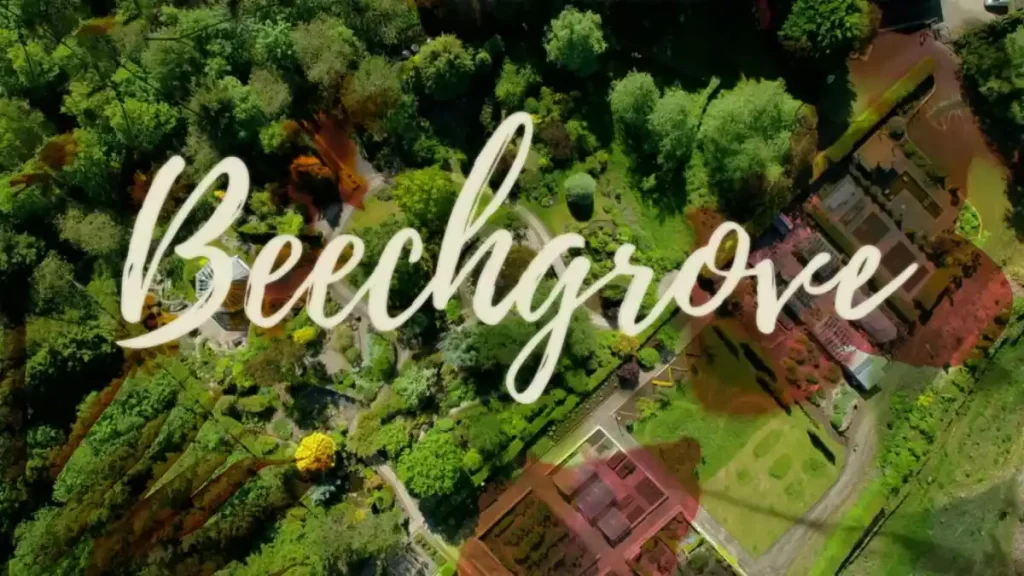
Welcome back to the heart of Scottish gardening. In The Beechgrove Garden 2025 episode 23, we join Calum and George for a truly special tour. The air is filled with the scent of late-season harvests. Indeed, there is a gentle feeling of transition all around. This episode beautifully captures the dual soul of every gardener. We celebrate the rewards of today’s hard work. Simultaneously, we lay the groundwork for the dreams of tomorrow. It’s a perfect reflection of life in any home garden. We see a wonderful mix of fruit, flowers, and vegetables, reminding us of the garden’s constant cycle of growth and renewal.
Our journey begins in the fruit cage. Here, a significant change is underway. Some beloved blackcurrant bushes are making a graceful exit. After years of faithful production, their time has come. This decision, however, is not an ending but a new beginning. Calum and George are thoughtfully preparing the soil. They are making way for new raspberry canes to be planted next spring. This act perfectly illustrates the forward-thinking nature of gardening. Furthermore, it shows that even an expert garden like this one is always evolving. The team understands that to create a thriving green garden, you must sometimes say goodbye to the old to welcome the new.
Next, we follow our favourite gardeners to the main vegetable plot. It’s a moment of truth and treasure. The time has finally come to dig up this year’s main potato crop. With each turn of the fork, the soil reveals its hidden gems. It’s a scene of pure satisfaction, like a treasure hunt in your own backyard. Each potato pulled from the earth is a testament to months of care. However, the veg plot holds a different story just a few feet away. This part of the garden offers a more challenging lesson. It reminds us that nature is full of surprises.
Indeed, not all news from the plot is cause for celebration. Calum and George turn their attention to the brassicas. Unfortunately, some cunning butterflies found a way through the protective netting earlier in the season. Consequently, their hungry caterpillars have been feasting. The hosts carefully inspect the damage, assessing the impact of these unwelcome visitors. This segment is a vital lesson in resilience for every gardener. It highlights the constant battle against pests and the importance of vigilance. Moreover, it is a raw and honest look at the realities of maintaining an ecogarden, where managing nature’s challenges is part of the journey.
From the vegetable patch, we transition to the vibrant world of ornamental plants. Calum showcases his passion for brilliant blooms. He is carefully potting up his stunning begonias. These dazzling flowers are like jewels in the late-season garden. Watching Calum work is a gentle reminder of the simple joys of gardening. For instance, the act of tending to a single plant can bring immense peace. This activity is perfect for anyone looking to add a touch of style garden elegance to their patio or windowsill. It’s about creating pockets of beauty to enjoy, extending the colour and life of the season just a little longer.
The Beechgrove Garden 2025 episode 23
Meanwhile, George tackles a task that requires both patience and vision. He demonstrates how to train the small fruit trees he planted in containers earlier in the year. This is where the art of gardening truly shines. With careful pruning and gentle guidance, he shapes their young branches. This process isn’t just about aesthetics; it is crucial for the tree’s future health. In addition, proper training ensures a stronger structure and, ultimately, a more bountiful harvest. It is an investment in the future, promising delicious, homegrown fruit for years to come. This expert advice can help anyone create a top garden in even the smallest of spaces.
The Beechgrove Garden 2025 continues to be a source of incredible inspiration. This particular episode stands out for its honest portrayal of the gardener’s life. It masterfully balances the joy of a successful harvest with the practicalities of pest control. Furthermore, it beautifully contrasts the immediate pleasure of potting colourful flowers with the long-term vision required for training fruit trees. Calum and George show us that a garden is more than just a plot of land. It is a dynamic space of learning, planning, and endless discovery.
In conclusion, The Beechgrove Garden 2025 episode 23 offers something for everyone. Whether you are a seasoned expert or just starting your journey, the lessons are invaluable. The episode is a powerful reminder that gardening is a continuous cycle. We reap the rewards of past efforts while simultaneously sowing the seeds for future success. It’s a dance between the present and the future. Therefore, as we watch the team at Beechgrove, we are inspired to embrace this beautiful rhythm in our own green spaces. Their work encourages all of us to keep growing, planning, and dreaming.
The Beechgrove Garden 2025 episode 23 review
The Beechgrove Garden 2025 episode 23 offers a comprehensive look into the pivotal late-season period, where the joys of harvesting merge with essential preparations for the year ahead. This installment beautifully captures the dual focus of every dedicated gardener. We celebrate the rewards of a season’s hard work. Simultaneously, we lay the groundwork for the dreams of the following spring. This episode provides a wealth of practical advice, reflecting the constant cycle of growth, renewal, and forward planning inherent in managing any successful home garden.
The importance of this transitional phase cannot be overstated in the world of gardening. It is a time for assessing the year’s successes and challenges. Furthermore, it is a moment to implement strategies that will ensure future abundance. This thoughtful approach transforms a simple plot of land into a thriving green garden, where each action is part of a larger, sustainable cycle. The tasks undertaken now, from amending soil to overwintering tender plants, are direct investments in the health and productivity of next year’s bounty of flowers and vegetables.
This exploration of The Beechgrove Garden 2025 episode 23 will delve into several key areas of late-season management. We will examine techniques for propagating and preserving beautiful begonias. Additionally, we will review the outcomes of a potato harvest influenced by a particularly dry summer. The process of renovating a fruit cage to introduce new crops will also be detailed. Finally, we will explore specific strategies for maintaining an allotment, from managing herbs to planting late-season vegetables, offering a complete picture of this critical gardening period.
A recurring theme throughout the discussions is the impact of a dry summer on various plants. This provides a crucial background for understanding the adaptive techniques that modern gardeners must employ. For instance, selecting drought-tolerant varieties and using moisture-retaining mulches are no longer niche practices but essential skills. This focus on resilience underscores the practical, problem-solving nature of horticulture. It demonstrates how gardeners can work with environmental conditions to achieve impressive results.
The advice presented blends scientific knowledge with hands-on experience, creating an expert garden guide for viewers. It covers everything from the precise method for pruning patio fruit trees to create an attractive style garden to the organic management of common pests in the vegetable patch. This wide-ranging expertise equips gardeners with the confidence to tackle diverse challenges. Consequently, it empowers them to make informed decisions that enhance both the beauty and productivity of their spaces.
This journey through the garden is a masterclass in horticultural diligence. It highlights that the end of one growing season is merely the prelude to the next. The work done in autumn is the silent foundation upon which the vibrant life of spring is built. By following these expert principles, any gardener can cultivate a space that is not only productive but also a source of year-round satisfaction and learning.
Propagating and Overwintering Beautiful Begonias
The episode begins with a celebration of begonias, showcasing the remarkable growth achieved from simple stem cuttings. Fibrous indoor begonias, taken as small cuttings back in May, transformed into lush, healthy plants ready for potting up. One interesting variety highlighted is named ‘Eyelash’ due to the distinctive little hairs lining the edges of its leaves. This attention to detail demonstrates the vast diversity available within a single plant family.
To support this new growth, a specialized Beechgrove compost mixture is used. This carefully crafted medium consists of topsoil, leaf mould, a good amount of vermiculite for drainage, a little sand, and a slow-release fertiliser. The inclusion of the fertiliser means that additional feeding is not an immediate concern. However, consistent watering remains crucial for these plants. The focus is on providing a rich but well-draining environment to foster strong root development.
Attention then shifts to tuberous begonias, which require a different approach for long-term care. Even after a large, dinner-plate-sized variety like ‘Daisy Trinder’ has finished flowering, the work is not done. The plant must still be watered and fed weekly with a high-potash feed, such as tomato feed with seaweed. This process is vital for building up the tuber, which acts as the energy store for the following year’s growth. It is akin to charging a battery for future use.
As temperatures cool and the foliage begins to yellow, the watering and feeding schedule is gradually reduced. Once the plant has died back completely, the tuber is allowed to dry out before being lifted. For storage, the tuber is cleaned, labeled, and placed in a box in a cool, dark, and dry location, like the bottom of a wardrobe. This dormant period protects it through the winter, ensuring it is ready to be brought out and replanted next year to start the cycle all over again.
Harvesting Potatoes and Adapting to Dry Conditions
The main potato crop harvest provides a fascinating comparison between different varieties and growing techniques. Calum had selected his varieties at the Kelso Tattie Day in March, specifically choosing ‘Sarpo Mira’ for its deep-rooted and drought-tolerant characteristics. This foresight proved invaluable during the dry summer. In contrast, he also grew ‘Kerr’s Pink’, a traditional old variety, to serve as a direct comparison. The ‘Sarpo Mira’ yielded large tubers perfect for baking, while the ‘Kerr’s Pink’ produced a greater number of smaller potatoes.
An essential technique for a successful harvest involves preparing the potatoes for storage. The shaws, or leafy top growth, were cut down two to three weeks before lifting the tubers. This action encourages the potato skins to toughen, which significantly improves their keeping quality over the winter months. Once harvested, the potatoes are best stored in paper bags in a shed, which will keep them viable right through until the following March.
Creative solutions to the dry conditions were also shared. George, gardening in Joppa, found his soil was as dry as dust. Despite this, he achieved an excellent harvest of ‘Picasso’ and ‘Cara’ potatoes. His secret was applying grass clippings from a neighboring bowling green as a mulch between the rows. This layer helped conserve precious soil moisture. Calum employed a different strategy, making his potato drills slightly wider than usual. This prevented them from drying out too quickly and also helped stop the developing tubers from pushing out of the soil and turning green from sun exposure.
Finally, the importance of a thorough harvest was emphasized. Any small potatoes left in the ground, referred to as “bulls” or “chats,” will grow again the next year. This can lead to volunteer plants that may interfere with future crop rotation plans. Therefore, gardeners should take care to remove every last tuber from the soil. This diligence ensures a clean slate for the following season’s planting.
Renovating the Fruit Cage in The Beechgrove Garden 2025 episode 23
A significant project undertaken in this episode is the renovation of the fruit cage to make way for a much-needed raspberry patch. George identified that a row of blackcurrants had been in place for 20 years. While still productive, their removal was necessary to diversify the fruit offerings. He systematically cut the old blackcurrant bushes right back to make them manageable for digging up. Interestingly, these hardy plants were not discarded; instead, they were destined for a new home in another garden, where they are expected to regrow vigorously.
After years of supporting the blackcurrants, the soil in that section of the garden had become depleted and pathetic. To prepare the bed for the new raspberries, a process of soil enrichment was essential. George began by adding a generous amount of homemade compost. He then scattered bonemeal over the surface to boost fertility. This organic matter will break down over the winter, allowing the nutrients to percolate deep into the underlying soil. By spring, the bed will be fertile and ready for planting.
The new occupants of this space will be both summer-fruiting and autumn-fruiting raspberries. These two types have different growth habits, which influences how they are managed. Autumn raspberries are particularly straightforward, as they fruit on the current year’s growth. In contrast, summer varieties produce fruit on canes that grew in the previous year. This distinction is crucial for correct pruning and maintenance.
Raspberries are naturally woodland-edge plants with shallow, surface-rooting tendencies. This means they will be planted quite shallowly in the newly prepared, fertile soil. The goal is to encourage the plants to produce lots of runners and healthy canes. With the proper soil preparation and understanding of their growth habits, the stage is set for a bountiful raspberry crop in the coming years. This project within The Beechgrove Garden 2025 episode 23 exemplifies how a garden must continually evolve.
Managing Pests and Problems in the Vegetable Plot
A tour of the main vegetable plot reveals both triumphs and tribulations, offering valuable lessons in crop management. The carrot harvest, for example, presented some common issues. Some carrots were forked, a deformation that can occur when the growing root hits a stone or encounters overly fertile soil. Another problem was green shoulders, which happens when the top of the carrot is exposed to sunlight. This not only changes the color but can also make the carrot taste bitter. The simple solution is to draw soil up around the tops of the carrots to keep them covered.
In the brassica cage, the results were mixed. The ‘Green Magic’ calabrese was a resounding success. This variety is prized because after the main head is harvested, it produces numerous smaller side shoots, providing a secondary crop. However, nearby Brussels sprouts and cabbages had been decimated by the cabbage white butterfly. The foliage was heavily eaten by caterpillars, illustrating the destructive potential of this common pest.
To manage the infestation, gardeners should diligently inspect their plants. It is important to identify where the eggs or caterpillars are located and either pick them off by hand or cut away the affected leaves. Despite the significant damage to the outer foliage, the crop is not always a total loss. Often, the heart of a cabbage remains protected and perfectly edible. By stripping off the damaged outer leaves and washing the head thoroughly, a good portion of the crop can still be salvaged.
Elsewhere, a promising crop of squash was developing well, though not yet ready for harvest. To help the fruits ripen, it is important to leave as much healthy foliage on the plant as possible, as the leaves produce the energy needed for fruit development. However, any damaged or yellowing leaves should be removed. This simple act of maintenance improves airflow around the plant, which enhances its overall health and aids in the ripening process.
The Garden’s Greatest Lesson: Embracing the Dance Between Today and Tomorrow
The Beechgrove Garden 2025 episode 23 leaves us with something far more valuable than a collection of seasonal gardening tips—it offers a profound meditation on the art of living in harmony with natural cycles. Through Calum and George’s thoughtful stewardship, we witness how every garden decision ripples through time, connecting the satisfaction of today’s harvest with the promise of next year’s abundance.
What strikes most powerfully about this episode is how it reframes the inevitable challenges of gardening. Those cabbage white butterflies that found their way through the netting weren’t failures of vigilance—they were nature’s reminders that adaptability trumps perfection every time. The depleted soil beneath those 20-year-old blackcurrant bushes wasn’t a problem to solve but an opportunity to begin again with deeper wisdom. Even the forked carrots and green shoulders become teachers, showing us that sometimes our best intentions need gentle course corrections.
This philosophy extends far beyond the garden gate. In our fast-paced world, where immediate results often overshadow long-term thinking, the patient work of enriching soil for next spring’s raspberries becomes almost revolutionary. George’s methodical addition of compost and bonemeal speaks to a different kind of success—one measured not in quarterly achievements but in the accumulated wisdom of seasons. It’s a masterclass in delayed gratification that our instant-everything culture desperately needs.
The begonia propagation segment particularly illuminates this beautiful tension between nurturing the present and investing in the future. Those ‘Eyelash’ varieties, carefully potted up and tended, will brighten winter windowsills while their parent plants rest in dormancy. Meanwhile, the tuberous begonias receive their final feeding—not for this year’s blooms, but to charge the energy reserves that will fuel next spring’s spectacular display. It’s gardening as time travel, where every action serves both immediate joy and future possibility.
Perhaps most inspiring is how this episode normalizes the ebb and flow of gardening fortunes. The contrast between ‘Sarpo Mira’ and ‘Kerr’s Pink’ potatoes reveals that there’s no single path to success—just different strategies for different conditions. The dry summer that challenged some crops became an opportunity to showcase drought-tolerant varieties and innovative mulching techniques. This adaptability, this willingness to learn from both triumph and setback, transforms gardening from a battle against nature into a conversation with it.
As autumn deepens and we contemplate our own green spaces, The Beechgrove Garden 2025 episode 23 invites us to embrace this dual consciousness. Whether you’re tending a sprawling allotment or a handful of containers on a balcony, the same principles apply: celebrate today’s achievements while laying the groundwork for tomorrow’s dreams. Clean up those potato beds thoroughly, yes, but also dare to envision the vibrant ecosystem they’ll support next year.
The true magic happens when we stop seeing gardening as a series of separate tasks and start recognizing it as one continuous, evolving story. Every seed sown, every cutting taken, every pest overcome becomes part of a larger narrative of growth, resilience, and renewal. In a world that often feels fragmented and hurried, this patient cultivation of both plants and perspective offers something precious: the wisdom to trust in cycles, to find joy in small daily acts, and to believe that tomorrow’s garden will be even more beautiful than today’s.
FAQ The Beechgrove Garden 2025 episode 23
Q: What makes The Beechgrove Garden 2025 episode 23 particularly special for gardeners?
A: This episode masterfully captures the dual nature of gardening by showcasing both harvest celebrations and essential autumn preparations. Furthermore, it demonstrates how experienced gardeners like Calum and George balance immediate rewards with long-term planning, making it invaluable for gardeners at any skill level.
Q: Why did they remove the blackcurrant bushes after 20 years of production?
A: Although the blackcurrant bushes remained productive, George recognized the need to diversify the fruit offerings in the garden. Additionally, removing these established plants allows for soil renovation and the introduction of both summer and autumn-fruiting raspberries, demonstrating how gardens must continually evolve.
Q: What techniques helped achieve successful potato harvests during the dry summer?
A: Several adaptive strategies proved effective during drought conditions. Calum selected drought-tolerant ‘Sarpo Mira’ varieties and created wider drills to prevent drying. Meanwhile, George applied grass clippings as mulch between rows to conserve precious soil moisture, demonstrating how creative solutions overcome challenging weather.
Q: How should begonias be properly overwintered for next year’s display?
A: Tuberous begonias require continued feeding with high-potash fertilizer even after flowering ends, essentially charging the tuber like a battery. Subsequently, as foliage yellows, gradually reduce watering until the plant dies back completely. Finally, lift, clean, and store tubers in cool, dark, dry conditions throughout winter.
Q: What caused the damage to the brassica crops in this episode?
A: Cabbage white butterflies successfully penetrated the protective netting earlier in the season, allowing their caterpillars to feast on Brussels sprouts and cabbages. However, the episode demonstrates that despite significant outer leaf damage, the hearts often remain edible, proving that apparent crop failures aren’t always total losses.
Q: What soil preparation is necessary before planting the new raspberry patch?
A: After decades of supporting blackcurrants, the soil had become depleted and required significant enrichment. George added generous amounts of homemade compost and scattered bonemeal across the surface. Consequently, this organic matter will decompose over winter, creating fertile conditions perfect for shallow-rooting raspberry plants by spring.
Q: Why is proper potato storage technique so important for winter keeping?
A: Cutting potato shaws two to three weeks before harvest encourages skin toughening, which dramatically improves storage quality. Additionally, storing harvested potatoes in paper bags within a shed maintains optimal conditions. Moreover, thorough harvesting prevents volunteer plants that could disrupt next year’s carefully planned crop rotation schedule.
Q: What’s the difference between summer and autumn-fruiting raspberries?
A: These raspberry types have distinctly different growth habits that influence their management requirements. Autumn varieties fruit on current year’s growth, making them particularly straightforward to maintain. Conversely, summer raspberries produce fruit on previous year’s canes, requiring different pruning techniques and timing for optimal productivity.
Q: How can gardeners manage common carrot growing problems effectively?
A: Forked carrots typically result from hitting stones or overly fertile soil during growth. Meanwhile, green shoulders occur when carrot tops become exposed to sunlight, creating bitter flavors. Therefore, drawing soil up around developing carrots prevents sun exposure while careful soil preparation reduces forking incidents.
Q: What key lesson does this episode teach about garden management philosophy?
A: The episode brilliantly illustrates that gardening involves constant adaptation rather than rigid adherence to plans. Furthermore, it shows how apparent setbacks like pest damage or weather challenges become learning opportunities. Ultimately, successful gardening requires embracing the natural cycle of growth, renewal, and forward planning across seasons.