Hidden Treasures of the National Trust 2025 Episode 1: Literary Legends and Their Beloved Retreats
The gentle morning light filters through centuries-old windows, illuminating dust motes that dance in the air of homes once filled with the creative energies of literary giants. In this captivating first episode of Hidden Treasures of the National Trust 2025, we embark on an intimate journey through three remarkable properties. These aren’t merely historic houses—they’re the sanctuaries where some of our most cherished authors found solace, inspiration, and the quiet necessary to create works that would endure for generations.
Nestled in the rolling emerald landscapes of the Lake District, Hill Top stands as a testament to Beatrix Potter’s enduring connection with the natural world. This charming farmhouse, with its weathered stone exterior and cottage garden bursting with colorful blooms, offered Potter an escape from the constraints of Victorian London. More importantly, it provided the backdrop for many of her beloved tales about Peter Rabbit and his friends.
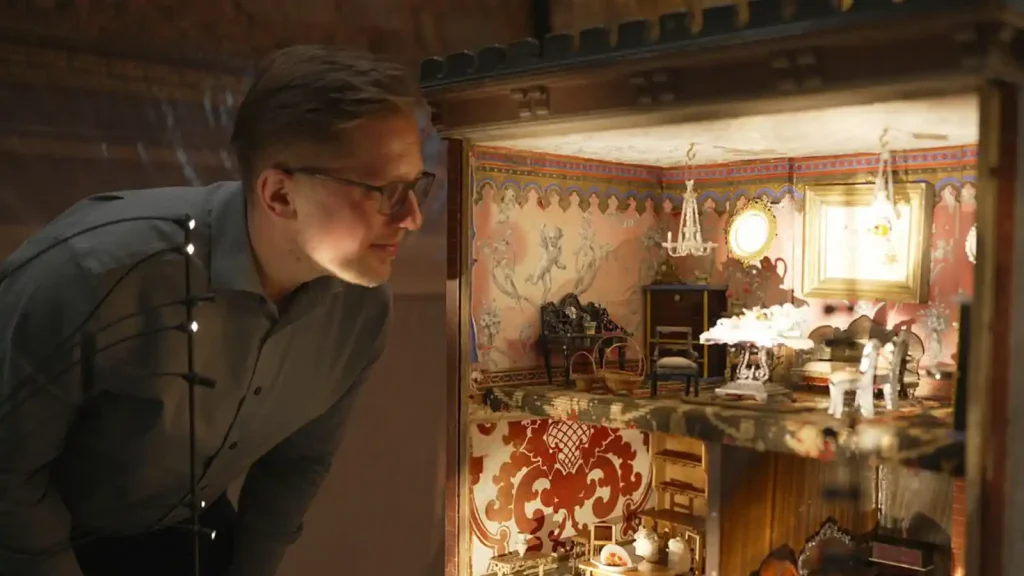
Inside this treasure trove of Potter memorabilia, conservators are currently undertaking a delicate mission. Hidden away from public view for decades, Beatrix’s personal dolls’ house has become the focus of an ambitious conservation project. The miniature residence contains over 70 exquisite tiny objects, each one reflecting Potter’s meticulous attention to detail and her fascination with the small wonders of domestic life.
“Each piece tells its own story,” explains Jane Harrison, lead conservator at the National Trust. “From diminutive teacups no larger than a child’s fingernail to intricately carved furniture that mirrors the full-sized pieces in the main house, this collection offers a rare glimpse into Potter’s imaginative world.”
The conservation team works with specialized tools, some no bigger than a needle, to carefully clean and restore these delicate treasures. Furthermore, they’re documenting each piece for a comprehensive catalog that will accompany a new exhibition planned for summer 2025.
Visitors will soon have the opportunity to peer into this miniature world through specially designed display cases that protect the artifacts while offering unprecedented access to Potter’s charming creation. Additionally, interactive displays will reveal the connections between these tiny treasures and the illustrations in her famous children’s books.
In stark contrast to the cozy domesticity of Hill Top, our journey continues to Dorset’s woodland cottage of Clouds Hill. This austere dwelling served as a sanctuary for T.E. Lawrence, the enigmatic figure better known to the world as Lawrence of Arabia. After his fame-making exploits in the Middle East during World War I, Lawrence sought simplicity and anonymity in this modest cottage.
The sparse interior reflects Lawrence’s complex personality—simultaneously scholarly and ascetic. Consequently, the cottage feels more like a monk’s cell than the home of a celebrated war hero and author. Book-lined walls and a gramophone for classical music were among his few indulgences, highlighting his intellectual pursuits away from public scrutiny.
Recently, a fascinating discovery has stirred excitement among historians and Lawrence scholars alike. In the sparsely furnished upstairs room, a portrait of a young soldier standing pensively on a Cornish beach has become the subject of heated debate. Could this be a rare depiction of Lawrence himself?
“The timing matches his documented visits to Cornwall, and the physical resemblance is striking,” notes Dr. Martin Evans, curator of military history. “However, Lawrence was notoriously camera-shy and reluctant to have his likeness captured, especially after his rise to fame. Therefore, if authenticated, this would be an extraordinary addition to our understanding of the man behind the legend.”
The National Trust has brought in art conservation experts and Lawrence biographers to study the painting using advanced imaging techniques. Meanwhile, archivists are scouring correspondence and diaries for any mention of the artwork or its creator. The investigation continues, adding another layer of intrigue to a man who often seemed to exist between myth and reality.
Hidden Treasures of the National Trust 2025 episode 1
Lamb House: Henry James’s Literary Headquarters
Our final destination takes us to the picturesque town of Rye in East Sussex, where Lamb House stands as a testament to literary craftsmanship. This elegant Georgian residence became home to Henry James in 1897, marking a productive period in the American-born author’s career. Subsequently, James produced many of his later masterpieces within these walls, including “The Wings of the Dove” and “The Ambassadors.”
The heart of this literary home is undoubtedly the Green Room, James’s dedicated writing space where he dictated his complex narratives to a typist. However, this historic room currently faces challenges that would have dismayed its meticulous former owner. The walls, once a vibrant shade of verdant green selected by James himself, now appear faded and discolored.
“We’ve identified a significant damp problem affecting the south-facing wall,” explains Robert Thompson, property manager at Lamb House. “Left untreated, this could cause irreparable damage to the original plasterwork and potentially compromise the structural integrity of this historic space.”
As a result, the National Trust has launched an urgent conservation project. First, specialists will address the underlying moisture issues by improving drainage and installing discreet ventilation systems. Then, conservators will carefully remove damaged sections of plaster before applying traditional lime-based replacements mixed according to period-appropriate formulas.
The final stage involves painstaking color analysis to determine the exact shade of green James originally selected. “We’ve found microscopic traces of the original paint beneath later layers,” reveals Sarah Williams, historic interiors specialist. “Through careful analysis, we can recreate not just the color but also the specific finish that would have surrounded James as he crafted his prose.”
Once restored, the Green Room will once again evoke the atmosphere that inspired some of the most nuanced and psychologically complex novels in American literature. Visitors will experience the space much as James did, gaining deeper insight into the environment that shaped his creative process.
Preserving Literary Heritage for Future Generations
These three distinctive properties—from Potter’s cozy farmhouse to Lawrence’s austere cottage and James’s elegant residence—represent different facets of our literary heritage. Moreover, they highlight the National Trust’s ongoing commitment to preserving not just buildings but the stories and creative legacies they contain.
“What makes these properties special is their connection to the inner lives of these remarkable writers,” reflects Dr. Eleanor Hughes, director of the Hidden Treasures series. “When we walk through their doors, we’re not simply touring historic houses—we’re stepping into the spaces where imagination flourished and enduring works of literature were born.”
As Episode 1 of Hidden Treasures of the National Trust 2025 concludes, viewers are left with a deeper appreciation for these literary sanctuaries. Additionally, they gain insight into the meticulous work required to preserve them for future generations of readers and history enthusiasts.
The remaining episodes in this captivating series will continue to uncover remarkable stories behind the National Trust’s vast collection of historic properties, artifacts, and natural landscapes throughout Britain. Therefore, audiences can look forward to more discoveries that connect us with our shared cultural heritage in intimate and unexpected ways.
The Enduring Legacy of Literary Sanctuaries
As we close the pages on our journey through these three remarkable literary havens, we’re reminded that walls can indeed hold whispers of creative genius. These aren’t merely historic properties preserved in amber; rather, they’re living connections to the minds that shaped our cultural imagination. Hill Top, Clouds Hill, and Lamb House stand as testaments to the environments that nurtured some of literature’s most distinctive voices.
Beatrix Potter’s charming farmhouse, with its soon-to-be-revealed miniature treasures, offers us more than just a glimpse into her artistic process. Furthermore, it shows how the Lake District’s natural splendor directly influenced her beloved animal characters and the worlds they inhabited. Meanwhile, the austere simplicity of T.E. Lawrence’s woodland retreat reveals how even larger-than-life figures sometimes seek refuge in the most humble of surroundings. The mysterious portrait, consequently, adds another layer to his enigmatic persona.
Henry James, on the other hand, created his intricate psychological landscapes within the elegant confines of a Georgian townhouse. Therefore, the ongoing restoration of his Green Room isn’t just about preserving plaster and paint—it’s about honoring the specific conditions that allowed his creativity to flourish.
What connects these diverse properties is their power to transport us across time. When we stand where Potter sketched, where Lawrence contemplated, or where James dictated his complex narratives, we forge a tangible bond with these literary giants. Moreover, we gain insight into the delicate relationship between place and artistic expression.
The National Trust’s meticulous conservation efforts ensure that future generations will experience these spaces with the same sense of wonder and discovery. In essence, each careful restoration becomes an act of literary preservation as meaningful as republishing their celebrated works.
As visitors depart these literary sanctuaries, they carry with them not just historical knowledge but a deeper appreciation for the environments that shaped beloved books. Like pressed flowers between pages, these houses preserve moments of inspiration—quiet reminders that literature doesn’t emerge from nowhere but from specific rooms, views, and atmospheres that nourished extraordinary minds.
The stories continue to unfold, both on the page and within these cherished walls.
FAQ Hidden Treasures of the National Trust 2025 episode 1
Q: What is the ‘Hidden Treasures of the National Trust 2025’ series about?
A: The ‘Hidden Treasures of the National Trust 2025’ series explores remarkable properties preserved by the National Trust throughout Britain. Specifically, Episode 1 focuses on three homes that served as retreats for literary legends: Beatrix Potter’s Hill Top in the Lake District, T.E. Lawrence’s Clouds Hill in Dorset, and Henry James’s Lamb House in East Sussex. Moreover, the series highlights both the historical significance of these properties and the meticulous conservation efforts underway to preserve them for future generations.
Q: What conservation project is happening at Beatrix Potter’s Hill Top home?
A: At Hill Top, conservators are undertaking a delicate mission to restore Beatrix Potter’s personal dolls’ house, which contains over 70 exquisite miniature objects. The team uses specialized tools, some no bigger than needles, to carefully clean and preserve these tiny treasures. Furthermore, they’re documenting each piece for a comprehensive catalog that will accompany a new exhibition planned for summer 2025. Visitors will soon experience this miniature world through specially designed display cases that protect the artifacts while offering unprecedented access to Potter’s charming creation.
Q: What interesting discovery was made at T.E. Lawrence’s Clouds Hill cottage?
A: In the sparsely furnished upstairs room of Clouds Hill, a portrait of a young soldier standing on a Cornish beach has become the subject of heated debate among historians. Many experts believe this could be a rare depiction of T.E. Lawrence himself. The timing matches Lawrence’s documented visits to Cornwall, and the physical resemblance is striking. However, Lawrence was notoriously camera-shy, especially after his rise to fame. Therefore, if authenticated, this portrait would provide an extraordinary addition to our understanding of the enigmatic figure behind the Lawrence of Arabia legend.
Q: What conservation challenges does Henry James’s Lamb House currently face?
A: Henry James’s Green Room at Lamb House currently faces a significant damp problem affecting the south-facing wall. Left untreated, this moisture could cause irreparable damage to the original plasterwork and potentially compromise the structural integrity of this historic space. As a result, the National Trust has launched an urgent conservation project to first address the underlying moisture issues through improved drainage and discreet ventilation systems. Subsequently, conservators will replace damaged plaster sections using traditional lime-based formulas before determining the exact shade of green James originally selected through painstaking color analysis.
Q: How does the National Trust determine the original colors used in historic properties?
A: The National Trust employs historic interiors specialists who conduct meticulous color analysis to determine original paint colors. In Henry James’s Green Room, for instance, conservators found microscopic traces of the original paint beneath later layers. Through careful scientific analysis of these samples, they can recreate not just the color but also the specific finish that would have surrounded James as he crafted his prose. Consequently, this attention to detail ensures visitors can experience these spaces much as their famous occupants did, gaining deeper insight into the environments that shaped their creative processes.
Q: Why are literary homes like these important to preserve?
A: Literary homes offer tangible connections to the creative minds that shaped our cultural imagination. Rather than being mere historic properties, they’re living links to the environments that nurtured some of literature’s most distinctive voices. When visitors stand where Potter sketched, where Lawrence contemplated, or where James dictated his complex narratives, they forge a powerful bond with these literary giants. Additionally, these spaces provide crucial insights into the delicate relationship between place and artistic expression, demonstrating how specific rooms, views, and atmospheres directly influenced the creation of beloved literary works.
Q: How does T.E. Lawrence’s Clouds Hill cottage reflect his personality?
A: The austere dwelling of Clouds Hill perfectly mirrors T.E. Lawrence’s complex personality—simultaneously scholarly and ascetic. After his fame-making exploits in the Middle East, Lawrence sought simplicity and anonymity in this modest cottage. Consequently, the sparse interior feels more like a monk’s cell than the home of a celebrated war hero and author. His few indulgences included book-lined walls and a gramophone for classical music, highlighting his intellectual pursuits away from public scrutiny. Like a physical manifestation of his inner life, the cottage reveals how even larger-than-life figures sometimes seek refuge in the most humble of surroundings.
Q: What can visitors expect to see in the new Beatrix Potter exhibition?
A: Visitors to the new Beatrix Potter exhibition planned for summer 2025 will experience her personal dolls’ house through specially designed display cases. The exhibition will showcase over 70 meticulously restored miniature objects, from diminutive teacups no larger than a child’s fingernail to intricately carved furniture that mirrors full-sized pieces in the main house. Furthermore, interactive displays will reveal fascinating connections between these tiny treasures and the illustrations in Potter’s famous children’s books, offering a rare glimpse into her imaginative world and creative process.
Q: What notable works did Henry James create while living at Lamb House?
A: Henry James produced many of his later masterpieces within the walls of Lamb House after making it his home in 1897. This productive period in the American-born author’s career yielded acclaimed novels including “The Wings of the Dove” and “The Ambassadors.” James dictated these complex narratives to a typist in the Green Room, his dedicated writing space. Therefore, the ongoing restoration of this room isn’t merely about preserving plaster and paint—it’s about honoring the specific conditions that allowed James’s creativity to flourish and enabled him to craft some of the most nuanced and psychologically complex novels in American literature.
Q: What can viewers expect from future episodes of the Hidden Treasures series?
A: Future episodes of the Hidden Treasures series will continue to uncover remarkable stories behind the National Trust’s vast collection of historic properties, artifacts, and natural landscapes throughout Britain. While Episode 1 focused on literary sanctuaries, subsequent installments might explore different thematic connections between properties, such as architectural innovations, scientific discoveries, or social reforms. Consequently, audiences can look forward to more discoveries that connect us with our shared cultural heritage in intimate and unexpected ways, all while highlighting the National Trust’s ongoing commitment to preservation for future generations.