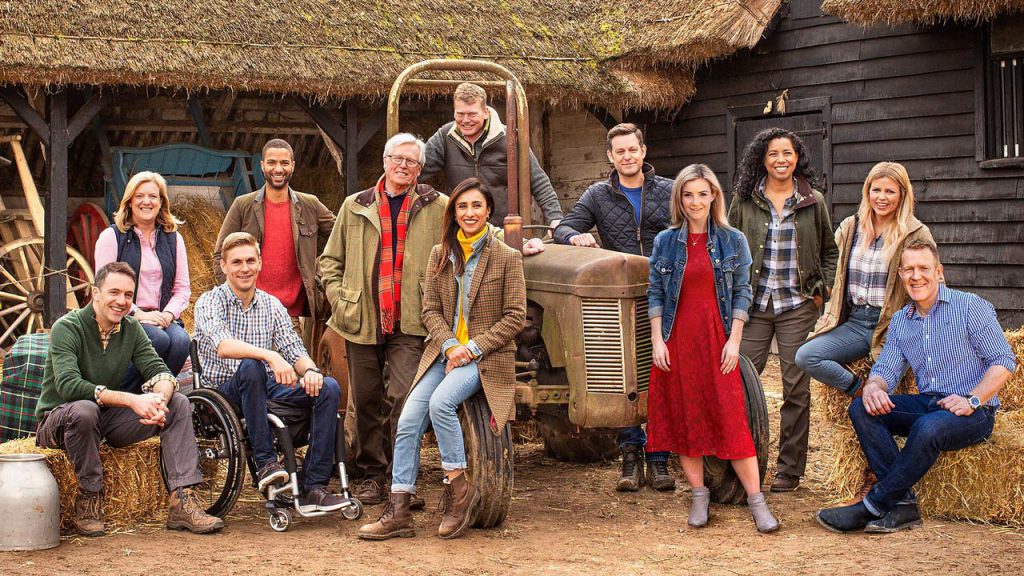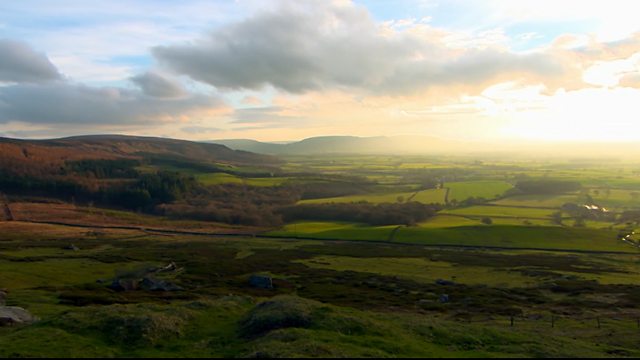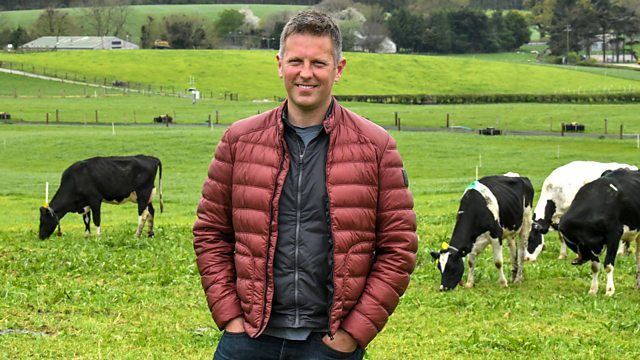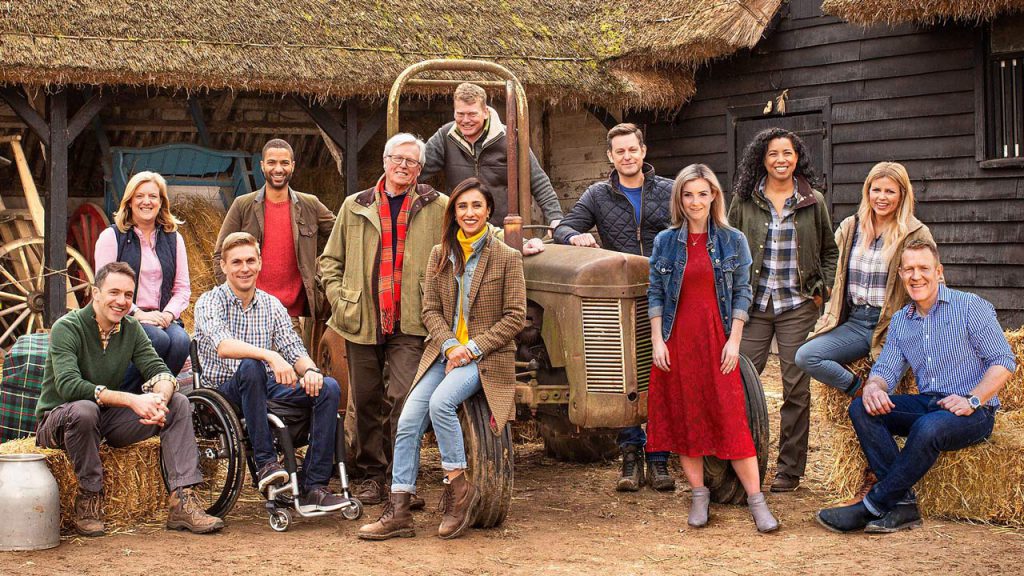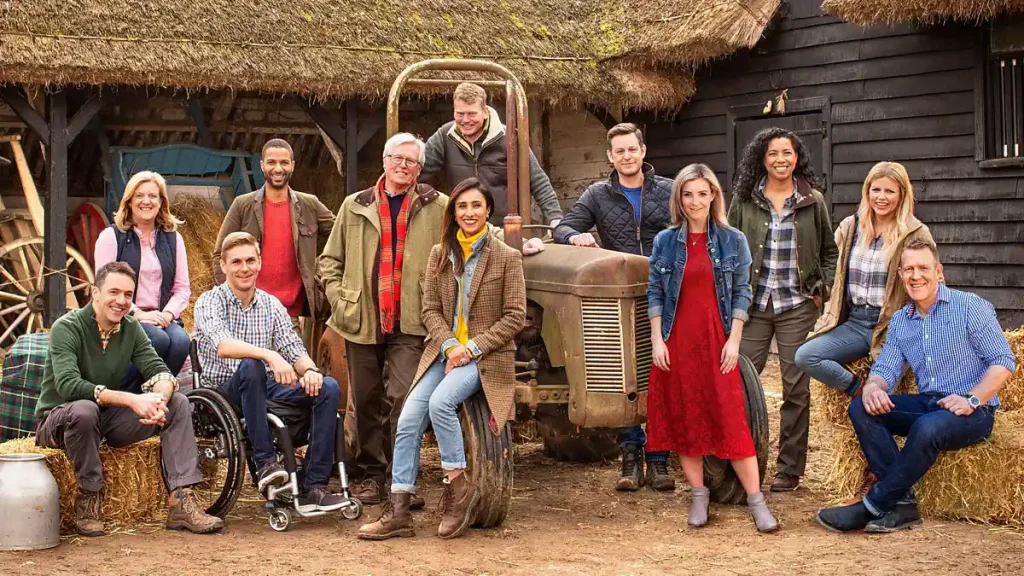
This week, Countryfile – Kent Riviera visits a truly special corner of Britain. We are in Kent, famously known as the “Garden of England.” Yet, this landscape holds a fascinating secret. It shares a deep, ancient bond with France. Charlotte Smith, Matt Baker, and Adam Henson are here. They will explore this remarkable connection.
The team is exploring the “Kent Riviera.” This affectionate nickname captures the area’s unique charm. It hints at a distinctly continental feeling. You can almost taste the salty air and feel the warm sun. This episode of Countryfile dives deep into that special relationship. It’s a bond forged by geology, time, and shared culture.
The connections run deeper than just a shared love of wine and cheese. They are written into the land itself. The white cliffs of Dover are a mirror. They reflect the chalk cliffs of northern France. These two coastlines are like two pieces of a jigsaw puzzle. They were separated by the sea but born from the same ancient sea bed.
Now, this profound link is set to be celebrated. A truly historic project is underway. The Kent Downs National Landscape is on the verge of making history. It is poised to join a unique partnership with France. This could become the world’s very first Unesco Cross-Channel Geopark.
What exactly does this mean for country life? A Geopark is a special area. It celebrates a region’s outstanding geology and cultural heritage. This specific project would be revolutionary. It officially recognizes that Kent and northern France are one landscape. It’s a powerful symbol of unity.
This groundbreaking initiative is a major focus for the team. It represents a new era of cross-channel cooperation. Protecting our shared natural world is more important than ever. This kind of forward-thinking conservation is a key theme. Viewers will see many similar stories in the Countryfile 2025 season.
Of course, the French connection isn’t just in the distant past. It is alive and thriving in the fields and farms of modern Kent. The presenters set out to find this living heritage. They discover Gallic influence is everywhere. It’s in the taste of the food, the methods of farming, and the very soul of the landscape.
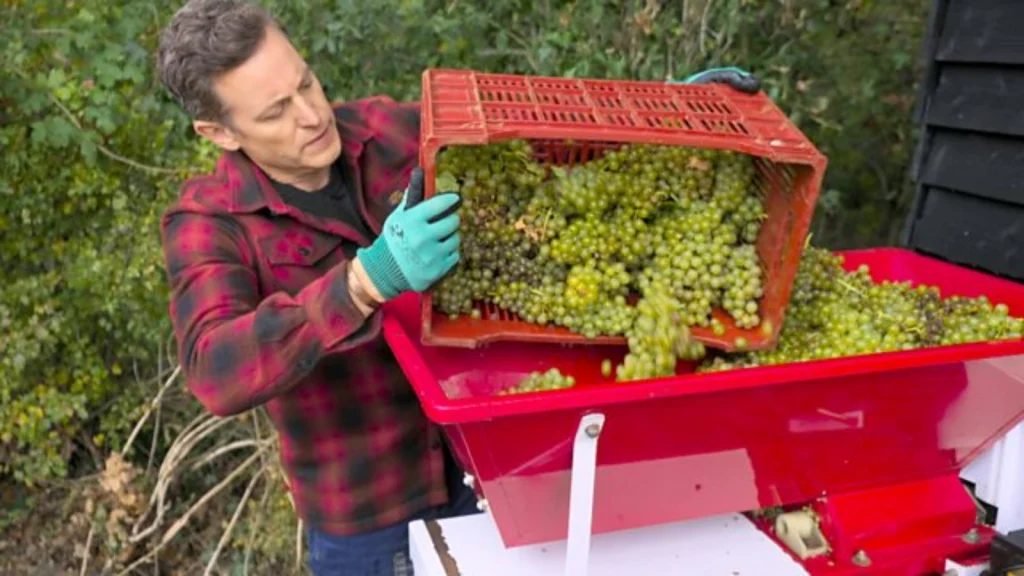
Matt Baker heads for the rolling hills of a Kentish vineyard. He arrives at a thrilling moment. The vintage harvest is in full swing. The air is buzzing with excitement. Matt discovers the soil here is almost identical to France’s famed Champagne region. This chalky earth is the secret to world-class wine.
Matt gets hands-on, helping the pickers. He learns about the race against time and weather. It’s hard work, but the reward is liquid gold. He discusses the terroir. This French term describes the unique “taste of a place.” English sparkling wine is now rivaling its French counterparts. This vineyard is a delicious testament to that success.
Meanwhile, Charlotte Smith explores a truly extraordinary wildlife reserve. This landscape is a powerful symbol of connection. It was created entirely from the spoil of the Channel Tunnel excavation. Millions of tons of chalk marl were dug from under the sea. This material has now formed a new, sprawling nature haven.
Countryfile – Kent Riviera
Charlotte walks on land that was literally once the seabed. This reserve is a triumph of modern engineering and wild nature. It is a literal bridge built from the earth that once separated two nations. Where there was once just excavation spoil, there is now a sanctuary. Rare orchids, butterflies, and birds have made it their home.
This special place is called Samphire Hoe. It’s a testament to resilience. It shows how country life can blossom in the most unexpected places. Charlotte discovers a landscape that is both new and ancient. It is a place of peace, forged from a monumental project. It perfectly embodies the episode’s theme.
Adam Henson, our resident farmer, is checking on the local agricultural life. He wants to see how French traditions influence Kentish farming today. He meets a local farmer who has made a distinctly French choice. His lush fields are home to magnificent Charolais cattle.
These impressive, creamy-white cows originate from the Charolles region of France. They are world-famous for their high-quality beef. Adam learns why this farmer chose this specific French breed. They thrive on the green pastures of Kent. They are a perfect fit for his farming system.
Adam’s segment highlights a long history of agricultural exchange. This is not a new trend. Farmers have shared knowledge, livestock, and seeds across the Channel for centuries. It is a practical relationship. It’s built on a shared understanding of the land. This is the bedrock of agricultural life.
The Gallic influence doesn’t stop at the farm gate. The episode also celebrates a mutual love of good food. Kent has always been famous for its apples, pears, and hops. But now, artisan cheese and wine are central to its identity. The team explores how local producers are using French techniques.
They are creating products that rival the best in the world. This new wave of artisans is transforming the foodie landscape. It’s a delicious blend of Kentish ingredients and Gallic flair. This part of the show is a true treat for any food lover. It shows the deep, flavorful connections between the two cultures.
This wonderful Countryfile episode reveals a deep truth. Kent and France are not just neighbors. They are family. They are linked by a shared history that predates any map or nation. The iconic white cliffs of Dover are not a barrier. They are a beautiful mirror, reflecting the coast of France.
This shared geology shapes the country life on both sides of the water. It dictates what can be grown. It influences the flavor of the wine. It shapes the landscape that people call home. It’s a powerful reminder that nature does not recognize our borders.
Join the team for this fascinating journey. It is a story of ancient rocks, modern farming, and enduring friendship. You will discover the “Kent Riviera” in a completely new light. Do not miss this inspiring and beautiful episode of Countryfile. It reveals a cross-channel connection that is set to grow even stronger.
Countryfile – Kent Riviera review
The special relationship between Kent and northern France is thoroughly explored in the episode Countryfile – Kent Riviera. Separated by a mere 21 miles of sea, these two regions share more than just proximity; they are bound by a common geological foundation, a similar climate, and a heritage that has shaped their landscapes and industries for millennia. This deep connection, forged in the crucible of geological time, has created a unique cross-channel identity that is now on the verge of receiving international recognition. The story of this bond is not just one of history but of a living, breathing landscape that continues to evolve.
The significance of this shared heritage has been brought into sharp focus by a remarkable new initiative. The Kent Downs National Landscape is collaborating with its French counterpart, the Parc Naturel Régional des Caps et Marais d’Opale, in a bid to become the world’s first-ever Unesco Cross-Channel Geopark. This ambitious project aims to celebrate the chalk and the Channel, telling the story of what lies beneath the feet of those who inhabit this corner of the world. Such recognition would not only elevate the region’s international standing but also foster a deeper appreciation for the unique country life that has developed on both sides of the water.
This exploration of the Countryfile – Kent Riviera reveals the multiple layers of this connection. It delves into the dramatic geological events that both joined and separated these lands, leaving behind an identical chalk bedrock. The article will examine how this shared geology has influenced everything from the local wildlife to the agricultural practices that define the region. Furthermore, it will highlight the conservation efforts underway to protect these rare habitats and the passionate individuals who are keeping the cross-channel traditions alive, from winemaking to livestock breeding.
The foundation of this entire story lies in the chalk, a unique and emblematic rock that forms the iconic White Cliffs of Dover and their French counterparts. This chalk is a relic of an ancient past, formed over 100 million years ago when the area was submerged beneath a warm, shallow sea. Trillions of microscopic plankton lived and died in these waters, their calcium-rich shell fragments sinking to the ocean floor. Over millions of years, these fragments accumulated and compressed, forming the vast chalk deposits that now characterize the region and its agricultural life, a central theme of any countryfile episode.
For most of its history, this chalk ridge was a continuous land bridge connecting what is now Britain to mainland Europe. One could have simply walked from Kent to France across this chalky spine. To the north, a vast glacial lake, where the North Sea now lies, was held back by this natural dam. This geographical reality persisted for millions of years, allowing flora and fauna to move freely across the landscape, establishing a shared biological inheritance that persists to this day and is a fascinating part of the Countryfile 2025 narrative.
The creation of the English Channel, the very feature that now defines the separation, was a geologically recent and cataclysmic event. Around half a million years ago, something caused the glacial lake to breach the chalk dam. Whether it was a piece of an ice shelf collapsing into the water or an earthquake, the result was a megaflood of unimaginable proportions. This event, one of only two confirmed megafloods on Earth, carved out the Strait of Dover in a geological blink of an eye, forever changing the course of history and creating the distinct yet connected landscapes we see today.
A Geological Bond Forged by Time and Tide
The narrative of Kent and northern France begins deep in the Cretaceous period, a time when dinosaurs roamed the Earth and the landscape was profoundly different. The region was covered by a vast sea, teeming with life. The most significant of these lifeforms, in terms of geological impact, were tiny plankton. The shells of these organisms, composed of calcium, formed the raw material for the chalk. The process was incredibly slow; it took approximately one hundred years to form a single millimetre of chalk. The towering white cliffs visible today are, therefore, a testament to 90 million years of history, an almost unimaginable library of time.
This chalk was not formed in isolation. The same process occurred across a wide area, creating a continuous block of chalk that stretched seamlessly from modern-day England to France. For millennia, this chalk formation acted as a single, unified landmass. This physical connection meant that the regions were not just geographically linked but were, in essence, part of the same continuous landscape. The hills and downs of Kent simply carried on, uninterrupted, into what is now the Pas-de-Calais region of France.
The dramatic separation occurred with the megaflood approximately 500,000 years ago. The immense power of the glacial lake bursting its chalk dam unleashed a torrent of water that scoured the landscape, carving the valley that would become the English Channel. This event was not a gentle erosion but a violent and rapid geological transformation. The sheer force of the water washed away the softer parts of the chalk ridge, leaving behind the stark, sheer cliffs that now face each other across the Strait of Dover. This shared story of creation and separation is the central pillar of the proposed cross-channel geopark.
Beneath the famous chalk lies another important geological feature: the Gault clay. This layer provides a different kind of window into the region’s ancient past. Formed in a period before the chalk, when sea conditions were different, the Gault clay is a treasure trove of exceptionally well-preserved fossils. Walking along the Kent coast, one can find tangible evidence of the marine animals that swam in these seas over 100 million years ago. The abundance of these fossils makes the area a site of international geological importance.
Among the treasures locked within the clay are the coiled shells of various ammonite species, the bullet-shaped remains of squid-like belemnites, and even coprolites, the fossilised dung of ancient creatures. These remnants provide invaluable clues about the prehistoric seascape and the organisms that inhabited it. According to outreach officer Louella Ward, who leads fossil-forging expeditions, this tangible connection to the past is a powerful educational tool. It allows people to literally hold history in their hands, fostering a deep and personal connection to their environment.
The significance of these fossil beds extends far beyond local interest. For centuries, geologists have studied the Gault clay and chalk layers of this coastline. The clarity and completeness of the geological record here have made it a critical reference point. In fact, these specific layers are used as a baseline—a touchstone—for mapping other geological strata throughout Britain and across the world. This international importance is a key reason why the area is considered a prime candidate for Unesco Geopark status, as it showcases a story of global geological significance.
The Vision of the Cross-Channel Geopark from Countryfile – Kent Riviera
A Unesco Geopark is more than just a protected area; it is an international recognition of a landscape’s outstanding geological heritage. As explained by Helene Dehouck of the French park service, the goal of a geopark is to tell a story, helping people understand what lies beneath their feet to better appreciate the landscape before their eyes. The proposal for the Countryfile – Kent Riviera to be part of the first cross-channel geopark is a unique ambition to tell a story that spans a natural barrier, reconnecting two landscapes through their shared geology.
The project, driven by the Kent Downs National Landscape team and their French counterparts, would unite the protected areas on both sides of the Channel. This collaboration highlights that the chalk downs, though separated by water, are part of a single, continuous geological feature. According to Kent Downs’ landscape manager, Greg Taylor, the megaflood that created the Strait of Dover provides the perfect, unifying narrative. It is a dramatic, internationally significant event that occurred right in the middle of the proposed park, physically and thematically linking the two sides.
Achieving this status is expected to bring significant benefits, particularly in the realm of sustainable tourism. Partners like Eurotunnel are keen to support the project, seeing its potential to attract visitors interested in the unique natural and cultural heritage of the area. Beyond tourism, the geopark designation fosters local pride and a sense of connection to the landscape. It validates what local communities have always known: that their home is a special place. The international recognition would simply affirm this on a global stage, celebrating the deep ties that bind Kent and France.
Cultivating a Continental Flavour in the Garden of England
The same chalk bedrock that defines the coastline also enriches the soil, creating ideal conditions for agriculture, particularly viticulture. The geological and climatic similarities between Kent and France’s Champagne region have not gone unnoticed. For centuries, winemakers have recognized the potential beneath their feet, and today, Kent is one of the United Kingdom’s leading wine producers. This connection is so strong that major French wineries are now purchasing land in Kent, planting their own varieties in soil that feels remarkably familiar.
However, the life of a winemaker is not without its challenges. The unpredictable British weather can be a formidable adversary. The wet summer of 2024, for instance, saw entire harvests threatened by mould and mildew. For newcomers like Nigel Fosbraey of Harbourne Vineyard, it can be a steep and sometimes heartbreaking learning curve. He and his partner Jude transitioned from engineering to viticulture, driven by a love for the land and a desire to create something beautiful from it. Their experience epitomizes the passion and resilience required in this industry.
The winemaking process itself is a blend of nature and craft. It begins with the harvest, when the grapes are full of sugar. They are then destemmed and pressed to extract the initial juice, known as wine must. This sweet, fresh liquid is the raw potential of the wine. Yeast is then added, beginning the magical process of fermentation, where the yeast consumes the sugars and converts them into alcohol. After a period of maturing, the liquid is filtered and bottled, transforming the humble grape into a magnificent wine that reflects the unique character of the Kentish landscape.
French Livestock Shaping British Agricultural Life
The French connection extends beyond the soil and into the pastures, profoundly influencing British agricultural life. One of the most significant imports has been the Charolais cattle, a breed hailing from eastern France. Introduced in the late 1950s, these animals were one of the first continental breeds to arrive in Britain. Their size and rapid growth rate revolutionized the British beef industry, outclassing many traditional native breeds. While they can be more expensive to keep, the premium they fetch at market makes them a profitable choice for farmers.
The Vexour and Beddlestead Estate in Kent showcases the pinnacle of Charolais breeding. The farm gained international fame with a record-breaking bull named Garth, who sold at auction for a staggering £105,000. His superior genetics were in such high demand that his frozen semen was sold to improve herds across the globe, from Argentina to South Africa, and even back to the breed’s homeland in France. This demonstrates how British farmers have not only adopted but also perfected the breeding of this French icon, exporting its improved genetics back across the Channel.
The estate’s commitment to French breeds is also evident in its flock of sheep. They have chosen the Charollais, a breed developed in the early 1800s by crossing local French ewes with English Leicester rams. This combination produced a sheep with the hardiness and strong maternal instincts of its French ancestry and the fast growth and well-muscled frame of the Leicester. Today, Charollais rams are highly valued by commercial farmers for their ability to produce consistent, lean, and tasty lamb, further cementing the enduring impact of French genetics on British farming.
A Man-Made Haven for Cross-Channel Wildlife
One of the most remarkable stories of transformation and cross-channel connection is Samphire Hoe. This unique nature reserve, nestled at the foot of the White Cliffs, was created entirely from the spoil excavated during the construction of the Channel Tunnel. Nearly five million cubic metres of chalk marl were used to reclaim 30 hectares from the sea. When Ranger Paul Holt first arrived in 1998, the site was a barren moonscape. Today, it is a thriving and biodiverse habitat, demonstrating nature’s incredible power of recovery.
The transformation was carefully planned. The bare chalk was sown with a mix of 31 different types of seeds, combined with symbiotic fungi and bacteria to help establish plant life. From this initial seeding, over 220 species of plants have now been recorded on the site. This lush vegetation has, in turn, attracted a rich variety of wildlife. The reserve is now one of the best sites in the UK for the rare early spider orchid, and over 200 species of birds, including peregrine falcons and stonechats, have been recorded here.
This new habitat mirrors its French counterpart, a similar site named Fond Pignon created from the tunnel spoil on the other side of the Channel. On a clear day, the two sites are visible to each other, and they share similar species, including the early spider orchid. This biological link is constantly reinforced by nature itself. Migrating birds, such as blackbirds and song thrushes, fly between the two reserves, carrying seeds with them. This process aids in the dispersal of native plants but also introduces invasive species like sea buckthorn, which must be carefully managed to protect the delicate native wildflowers.
Conserving the Rare Chalk Grasslands of the Countryfile – Kent Riviera
Beyond the man-made reserve of Samphire Hoe, Kent is also home to globally significant natural habitats, including 5% of the world’s chalk grasslands. These environments, such as the High Meadow nature reserve near Dover, are rarer than tropical rainforests. Their unique character stems from the thin, nutrient-poor soil overlying the chalk bedrock. This lack of nutrients prevents aggressive, fast-growing plants from dominating, allowing a huge diversity of slower-growing wildflowers to thrive. In a small patch of this grassland, one can find dozens of different plant species.
The conservation of this fragile ecosystem is a delicate balancing act. If left unmanaged, the grasslands would quickly be overrun by scrub and eventually turn into woodland, losing their unique biodiversity. To prevent this, conservationists use a technique that mimics the grazing patterns of ancient wild herbivores. At High Meadow, this vital work is carried out by a small herd of hardy Exmoor ponies. These “ecosystem engineers” graze the land for six months of the year, munching away the coarse grasses and scrub that would otherwise choke out the delicate wildflowers.
This management is crucial, especially given that the UK has lost approximately 97% of its wildflower meadows in the last 90 years. The work of rangers like Miranda Jackson and her team of Exmoor ponies helps to protect this precious remnant. Their efforts ensure that the nutrient-poor soil is maintained, promoting the high levels of biodiversity for which chalk grasslands are famous. The ponies are a living part of the landscape, their grazing not only preserving the habitat but also adding to the rich tapestry of this unique environment.
A Living Testament to Nature’s Refusal to Draw Borders
Standing at the edge of the White Cliffs of Dover, gazing across the shimmering expanse of the Channel toward France, it becomes impossible to see this narrow strip of water as a true divide. The Countryfile – Kent Riviera episode reveals what geologists and farmers have long understood: the chalk beneath our feet doesn’t recognize the boundary we’ve drawn on our maps. This ancient rock remembers a time before the megaflood, when one could walk from Kent to France without getting their boots wet, when these two landscapes breathed as one.
The proposed Unesco Cross-Channel Geopark isn’t merely an administrative designation or a tourism marketing scheme—it’s an acknowledgment of geological truth. For 90 million years, microscopic plankton built these twin coastlines grain by grain, creating a foundation that would shape everything from the flavor of wine to the resilience of wildflowers. The megaflood that tore this landscape apart half a million years ago may have created the Channel, but it couldn’t erase the fundamental kinship written into the bedrock. Today’s vintners cultivating Kentish vineyards on soil identical to Champagne’s, farmers raising magnificent Charolais cattle on English pastures, and conservationists protecting chalk grasslands rarer than rainforests—all are continuing a story that predates human history itself.
Perhaps nowhere is this cross-channel connection more poignantly visible than at Samphire Hoe, where spoil from the Channel Tunnel has been transformed into a thriving nature reserve. Here, the very earth that was excavated to finally link Britain and France physically has created new habitat where early spider orchids bloom and migrating birds rest on their journey between the two coasts. It’s a perfect metaphor: what we dig up to connect ourselves can become the foundation for new life, new connections, new understanding of our shared inheritance.
The conservation challenges facing this landscape—from managing invasive species at Samphire Hoe to preventing the loss of the remaining 3% of Britain’s wildflower meadows—remind us that natural heritage requires active stewardship. The Exmoor ponies grazing at High Meadow, the rangers monitoring fossil-rich Gault clay exposures, the winemakers learning to work with unpredictable British weather—these are the guardians of country life in its most authentic form. Their work preserves not just individual species or geological features, but the very character of a place where French and English traditions have mingled for millennia.
For viewers of Countryfile 2025 and anyone who calls Kent or northern France home, this episode offers an invitation: look beyond the political boundaries to see the deeper patterns that connect us. The next time you taste English sparkling wine, spot a Charolais cow in a Kentish field, or walk along the white cliffs, remember that you’re experiencing a landscape shaped by forces that dwarf human history. The proposed geopark, if approved, will celebrate this truth formally. But the connection exists regardless—in every chalky footpath, every fossil-strewn beach, every shared species of wildflower that grows on both sides of the water.
Nature, it seems, has always known what we’re only now beginning to formally recognize: Kent and France are family, bound by chalk and time, separated only by a channel that couldn’t wash away 100 million years of shared story.
FAQ Countryfile – Kent Riviera
Q: What makes the Kent Riviera episode of Countryfile historically significant?
A: This episode explores the groundbreaking initiative to establish the world’s first Unesco Cross-Channel Geopark, uniting Kent Downs National Landscape with France’s Parc Naturel Régional des Caps et Marais d’Opale. Moreover, it reveals how Kent and northern France share identical chalk bedrock formed over 100 million years ago, creating a unified geological landscape separated only by the relatively recent English Channel. The episode celebrates this profound connection through agriculture, wildlife conservation, and cultural heritage.
Q: How was the English Channel actually formed?
A: Approximately 500,000 years ago, a catastrophic megaflood carved out the English Channel in what geologists consider one of only two confirmed megafloods on Earth. A massive glacial lake, where the North Sea now exists, breached the continuous chalk ridge connecting Britain to France. Consequently, the torrential waters scoured the landscape with unimaginable force, washing away softer chalk sections and leaving behind the dramatic white cliffs facing each other across the Strait of Dover. Before this event, one could simply walk from Kent to France.
Q: Why is Kent’s soil ideal for producing world-class wine?
A: Kent’s chalky soil is virtually identical to France’s renowned Champagne region, sharing the same geological foundation formed from ancient sea-bed deposits. This chalk-rich terroir provides excellent drainage and mineral content that grapevines require for producing premium wine. Furthermore, the similar climate and continental influence create perfect conditions for viticulture. Today, Kent stands as one of the UK’s leading wine producers, with English sparkling wine successfully rivaling French counterparts. Major French wineries are even purchasing Kentish land to cultivate their varieties.
Q: What is Samphire Hoe and how did it become a nature reserve?
A: Samphire Hoe is a unique 30-hectare nature reserve created entirely from nearly five million cubic metres of chalk marl excavated during Channel Tunnel construction. Initially a barren moonscape when established in 1998, the site was carefully seeded with 31 plant species combined with symbiotic fungi and bacteria. Remarkably, over 220 plant species now thrive there, attracting more than 200 bird species including peregrine falcons. The reserve mirrors its French counterpart, Fond Pignon, with migrating birds naturally dispersing seeds between both sites.
Q: Why are chalk grasslands in Kent so rare and important?
A: Kent hosts approximately 5% of the world’s chalk grasslands, making these habitats rarer than tropical rainforests globally. Their uniqueness stems from thin, nutrient-poor soil overlying chalk bedrock, which prevents aggressive plants from dominating. Instead, dozens of slower-growing wildflower species flourish in small patches, creating exceptional biodiversity. Tragically, the UK has lost roughly 97% of its wildflower meadows over the past 90 years. Therefore, conserving these fragile ecosystems through careful management, such as grazing by Exmoor ponies, is critically important for preserving global biodiversity.
Q: How have French cattle breeds transformed British farming?
A: Charolais cattle, introduced from eastern France in the late 1950s, revolutionized British beef production through their superior size and rapid growth rates. These creamy-white cows outclassed many traditional native breeds, commanding premium market prices despite higher keeping costs. Notably, the Vexour and Beddlestead Estate produced Garth, a record-breaking bull sold for £105,000, whose genetics were exported worldwide including back to France. Additionally, Charollais sheep, developed by crossing French ewes with English Leicester rams, produce consistently lean, tasty lamb highly valued by commercial farmers.
Q: What fossils can be found along the Kent coast?
A: The Gault clay layer beneath Kent’s chalk contains exceptionally well-preserved fossils dating back over 100 million years. Beachcombers regularly discover coiled ammonite shells, bullet-shaped belemnite remains from squid-like creatures, and even coprolites—fossilised ancient dung. According to outreach officer Louella Ward, finding these tangible prehistoric remnants creates powerful educational moments. Indeed, these fossil beds serve as an international geological reference point, with these specific strata used as baselines for mapping geological layers throughout Britain and worldwide, strengthening the case for Unesco Geopark status.
Q: What challenges do Kent winemakers face?
A: Despite ideal chalky soil, unpredictable British weather presents formidable obstacles for viticulture in Kent. The wet summer of 2024 exemplifies these challenges, with entire harvests threatened by mould and mildew. Newcomers like Nigel Fosbraey of Harbourne Vineyard experience steep learning curves transitioning from other careers into winemaking. Nevertheless, the race against time and weather during harvest season produces liquid gold when successful. The fermentation process transforms sugar-rich grapes into alcohol through yeast, ultimately creating wines reflecting the distinctive Kentish terroir through careful maturation and bottling.
Q: How do Exmoor ponies help conserve chalk grasslands?
A: These hardy ponies serve as “ecosystem engineers” at reserves like High Meadow, grazing for six months annually to prevent scrub overgrowth that would choke delicate wildflowers. Their grazing patterns deliberately mimic ancient wild herbivores, maintaining the nutrient-poor soil conditions essential for biodiversity. Without this careful management, chalk grasslands would quickly transform into woodland, losing their unique character entirely. Rangers like Miranda Jackson rely on these ponies to preserve habitats where dozens of plant species coexist. This natural conservation technique protects ecosystems that took millennia to develop.
Q: What benefits would Unesco Cross-Channel Geopark status bring?
A: Achieving this unprecedented designation would elevate international recognition of the region’s outstanding geological heritage shared across borders. The status would boost sustainable tourism significantly, with partners like Eurotunnel supporting visitor initiatives focused on natural and cultural heritage. Beyond economic benefits, geopark designation fosters deep local pride and connection to landscape, validating what communities have always known about their special home. Furthermore, it would celebrate the dramatic megaflood narrative linking both sides of the Channel, creating a powerful symbol of cross-border unity and forward-thinking environmental conservation for future generations.