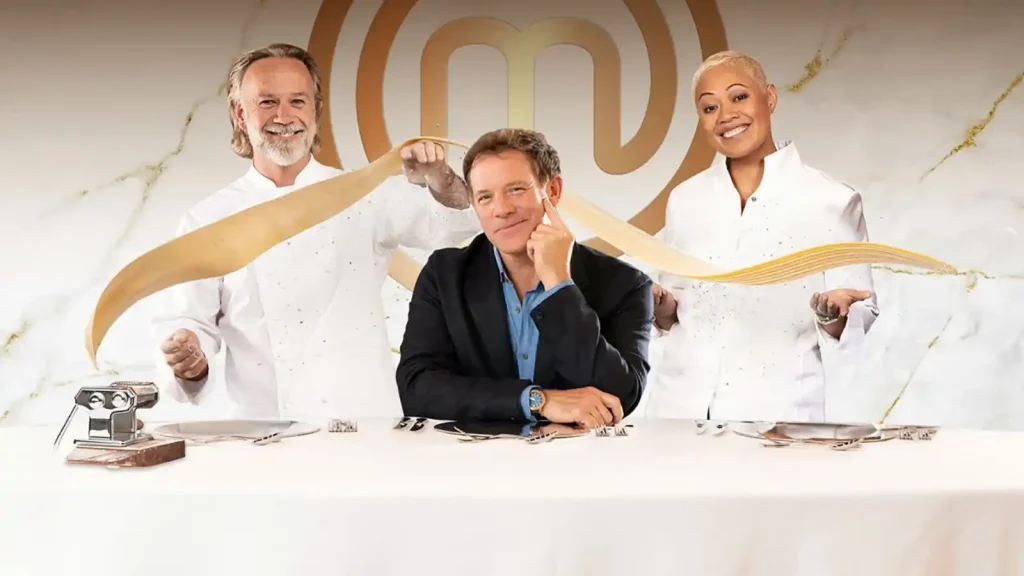
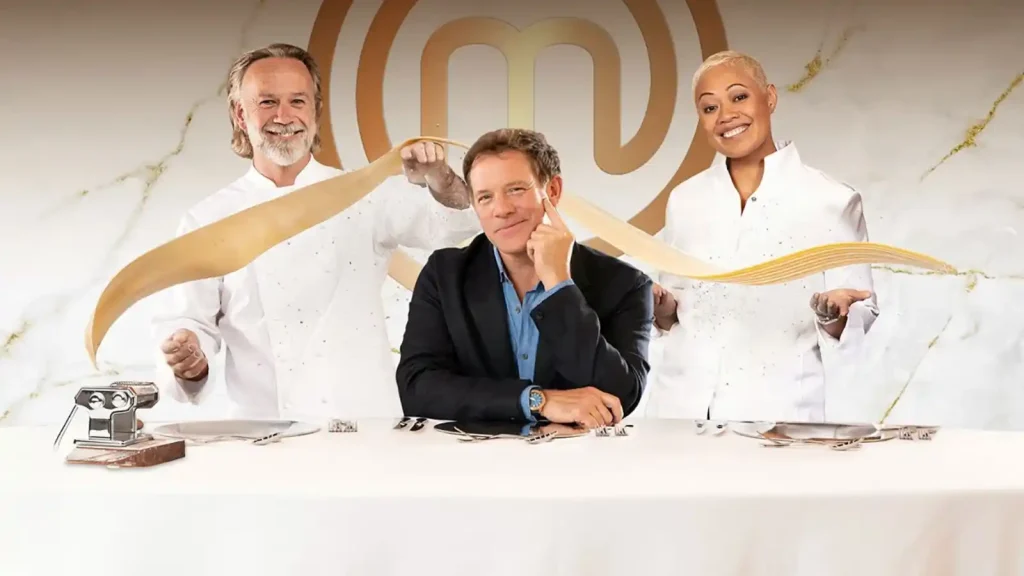
MasterChef The Professionals 2026 episode 1 launched a brand-new series with four ambitious chefs stepping into a freshly built kitchen in Birmingham, each one determined to prove they belong among the country’s finest culinary talents. With a revamped judging panel, a former champion setting the skills tests, and just two quarter-final places on offer, the opening heat delivered exactly the kind of high-stakes cooking that has made this culinary competition essential television.
The significance of this series opener extended beyond the dishes themselves. For the first time, Matt Tebbutt joined the panel alongside returning judges Monica Galetti and Marcus Wareing. Matt brought a distinctly empathetic approach, describing himself as the potential nice guy of the outfit while acknowledging the immense pressure professional chefs endure under competition conditions. His arrival signalled a shift in tone for the cooking show, combining compassion with the rigorous standards audiences expect.
MasterChef The Professionals 2026 episode 1 also introduced a groundbreaking format twist for the skills test. Rather than having the resident judges design the challenge, the production invited former winners and finalists to create the briefs. This decision transformed the skills test into a living connection between past and present competitors, adding layers of mentorship and shared experience that elevated the entire opening round.
Thirty-two up-and-coming chefs from across the UK will ultimately battle through the series, but only four faced the cameras in this first heat. The competitors ranged from a Spanish-born head chef who cooks everything over open fire to a New Zealander drawing on indigenous Maori cooking traditions. Their backgrounds spanned continents, their styles stretched from classical French technique to Bangladeshi home cooking, and their personal motivations revealed everything from impostor syndrome to childhood memories of food as celebration.
Setting the skills test for MasterChef The Professionals 2026 episode 1 was 2016 champion Gary Maclean, now the National Chef of Scotland and Executive Chef at the City of Glasgow College. Gary designed two distinct challenges rooted in his Scottish heritage and his passion for teaching. His return to the kitchen where he once competed added an emotional dimension to the proceedings, reminding everyone present that this reality TV platform can genuinely transform careers.
The structure of the episode followed a clear arc. First came the skills tests, where each chef had just twenty minutes to execute Gary’s recipes under the watchful eyes of the judges and the champion himself. Then all four chefs returned for the signature dish round, a gruelling eighty-minute cook that demanded they reveal their true identities as food creators. Every slice, every sauce, every moment of plating carried weight.
Pressure manifested differently across the four competitors. Some channelled nervous energy into rapid, confident movement around their stations. Others froze at critical moments, forgetting fundamental techniques they had practised for years. The gap between a chef’s daily confidence and their performance under competition lighting proved wider than anyone anticipated.
What followed across the episode’s two rounds was a masterclass in how professional cooking tests far more than technical ability. It examines composure, adaptability, creativity, and the deeply personal relationship every chef holds with the food they prepare. The results surprised the judges and, in several cases, the chefs themselves.
MasterChef The Professionals 2026 episode 1
Gary Maclean Returns to the MasterChef Kitchen as Skills Test Architect
Gary Maclean’s journey from college lecturer to MasterChef champion to National Chef of Scotland provided the ideal backdrop for his role as skills test designer. Nine years after winning the competition, Gary walked back into the kitchen with the easy confidence of someone who had built an extraordinary career on the foundation this show provided. He opened a seafood restaurant in Edinburgh four years ago, followed by a deli, while continuing to teach at the City of Glasgow College.
His first skills test asked chefs to butcher and cook a saddle of roe deer, served with a chasseur sauce and a tarragon and parsley gremolata. The dish reflected Gary’s Scottish roots. Roe deer, he explained, is everywhere where he lives, and he described it as really healthy, really lean, and high in protein. The chasseur sauce carried its own heritage as a classic French hunter’s sauce, traditionally made with mushrooms, bacon, baby onions, tomato, and tarragon.
Gary demonstrated the dish with precision, emphasising that the core skill lay in the butchery. A small ridge along the spine of the saddle can cause significant meat loss if a chef fails to navigate around it carefully. He also stressed the importance of removing all sinew, warning that any left behind would tighten in the pan and make the meat tough. Monica Galetti reinforced this point, noting that less wastage was what the judges wanted to see.
His second skills test pivoted to a completely different flavour profile. A king oyster mushroom katsu curry with a radish apple slaw challenged the remaining two chefs with breadcrumbing technique, sauce balance, and knife skills. Gary chose king oyster mushrooms because they deliver the same meaty texture as traditional pork or chicken katsu. Marcus Wareing described the classical breadcrumbing combination of flour, egg wash, and breadcrumbs as the only way of doing it, reinforcing the non-negotiable standards of this food competition.
Mario Faces the Roe Deer Challenge with Instinct and Fire
Thirty-eight-year-old Mario, originally from Seville, brought an unusual professional background to the MasterChef kitchen. Before becoming a chef, he sold televisions and built kitchens in houses. After moving to London in 2014, he worked across restaurants, pubs, and concert catering before finding his calling at an open-air woodland restaurant where everything is cooked over fire. His decision to enter the competition stemmed from a persistent feeling of impostor syndrome, having never attended cooking school.
When presented with the roe deer challenge, Mario revealed he did not recognise the term chasseur sauce. Monica quickly clarified it as a French hunter’s sauce and encouraged him to study the ingredients laid out before him. Gary, watching from the back room, expressed surprise at this gap in knowledge. Despite the unfamiliarity, Mario attacked the task with visible energy, describing himself as an instinctive cook who learned without recipes.
His butchery drew mixed reviews. He removed the sinew before boning the loin, an unconventional approach that caused too much meat to come away with the sinew on the first side. The second side went better. His chasseur sauce had lovely caramelised flavour but lacked the essential jus component. His gremolata contained too much garlic and missed the lemon entirely. Marcus praised his confident, professional movement, while Monica noted he needed to slow down. Gary, having stood in those same shoes, offered encouragement, acknowledging that Mario had performed well under pressure despite the unfamiliar recipe.
Terry’s Nerves Undermine Solid Butchery Skills in MasterChef The Professionals 2026 Episode 1
Terry, a thirty-nine-year-old head chef at a gastro pub near York, arrived with twenty years of professional experience and a deep passion for local, seasonal ingredients. He had stripped a whole deer before and owned over two thousand cookbooks. His confidence about the butchery was well-placed. He removed the fillets cleanly, demonstrating clearly that he knew what he was doing. Gary confirmed from the viewing room that Terry had good skills and had obviously done this work before.
However, midway through the cook, Terry’s composure crumbled. He stopped developing layers of flavour in his chasseur sauce, instead bunging everything in without the careful staging that Gary had demonstrated. The judges noticed him going blank at one point, throwing whole cherry tomatoes on top of the sauce without halving them, which meant they would receive no heat or cooking. His gremolata suffered from an excessive amount of lemon juice that overwhelmed the herbs entirely.
Marcus observed that the gremolata just tasted of lemon and that all that lemon juice was running into the sauce. Monica acknowledged that the skill was there but that it was missing finesse. Terry himself admitted feeling beaten up by the experience. Marcus expressed hope that the skills test might have purged the nerves, allowing a different chef to emerge in the signature round. Terry left the station determined to pull something out of the bag in the next test.
Emma and Ismail Tackle Gary’s King Oyster Mushroom Katsu Curry
Forty-year-old New Zealander Emma had been a chef for twenty-three years and ran the kitchen at a hotel restaurant in Edinburgh. She described her food style as a blend of Asian, French, and European cooking accumulated throughout her career. Despite never having made a katsu curry before, she approached the challenge with striking calm, stating she would let her natural instincts guide her.
Emma’s performance impressed across multiple dimensions. She set up her panne station correctly with flour, egg, and breadcrumbs, adding spice to the flour for extra flavour. Her mushrooms emerged golden and crispy. When told she had just three minutes to complete the slaw, she produced evenly cut daikon and apple with impressive knife speed. Marcus called her cutting skills and speed fabulous. Monica praised the creamy coconut milk in her sauce. The only significant criticism was that she had sieved out too much of the sauce ingredients, losing valuable texture.
Ismail, the final chef to attempt the katsu curry, had moved to the UK sixteen years earlier from Rajshahi, Bangladesh. Now a head chef at a London gastro pub, he brought deep familiarity with Bangladeshi and Indian curry traditions but limited experience with Japanese katsu. He chose to make the sauce in a completely different style, blitzing a paste of onion, garlic, ginger, and chilli before cooking it down. Gary noted that Ismail left the carrot on the bench, meaning the sauce would miss the essential sweetness. An over-salting incident forced a quick correction with honey. His plating drew criticism from Marcus, who noted the sauce had been dumped on the plate rather than served in the provided jug.
Signature Dishes Reveal the True Character of Each Chef
The signature dish round gave all four chefs eighty minutes to cook food that represented their identity. Marcus Wareing framed the brief clearly: a signature dish tells us all about you as a chef, your style, your flavour, your cuisine. Two chefs would advance to the quarter-finals, and two would leave the competition.
Terry chose hay-smoked lamb noisette with wild garlic and ewe’s curd, drawing on his love of foraging. His grandfather had taken him foraging through woods in North Wales as a child, and that connection to the land ran through every element. He spiralised potatoes, layered them with wild garlic, rolled them into roulades, and cooked them in lamb kidney fat. His wild garlic appeared in the puree, the jus, and the potatoes. Matt Tebbutt noted that Terry looked much cooler and calmer than during the skills test.
The judges loved his ideas, particularly the potato roulade and the garlic puree, but found his sauce far too reduced and overpowering. The hay smoking, applied for only a few minutes, failed to impart any detectable smoke flavour. The fat on the lamb also needed further rendering.
Mario delivered steamed turbot with a mussel and turbot croquette, morel mushrooms, asparagus, and a nori tuile, all brought together by a garlic and mussel veloute split with parsley oil. The dish reflected his Spanish roots, recalling family holidays eating turbot cooked on the beach. His fishmongery was beautiful, with the fillets rolled into delicate paupiettes and skewered before steaming. Marcus praised the croquette as well-made, crunchy, and full of great flavour.
Matt loved the veloute’s punch of mussels and garlic. The nori tuile earned its place on the plate with its complementary fishy taste. However, Monica warned about bones left in the fillet from working too quickly, and the planned stuffed morels had to be abandoned when the mousse failed to emulsify.
Emma’s New Zealand Hangi Brings Cultural Heritage to MasterChef The Professionals 2026 Episode 1
Emma’s signature dish drew directly from a traditional New Zealand cooking method called a hangi. She described the process vividly: digging a hole in the back yard, filling it with volcanic rock and stone, placing a whole side of lamb in with root vegetables, covering the pit with earth, and then digging it all up in the afternoon. The hangi represents celebration in New Zealand, and Emma carried that emotional connection into every component of her dish.
Her adaptation featured saddle of lamb smoked under a cloche, lamb tartare and sheep’s curd in a crispy brick pastry cigar, kumara sweet potato puree, charred Roscoff onion, and a lamb sauce enriched with cumin, cardamom, fennel seed, and pinot noir. Matt declared it his first hangi experience and expressed genuine excitement. The judges found each individual element enjoyable. Monica particularly liked the sauce for its strong but balanced spice profile. Marcus praised the Roscoff onion and sweet potato puree but wanted more emphasis on the lamb tartare, noting the black garlic and honey dressing was delicious but overshadowed the raw meat. The smokiness, which should have defined the dish, did not penetrate the food deeply enough.
Despite the mixed feedback, Emma’s ambition and range of technique demonstrated a chef willing to take creative risks. Her calm demeanour under pressure, consistent from the skills test through to the signature round, marked her as someone with significant potential. She left the judging with mixed emotions, acknowledging there were valid criticisms alongside the praise.
Ismail’s Beef Bhuna Transforms the Judging in MasterChef The Professionals 2026 Episode 1
Ismail’s signature dish stood as the most emotionally resonant moment of the entire episode. He cooked a beef short rib bhuna, a dish rooted in his childhood in Bangladesh. Growing up, his family could not afford beef every week. Whenever his mother prepared this bhuna, Ismail would come home from school, open the door, and feel the aroma fill the house. That sensory memory drove every decision he made during the cook.
The technical execution matched the emotional ambition. Ismail used a pressure cooker to tenderise the short rib within the eighty-minute window, a process that normally takes two and a half to three hours. In a move Marcus called absolute genius, he placed his potato fondants inside the pressure cooker alongside the beef to absorb the rich, spiced cooking liquid. His cumin and mustard seed rice transported Marcus back to his own childhood memories of butter melting through hot rice.
All three judges delivered overwhelmingly positive feedback. Marcus described the spice crust wrapped around the braised short rib as beautiful and falling apart. Matt praised the well-balanced spicing, noting lingering heat that was neither too much nor too little. His only criticism was wanting more of the burnt lime and coriander yoghurt, calling it delicious and demanding a larger portion.
Monica highlighted the freshness of the cucumber and pickled onion salad and the lovely heat of the mustard oil. When Marcus asked if the dish was as good as his mother’s, Ismail replied with quiet pride that his mum does it better. Marcus responded that if her version surpassed what he had just tasted, he would love to try it.
The Judges Deliberate and Two Chefs Advance to the Quarter-Finals
The deliberation revealed a clear consensus on one chef and a difficult choice between the remaining three. Matt opened by calling the episode a great start to the competition. All three judges agreed that Ismail was the standout performer. His beef bhuna had impressed universally, and Monica noted how he cooks with such heart, adding that this quality really shone through. Marcus stated simply that Ismail had absolutely nailed it. The judges confirmed unanimously that he deserved to go through.
The second quarter-final spot provoked more careful analysis. Terry had recovered well from a shaky skills test, and his foraging-inspired lamb dish contained genuinely creative ideas. However, the over-reduced sauce, insufficient smoke flavour, and under-rendered fat counted against him. Emma displayed consistent composure and skill throughout both rounds, but the lack of smokiness in her hangi-inspired dish and the under-rendered lamb fat represented significant shortcomings. Mario’s steamed turbot showcased beautiful fishmongery, a delicious veloute, and a well-executed croquette, though the bones in the fillet and the abandoned morel stuffing raised concerns about attention to detail.
After weighing each chef’s full body of work across both rounds, the judges announced their decision. Ismail advanced first, to visible emotion from the Bangladeshi-born chef who described the moment as a dream that became true. Mario claimed the second and final quarter-final place. The judges reminded him to slow down, think twice, and breathe. Terry and Emma departed the competition with grace. Terry acknowledged disappointment but felt he could walk away with his head held high. Emma reflected that the pressure had exceeded her expectations but expressed contentment with her efforts.
Lessons from the Opening Heat of This Landmark Culinary Competition
The first episode of MasterChef The Professionals 2026 established several themes likely to define the entire series. The introduction of former champions as skills test designers created a powerful bridge between generations of competitors. Gary Maclean’s presence reminded every chef in the room that this cooking show offers genuine life-changing potential, provided they can withstand the heat.
Matt Tebbutt’s debut as a judge added warmth without sacrificing rigour. His observations balanced technical critique with genuine appreciation for the personal stories behind each dish. Alongside Monica Galetti’s exacting standards and Marcus Wareing’s deep culinary knowledge, the three-person panel brought complementary perspectives that enriched the feedback process for every competitor.
Perhaps the most powerful lesson came from Ismail’s dramatic turnaround. His skills test performance had been underwhelming, with a curry sauce that missed the katsu brief entirely and plating that drew blunt criticism. Yet when cooking his own food, a dish soaked in personal meaning and cultural pride, he delivered the single most acclaimed plate of the day. His story demonstrated that this reality TV competition rewards authenticity and emotional connection as much as technical precision. The chefs who advance deepest into the series will likely be those who, like Ismail, find the courage to cook from the heart even when the pressure threatens to overwhelm them.
With thirty-two chefs entering across the series and only one eventual champion, MasterChef The Professionals 2026 episode 1 set the bar high. The food was ambitious, the personal stories were compelling, and the judging struck a balance between encouragement and honest assessment. Four new hopefuls will face the cameras in the next heat, bringing fresh stories, fresh flavours, and fresh ambitions to a competition that continues to raise its standards year after year.
FAQ MasterChef The Professionals 2026 episode 1
Q: What happens in MasterChef The Professionals 2026 episode 1?
A: The first heat of the new series welcomes four professional chefs into the Birmingham kitchen. They face two demanding rounds: a skills test designed by 2016 champion Gary Maclean and a signature dish cook lasting eighty minutes. Judges Monica Galetti, Marcus Wareing, and new addition Matt Tebbutt assess every plate. Ultimately, only Ismail and Mario advance to the quarter-finals, while Terry and Emma leave the competition.
Q: Who are the judges on MasterChef The Professionals 2026?
A: The judging panel features three accomplished culinary figures. Marcus Wareing returns as a culinary legend with decades of fine dining experience. Monica Galetti also returns, bringing her renowned expertise and exacting standards. Additionally, Matt Tebbutt joins as the new judge, describing himself as potentially the nice guy of the outfit while still maintaining rigorous expectations for every dish.
Q: Who sets the skills test in MasterChef The Professionals 2026 episode 1?
A: Former champion Gary Maclean designs both skills tests for the opening heat. Gary won MasterChef The Professionals in 2016 and has since become the National Chef of Scotland. Furthermore, he serves as Executive Chef at the City of Glasgow College. His return introduces a new format where previous winners and finalists create the challenges for competing chefs.
Q: What are the two skills test dishes in MasterChef The Professionals 2026 episode 1?
A: Gary sets two distinct challenges. The first requires chefs to butcher a saddle of roe deer, prepare a chasseur sauce, and make a tarragon and parsley gremolata. Meanwhile, the second test asks chefs to cook a king oyster mushroom katsu curry with a radish apple slaw. Both tests must be completed within twenty minutes.
Q: Which four chefs compete in the first heat of MasterChef The Professionals 2026?
A: The opening heat features Mario, a 38-year-old head chef from Seville who specialises in fire cooking. Terry, 39, runs a gastro pub near York and loves foraging. Emma, a 40-year-old New Zealander, heads a hotel restaurant kitchen in Edinburgh. Consequently, Ismail completes the lineup as a Bangladeshi-born head chef at a London gastro pub.
Q: What signature dish does Ismail cook in MasterChef The Professionals 2026 episode 1?
A: Ismail prepares a beef short rib bhuna inspired by his mother’s cooking in Bangladesh. He pressure cooks the short rib with aromatic spices and cleverly places potato fondants inside the cooker to absorb flavour. Moreover, he serves cumin and mustard seed rice alongside a burnt lime and coriander yoghurt. Marcus Wareing calls the potato technique absolute genius.
Q: What is Emma’s hangi-inspired signature dish on MasterChef The Professionals 2026?
A: Emma recreates a traditional New Zealand hangi using modern kitchen techniques. She serves saddle of lamb smoked under a cloche, lamb tartare in a brick pastry cigar with sheep’s curd, and kumara sweet potato puree. However, the judges feel the smokiness does not penetrate the food deeply enough and suggest the lamb fat needs further rendering.
Q: How does Mario perform across both rounds in MasterChef The Professionals 2026 episode 1?
A: Mario struggles initially with the skills test, not recognising chasseur sauce and using too much garlic in his gremolata. Nevertheless, his signature dish of steamed turbot with mussel croquette and garlic veloute impresses the judges significantly. Marcus praises his beautiful fishmongery and well-made croquette. Consequently, Mario earns the second quarter-final spot despite being advised to slow down.
Q: Why do Terry and Emma leave MasterChef The Professionals 2026 in episode 1?
A: Both chefs deliver creative signature dishes but fall short on execution details. Terry’s hay-smoked lamb features an overly reduced sauce and insufficient smoke flavour. Similarly, Emma’s hangi-inspired lamb lacks the promised smokiness, and both chefs under-render their lamb fat. Although the judges praise their ideas and ambition, these technical shortcomings prove too significant to overlook.
Q: How many chefs compete in the full MasterChef The Professionals 2026 series?
A: Thirty-two up-and-coming professional chefs from across the UK enter the competition. They arrive in groups of four for each heat, competing for limited quarter-final places. In each heat, the chefs face a skills test and a signature dish round. Specifically, only two chefs from every heat progress, making the path to the final intensely competitive throughout the entire series.