Billy the Kid: American Outlaw, American Legend
In the annals of American folklore, few figures loom as large as Billy the Kid. This meticulously crafted documentary peels back layers of myth to reveal the complex young man behind the legend. Through expert interviews and compelling storytelling, viewers witness the transformation of Henry McCarty from orphaned teenager to notorious outlaw.
The documentary begins with Billy’s final moments, then rewinds to track his origin story. Born to Irish immigrants, young Henry McCarty experienced the harsh realities of America’s post-Civil War frontier. After his mother’s death from tuberculosis, the teenager found himself alone in a rapidly changing New Mexico Territory. From this abandonment sprouted the seeds of his outlaw journey.
What distinguishes this documentary is its nuanced portrayal of Billy’s cultural immersion. Unlike many Anglo settlers who viewed Hispanic culture with disdain, Billy embraced it wholeheartedly. He learned Spanish, attended fandangos, and built genuine connections within New Mexican communities. This cultural fluency later provided sanctuary during his years as a fugitive.
The filmmakers expertly contextualize the Lincoln County War as more than simple bloodshed. Rather, they frame it as a complex power struggle between established Irish businessmen and wealthy English newcomers. Billy’s loyalty to his murdered employer John Tunstall emerges as a pivotal moment that sealed his outlaw fate.
Historical experts bring depth to this narrative through thoughtful analysis. The documentary avoids romanticizing violence while acknowledging Billy’s appeal. One commentator notes how Billy represented “the gangster as hero,” highlighting America’s complex relationship with outlaws. This observation feels particularly relevant in today’s celebrity-obsessed culture.
The visual storytelling matches the rich narrative. Period-appropriate music and atmospheric shots of New Mexico’s harsh landscapes create an immersive viewing experience. These elements combine to transport viewers to the 1870s frontier, where survival required both grit and cunning.
Billy’s relationship with Hispanic communities receives welcome emphasis throughout. The documentary portrays him not merely as a criminal but as someone fighting against an unjust system. To disenfranchised New Mexicans, Billy represented resistance against powerful Anglo interests who had “stolen a whole country.” This perspective adds crucial sociopolitical context often missing from Western narratives.
The documentary doesn’t shy away from Billy’s violence. His transformation from petty thief to killer appears as a series of escalating circumstances rather than inherent bloodlust. After killing Frank “Windy” Cahill in self-defense, Billy crosses a line from which the filmmakers suggest he could never return. His subsequent murders, including Sheriff Brady’s assassination, receive unflinching examination.
Perhaps most fascinating is the documentary’s exploration of Billy’s media portrayal. Newspapers transformed him into a convenient villain, a “desperate cuss hell-bent on anarchy.” This manufactured image served powerful interests who wanted to “civilize the territory” on their terms. The parallel to modern media manipulation feels unmistakable though unstated.
The documentary builds tension effectively toward Billy’s famous jail escape. The sequence describing his killing of guards J.W. Bell and Bob Olinger unfolds like a thriller. Billy’s famous parting words to Olinger—”Hello, Bob”—hang in the air with dramatic weight. His subsequent flight into legend demonstrates how instant telegraph communication created America’s first media celebrity outlaws.
Pat Garrett emerges as Billy’s perfect foil—an ambitious lawman seeking respectability and fame. Their final confrontation in Fort Sumner plays out with tragic inevitability. Billy’s decision to remain near his love interest Paulita Maxwell rather than flee to Mexico ultimately seals his fate. The contrast between Billy’s loyalty and Garrett’s ambition creates a compelling moral dichotomy.

Where the documentary truly excels is connecting Billy’s legend to larger American mythmaking. His story transcended mere criminality to become something more profound—a narrative about justice, resistance, and freedom in a changing West. His appeal crossed cultural lines and social classes, creating an enduring mystique.
Several weaknesses do emerge despite the documentary’s overall quality. The timeline occasionally jumps confusingly between events. Additionally, some pivotal characters like Governor Lew Wallace receive minimal development despite their importance to Billy’s story. These omissions leave certain narrative threads feeling incomplete.
Furthermore, while the documentary admirably includes Hispanic perspectives, Native American voices remain notably absent. The brief mention of Mescalero Apaches hints at deeper tensions but doesn’t explore Indigenous experiences during this tumultuous period. This oversight represents a missed opportunity for fuller cultural context.
Compared to other Western documentaries, this production stands out for avoiding both excessive romanticism and moral simplification. Unlike Hollywood’s sanitized portrayals of cowboys and Indians, it acknowledges the messy reality of frontier justice. Yet it also resists portraying the West as merely lawless, recognizing complex social structures and competing values.
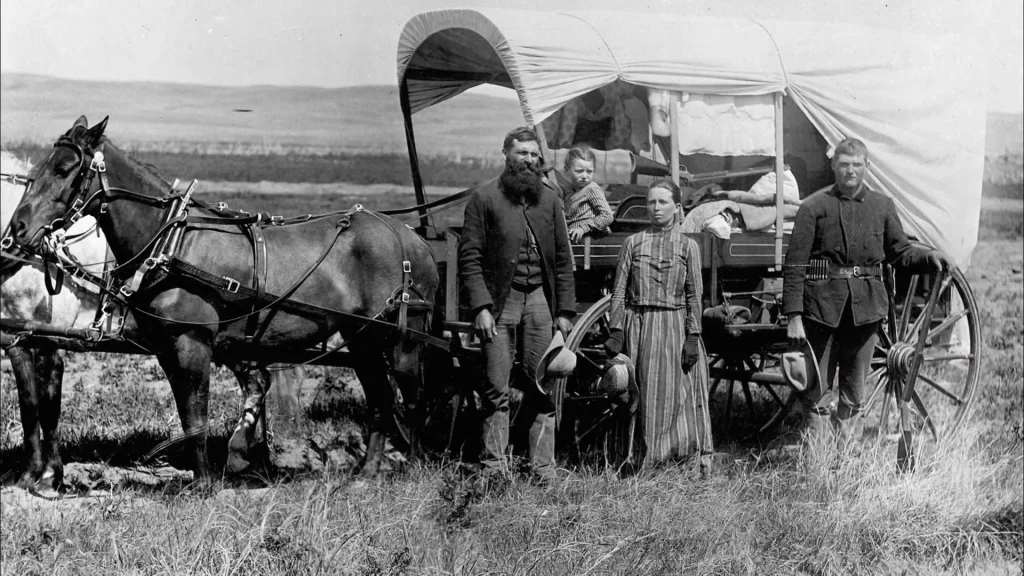
The documentary reminds viewers that Billy died at just 21 years old. This sobering fact underscores how quickly young men could become legendary figures in the American West. His brief life generated stories that have endured for nearly 150 years, far outlasting the powerful men who pursued him.
Particularly moving is the account of Billy’s body being tenderly prepared by local Hispanic women. They viewed him as “one of ours”—a poignant testament to his cross-cultural connections. This detail illuminates the genuine affection many New Mexicans held for the young outlaw despite his crimes.
Billy the Kid
The documentary concludes with a powerful observation about historical memory. While powerful businessmen like Lawrence Murphy and James Dolan faded into obscurity, Billy the Kid’s legend grew ever larger. His story continues to captivate because it embodies fundamental American tensions between freedom and order, justice and corruption.
For viewers seeking nuanced historical perspective, this documentary delivers remarkable insights. It neither glorifies violence nor condemns its subject outright. Instead, it presents Billy as profoundly human—capable of both loyalty and brutality, charm and cunning. This complexity feels refreshingly honest.
The film’s expert commentators provide thoughtful cultural analysis without academic stuffiness. Their insights connect Billy’s era to broader American themes without heavy-handed messaging. This approach makes historical content accessible without oversimplification.
Ultimately, this documentary succeeds because it recognizes Billy the Kid as both historical figure and cultural symbol. It invites viewers to consider how we transform real people into legends and what these transformations reveal about our national character. In our age of instant celebrity, Billy’s story feels surprisingly modern.
Whether viewers come seeking Wild West action or thoughtful historical analysis, this documentary satisfies on multiple levels. It stands as essential viewing for anyone interested in American mythology, frontier justice, or the complex cultural dynamics of the nineteenth-century Southwest. Billy the Kid died young, but through this documentary, his multifaceted legacy lives on.
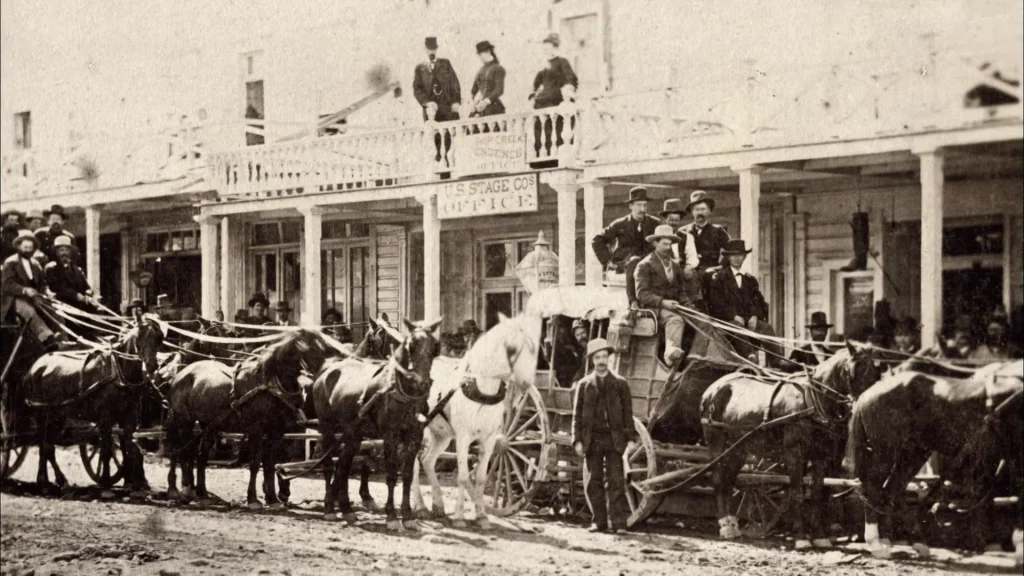
Compared to other documentaries on Western outlaws, Billy the Kid seems to aim for a higher standard of historical accuracy and cultural sensitivity. Many earlier portrayals, both in film and print, embraced the mythology. They focused on gunfights and daring escapes, often sacrificing context. Think of the countless Hollywood Westerns presenting Billy as either a misunderstood romantic or a cold-blooded killer.
More recent documentaries have tried to be more factual. Yet, few may have emphasized the cultural dynamics highlighted in this film’s description. Its specific focus on his relationship with the Hispanic community sets it apart. It seems less interested in perpetuating the legend and more interested in understanding the man and his time. It feels akin to modern historical inquiries that re-evaluate established figures through new lenses.
In conclusion, Billy the Kid promises a compelling and thoughtful exploration of a legendary figure. Based on its description, it seeks to replace myth with researched history. It intends to provide crucial context, particularly regarding the Lincoln County War and cultural tensions. The focus on Billy’s connection with the Hispanic community is especially noteworthy.
It offers a fresh and vital perspective often missing from popular accounts. While balancing historical detail with engaging storytelling is always tricky, the documentary appears well-positioned. It aims to humanize Henry McCarty, revealing the young man obscured by the “Billy the Kid” persona. For anyone interested in the American West, historical myths, or just a fascinating human story, this documentary seems like essential viewing. It invites us to look beyond the legend. It encourages us to find the real person caught in the crossfire of history.
FAQ Billy the Kid
Q: Who was Billy the Kid and why is he famous?
A: Billy the Kid, born Henry McCarty, was a notorious American outlaw who became famous during the Lincoln County War in New Mexico Territory. Initially, he gained notoriety through sensationalized newspaper accounts that portrayed him as a ruthless killer. However, his legendary status grew after his daring prison escape and subsequent death at age 21 by Sheriff Pat Garrett’s bullet. His story resonated particularly with Hispanic communities who viewed him as someone fighting against unjust Anglo establishments, similar to a Robin Hood figure. Despite his short life, Billy’s legend has endured for nearly 150 years, far outlasting the powerful men who pursued him.
Q: What was Billy the Kid’s real name and background?
A: Billy the Kid was born Henry McCarty to Irish immigrant parents, likely in New York City’s slums. After moving west, he later adopted the alias William H. Bonney. His mother Catherine died of tuberculosis when he was just 15, leaving him orphaned in Silver City, New Mexico. This abandonment proved pivotal in shaping his future. Unlike many Anglo settlers, young Henry embraced Hispanic culture wholeheartedly, learning Spanish fluently and building genuine connections within New Mexican communities. This cultural immersion later provided him sanctuary during his years as a fugitive and contributed to his enduring legacy among Hispanic New Mexicans.
Q: What was the Lincoln County War and how was Billy the Kid involved?
A: The Lincoln County War was a violent conflict in 1878 New Mexico Territory, fundamentally a power struggle between established Irish businessmen (Lawrence Murphy and James Dolan) and wealthy English newcomer John Tunstall. Billy initially worked for Tunstall, who treated him with respect. After Tunstall’s murder, Billy joined the “Regulators” to seek justice. The conflict quickly escalated into gang warfare with numerous casualties on both sides. Billy participated in every skirmish, including the assassination of Sheriff William Brady, which sealed his outlaw status. Despite efforts to negotiate a pardon with Governor Lew Wallace, Billy ultimately remained a wanted man following the war’s conclusion.
Q: How did Billy the Kid escape from Lincoln County jail?
A: On April 28, 1881, while awaiting his hanging, Billy executed one of history’s most daring prison breaks. With Sheriff Pat Garrett away on business, Billy requested to use the outhouse and was escorted by Deputy J.W. Bell. Upon returning, Billy surprised Bell, obtained his gun, and fatally shot him. He then retrieved Deputy Bob Olinger’s shotgun and waited by the window. When Olinger rushed back after hearing gunfire, Billy famously called out “Hello, Bob” before killing him with his own weapon. Afterward, Billy commandeered a horse and rode out of Lincoln singing, instantly cementing his legendary status. News of this escape spread nationwide via telegraph within a day.
Q: How and why was Billy the Kid killed?
A: Billy the Kid was shot and killed by Sheriff Pat Garrett on July 14, 1881, in Fort Sumner, New Mexico. Despite urgings to flee the territory, Billy remained near Fort Sumner primarily because of his relationship with Paulita Maxwell. Garrett, acting on tips from Paulita’s brother Pete who disapproved of their relationship, tracked Billy to the Maxwell home. In the darkness, Billy entered Pete’s bedroom where Garrett was hiding and, after asking “Qué nés?” (Who is it?), was shot dead by Garrett. This decision to stay near his love interest rather than escape to Mexico ultimately sealed Billy’s fate at just 21 years old.
Q: How many people did Billy the Kid actually kill?
A: Historical records suggest Billy the Kid killed between four and nine men, not the twenty-one often claimed in sensationalized accounts. His first confirmed killing was Frank “Windy” Cahill in 1877, arguably in self-defense after Cahill bullied him. During the Lincoln County War, he participated in killing Sheriff William Brady and several others. He later killed guards J.W. Bell and Bob Olinger during his prison escape. Newspapers frequently exaggerated his violence, portraying him as a “bloodthirsty killer” and “desperate cuss hell-bent on anarchy” to serve powerful interests wanting to “civilize the territory” on their terms.
Q: What was Billy the Kid’s relationship with Hispanic communities in New Mexico?
A: Billy the Kid formed deep connections with Hispanic communities in New Mexico, unlike most Anglo settlers who viewed their culture with disdain. He learned Spanish fluently, attended fandangos (dances), and embraced local customs wholeheartedly. To Hispanic New Mexicans facing dispossession by wealthy Anglo businessmen, Billy represented resistance against an unjust system. They provided him sanctuary during his years as a fugitive and considered him “La nuestro” (one of ours). After his death, local Hispanic women tenderly prepared his body, a poignant testament to their genuine affection for him despite his outlaw status.
Q: Why does Billy the Kid remain such an enduring figure in American culture?
A: Billy the Kid endures as a cultural icon because his story embodies fundamental American tensions between freedom and order, justice and corruption. His legend transcended mere criminality to become something more profound—a narrative about resistance and personal liberty in a rapidly changing West. Unlike powerful businessmen Murphy and Dolan who faded into obscurity, Billy’s legend grew ever larger. Moreover, he represents America’s complicated relationship with outlaws, exemplifying what one historian called “the gangster as hero.” His appeal has crossed cultural lines and social classes for nearly 150 years, creating an enduring mystique that continues to captivate each new generation.
Q: What physical evidence remains of Billy the Kid today?
A: The most significant physical evidence of Billy the Kid is a single authenticated tintype photograph taken in 1880 in Fort Sumner. This small image, for which Billy paid 25 cents, remains the only verified picture of him. Paulita Maxwell later remarked that this photo didn’t do him justice, as it failed to capture his animated personality and “dancing, mischievous eyes.” Beyond this image, few authentic artifacts directly connected to Billy exist. The courthouse from which he escaped still stands in Lincoln, New Mexico, now preserved as a historical site. His grave in Fort Sumner has become a popular tourist destination over the decades.
Q: How accurate are media portrayals of Billy the Kid compared to historical facts?
A: Media portrayals of Billy the Kid often diverge significantly from historical facts. During his lifetime, newspapers transformed him into a convenient villain to serve powerful interests. Subsequently, Hollywood has alternately romanticized him as a misunderstood hero or demonized him as a cold-blooded killer. Most portrayals neglect his deep connection with Hispanic communities and the complex sociopolitical context of the Lincoln County War. Furthermore, they rarely acknowledge his youth—he died at just 21—or his intelligence and charm frequently noted by contemporaries. Modern documentaries like “Billy the Kid” strive for greater accuracy by examining both his humanity and his violence without excessive romanticism or condemnation.