Beyond the Myth: Unveiling Transylvania’s Wild Heart in “Dracula’s Hidden Kingdom”
Bram Stoker’s gothic masterpiece forever linked Transylvania with vampires and shadows. However, the documentary “Dracula’s Hidden Kingdom” invites viewers beyond the legend. It aims to discover the real Transylvania. This region in central Romania remains a mysterious and secretive place. It shelters some of Europe’s last true wildernesses. The film promises a journey into soaring Carpathian Mountains. It explores vast ancient forests. These landscapes provide sanctuary for iconic European predators: wolves, bears, and lynx. The documentary effectively uses the Dracula narrative as a compelling entry point. Yet, it swiftly pivots to its true subject: the vibrant, often unseen, wildlife of this remarkable land.
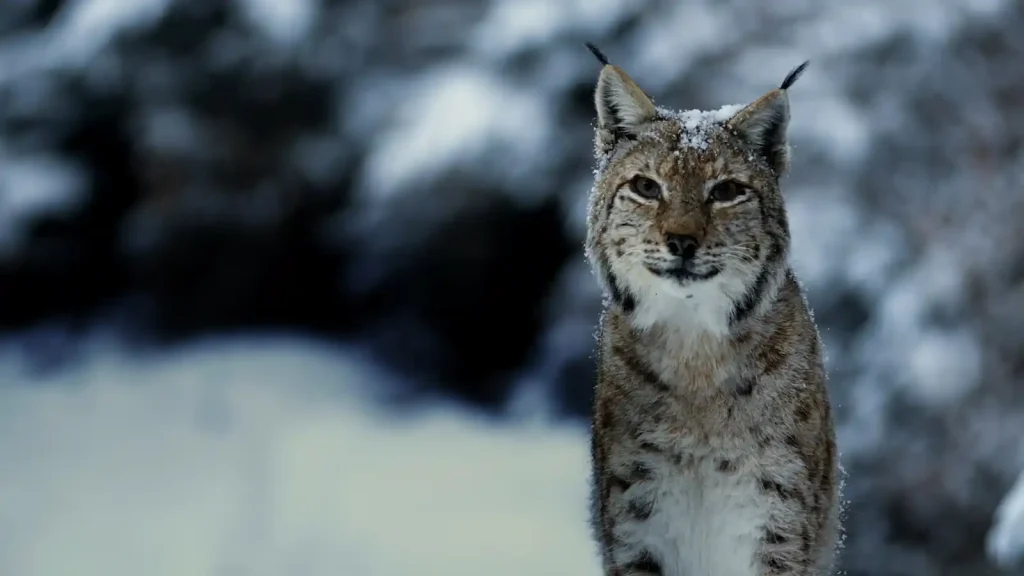
The film opens by acknowledging the powerful myth. It quotes Stoker’s famous welcoming words. This immediately establishes the cultural context. Then, it gently dismisses the fictional vampire. Instead, it introduces the authentic Transylvania. This land lies shielded by mountains and, historically, by political isolation. Consequently, it remains a haven for biodiversity. The narrative introduces the elusive lynx early on. This sets the tone, highlighting the wild, phantom-like nature of the region’s inhabitants. The documentary structure follows the rhythm of the seasons. This provides a natural, cyclical narrative flow.
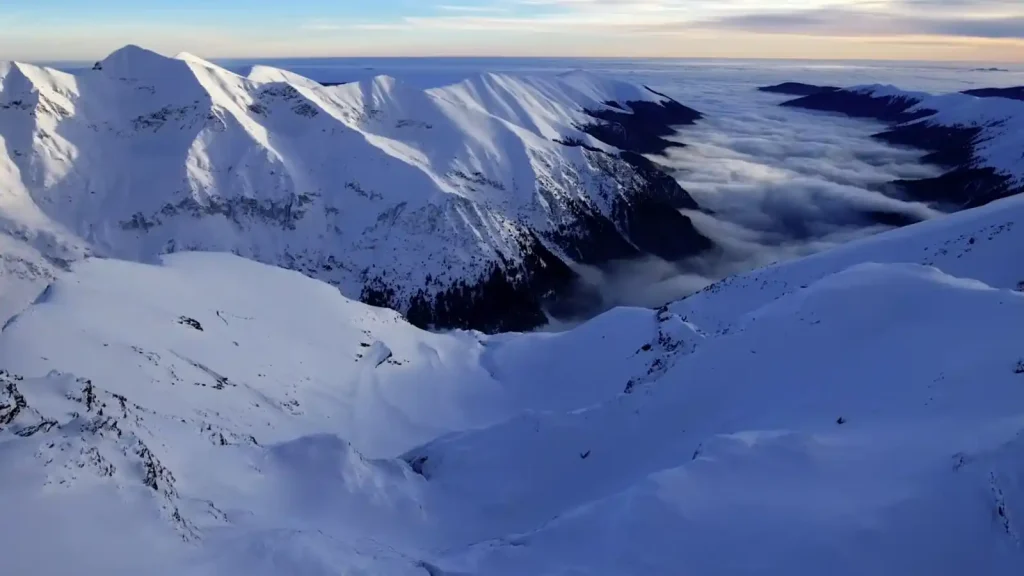
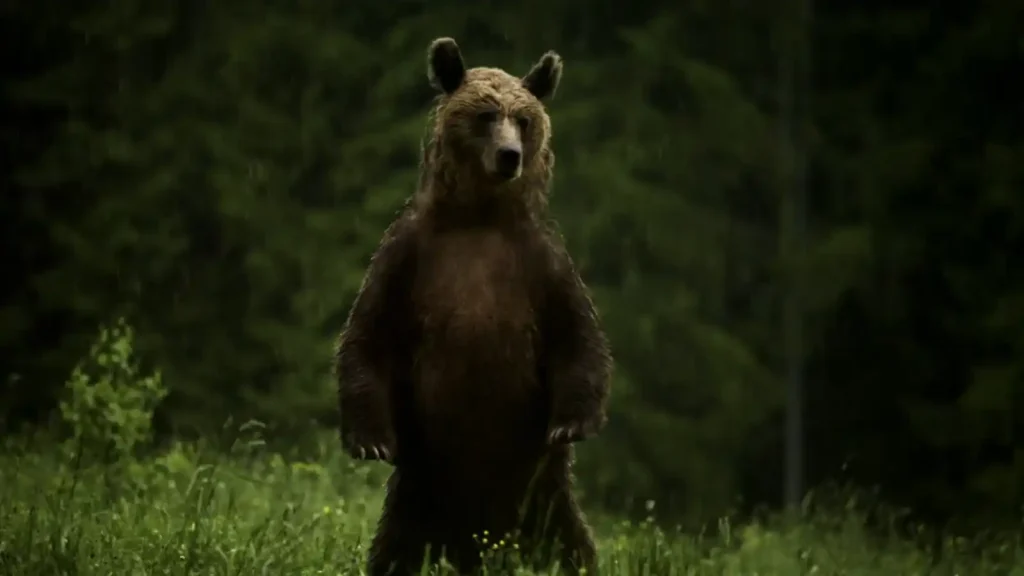
Winter’s grip loosens in the high Carpathians. The film captures the emergence of brown bears from hibernation. Transylvania hosts nearly half of Europe’s population. Therefore, their awakening is a significant event. The bears are lean and hungry after months without food. The cinematography likely emphasizes the stark beauty of the late winter landscape. Simultaneously, it conveys the urgency driving these large predators. Spring cannot arrive soon enough for them. As warmth returns, the mountains burst into life. The focus shifts to bear mating rituals. The documentary details the competition between males. It also portrays the challenges of courtship. This section highlights the raw, instinctual behaviors governing the wild.
Parallel to the bears’ drama, the arrival of white storks unfolds. These birds are revered symbols of luck in Transylvania. Their arduous 7,000-mile migration from Africa is remarkable. The film contrasts their journey with the relaxed rhythm of village life. It depicts the male storks arriving first. They prepare the nests before the females arrive. Their lifelong pair bonds offer a touching counterpoint to the bears’ seasonal encounters. This juxtaposition effectively illustrates the diverse life strategies within the ecosystem. Furthermore, it subtly introduces the harmonious relationship between traditional human culture and wildlife.
History permeates the Transylvanian landscape. The documentary touches upon centuries of conflict. It mentions Germans, Turks, and Romanians fighting over this land. The legacy of the Tatar invasion lingers. Tata Hill serves as a poignant memorial. Yet, this undisturbed ground now explodes with wildflowers each summer. This transition beautifully connects past human tragedy with present natural beauty. The film celebrates Transylvania’s wildflower meadows. These meadows are world-famous for their biodiversity. Their survival depends on traditional farming methods. These methods avoid chemicals and limit harvesting. This segment underscores a crucial theme: the interdependence of cultural practices and ecological health.
Summer brings a kaleidoscope of life. The meadows teem with nearly 200 butterfly species. Their brief, vibrant lives mirror the ephemeral beauty of the season. Colorful bee-eaters arrive from the south. The documentary details their hunting techniques. It shows them strategically removing bee stings. Their courtship rituals, involving food offerings, add another layer of behavioral insight. The film also incorporates local traditions. The Sancien fairy ritual connects ancient pagan beliefs with the landscape. Village girls weave floral crowns, celebrating summer. This cultural element enriches the natural history narrative. It reinforces the deep connection between people and place.
Of course, no exploration of Transylvania could completely ignore its namesake. The film briefly delves into the historical Vlad the Impaler. It clarifies his connection to Vlad Drakul, meaning “dragon” or “devil.” It debunks the popular association of Bran Castle with Dracula. Instead, it points to Targoviste as Vlad’s actual court. The documentary recounts his brutal history. This includes the impalement of thousands of enemies. This historical context adds a layer of dark realism. It contrasts sharply with the region’s natural beauty. Subsequently, the film transitions to fortified churches. These structures served as refuges during turbulent times. Today, they provide shelter for another creature associated with the night: bats.
Transylvania is a haven for bats, hosting 26 species. The greater mouse-eared bat features prominently. The documentary shows them roosting in church towers. As dusk falls, they emerge to hunt. Unlike many bats, they rely on hypersensitive hearing, not sonar. They listen for the tiny sounds of insects. This focus on sensory adaptation showcases the bats’ evolutionary niche. It presents them not as creatures of horror, but as fascinating predators. The film also highlights the importance of Romania’s numerous caves. These caves serve as vital hibernation sanctuaries. This section effectively reclaims bats from myth. It presents them as integral parts of the ecosystem.
The documentary reveals another layer of history within these caves. Charcoal drawings over 30,000 years old were discovered. These depict rhinoceroses and other giant horned beasts. These animals were crucial to early human hunters. The film then connects this deep past to a modern conservation success story. European bison once roamed widely but were hunted to near extinction. Only 54 survived a century ago. Now, thanks to reintroduction efforts, they are returning. Over 200 bison now live in Romania. Their quiet presence revitalizes the ancient forests. This narrative arc, from ancient depictions to modern recovery, offers a powerful message of hope. It demonstrates that dedicated conservation can reverse decline.
Throughout the seasons, the lives of other key species intertwine. The elusive lynx reappears, showcasing its opportunistic hunting style. Chamois remain wary, often alerted by other creatures. The charismatic hoopoe provides delightful moments. Its unique appearance and call are distinctive. The film follows a young hoopoe learning life skills. It shows the challenges of mastering hunting techniques. This intimate look at a lesser-known bird adds charm and depth. Meanwhile, bear cubs grow under their mother’s protection. Born in midwinter, they emerge playful but vulnerable. The documentary highlights the constant threat from adult male bears. The mother’s vigilance is paramount. These scenes emphasize the challenges of survival, even for top predators.
The return of the beaver marks another conservation success. Hunted out 200 years ago, they are back through migration and reintroduction. Their dams create new habitats. They engineer ecosystems, benefiting aquatic life and reducing floods. This showcases the role of keystone species. Back in the village, the stork chicks mature. They prepare for their first flight. This signifies the culmination of the breeding season. Soon, they will undertake the immense journey south. Their departure signals the transition towards autumn.
Autumn transforms the landscape into a spectacle of color. The film celebrates Transylvania’s vast ancient forests. However, it also introduces a note of caution. Logging and development threaten these unprotected woodlands. The documentary mentions the growing pressure for a new national park. This subtly reinforces the conservation message. For bears, autumn is crucial for building fat reserves before hibernation. Their search for food brings them closer to human settlements. Orchards, particularly plum orchards used for making palinka, attract them. The film captures cubs enjoying a feast. This illustrates the potential for human-wildlife conflict. Yet, it also shows a degree of coexistence.
Dracula’s Hidden Kingdom
As winter returns, the cycle completes. Bison endure the cold, their thick fur providing insulation. Wolves, the apex predators, navigate the snowy forests. The documentary acknowledges their elusive nature. Their presence is vital for ecological balance. The red fox demonstrates ingenious hunting methods in the snow. Finally, the lynx reappears. Late winter is their mating season. The film captures the brief encounter between male and female. It also shows a mother with her nearly grown kits. Soon, these young lynx will disperse. They must find their own territories. This emphasizes the need for large, connected wild spaces.
“Dracula’s Hidden Kingdom” succeeds by using a familiar hook to draw viewers into an unfamiliar world. It masterfully balances stunning wildlife footage with cultural context and historical threads. The subject matter expertise is evident in the intimate portrayal of animal behavior. It covers everything from grand predators to intricate insect life. The presentation avoids sensationalism. Instead, it fosters appreciation for the region’s natural heritage. Its strength lies in showcasing the interconnectedness of life. It links seasons, species, landscapes, and traditional human practices. The narrative flows smoothly, guided by the rhythms of nature.
Compared to other wildlife documentaries, this film carves a unique niche. Many focus on more exotic locales or broader continental surveys. “Dracula’s Hidden Kingdom” delves deep into one specific, culturally rich European region. It successfully sheds the gothic fantasy. It reveals an authentic wilderness thriving against the odds. The emphasis on traditional land use preserving biodiversity is particularly noteworthy. It offers a different perspective than documentaries focused solely on pristine, human-free wilderness.
The film subtly conveys the societal importance of preserving such landscapes. It highlights both the ecological value and the deep human connection to this wild heart of Europe. It demonstrates how myth, history, and nature intertwine, creating a place unlike any other. The documentary effectively argues that the true wonder of Transylvania lies not in fiction, but in its enduring, vibrant reality. Protecting this hidden kingdom is vital for Europe’s natural heritage. The future of its wolves, bears, lynx, and ancient forests depends on continued stewardship and appreciation.
Beyond the Shadows: Transylvania’s Enduring Wild Heart
As the mists settle over the Carpathian Mountains, Transylvania reveals itself not as a land of nightmares, but as a realm of resilience. Indeed, while Dracula may have captured our imaginations, the true spirits of this ancient place are its wolves, bears, and lynx. These magnificent creatures have survived through centuries of human conflict, quietly maintaining their ancestral ways alongside traditional villages. Furthermore, this delicate balance between human culture and wilderness offers a powerful lesson for our modern world.
Consider how the rhythms of nature guide life here, from the seasonal migrations of storks to the quiet persistence of the returning bison. Meanwhile, traditional farming practices have preserved wildflower meadows of staggering diversity, creating habitat for hundreds of butterfly species. Consequently, these methods prove that humans and nature can thrive together when ancient wisdom is respected.
Transylvania stands as a living museum of European wildlife, yet its future remains uncertain. Logging operations and development continuously threaten these pristine forests and their inhabitants. Nevertheless, conservation efforts have already achieved remarkable success with bison reintroduction and beaver recovery. Therefore, hope remains that this hidden kingdom can endure for generations to come.
The bats that inhabit church towers remind us how misconceptions cloud our understanding of nature. Rather than creatures of horror, they emerge as essential predators helping maintain ecological balance. Similarly, wolves – often villainized in folklore – play vital roles in keeping ecosystems healthy. Thus, “Dracula’s Hidden Kingdom” invites us to look beyond cultural myths and appreciate nature’s true complexity.
For travelers seeking authenticity, Transylvania offers something increasingly rare: a glimpse into Europe’s wild past. Here, you can witness ancient forests much as they appeared centuries ago, where bears still forage and lynx still hunt. Additionally, villages maintain traditions that connect directly to the land, creating a cultural landscape as rich as the natural one.
As we leave this remarkable corner of Romania, we carry away more than images of stunning landscapes. We depart with renewed appreciation for wilderness preservation. The true treasure of Transylvania isn’t found in gothic castles but in its living, breathing, wild heart – a reminder that some kingdoms are worth protecting not for their legends, but for their reality.
FAQ Dracula’s Hidden Kingdom
Q: What is the main focus of the documentary “Dracula’s Hidden Kingdom”?
A: The documentary primarily focuses on revealing Transylvania’s remarkable wildlife and natural landscapes, rather than the vampire myths popularized by Bram Stoker. Indeed, it uses the Dracula narrative as an entry point but quickly shifts to showcase the region’s biodiversity, including wolves, bears, lynx, and numerous other species living in the ancient forests and meadows of central Romania. Furthermore, the film follows the rhythm of the seasons to document how these animals survive and thrive in one of Europe’s last true wilderness areas.
Q: How does “Dracula’s Hidden Kingdom” portray the brown bears of Transylvania?
A: The documentary portrays Transylvania’s brown bears as magnificent creatures emerging hungry from hibernation as winter loosens its grip. Nearly half of Europe’s brown bear population calls this region home, making their awakening a significant event. The film captures their mating rituals, the competition between males, and the challenges of courtship in spring. Additionally, it shows how bear cubs grow under their mother’s protection while facing constant threats from adult males. During autumn, viewers witness bears building crucial fat reserves before hibernation, sometimes venturing near human settlements to forage in orchards.
Q: What role do traditional farming practices play in Transylvania’s biodiversity?
A: Traditional farming practices serve as the backbone of Transylvania’s incredible biodiversity, especially in its world-famous wildflower meadows. These time-honored methods avoid chemicals and limit harvesting, consequently creating perfect conditions for nearly 200 butterfly species and countless other insects. Moreover, the documentary highlights how these sustainable practices establish a harmonious relationship between human culture and wildlife. This delicate balance showcases an important theme: ecological health depends directly on cultural practices that have been maintained for generations, offering a model for sustainable coexistence.
Q: What conservation success stories does the documentary highlight?
A: The documentary celebrates several remarkable conservation victories in Transylvania. First, the European bison’s return stands as a powerful success story, having grown from just 54 surviving animals a century ago to over 200 in Romania today. Similarly, beavers have returned after being hunted to local extinction 200 years ago, now creating new habitats through their dam-building activities. These ecosystem engineers benefit aquatic life and reduce flooding naturally. Furthermore, the film subtly advocates for continued protection efforts, noting the growing pressure to establish a new national park to safeguard the region’s ancient forests from logging and development.
Q: How does the documentary address the Dracula myth?
A: The documentary cleverly acknowledges the Dracula myth at the beginning by quoting Stoker’s famous welcoming words, establishing cultural context. However, it quickly pivots away from fiction toward reality. When addressing the historical figure behind the legend, it briefly discusses Vlad the Impaler, clarifying his connection to Vlad Drakul (meaning “dragon” or “devil”). Additionally, it debunks popular misconceptions by explaining that Bran Castle wasn’t actually Dracula’s home. Instead, the film redirects viewers’ attention to the region’s true inhabitants: its remarkable wildlife and traditional communities that have coexisted for centuries.
Q: What role do bats play in the documentary’s narrative?
A: Bats serve as a perfect bridge between Transylvania’s myths and its biological reality within the documentary. The film showcases 26 bat species that call the region home, particularly highlighting the greater mouse-eared bat roosting in church towers. Rather than portraying them as creatures of horror, the documentary presents them as fascinating predators with remarkable adaptations. For instance, some rely on hypersensitive hearing instead of sonar to hunt insects. Furthermore, Romania’s numerous caves provide essential hibernation sanctuaries for these misunderstood mammals. Thus, the film effectively reclaims bats from gothic fantasy, positioning them as integral components of the ecosystem.
Q: How does the documentary capture the relationship between human history and natural history in Transylvania?
A: The documentary masterfully weaves together human history and natural history throughout its narrative. For example, it connects ancient 30,000-year-old cave drawings of rhinos and horned beasts to modern conservation efforts. Similarly, it shows how Tata Hill, once a site of human tragedy during the Tatar invasion, now bursts with wildflowers each summer. The fortified churches, built as refuges during turbulent times, now shelter bat colonies. Moreover, the film highlights how traditional villages maintain centuries-old practices that preserve biodiversity. This interconnectedness between human culture and wildlife creates a compelling portrait of a region where history and nature remain inseparable.
Q: What makes the lynx a significant focus in “Dracula’s Hidden Kingdom”?
A: The elusive lynx receives special attention because it perfectly embodies the phantom-like, mysterious nature of Transylvania’s wildlife. Introduced early in the documentary, this secretive predator sets the tone for the film’s exploration of hidden wilderness. The lynx reappears throughout the seasons, showcasing its opportunistic hunting style and adaptability. During late winter, viewers witness the brief mating encounters and observe a mother with nearly grown kits preparing to establish their own territories. Consequently, the lynx serves as both a character in the seasonal narrative and a symbol of the need for large, connected wild spaces for such wide-ranging predators.
Q: How does the documentary portray the seasonal changes in Transylvania?
A: The documentary uses seasons as its structural backbone, creating a natural cyclical flow that mirrors life in Transylvania. Winter scenes showcase bison enduring harsh conditions and wolves navigating snowy forests. Spring brings dramatic transformation as bears emerge from hibernation and white storks return from their 7,000-mile migration. Summer explodes with biodiversity in wildflower meadows teeming with butterflies and bee-eaters arriving from the south. Meanwhile, autumn transforms forests into spectacular displays of color while bears frantically prepare for winter. This seasonal approach effectively demonstrates how the rhythm of nature dictates survival strategies for both wildlife and traditional human communities throughout the year.
Q: What conservation message does “Dracula’s Hidden Kingdom” convey?
A: The documentary subtly yet powerfully advocates for conservation throughout its narrative. First, it celebrates successful reintroduction efforts with bison and beavers while simultaneously warning about threats from logging and development. Moreover, it emphasizes how traditional land management practices preserve biodiversity more effectively than modern intensive methods. By showcasing the interconnectedness of species within this ecosystem, the film illustrates why protecting large, connected habitats matters. Ultimately, “Dracula’s Hidden Kingdom” argues that Transylvania’s true value lies not in gothic fantasy but in its living natural heritage—a wild heart of Europe worth protecting for future generations.