Hidden Treasures of the National Trust 2025 episode 4: When you think about the stories that shaped England’s most treasured historical sites, few tales capture the imagination quite like those featured in this episode. This captivating installment unveils the remarkable stories of two extraordinary women who stood defiant against overwhelming odds during one of England’s most turbulent periods.
Picture yourself standing at the crossroads of history, where personal courage meets political upheaval. The English Civil War wasn’t just a conflict between armies—it was a battle that raged through drawing rooms, castle courtyards, and family loyalties. You’ll discover how two formidable women navigated these treacherous waters, each choosing a path that would determine not only their own fate but the legacy of their magnificent homes.
These weren’t ordinary women of their time. Like lionesses protecting their cubs, Elizabeth Murray and Mary Bankes refused to bow to the enemies at their gates. However, their stories diverged dramatically, creating a fascinating study in survival, loyalty, and the price of political conviction. One would emerge triumphant, her home preserved as a testament to shrewd political maneuvering. The other would witness her family’s destruction, leaving behind only haunting ruins that still whisper tales of betrayal.
The beauty of Hidden Treasures of the National Trust lies in its ability to transform stone and mortar into living, breathing narratives. Furthermore, this episode demonstrates how the past continues to shape our present through ongoing conservation efforts that preserve these stories for future generations. You’re not merely viewing historical artifacts; you’re witnessing the careful restoration of memories, emotions, and human experiences.
Each location featured in this episode serves as a time capsule, preserving moments of triumph and tragedy with equal reverence. Moreover, the National Trust’s dedication to maintaining these sites allows modern visitors to walk in the footsteps of history’s most compelling figures. The conservation work currently underway represents more than preservation—it’s an act of storytelling that bridges centuries.
As you delve deeper into these remarkable stories, you’ll understand why this particular episode resonates so powerfully with audiences. The parallel tales of Elizabeth Murray and Mary Bankes offer profound insights into resilience, strategy, and the complex nature of survival during wartime. Their experiences illuminate the broader human condition while providing intimate glimpses into lives lived at history’s pivotal moments.
Hidden Treasures of the National Trust 2025 episode 4
The Duchess of Lauderdale: Master of Political Survival
Ham House stands majestically on the Thames’ banks like a monument to political cunning and survival instinct. Elizabeth Murray’s story reads like a masterclass in navigating dangerous political waters. Born into a staunchly Royalist family, she possessed an almost supernatural ability to read the political climate and adapt accordingly.
What makes Elizabeth’s story particularly fascinating is her remarkable talent for playing both sides without losing either. While her family remained loyal to the Crown, she managed to curry favor with Oliver Cromwell himself. This wasn’t mere opportunism—it was strategic brilliance wrapped in feminine charm and intelligence. Subsequently, when Charles II returned to power, her secret support for the future king paid dividends beyond imagination.
The rewards Elizabeth received for her loyalty transformed Ham House into one of England’s most opulent Stuart residences. Nevertheless, time has taken its toll on many of her most prized possessions. Today, conservators work meticulously to preserve the tangible evidence of her success, ensuring that future generations can appreciate both her political acumen and her exquisite taste.
Mary Bankes: The Warrior of Corfe Castle
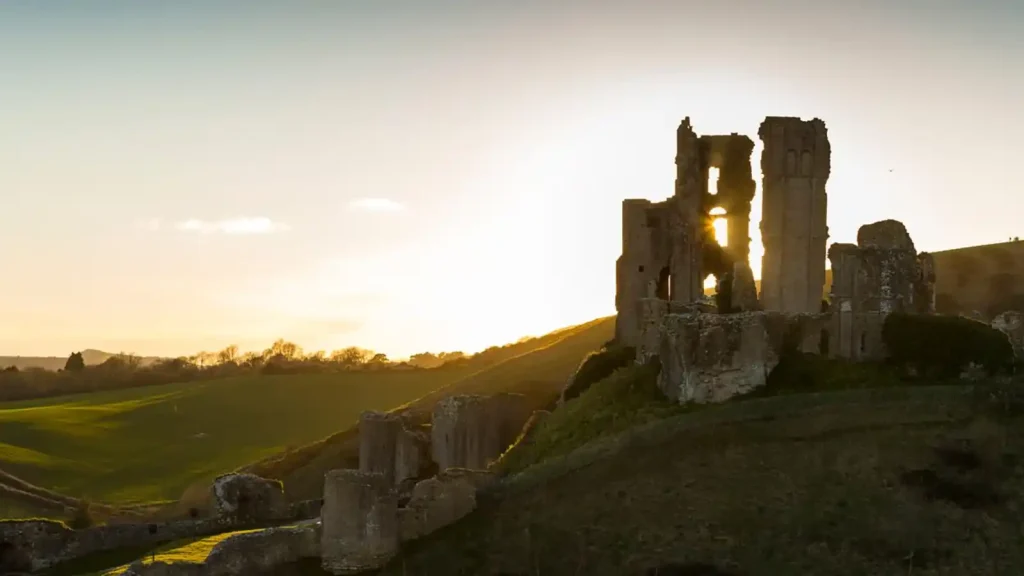
In stark contrast to Elizabeth’s diplomatic approach, Mary Bankes chose the path of direct resistance. Perched dramatically above the Purbeck Hills, Corfe Castle became the stage for one of the Civil War’s most heroic last stands. When Parliamentary forces besieged her home, Mary didn’t retreat to safety—she picked up weapons and fought alongside her defenders.
Imagine the scene: a determined woman coordinating the defense of an ancient fortress while cannon fire echoed across the Dorset countryside. Mary’s personal involvement in the castle’s defense became legendary, inspiring stories that have endured for centuries. However, her courage couldn’t overcome the ultimate betrayal that sealed her fate.
The traitor within her ranks opened the gates to Parliamentary forces, leading to the castle’s systematic destruction. Unlike Elizabeth’s triumphant preservation of Ham House, Mary’s story became one of noble defeat and devastating loss. The ruins that remain today serve as a powerful reminder of both her courage and the brutal consequences of unwavering loyalty.
Conservation Challenges and Triumphs
The National Trust faces unique challenges in preserving these historically significant sites. At Ham House, conservators work like skilled surgeons, carefully restoring Elizabeth Murray’s treasured possessions piece by precious piece. Each item tells part of her story, from ornate furniture that witnessed secret political meetings to textiles that reflect her sophisticated taste.
Meanwhile, Corfe Castle presents an entirely different conservation challenge. The National Trust has embarked on their most ambitious conservation project at the site, working to stabilize and preserve ruins that have weathered centuries of neglect and natural erosion. Consequently, visitors can continue to experience the emotional impact of Mary Bankes’s story while walking among the castle’s haunting remains.
These conservation efforts represent more than mere preservation—they’re acts of historical justice. By maintaining these sites, the National Trust ensures that both women’s stories continue to inspire and educate. Furthermore, the ongoing work demonstrates how modern technology and traditional craftsmanship can collaborate to protect our shared heritage.
The Enduring Legacy of Courage
Hidden Treasures of the National Trust 2025 episode 4 ultimately celebrates the enduring power of individual courage in the face of seemingly impossible odds. Both Elizabeth Murray and Mary Bankes faced choices that would define not only their own lives but the fate of their magnificent homes. Their different approaches—diplomatic flexibility versus unwavering principle—offer timeless lessons about survival, loyalty, and the complex nature of human character.
Today, when you visit these remarkable sites, you’re experiencing more than historical tourism. You’re connecting with stories that transcend their specific historical moment to speak to universal themes of courage, determination, and resilience. The ongoing conservation work ensures that these powerful narratives will continue inspiring future generations, proving that some treasures truly are worth preserving at any cost.
Where History Lives and Breathes Today
Standing before Ham House’s restored grandeur or walking among Corfe Castle’s weathered stones, you’re witnessing something profound—history refusing to stay buried. The stories featured in Hidden Treasures of the National Trust 2025 episode 4 remind us that the past isn’t a distant, untouchable realm. Instead, it pulses with life through the careful hands of conservators and the passionate dedication of those who refuse to let remarkable stories fade into obscurity.
Elizabeth Murray and Mary Bankes represent more than historical curiosities; they embody timeless strategies for navigating uncertainty that feel remarkably relevant today. Elizabeth’s masterful political flexibility speaks to our modern need for adaptability in rapidly changing circumstances. Meanwhile, Mary’s unwavering principles remind us that some values are worth defending, regardless of personal cost. Their contrasting approaches offer a nuanced blueprint for modern decision-making—sometimes we bend like Elizabeth’s diplomatic willow, sometimes we stand firm like Mary’s defiant oak.
What makes the National Trust’s conservation work so compelling is how it transforms preservation into storytelling. Each restored textile at Ham House whispers secrets of political intrigue, while every stabilized stone at Corfe Castle echoes with the clash of steel and the thunder of cannon fire. These aren’t mere museum pieces gathering dust—they’re living classrooms where history teaches through experience rather than textbook. The conservators working on these sites serve as modern-day guardians of memory, ensuring that courage, cunning, and conviction continue to inspire long after their original champions have departed.
Perhaps most importantly, these stories illuminate how individual choices ripple across centuries. Elizabeth’s strategic alliances and Mary’s brave resistance didn’t just shape their own fates—they created legacies that continue influencing how we understand loyalty, survival, and the price of principle. When you visit these sites, you’re not just observing history; you’re participating in an ongoing conversation between past and present that enriches your understanding of human resilience.
The conservation challenges facing these historic sites mirror our broader responsibility to preserve what matters most. Just as the National Trust carefully balances modern technology with traditional craftsmanship, we too must thoughtfully blend innovation with respect for enduring values. The meticulous work being done at Ham House and Corfe Castle demonstrates that some things are indeed worth preserving at any cost—not because they’re old, but because they remain profoundly relevant.
Your next step is simple yet profound: experience these stories firsthand. Whether you visit virtually through Hidden Treasures of the National Trust or plan an actual journey to these remarkable sites, you’ll discover that history’s most powerful lessons come not from reading about courage, but from walking where courage once lived. In doing so, you become part of the continuing story—a modern chapter in the ancient art of preserving what matters most for those who will follow in your footsteps.
FAQ Hidden Treasures of the National Trust 2025 episode 4
Q: What is Hidden Treasures of the National Trust 2025 episode 4 about?
A: This captivating episode explores the remarkable stories of two formidable women during England’s Civil War. Furthermore, it examines how Elizabeth Murray and Mary Bankes defended their homes against overwhelming odds, yet experienced dramatically different fates that shaped their properties’ legacies forever.
Q: Who were Elizabeth Murray and Mary Bankes?
A: Elizabeth Murray became the Duchess of Lauderdale, masterfully navigating Civil War politics from her Ham House residence. Meanwhile, Mary Bankes courageously defended Corfe Castle against Parliamentary forces. Both women refused to bow to enemies, but their contrasting strategies led to vastly different outcomes.
Q: How did Elizabeth Murray survive the English Civil War politically?
A: Elizabeth demonstrated exceptional political cunning by playing both sides strategically. Although born into a Royalist family, she gained favor with Oliver Cromwell while secretly supporting Charles II. Consequently, when the monarchy returned, her loyalty earned substantial rewards and preserved Ham House magnificently.
Q: What happened to Mary Bankes at Corfe Castle?
A: Mary personally defended Corfe Castle against Parliamentary siege, coordinating resistance while cannon fire echoed across Dorset countryside. However, a traitor within her ranks ultimately opened the gates to besiegers. Subsequently, Parliamentary forces systematically destroyed the castle, leaving only haunting ruins that survive today.
Q: Why is Ham House considered one of England’s grandest Stuart residences?
A: Elizabeth Murray’s political success transformed Ham House into an opulent showcase of Stuart luxury. Additionally, her rewards from Charles II funded exquisite furnishings, ornate textiles, and sophisticated décor. These treasures reflect both her political acumen and refined taste, creating an unparalleled historical residence.
Q: What conservation challenges does the National Trust face at these historic sites?
A: Ham House requires delicate restoration of Elizabeth’s prized possessions, with conservators working like skilled surgeons on precious textiles and furniture. Meanwhile, Corfe Castle presents the Trust’s most ambitious project, stabilizing weathered ruins against centuries of erosion while preserving their emotional impact for visitors.
Q: How did the English Civil War affect these properties differently?
A: The Civil War created contrasting legacies through different survival strategies. Elizabeth’s diplomatic flexibility preserved Ham House as a testament to political maneuvering, while Mary’s unwavering resistance resulted in Corfe Castle’s destruction. Therefore, visitors experience triumph at Ham House versus noble defeat at Corfe Castle ruins.
Q: What can visitors experience at Ham House today?
A: Visitors explore restored interiors showcasing Elizabeth Murray’s sophisticated taste and political success. Furthermore, they discover ornate furniture that witnessed secret meetings, exquisite textiles reflecting Stuart luxury, and carefully preserved artifacts. Each item tells part of her remarkable survival story during England’s turbulent period.
Q: What makes Corfe Castle’s ruins historically significant?
A: Corfe Castle’s dramatic ruins embody Mary Bankes’s courageous last stand against Parliamentary forces. Additionally, they serve as powerful reminders of loyalty’s brutal consequences and betrayal’s devastating impact. The weathered stones continue whispering tales of heroism, making visitors feel history’s emotional weight firsthand.
Q: Why are these Civil War stories important for understanding English history?
A: These parallel narratives illuminate how individual choices shaped England’s heritage through personal courage and political strategy. Moreover, they demonstrate that the Civil War wasn’t merely battlefield conflicts but intimate struggles affecting families, homes, and loyalties. Consequently, modern visitors gain profound insights into resilience, survival, and human character.