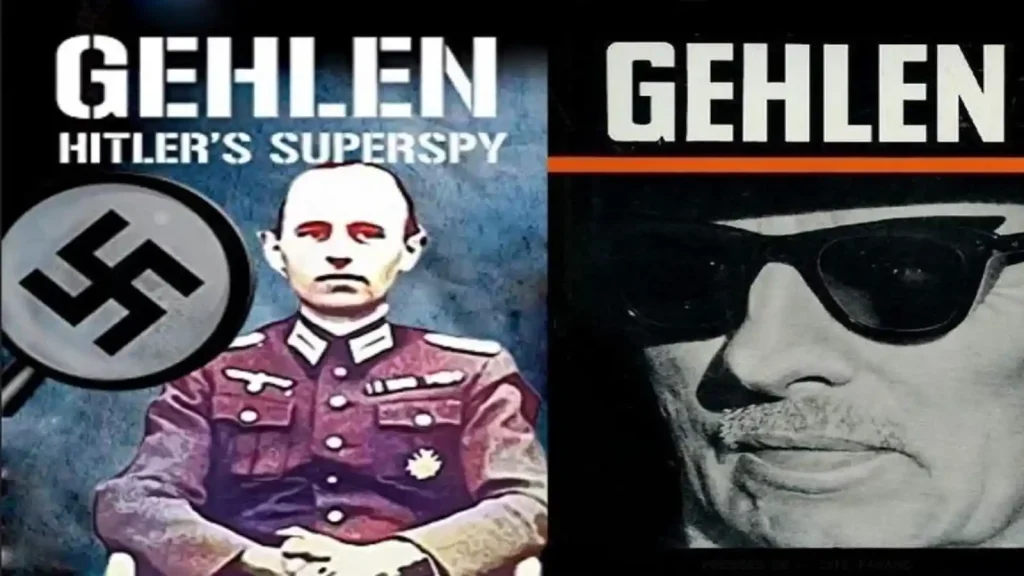
Gehlen: Hitler’s Superspy represents one of the most extraordinary survival stories in twentieth-century intelligence history. A man who served Adolf Hitler as chief spy on the Eastern Front managed to reinvent himself as the Western world’s primary intelligence asset against the Soviet Union. This remarkable transformation occurred not through ideological conversion but through calculated pragmatism and the possession of something the Americans desperately wanted: comprehensive files on Soviet military capabilities.
The story begins in the chaos of 1945, when a defeated Germany lay in ruins and its former intelligence officers faced uncertain fates. Among them stood Reinhard Gehlen, a man who had spent years gathering intelligence on the Red Army for the Nazi regime. Rather than await capture or execution, Gehlen had prepared meticulously for the moment when his knowledge would become his most valuable bargaining chip. He understood that the wartime alliance between the Western powers and the Soviet Union would not survive the peace.
This understanding proved prophetic. Within months of Germany’s surrender, the emerging Cold War created an insatiable appetite for intelligence on Soviet intentions and capabilities. The Americans, finding themselves suddenly in confrontation with their former ally, lacked the networks, expertise, and historical knowledge necessary to penetrate the Iron Curtain. Gehlen possessed all three, and he had preserved them specifically for this moment.
The implications of what followed extend far beyond one man’s career. The decision to employ Gehlen and his organisation shaped American intelligence gathering for decades. At the height of the Cold War, an estimated three-quarters of Western intelligence on the Soviet bloc originated from Gehlen’s networks. His organisation supplied approximately seventy percent of intelligence data from the Soviet orbit to both the United States and NATO. This extraordinary dominance meant that a former Nazi officer became the primary lens through which the West viewed its greatest adversary.
Understanding this history matters because it reveals the moral compromises that defined the Cold War’s early years. The same man who had served Hitler’s war machine became indispensable to American security. His networks, many staffed by former Nazis and war criminals, operated with American funding and protection. The consequences of these decisions continue to resonate, raising fundamental questions about the relationship between intelligence gathering and ethical governance.
Gehlen’s trajectory also illuminates the nature of intelligence work itself. He survived multiple regime changes not through loyalty but through competence and indispensability. His files on the Soviets, painstakingly assembled during the war years, represented irreplaceable institutional knowledge. When he microfilmed these documents and buried them in the Austrian Alps, he was not merely preserving information. He was creating an insurance policy that would guarantee his freedom and his future.
The story that follows traces Gehlen from his early military career through his service under Hitler, his calculated surrender to American forces, his establishment of what became known as “the Org,” and his eventual role in founding the West German intelligence service. Throughout these transformations, Gehlen remained essentially unchanged: a professional intelligence officer whose primary loyalty was to his craft and his survival. This continuity raises profound questions about the nature of expertise, the ethics of pragmatism, and the price nations pay when they prioritise capability over conscience.
The evidence for these conclusions emerges clearly from the historical record, including testimony from those who worked with Gehlen, American intelligence officers who employed him, and historians who have studied his extraordinary career.
Hitler’s Superspy
Early Military Career and Intelligence Apprenticeship
Reinhard Gehlen’s path to becoming Hitler’s superspy began in the German military establishment of the interwar period. His early career demonstrated the methodical, analytical approach that would later make him invaluable to multiple masters. By the time the Second World War began, Gehlen had already established himself as a capable staff officer with a particular talent for intelligence assessment.
His apprenticeship in intelligence work accelerated dramatically when he became associated with Heinz Guderian, the legendary panzer commander who revolutionised armoured warfare. Gehlen served as Guderian’s chief of intelligence, gaining firsthand experience in the rapid analysis and dissemination of battlefield information. This role exposed him to the operational demands of modern warfare and the critical importance of understanding enemy capabilities and intentions.
The experience with Guderian provided Gehlen with more than technical training. It connected him to the highest levels of German military planning and demonstrated his ability to function effectively under pressure. These qualities would soon attract attention from those seeking a new leader for Germany’s Eastern intelligence operations.
Gehlen’s Rise as Hitler’s Chief of Intelligence on the Eastern Front
The German invasion of the Soviet Union in 1941 created unprecedented demands for intelligence on the Red Army. The vast Eastern Front stretched thousands of kilometres and faced an enemy whose strength, organisation, and intentions remained poorly understood by German commanders. Into this gap stepped Reinhard Gehlen, who assumed leadership of Foreign Armies East, the Wehrmacht section responsible for intelligence on Soviet forces.
This appointment made Gehlen Hitler’s chief of intelligence on the Russian front during World War Two. The position gave him responsibility for assessing Soviet military capabilities, predicting enemy movements, and providing strategic guidance to German commanders. The scope of this task was enormous, encompassing everything from tactical order of battle information to strategic assessments of Soviet industrial capacity and political intentions.
Gehlen approached this role with characteristic thoroughness. He developed extensive networks of agents and informants throughout the occupied territories and beyond. He established systematic methods for collecting, analysing, and disseminating intelligence. Most importantly, he built an organisation that accumulated vast quantities of information on every aspect of Soviet military power.
The quality of Gehlen’s intelligence work during this period remains debated by historians. His assessments of Soviet strength proved more accurate than many of his contemporaries, though German commanders often ignored or discounted his warnings. What cannot be disputed is that he assembled an unparalleled collection of information on the Soviet military establishment, information that would prove immensely valuable when the war ended.
The Strategic Decision to Preserve Soviet Intelligence Files
As the war turned decisively against Germany, Gehlen began planning for a future that extended beyond Nazi defeat. Long before May 1945, he had begun secreting himself and his files away from Berlin. This was not defeatism but calculated preparation for the post-war world he anticipated with remarkable clarity.
Gehlen understood that his extensive documentation of Soviet capabilities would retain value regardless of which power controlled post-war Germany. He ordered the microfilming of vast quantities of intelligence material, creating a portable archive that represented years of painstaking collection and analysis. This documentation covered everything from Soviet military organisation to the identities of German agents operating behind Russian lines.
The physical preservation of these files required meticulous planning. Gehlen transported them to the so-called Alpine Redoubt in southern Germany, a mountainous region where some Nazi leaders hoped to make a final stand. There, the microfilm containers were buried in the Austrian Alps, hidden from both the advancing Allies and potential rivals within the German command structure.
This preparation demonstrated Gehlen’s understanding that intelligence assets derive value from scarcity and relevance. The files existed nowhere else. The knowledge they contained addressed problems that would only grow more urgent as the wartime alliance fractured. By controlling this information, Gehlen positioned himself not as a defeated enemy but as a potential partner.
Gehlen: Hitler’s Superspy Becomes an American Asset
The transition from Nazi service to American employment occurred with remarkable speed and smoothness. Gehlen waited in the Alpine region for the Americans to arrive, confident that his bargaining position was strong. When contact was established, he presented his offer: comprehensive intelligence on the Soviet Union in exchange for protection and employment.
The Americans accepted this bargain. Gehlen and his files formed the basis of early CIA intelligence gathering when that agency was established in 1947. The arrangement brought immediate benefits to the Americans, who suddenly gained access to networks, sources, and analytical frameworks that would have taken years to develop independently.
The speed of this transformation reflected the rapidly changing strategic landscape. Within months of Germany’s surrender, the Western powers found themselves increasingly alarmed by Soviet actions in Eastern Europe. The need for intelligence on Soviet intentions became urgent, and Gehlen offered a ready-made solution.
Critics later questioned whether the Americans conducted adequate due diligence before embracing Gehlen and his organisation. The urgency of the moment, combined with Gehlen’s undeniable expertise, apparently overrode concerns about his Nazi past and the backgrounds of his associates.
Building “The Org” and Establishing Cold War Intelligence Networks
Under American sponsorship, Gehlen constructed what became known simply as “the Org.” This organisation recruited, trained, and infiltrated more than five thousand secret agents behind the Iron Curtain. The scale and ambition of these operations far exceeded anything the Americans could have accomplished independently in the same timeframe.
The Org’s methods drew heavily on wartime German intelligence practices. Many of the agents and officers who staffed the organisation had served in similar roles during the Nazi period. This continuity provided operational experience but also created vulnerabilities, as some personnel brought compromised loyalties or criminal backgrounds.
The organisation operated from bases in West Germany, using the country’s geographic position to facilitate penetration of the Soviet bloc. Agents were recruited from refugee populations, particularly Germans and Eastern Europeans who had fled communist rule. These individuals possessed language skills, local knowledge, and personal motivations that made them valuable assets.
The scope of the Org’s activities extended across the entire Soviet bloc. Networks operated in East Germany, Poland, Czechoslovakia, Hungary, and even within the Soviet Union itself. The intelligence gathered covered military deployments, political developments, economic conditions, and the activities of communist security services.
Intelligence Dominance and Western Dependence on Gehlen’s Networks
At the height of the Cold War, the Western powers became extraordinarily dependent on Gehlen’s organisation for understanding their primary adversary. Three-quarters of Western intelligence regarding the Soviets came, according to contemporary estimates, from sources connected to Gehlen. This concentration represented both achievement and vulnerability.
The achievement lay in the sheer volume and quality of intelligence produced. The Org supplied upwards of seventy percent of intelligence data from the Soviet orbit for the United States and NATO. This information shaped military planning, diplomatic strategy, and threat assessments throughout the Western alliance.
The vulnerability emerged from this very dependence. When intelligence flows through a single primary channel, that channel’s biases, blind spots, and potential compromises affect everything downstream. If the Org’s assessments were skewed, so too would be Western understanding of Soviet capabilities and intentions.
Later analysis revealed that Soviet intelligence services had penetrated the Org more deeply than contemporaries realised. Some agents working for Gehlen were actually Soviet double agents, feeding back disinformation while reporting on Western intelligence methods. The full extent of this penetration remained unclear for decades.
Gehlen: Hitler’s Superspy and the Foundation of West German Intelligence
Gehlen’s relationship with the Americans eventually evolved into something more permanent. As West Germany regained sovereignty in the 1950s, the question arose of what would become of the Org. The answer reflected both Gehlen’s accumulated influence and the practical impossibility of replacing his networks.
The Org transformed into the Bundesnachrichtendienst, West Germany’s federal intelligence service. Gehlen assumed leadership of this new agency, transitioning from American employee to German government official. This metamorphosis completed his journey from Nazi officer to pillar of the Western alliance.
The creation of the BND represented a remarkable legitimisation of Gehlen’s career. A man who had served Hitler now served German democracy, operating the same types of networks against the same adversary but under entirely different political masters. The continuity of personnel and methods beneath this political transformation illustrated the extent to which practical intelligence considerations trumped ideological concerns.
Gehlen led the BND until his retirement, overseeing West German intelligence throughout the most dangerous decades of the Cold War. His longevity in this role testified to his continued utility and his skill at navigating the complex politics of intelligence work.
The Nazi Legacy Within Cold War Intelligence Operations
The decision to employ Gehlen brought with him numerous individuals whose wartime records included participation in Nazi crimes. The Org and later the BND provided employment and protection for former SS officers, Gestapo agents, and others implicated in atrocities. This reality created moral complications that the Cold War’s urgencies obscured but did not eliminate.
The justification offered at the time emphasised pragmatic necessity. These individuals possessed skills, contacts, and knowledge that could not be replicated quickly. The Soviet threat demanded immediate capabilities, and ideological purity seemed a luxury the West could not afford.
Critics argued then and later that this reasoning accepted too easily the notion that expertise justified immunity. The integration of war criminals into Western intelligence services sent troubling signals about democratic values and accountability. It also created vulnerabilities to blackmail and exposure that sophisticated adversaries could exploit.
The full reckoning with this legacy would take decades. As archives opened and investigations proceeded, the extent of compromises made in the name of Cold War necessity became increasingly apparent.
Retirement and Historical Assessment of Gehlen’s Career
Reinhard Gehlen’s career traced an arc from the early 1930s, when he joined the Nazi party, to the late 1960s, when he retired on a CIA pension. This trajectory encompassed Germany’s descent into Nazism, the catastrophe of the Second World War, and the frozen confrontation of the Cold War. Through all these transformations, Gehlen not only survived but prospered.
His retirement on an American pension symbolised the completeness of his transition. The man who had served Hitler ended his career as a valued ally of the United States, pensioned by the very intelligence agency he had helped to build. Few careers in twentieth-century intelligence history demonstrate such remarkable adaptability.
Historical assessment of Gehlen remains contested. Admirers emphasise his professionalism, his intelligence contributions, and his role in defending the West against Soviet expansionism. Critics highlight his Nazi service, his employment of war criminals, and the moral compromises his career embodied.
The truth encompasses both perspectives. Gehlen was undeniably skilled at his craft and provided genuine value to his American and German employers. He was also a man willing to serve any master who offered security and scope for his talents. His primary loyalty was to the intelligence profession itself, not to any ideology or nation.
The Enduring Significance of the Gehlen Story
Gehlen: Hitler’s superspy left an indelible mark on Cold War intelligence history. His career shaped how the West understood and confronted the Soviet threat for decades. The organisations he built, the networks he established, and the personnel he recruited influenced Western intelligence long after his retirement.
Beyond these operational legacies, Gehlen’s story raises questions that remain relevant today. How should democracies balance capability against morality in their intelligence services? When does pragmatic necessity justify employing individuals with compromised pasts? What accountability mechanisms should govern secret organisations operating in democracy’s name?
The answers to these questions were not resolved during Gehlen’s lifetime, nor have they been settled since. His career serves as a case study in the tensions between effectiveness and ethics that continue to challenge intelligence agencies worldwide. The compromises made to employ Gehlen echo through subsequent controversies about interrogation methods, surveillance programs, and the recruitment of morally questionable assets.
Understanding this history provides essential context for contemporary debates about intelligence work in democratic societies. Gehlen’s story demonstrates both the genuine value that skilled intelligence professionals can provide and the genuine costs that moral compromises impose. Navigating between these realities remains the central challenge for those who oversee and conduct intelligence operations in the name of free societies.
FAQ Hitler’s Superspy
Q: Who was Reinhard Gehlen and why did history call him Hitler’s superspy?
A: Reinhard Gehlen served as Hitler’s chief of intelligence on the Eastern Front during World War Two. He commanded Foreign Armies East, the Wehrmacht section responsible for gathering intelligence on Soviet military forces. His extensive networks and comprehensive files on the Red Army made him exceptionally valuable. Consequently, he became one of the most significant intelligence figures of the twentieth century.
Q: How did Gehlen transition from serving Hitler to working for the Americans?
A: Gehlen anticipated the post-war world with remarkable foresight. Before Germany’s surrender, he microfilmed his Soviet intelligence files and buried them in the Austrian Alps. He then waited for American forces to arrive and offered a bargain. In exchange for protection and employment, he provided comprehensive intelligence on the Soviet Union. The Americans accepted this offer.
Q: What was the Org and how did it operate during the Cold War?
A: The Org referred to Gehlen’s intelligence organisation under American sponsorship. This network recruited, trained, and infiltrated more than five thousand secret agents behind the Iron Curtain. Furthermore, it operated throughout East Germany, Poland, Czechoslovakia, Hungary, and even the Soviet Union itself. The organisation drew heavily on former German intelligence personnel with wartime experience.
Q: How much Western intelligence on the Soviet Union came from Gehlen’s networks?
A: At the Cold War’s height, approximately three-quarters of Western intelligence regarding the Soviets originated from Gehlen’s sources. Additionally, his organisation supplied upwards of seventy percent of intelligence data from the Soviet orbit for both the United States and NATO. This extraordinary dominance meant Western powers became heavily dependent on his networks.
Q: What role did Gehlen play in establishing the CIA?
A: Gehlen and his files formed the basis of early CIA intelligence gathering when that agency was established in 1947. His ready-made networks provided immediate capabilities the Americans lacked. Moreover, his analytical frameworks and sources would have taken years to develop independently. He essentially helped build American intelligence infrastructure from the ground up.
Q: Did Gehlen eventually lead West German intelligence services?
A: Yes, Gehlen’s organisation transformed into the Bundesnachrichtendienst, West Germany’s federal intelligence service. He assumed leadership of this agency as West Germany regained sovereignty in the 1950s. Therefore, he transitioned from American employee to German government official. He led the BND until his retirement in the late 1960s.
Q: What controversies surrounded Gehlen’s employment by Western powers?
A: Gehlen brought numerous individuals whose wartime records included participation in Nazi crimes. The Org provided employment and protection for former SS officers and Gestapo agents. However, pragmatic necessity was cited as justification. Critics argued that expertise should never justify immunity from accountability for atrocities committed during the war.
Q: Were Soviet intelligence services able to penetrate Gehlen’s organisation?
A: Later analysis revealed that Soviet services had penetrated the Org more deeply than contemporaries realised. Some agents working for Gehlen were actually Soviet double agents. These operatives fed disinformation while simultaneously reporting on Western intelligence methods. The full extent of this penetration remained unclear for decades afterward.
Q: What happened to Gehlen after his retirement from intelligence work?
A: Gehlen retired on a CIA pension in the late 1960s. His career had spanned from joining the Nazi party in the early 1930s to becoming a valued Western ally. Remarkably, the man who served Hitler ended his career pensioned by the very American intelligence agency he helped establish. Few intelligence careers demonstrate such adaptability.
Q: What lessons does Gehlen’s story offer for modern intelligence operations?
A: Gehlen’s career raises enduring questions about balancing capability against morality in intelligence services. Specifically, it asks when pragmatic necessity justifies employing individuals with compromised pasts. His story demonstrates both the genuine value skilled professionals provide and the costs moral compromises impose. These tensions continue challenging intelligence agencies worldwide today.