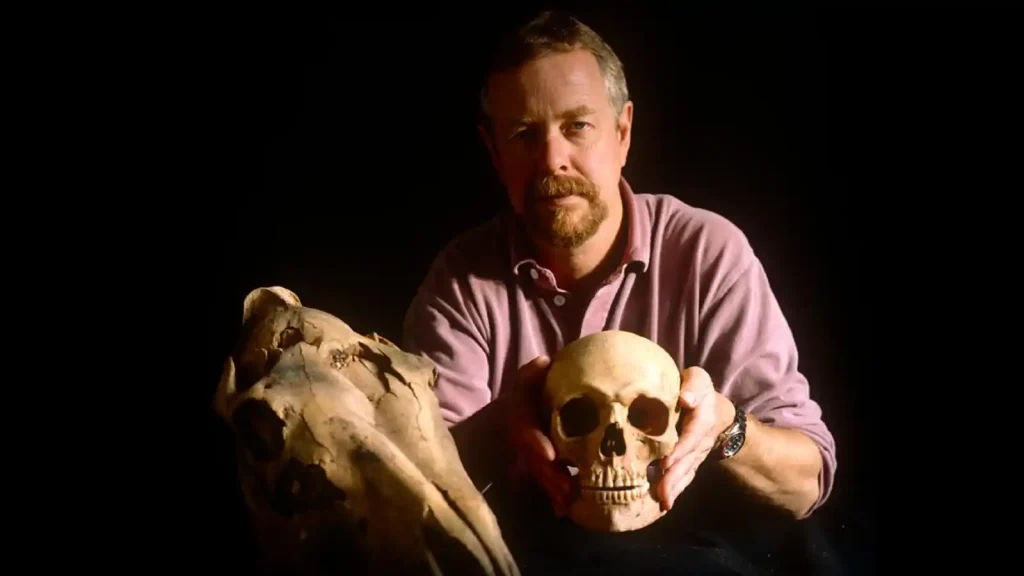
In Meet the Ancestors episode 6, titled Warrior, archaeologist Julian Richards takes viewers on an extraordinary journey to explore a remarkable Anglo-Saxon graveyard, one of the most significant ever found. Nestled on a U.S. air force base in Suffolk, this site is not just a collection of graves; it’s a window into a time long past, a chance to uncover the lives and stories of people who lived over 1,400 years ago.
The centerpiece of this discovery is the grave of an ancient warrior. He wasn’t buried alone, though. This warrior’s final resting place is marked by the presence of his loyal horse, symbolizing not only the bond between man and beast but the warrior’s status in life. Surrounding them are graves of others, including children—some of whom were buried with full-sized weapons, as if they, too, were prepared for battle. These details are striking, offering a powerful glimpse into the beliefs, values, and lives of the Anglo-Saxon community.
As Julian Richards and the archaeological team carefully unearth the graves and analyze the bones and artifacts, the audience is drawn into the process. Each artifact, whether it’s a weapon or a piece of jewelry, becomes a key to unlocking the past. The craftsmanship of the grave goods hints at the warrior’s social standing, while the bones themselves tell a more intimate story. With modern scientific techniques, Richards is able to piece together details of the warrior’s life—his diet, the injuries he may have sustained, and even the possible cause of his death.
Imagine standing at the edge of this ancient burial site. The cold, hard earth, undisturbed for over a millennium, suddenly gives way to a life long forgotten. As each shovel of soil reveals more of the warrior’s story, it becomes clear that this was no ordinary man. His burial, alongside his horse and surrounded by warriors-in-training, suggests he held a position of considerable importance, likely a leader or a revered figure in his community.
But the story doesn’t end there. This graveyard doesn’t just hold one man’s legacy; it encapsulates the values of an entire society. Children buried with weapons suggest a belief in preparing even the youngest for the battles of the afterlife or perhaps a reflection of the violent times they lived in. The inclusion of full-sized weapons, despite their age, speaks volumes about how deeply these traditions were woven into the fabric of daily life. It’s as though they were born into a world of warriors, with little distinction between childhood and adulthood in terms of responsibilities and expectations.
As Richards guides us through this process, it’s impossible not to feel a connection to these people. They may have lived over a thousand years ago, but their emotions, fears, and hopes resonate with us today. What did they think as they buried their children with weapons? Did they believe in an afterlife where battles continued? The site leaves behind more questions than answers, but that’s part of the beauty of archaeology—each discovery opens a door, but it’s up to us to imagine what lies beyond.
In addition to the fascinating artifacts, the way these graves are laid out offers clues about the social structure of the time. The warrior’s grave stands out—central, prominent, and with the honor of being buried alongside his horse. This suggests he was a leader, possibly even a local chieftain, someone who commanded respect and held power. The graves around him, especially those of the children, may represent future warriors or members of his household, further emphasizing the hierarchical structure of Anglo-Saxon society.
Meet the Ancestors episode 6
This episode of Meet the Ancestors isn’t just about the physical act of digging up bones and relics. It’s about stepping into another world, one that’s distant yet feels eerily close. Richards doesn’t just chronicle the excavation; he takes the audience on a journey through time, painting a vivid picture of what life might have been like for this warrior and his community. As we watch the team painstakingly lift each artifact from the earth, we are reminded that these objects once belonged to people who laughed, cried, and fought for survival just as we do today.
The power of this episode lies in its ability to bridge the gap between the past and the present. The warrior, with his battle-scarred bones and cherished horse, becomes more than just a figure from history—he becomes a symbol of humanity’s enduring struggle to find meaning in life and death. The children’s graves, with their solemn inclusion of weapons, offer a stark reminder of how different life was for these people, yet their emotions, their grief, and their hopes for the future are things we can all understand.
As the final artifacts are removed and analyzed, Julian Richards reflects on what this warrior might have felt in his last moments. Was he afraid? Did he know his legacy would be immortalized in the earth beneath his feet? Or was he simply another soul trying to navigate a brutal world, hoping that his burial would secure him a place in whatever afterlife he believed in?
Meet the Ancestors: Warrior is more than a history lesson. It’s a reminder that every person, no matter how long ago they lived, has a story worth telling. Through the lens of archaeology, we can connect with those who came before us, learning not just about their world but about the enduring human spirit that binds us all.
Conclusion Meet the Ancestors episode 6
In conclusion, Meet the Ancestors: Warrior offers much more than a mere archaeological investigation. It’s a deeply emotional and intellectual exploration of human history, bringing to light the complex lives of the Anglo-Saxon people. Julian Richards masterfully guides viewers through the process of uncovering a long-lost world, where the warrior and his community’s graves tell stories that resonate even in the modern age. The bond between man and horse, the burial of children with weapons, and the strategic layout of the graveyard all serve as powerful symbols of a society rooted in warfare, honor, and hierarchy.
What makes this episode truly captivating is its ability to connect the past to the present. The meticulous excavation and analysis not only reconstruct the warrior’s life but also remind us that despite the passage of over 1,400 years, the emotions, struggles, and beliefs of these ancient people are not so different from our own. As we examine the remains and artifacts, we find ourselves reflecting on universal themes of leadership, family, and mortality.
Ultimately, this episode bridges the temporal gap between us and the Anglo-Saxons, showing that archaeology is not just about bones and relics—it’s about connecting with our shared humanity. Meet the Ancestors leaves viewers with a profound appreciation for the stories buried beneath the earth, stories that remind us of the endurance of human spirit and the timeless quest for meaning in life and death.
F.A.Q. Meet the Ancestors episode 6
Q.: What is the significance of the Anglo-Saxon graveyard explored in Meet the Ancestors: Warrior?
A.: The Anglo-Saxon graveyard featured in Meet the Ancestors: Warrior is one of the most remarkable archaeological discoveries in Suffolk, located on a U.S. air force base. This site offers valuable insight into the lives, customs, and social structure of the Anglo-Saxon community from 1,400 years ago. The presence of a warrior buried alongside his horse highlights the cultural importance of warriors and their status in society.
Q.: Who was the central figure in this excavation, and why is his burial significant?
A.: The central figure in this episode is an Anglo-Saxon warrior, whose burial is of particular significance due to his being interred alongside his horse. This burial arrangement indicates his high status, likely as a leader or chieftain. The presence of weapons and other grave goods suggests the warrior held a respected position within his community and was prepared for an afterlife that mirrored his role in life.
Q.: What do the graves of children with weapons signify?
A.: The discovery of children buried with full-sized weapons in this graveyard provides insight into Anglo-Saxon beliefs and societal norms. It may reflect a cultural expectation that even children were to be prepared for battle in the afterlife or could symbolize the violent nature of the times. These graves emphasize the integral role that warfare played in shaping the lives of this ancient society.
Q.: How does Julian Richards help viewers understand the archaeological findings?
A.: Julian Richards guides viewers through the process of excavation and analysis, explaining the significance of the artifacts and bones found in the graves. He uses modern scientific techniques to reconstruct the warrior’s life, including his diet, injuries, and cause of death. This approach allows the audience to connect emotionally with the past, making the discoveries more relatable and meaningful.
Q.: Why is Meet the Ancestors: Warrior an important episode for understanding human history?
A.: Meet the Ancestors: Warrior is important because it not only uncovers a fascinating part of Anglo-Saxon history but also bridges the gap between the ancient and modern worlds. The episode shows how archaeology connects us to the emotions, struggles, and lives of those who lived centuries ago, reminding us of the shared human experiences that transcend time.