science

The Planets episode 5 - Into the Darkness

The Planets episode 5 – Into the Darkness: Ice Worlds

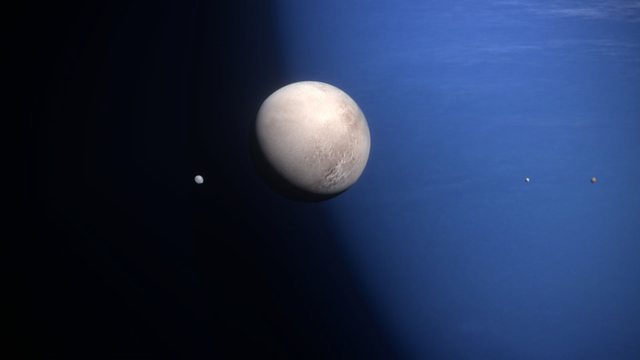
The Planets episode 5: in the final episode, Professor Brian Cox journeys to the remotest part of the solar system, a place that the most mysterious planets call home. These worlds remain shadowy for a simple reason. Beyond Saturn we have only ever visited the most distant planets once.     Uranus – barely visible to the naked eye – was once thought to be the furthest planet from the Sun. But with the telescope and some careful viewing we discovered it had a companion: Neptune. Thanks to a rare alignment of the planets in 1976, Voyager 2 was sent […]

The Planets episode 5 – Into the Darkness: Ice Worlds Read More »


The Moon

The Moon

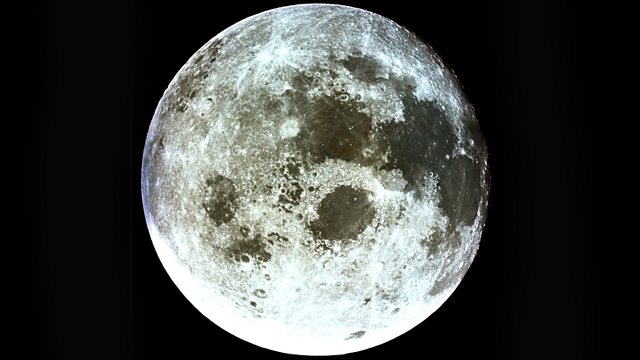
This film tells the epic story of our love affair with The Moon – what inspired it, how it faded away and how we are now falling in love all over again.     1972 was the year a great affair ended, as the human race fell out of love with the moon. Just three years after the world was gripped by Neil Armstrong’s giant leap for mankind, the last man left the moon and we have never been back.   The Moon The Moon is an astronomical body that orbits planet Earth and is Earth’s only permanent natural satellite.

The Moon Read More »

Saturn

The Planets episode 4 – Life Beyond the Sun: Saturn

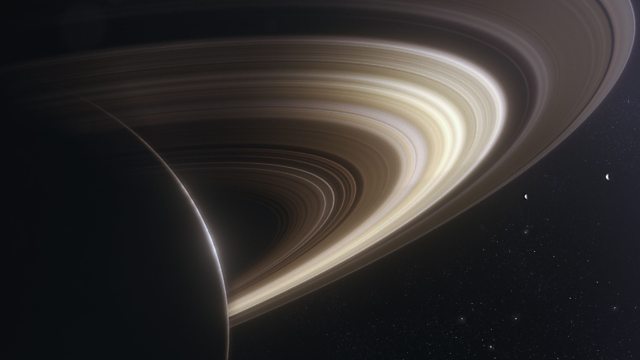
The Planets episode 4 – Life Beyond the Sun: Saturn is the jewel of the solar system, the most seductive of all the planets, but as Professor Brian Cox reveals – it wasn’t born that way.     Raised in the freezing outer reaches of the solar system, Saturn began life as a strange planet of rock and ice. Born outside the snow line, with an abundance of building materials, it soon grew to dwarf the Earth, drawing in colossal amounts of the hydrogen and helium that permeated the early solar system. In time Saturn was transformed into a gas

The Planets episode 4 – Life Beyond the Sun: Saturn Read More »


The Planets episode 3

The Planets episode 3 – The Godfather: Jupiter

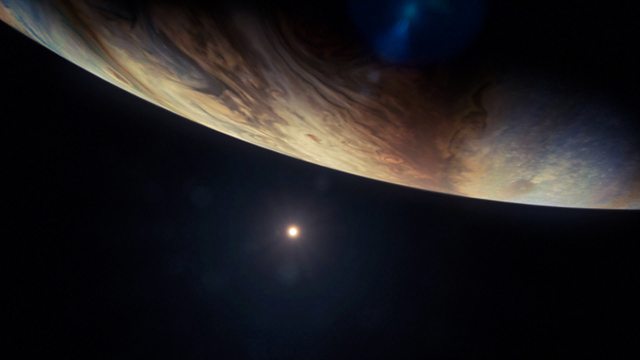
The Planets episode 3 – The Godfather: Jupiter: Professor Brian Cox continues his exploration of the solar system with a visit to a planet that dwarfs all the others: Jupiter. Its enormous size gives it a great power that it has used to manipulate the other planets – a power both for good and bad that it wields to this day.     Jupiter is not only the biggest but also the oldest planet in the solar system. It alone witnessed the birth of the Sun and ever since its immense gravity has shaped the destiny of the other worlds.

The Planets episode 3 – The Godfather: Jupiter Read More »

Apollo Moon landings

The Sky at Night – Return to the Moon

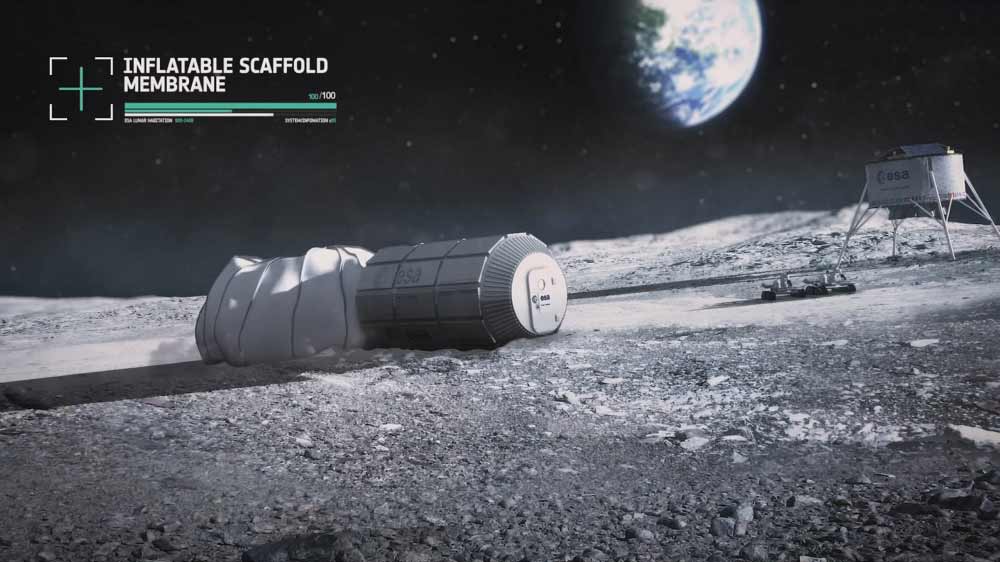
In the first of two programmes to commemorate the 50th anniversary of the Apollo Moon landings, the Sky at Night team take a look at the latest plans to return to the Moon. Recently, China, Israel and India have all sent major missions to the Moon. The Europeans and Americans are planning to build a space station in permanent orbit around the Moon.     And NASA has just announced that they plan to land astronauts on the Moon’s surface within five years. It all suggests that we are on the verge of a new golden age in lunar exploration.

The Sky at Night – Return to the Moon Read More »


The Planets - The Two Sisters - Earth & Mars episode 2

The Planets episode 2 – The Two Sisters – Earth & Mars

The Planets episode 2 – The Two Sisters – Earth & Mars: early in the story of the planets, there was a beautiful water world, an oasis of hope in a sterile universe. But this was not Earth – this was the young Mars. Professor Brian Cox continues his tour of the solar system revealing that it was once home to not one, but two blue planets.     For millions of years, Mars enjoyed oceans blanketed by a thick atmosphere and a temperature climate. Whilst at the same moment Earth was a far less favourable habitat. Our planet was

The Planets episode 2 – The Two Sisters – Earth & Mars Read More »

Terrestrial Planets episode 1

The Planets – A Moment in the Sun – The Terrestrial Planets episode 1

In this major landmark series, The Planets – The Terrestrial Planets episode 1, Professor Brian Cox tells the extraordinary life story of our solar system. For four and a half billion years each of the planets has been on an incredible journey, filled with astonishing spectacle and great drama. Using the data from our very latest explorations of the solar system combined with groundbreaking CGI this series reveals the unimaginable beauty and grandeur of eight planets whose stories we are only just beginning to understand.     The Planets – A Moment in the Sun – The Terrestrial Planets episode

The Planets – A Moment in the Sun – The Terrestrial Planets episode 1 Read More »


supermassive black hole

The Sky at Night – Supermassive Black Hole

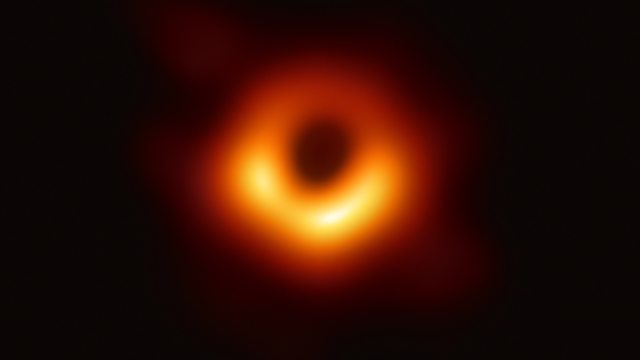
The Sky at Night episode reveals how the first picture of a supermassive black hole was captured. When the photograph of the hole at the heart of the M87 galaxy was released in April, it captured the world’s imagination and made headlines everywhere.     Chris Lintott reports from behind the scenes, meeting the scientists from the Event Horizon Telescope who worked for a decade to capture the image. And Maggie Aderin-Pocock reveals the mysterious and terrifying power of this astonishing cosmic phenomenon.   The Sky at Night – Supermassive Black Hole   A supermassive black hole (SMBH or sometimes

The Sky at Night – Supermassive Black Hole Read More »

Gravity

What on Earth is Wrong With Gravity?

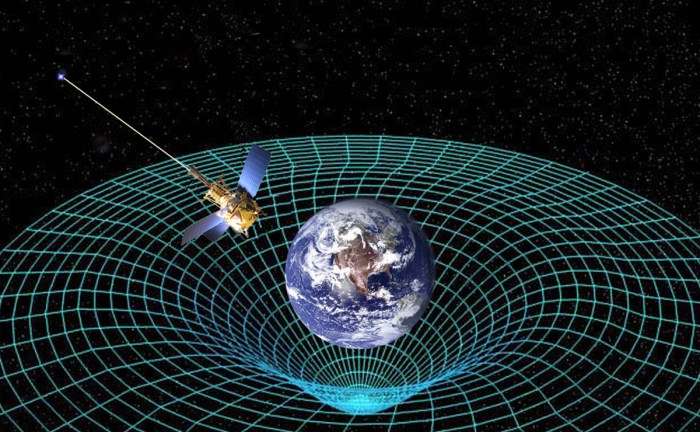
What on Earth is Wrong With Gravity? – particle physicist Dr Brian Cox believes that the answer to the meaning of the universe lies in gravity. Both Einstein and Newton believed that gravity was powered by God. On a road trip across the USA, Brian fires lasers at the moon in Texas and goes wild in the desert in Arizona.     He encounters the bending of space and time at a maximum security military base and tries to detect ripples in our reality in the swamps of Louisiana.   What on Earth is Wrong With Gravity?   Gravity (from

What on Earth is Wrong With Gravity? Read More »

Stars

Stars

For as long as humans have walked the Earth, the stars have fascinated us. But we have come a long way since the earliest days of astronomy when we had nothing but our eyes to observe the night sky. Since then we have designed an arsenal of ingenious machines to help us unlock the secrets of the stars – from how they work and move around the Universe to how they live and die.     For more than 60 years, the Sky at Night has covered every major development in our understanding of the stars, and regular Sky at

Stars Read More »

The-Placebo-Experiment

The Placebo Experiment: Can My Brain Cure My Body?

Could the power of fake pills- placebo- be used to treat some of our most common medical complaints? To find out, Dr Michael Mosley embarks on Britain’s largest ever trial to investigate the placebo effect. He is heading to Blackpool to gather 117 people suffering from backache – one of the leading types of chronic pain – before trying to treat them with nothing but fake pills and the power of the mind.     Working with experts from the University of Oxford, Michael discovers that the placebo effect is more than just a medical curiosity. The brain is actually

The Placebo Experiment: Can My Brain Cure My Body? Read More »

climate change

Climate Change

After one of the hottest years on record, Sir David Attenborough looks at the science of climate change and potential solutions to this global threat. Interviews with some of the world’s leading climate scientists explore recent extreme weather conditions such as unprecedented storms and catastrophic wildfires.     They also reveal what dangerous levels of climate change could mean for both human populations and the natural world in the future.   Climate Change with David Attenborough   Sir David Frederick Attenborough is an English broadcaster and natural historian. He is best known for writing and presenting, in conjunction with the

Climate Change Read More »

Scroll to Top