The Architecture the Railways Built episode 1 shines a light on how train stations are more than just practical transit hubs. They are living, breathing monuments to human ingenuity. With a cheerful yet insightful approach, host Tim Dunn guides viewers on an unforgettable journey. He starts in London’s sophisticated Mayfair neighborhood, then crosses the Channel to the Netherlands, offering a captivating exploration of two hidden architectural gems.
From the moment Tim steps into the disused Down Street tube station, a ripple of excitement fills the air. This station, tucked discreetly between Hyde Park Corner and Green Park, seems unremarkable from the outside. However, appearances can be deceiving. Like an unopened treasure chest waiting to reveal its gold coins, the station hides a war-time secret beneath its quiet, unassuming surface.
Down Street played a pivotal role during World War II. When conflict threatened London, this unassuming underground space transformed into a secure sanctuary for some of the nation’s most influential figures. Government officials found refuge within its winding corridors. They used it as a tactical planning hub, conjuring strategies that would shape the fate of a generation. Visitors often walk through modern stations without a second thought, but Tim shows how history can lurk behind every anonymous door.
As Tim explores the dimly lit tunnels, he describes each scuffed tile and every labyrinthine corridor with hushed reverence. He compares the station’s silent walls to a time capsule, reminding us that relics of the past can still whisper forgotten stories. Moreover, these tunnels echo with the memory of anxious footsteps. Leaders once paced there, wrestling with life-and-death decisions. Their tense conversations, perhaps swirling like a gathering storm, left an imprint on the environment.
In one chilling yet fascinating anecdote, Tim reveals how the station once housed a makeshift meeting room. During the war, key figures convened around a plain wooden table that served as their tactical headquarters. It was there that crucial decisions, like delicate strokes on a painting, were carefully added to the broader canvas of wartime strategy. This hidden corner of Mayfair became a silent witness to history, affirming that true architectural marvels often lie beyond the public eye.
He then lifts the veil on the station’s later years. Long after the echoes of war faded, Down Street station stood quietly, its legacy gathering dust. Nevertheless, conservation efforts and passionate historians have preserved its secrets for today’s generation. Tim’s excitement is contagious as he navigates cramped passageways and points out vintage signage. These artifacts reflect a time when people relied on the Underground not just for transportation, but for protection and unity during turbulent days.
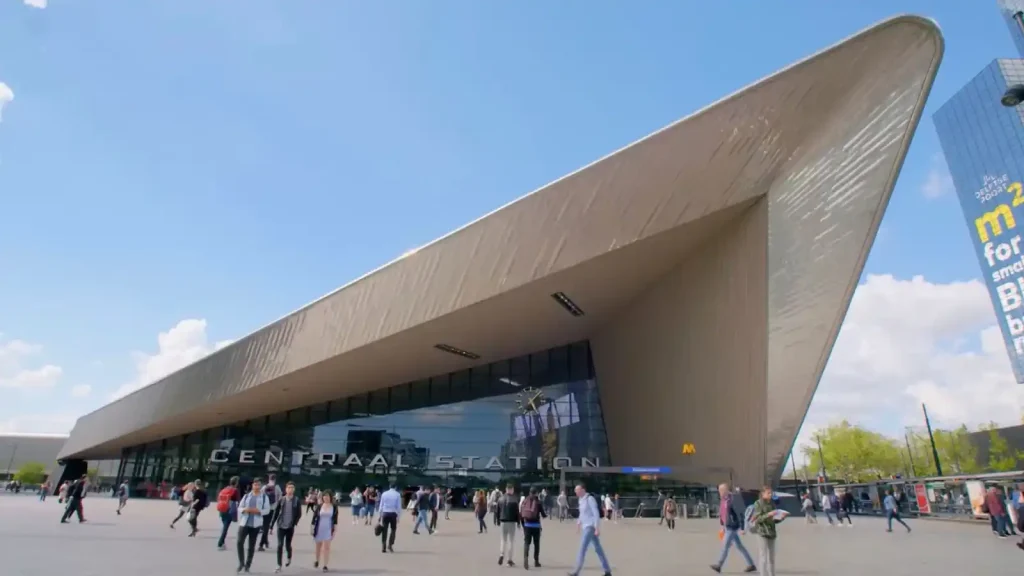
Once he leaves London’s hushed tunnels, Tim travels to the bustling cityscape of Rotterdam. There, he meets the visionary mind behind Rotterdam Centraal station. From the moment the architect appears on-screen, viewers sense a shared love for marrying functionality with style. Rotterdam Centraal, like a sleek ship cutting through the waves, combines innovation and timeless appeal. Its vast metal roof stretches overhead, glinting in the sunlight and creating an impressive sense of openness.
As Tim tours the building, he notes the delicate balance between heritage and progress. The designer wanted the station to mirror Rotterdam’s spirit of resilience after World War II. Soaring ceilings flood the concourse with natural light, while bold angles reflect the city’s forward-thinking identity. Yet, throughout every corner, you can feel the nod to tradition. The station respects the old bones of the rail system and honors the travelers who connect this modern hub to countless European destinations.
With a smile, Tim compares the structure to an orchestra, where every element—glass walls, wooden accents, and metal frames—plays its part in perfect harmony. The massive clocks suspended from above keep time like a metronome, punctuating the station’s rhythm of arrivals and departures. Moreover, vast windows serve as musical crescendos, letting daylight cascade inside. Watching Tim stroll through the concourse feels like witnessing a dance between nature and engineering.
He dives deeper into the design process by speaking with the architect about the station’s metamorphosis. In a city known for its avant-garde buildings, Rotterdam Centraal stands out as a proud testament to architectural evolution. The use of clean lines and spacious platforms ensures an efficient flow of people. Meanwhile, warm materials and sweeping angles keep the atmosphere welcoming. Gone are the days when utilitarian stations felt cold and impersonal. Now, travelers can savor a sense of belonging even in transit.
The Architecture the Railways Built episode 1
Throughout the journey, Tim’s genuine enthusiasm wraps around the audience like a comforting blanket. He delights in bridging eras by showcasing how Down Street’s discreet wartime corridors contrast with Rotterdam Centraal’s luminous modern design. One station remains mostly unseen, offering stories of secret meetings. The other stands proud in the city’s heart, calling out to thousands of daily commuters with its sleek facade. Both represent life’s constant movement and transformation.
His passion underscores a simple truth: the past shapes our present, and new ideas sometimes grow from the roots of old foundations. Stations, like people, can hide their deepest depths or flaunt their most impressive achievements. In doing so, they become metaphors for change. Down Street teaches us that the quietest corners can harbor monumental events. Rotterdam Centraal shows us that bold designs can still pay homage to history.
By the episode’s conclusion, viewers have journeyed across time and space. They have peered beneath the polished streets of Mayfair and roamed the expansive platforms of a cutting-edge European hub. Tim leaves us with an invitation to stay curious and to look beyond the surface. Whether you’re stepping onto a train platform for a leisurely commute or passing by an unremarkable door in a tube station, wonders may lie just out of sight.
Bringing this to a close, the first installment of The Architecture the Railways Built sets the stage for more discoveries. Tim’s contagious enthusiasm and thoughtful storytelling remind us that architecture tells a tale of people and possibilities. It encourages us to look again at the stations we take for granted. After all, as Tim shows, each one holds traces of human ambition, cultural evolution, and daring leaps of innovation.
Conclusion The Architecture the Railways Built episode 1: The Timeless Echo of Railway Architecture
As the final moments of The Architecture the Railways Built episode one unfold, one truth becomes clear—railway stations are far more than places of departure and arrival. They are monuments to human ingenuity, standing at the crossroads of history and progress. From the shadowed corridors of Down Street to the radiant expanse of Rotterdam Centraal, each station tells a story, whispering the triumphs and struggles of those who walked their halls.
Tim Dunn’s journey reminds us that architecture is not just about steel, glass, and concrete—it is about the people who breathe life into these spaces. Down Street station, though long forgotten by commuters, holds the echoes of wartime resilience, where leaders once shaped the course of history beneath its arched ceilings. It stands as a hidden testament to a time when necessity transformed an ordinary underground stop into a fortress of strategy and survival.
Meanwhile, Rotterdam Centraal, a beacon of modernity, welcomes the world with open arms. Its soaring lines and light-filled spaces symbolize renewal, a city rebuilt with bold strokes after the devastation of war. The station is a symphony of innovation, where every element, from the reflective roof to the expansive platforms, plays a role in creating an experience that is both functional and awe-inspiring. It is a place where travelers don’t just pass through—they pause, marvel, and become part of a living masterpiece.
Through Tim’s eyes, we see that railway architecture is a bridge between past and future. It captures history in its walls while embracing the possibilities of what’s to come. Some stations, like Down Street, quietly preserve the memories of a bygone era, while others, like Rotterdam Centraal, pulse with the rhythm of modern life. Both are vital threads in the fabric of our shared journey, proving that movement and transformation define not only railways but the human experience itself.
As we step away from this episode, we are left with a newfound appreciation for the stations we often take for granted. Whether we’re rushing to catch a train or lingering in a grand concourse, these spaces are more than mere stops along the way—they are time capsules, gateways, and storytellers in their own right. And if we look closely, we just might find that within every platform, every corridor, and every station clock, history and innovation are forever intertwined.
FAQ The Architecture the Railways Built episode 1
Q: What is *The Architecture the Railways Built* about?
A: *The Architecture the Railways Built* is a documentary series that explores the history, design, and impact of railway architecture. Hosted by Tim Dunn, the show highlights the hidden stories behind train stations, tunnels, and railway structures worldwide.
Q: What makes Down Street station historically significant?
A: Down Street station, once part of the London Underground, played a crucial role during World War II. It was transformed into a secret bunker where government officials, including Winston Churchill, devised wartime strategies.
Q: How does Rotterdam Centraal station reflect modern railway architecture?
A: Rotterdam Centraal blends contemporary design with historical elements. Its expansive glass facade, geometric roof, and open layout create a welcoming and efficient transport hub while honoring the city’s post-war reconstruction efforts.
Q: Who is Tim Dunn, and what is his role in the series?
A: Tim Dunn is a railway historian and broadcaster known for his enthusiasm for railway architecture. As the host of *The Architecture the Railways Built*, he guides viewers through fascinating stories behind railway stations and structures across the world.
Q: Why is railway architecture important?
A: Railway architecture is a testament to human ingenuity, blending history, engineering, and design. Stations serve as cultural landmarks, reflecting the evolution of transport and society while providing functional spaces for millions of travelers.
Q: What themes are explored in episode 1 of *The Architecture the Railways Built*?
A: Episode 1 delves into the contrast between forgotten railway spaces, like Down Street station, and modern hubs like Rotterdam Centraal. It highlights the resilience, transformation, and architectural significance of railway structures.
Q: How does *The Architecture the Railways Built* connect the past and present?
A: The series bridges historical railway engineering with modern innovations. It uncovers how forgotten spaces once shaped history while showcasing how contemporary designs redefine transportation for future generations.
Q: Where can I watch *The Architecture the Railways Built*?
A: The series airs on the Yesterday channel in the UK and is available for streaming on UKTV Play. Check local listings or streaming platforms for availability in other regions.