The Architecture the Railways Built episode 10: Tim Dunn’s Exploration of Historic Rail Landmarks
In episode 10 of “The Architecture the Railways Built,” renowned railway historian Tim Dunn embarks on a fascinating journey connecting two significant railway heritage sites across Europe. The episode weaves together the stories of Swindon’s historic railway village in England and Milan’s grandiose central station in Italy, revealing how railway architecture has shaped communities and cityscapes over generations.
Tim Dunn begins his exploration in Swindon, a town whose identity was fundamentally transformed by the arrival of the Great Western Railway in the 1840s. Before the railways, Swindon was a modest market town. However, the strategic decision by Isambard Kingdom Brunel to establish major locomotive works there created not just an industrial center but an entirely new community.
The railway village represents one of the earliest and most comprehensive examples of company towns in Europe. Walking through its uniformly designed terraced houses, Tim reveals how the village was meticulously planned to support railway workers and their families. Each home, though modest in size, featured innovative designs for the era, including indoor plumbing—a luxury many contemporary households lacked.
Furthermore, the community planning extended beyond mere housing. The village incorporated a complete social infrastructure, including a church, schools, and most notably, the Mechanics’ Institute. This pioneering facility provided educational opportunities, a library, and recreational spaces for workers. This approach reflected the paternalistic but progressive philosophy of early railway companies, which recognized that well-housed and educated workers would be more productive and loyal.
As Tim explores the Railway Museum housed in the former railway works, he highlights how the village represents a crucial chapter in social history. The community spirit fostered in this purpose-built neighborhood created bonds that endured long after the original purpose of the village diminished. Throughout this segment, the interconnection between industrial necessity and human-centered design emerges as a central theme.
The transition between Swindon and Milan provides viewers with thoughtful commentary on how railway architecture often reflects national identity and ambitions of its era. Tim draws parallels between these seemingly different locations, noting how both represented pinnacles of railway investment and technological advancement in their respective countries.
Moreover, Tim explains how railway buildings often served as physical manifestations of national progress. In Britain, the practical yet dignified architecture of railway villages demonstrated industrial might coupled with social reform. Meanwhile, on the continent, stations increasingly became monumental structures designed to impress and inspire.
The Architecture the Railways Built episode 10
Milan Central Station: Monumental Grandeur and Political Statement
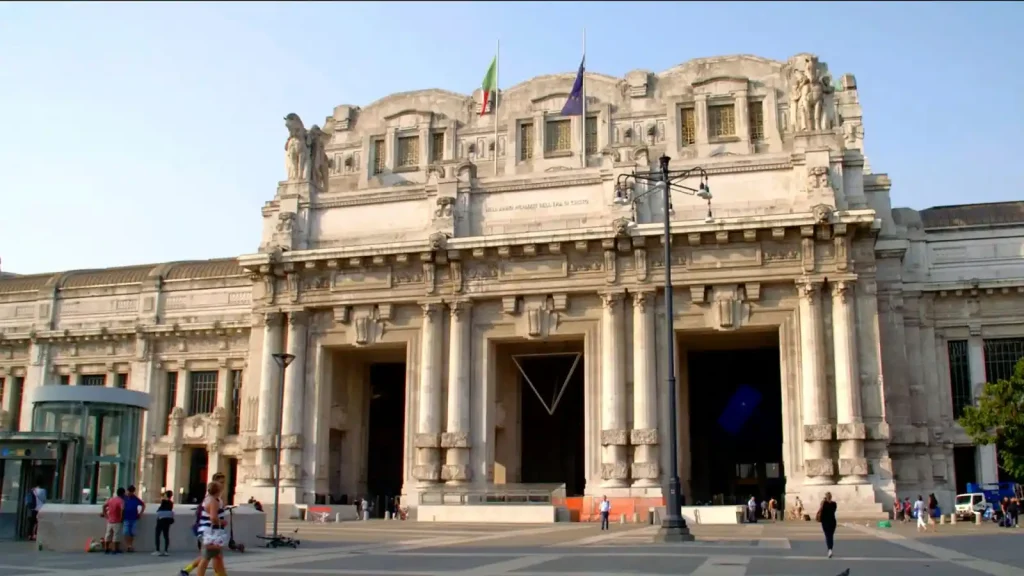
Upon arriving in Milan, Tim stands before the imposing façade of Milan Central Station. Completed in 1931 after nearly two decades of construction, this colossal structure represents a dramatic contrast to Swindon’s humble workers’ cottages. Nevertheless, both sites share a common thread—they were designed to make powerful statements about their societies.
Tim guides viewers through the station’s enormous main hall, where soaring ceilings and lavish marble decorations create an atmosphere more reminiscent of a cathedral than a transportation hub. The original design, commissioned during Italy’s Liberal period, was significantly modified during Mussolini’s Fascist regime. These alterations transformed the station into a physical embodiment of fascist ideals—monumental scale, classical references, and intimidating grandeur intended to impress both citizens and foreign visitors.
Despite its troubling political associations, the station remains an architectural masterpiece. Tim points out intricate details often missed by hurried travelers: the zodiac mosaics adorning the floor, the symbolic sculptures representing industry and commerce, and the innovative engineering solutions that made such a massive structure possible.
Furthermore, Tim explores how the station has evolved over time. Recent renovations have restored much of its original splendor while adapting the space for modern needs. This transformation mirrors broader changes in how societies view railway architecture—from purely functional spaces to cultural landmarks worth preserving.
The Human Element: Railways as Community Builders
Throughout the episode, Tim consistently returns to the human stories behind these architectural achievements. In Swindon, he speaks with descendants of original railway workers who share personal accounts of growing up in the village. Similarly, in Milan, he interviews station staff who provide insights into how this monumental space shapes their daily work experience.
These personal perspectives enrich the architectural exploration, reminding viewers that railway buildings were never merely aesthetic or technical achievements. Instead, they created environments that structured communities and individual lives across generations.
The contrast between Swindon’s intimate community planning and Milan’s grandiose statement architecture illustrates different approaches to the same fundamental challenge: creating spaces that serve both practical transportation needs and broader social purposes.
As the episode concludes, Tim reflects on how both sites, despite their differences in scale and design philosophy, demonstrate the profound impact railway architecture has had on our urban landscapes and social structures. More than simply places of transit, these buildings have shaped identities, fostered communities, and stood as enduring monuments to human ingenuity and ambition.
Conclusion The Architecture the Railways Built episode 10
As we journey to the end of our exploration, we’re reminded that railway architecture stands as more than mere infrastructure. Indeed, these magnificent structures serve as mirrors reflecting the values, aspirations, and technological prowess of their times. From Swindon’s thoughtfully designed worker village to Milan’s grandiose central station, railway architecture has continuously shaped not just landscapes but human experiences.
Throughout history, railway buildings have seamlessly blended functionality with cultural significance. Moreover, they’ve created spaces where communities flourish and individual stories unfold against backdrops of industrial innovation. The contrast between Swindon’s intimate community planning and Milan’s monumental statement architecture demonstrates the versatility of railway design philosophy.
What makes these architectural marvels truly remarkable, however, is their resilience through changing times. Like ancient trees adapting to shifting seasons, railway buildings have evolved while maintaining their essential character. Many have transformed from purely utilitarian structures into cherished heritage sites that connect us viscerally to our shared past.
Railway architecture, furthermore, teaches us valuable lessons about balancing progress with preservation. In an age of rapid technological advancement, these enduring landmarks remind us that thoughtful design transcends immediate utility. They stand as testaments to the vision of creators who built not just for their present moment but for generations to come.
The emotional impact of these spaces cannot be overstated. For countless travelers, railway stations have witnessed pivotal life moments—tearful goodbyes, joyful reunions, and transformative journeys. These buildings have, in essence, become sacred spaces where human drama unfolds daily against architectural backdrops of varying grandeur.
As we consider the future of transportation architecture, we would do well to remember the lessons of Swindon and Milan. Both demonstrate how infrastructure can simultaneously serve practical needs while enriching cultural identity. Additionally, they remind us that buildings designed with humanity in mind ultimately endure as beloved landmarks.
Like a journey that changes the traveler, railway architecture has fundamentally altered our relationship with built environments. These magnificent structures will undoubtedly continue inspiring wonder and connection as they accompany us on our collective journey through time—landmarks not just of distance traveled but of human achievement itself.
FAQ The Architecture the Railways Built episode 10
Q: What is “The Architecture the Railways Built” television series about?
A: “The Architecture the Railways Built” is a documentary series hosted by railway historian Tim Dunn that explores significant railway buildings and structures across Europe. Throughout the series, Tim examines how railway architecture has profoundly shaped communities, influenced urban development, and reflected national identity. The show combines architectural analysis with social history, revealing how railway buildings serve as physical manifestations of technological progress while simultaneously creating spaces where human stories unfold.
Q: How did the Great Western Railway transform Swindon?
A: The Great Western Railway fundamentally transformed Swindon from a modest market town into a thriving industrial center in the 1840s. Following Isambard Kingdom Brunel’s strategic decision to establish major locomotive works there, an entirely new community emerged. The railway company developed one of Europe’s earliest comprehensive company towns, featuring uniformly designed terraced houses with innovative amenities like indoor plumbing. Additionally, they created a complete social infrastructure including churches, schools, and the pioneering Mechanics’ Institute, which provided educational opportunities and recreational spaces for workers and their families.
Q: What makes Milan Central Station architecturally significant?
A: Milan Central Station, completed in 1931 after nearly two decades of construction, stands as an architectural masterpiece despite its troubling political associations. The station features an imposing façade, soaring ceilings, and lavish marble decorations that create an atmosphere more reminiscent of a cathedral than a transportation hub. Initially commissioned during Italy’s Liberal period, the design was later modified during Mussolini’s Fascist regime to embody fascist ideals through monumental scale, classical references, and intimidating grandeur. Moreover, the station showcases intricate artistic details like zodiac mosaics and symbolic sculptures alongside innovative engineering solutions.
Q: How do Swindon’s railway village and Milan Central Station contrast in their architectural approaches?
A: Swindon’s railway village and Milan Central Station represent opposite ends of the railway architectural spectrum, yet both effectively served their purposes. Swindon embodied intimate community planning with modest, functional housing and shared facilities that prioritized workers’ practical needs and social welfare. In contrast, Milan Central Station exemplifies monumental grandeur with its imposing scale, lavish decorations, and symbolic design elements intended to impress and intimidate visitors. Despite these differences, both sites share a common thread as powerful statements about their societies’ values—British industrial might coupled with social reform versus Italian fascist ideals of national power and classical heritage.
Q: What was the Mechanics’ Institute in Swindon’s railway village?
A: The Mechanics’ Institute was a pioneering facility within Swindon’s railway village that reflected the paternalistic yet progressive philosophy of early railway companies. This important community center provided educational opportunities, housing a library and offering classes for railway workers seeking to improve their skills and knowledge. Furthermore, it served as a recreational space where employees could engage in social activities, fostering a sense of community among the workforce. The Institute embodied the railway company’s recognition that well-educated, socially-connected workers would ultimately prove more productive and loyal to the company.
Q: How have railway buildings evolved over time?
A: Railway buildings have undergone remarkable transformations throughout history, evolving from purely functional structures to cherished cultural landmarks. Initially designed with practical transportation needs in mind, many historic stations have been thoughtfully renovated to preserve their architectural significance while adapting to modern requirements. For instance, Milan Central Station has benefited from recent renovations that restored its original splendor while updating its facilities. This evolution mirrors broader societal shifts in how we view railway architecture, recognizing these buildings not merely as transit points but as valuable heritage sites that connect communities to their industrial past.
Q: How did railway architecture reflect national identity?
A: Railway architecture powerfully reflected national identity and ambitions across different countries and eras. In Britain, railway villages like Swindon showcased practical yet dignified designs that embodied industrial might coupled with social reform values. Meanwhile, continental European stations frequently adopted monumental approaches designed to impress and inspire, serving as physical manifestations of national progress and prestige. Political regimes, such as Mussolini’s Fascist government, often modified railway buildings to align with their ideological visions. Consequently, these structures became architectural embodiments of national character, technological advancement, and political aspirations.
Q: Why are human stories important when studying railway architecture?
A: Human stories provide essential context when studying railway architecture because they reveal how these structures shaped individual lives and communities beyond their technical features. Personal accounts from descendants of Swindon’s railway workers or interviews with Milan station staff illuminate how these buildings functioned as living environments where countless life stories unfolded. Furthermore, these narratives help us understand that railway buildings were never merely aesthetic or functional achievements but spaces that structured communities across generations. By connecting architectural analysis with human experiences, we gain a more complete understanding of how railway buildings served as stages for personal dramas, community formation, and social transformation.