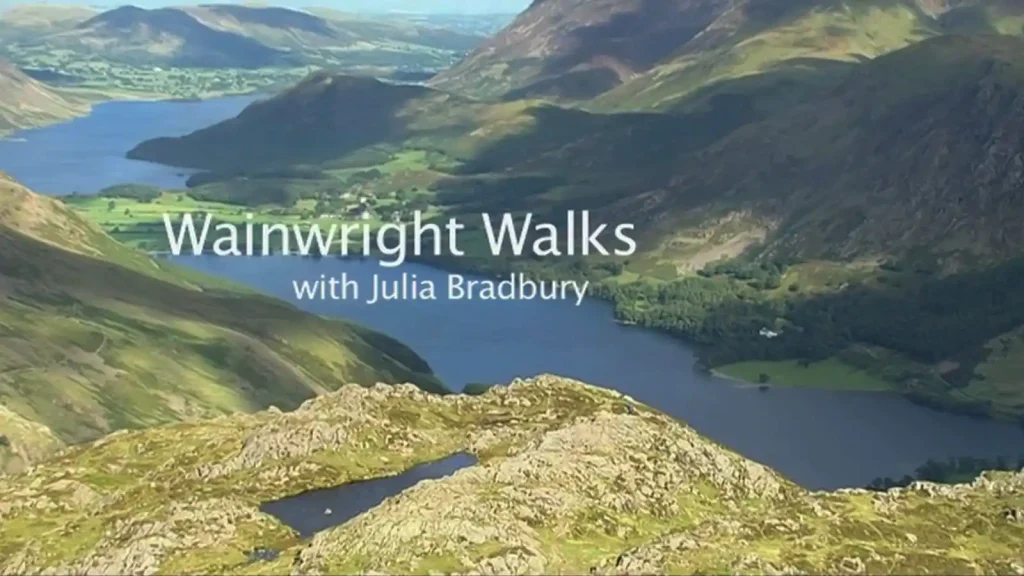
The journey explored in the Wainwright Walks episode 10 delves into one of the most dramatic climbs in England’s Lake District. This particular walk follows one of Alfred Wainwright’s most challenging recommended routes to the summit of Pillar. The mountain stands as the highest peak in the Western Fells, presenting a formidable and alluring challenge for serious walkers. Its remote location and rugged character embody the wild spirit of the fells that the famed author and artist so deeply admired.
This exploration holds significant relevance for those inspired by the works of the late Alfred Wainwright. His meticulously hand-drawn and written guidebooks have guided generations of walkers through the fells, creating a lasting legacy. Pillar, in particular, showcases why Wainwright’s work endures. He saw the mountain as a place of immense drama and character, possessing what he called “the most handsome crag in Lakeland”. By retracing his steps, one gains a deeper appreciation for his unique perspective and his love for the untamed corners of the Lake District.
The ascent of Pillar is more than a simple hike; it is an immersive experience into the heart of a wild landscape. This account covers the journey from the isolated floor of the Ennerdale Valley to the mountain’s exposed summit. It examines the geological forces that shaped the dramatic terrain over millions of years. Furthermore, it highlights the historical context of the paths and the unique human connection to this remote environment. The Wainwright Walks episode 10 provides a lens through which to view the mountain not just as a physical obstacle, but as a place rich with stories and natural grandeur.
The journey begins in what feels like one of the remotest spots in the Lake District. The starting point lies deep within the Ennerdale Valley, a location nine miles from the nearest village and five miles from a tarmacked road. Here, nestled in the upper reaches of the valley, sits the Black Sail Youth Hostel, the only building in the vicinity. This outpost of civilization was a definite favorite of Alfred Wainwright and serves as a crucial base for anyone wishing to explore Ennerdale’s peaks. Its presence allows for an early start on the demanding climb up Pillar.
The very landscape of Ennerdale tells a story of ancient and powerful forces. According to Tony Hume, a former geography teacher and manager of the Black Sail Youth Hostel, the region was a volcanic area millions of years ago. The highest peaks are the remnants of these ancient volcanoes. Later, during the last Ice Age which ended around 10,000 years ago, the entire valley was completely covered in ice. As these massive valley glaciers melted, they carved out the dramatic crags and the U-shaped valley that define the area today.
This unique combination of remoteness, history, and raw geology sets the stage for the ascent. Starting from the Black Sail Youth Hostel gives climbers a significant advantage, as they are already 900 feet above sea level. However, the initial part of the climb, as with many Wainwright Walks, paradoxically heads away from the main objective. Walkers first face the long, steady climb up Black Sail Pass, a hot and strenuous task that rewards with an increasing sense of exposure and breathtaking views. This initial effort is a prelude to the more technical and dramatic sections of the climb ahead.
Wainwright Walks episode 10
The Ascent Begins: From Ennerdale to Black Sail Pass
The climb to Pillar’s summit commences from the historic Black Sail Youth Hostel, a building that began its life centuries ago as a shepherd’s bothy. Shepherds used it as an overnight stopover when moving their flocks between valleys. From this base camp, the path leads further up the valley, requiring a crossing of the River Liza before the main ascent begins. The route then follows a broad, grassy slope up to Black Sail Pass, which serves as a gateway to the Wasdale valley.
This pass is a well-trodden path, not just for modern walkers but for historical figures as well. It was once a vital route for shepherds and miners traveling toward Wasdale and the Cumbrian coastline. As one climbs, the landscape is dominated by three shapely summits: Great Gable, Kirk Fell, and Green Gable. These mountains form a natural blockade, helping to preserve the profound isolation of upper Ennerdale. The wind often gets channeled between Pillar and Kirk Fell, making the top of the pass a notably exposed place.
At the top of the pass, Alfred Wainwright noted a gate that, even 40 years after he wrote about it, remained in a state of disrepair, a humorous detail for observant walkers. From here, the route turns northwest, following a broad ridge marked by a succession of aging, rusty fence posts. These posts have become an unlikely series of cairns, guiding uncertain walkers onto the approach slopes of Pillar. This section of the walk requires stamina but rewards with expanding views, including a look down into Wasdale on the left.
Wainwright’s Vision of Ennerdale and the High Level Route
From the ridge, a brief detour leads to Looking Stead, a small pinnacle that Alfred Wainwright recommended as the best viewpoint for the whole of Ennerdale. This vantage point offers a clear perspective on one of Lakeland’s more controversial valleys. From here, one can see the vast swathes of conifers that were planted to replenish wood reserves after the First World War. Wainwright deeply disliked this “aforestation,” describing it as a “dark and funereal shroud of foreign trees”. He felt it was an “offence to the eyes” that cloaked the fellside in an “ill-suited skirt”.
However, there is now a major conservation effort underway that Wainwright likely would have applauded. The Wild Ennerdale project is actively removing the non-native conifers and introducing areas of mixed woodland. The goal of this scheme is to restore a more natural beauty to the valley over time. This work ensures that the majestic mountain will one day have a setting that better complements its rugged grandeur, a landscape Alfred Wainwright would have celebrated. The Wainwright Walks episode 10 highlights this positive ecological transformation.
After taking in the view from Looking Stead, the journey continues towards the true adventure of the climb. As the peak of Scafell appears in the distance, a small, easily missed cairn marks the turning point for the High Level Route. Wainwright considered the path from this point onward to be one of the best miles in all of Lakeland, describing it as a “route of engrossing interest”. In a counter-intuitive move, the High Level Route immediately begins with a steep descent, leading the climber off the main ridge and onto the dramatic north face of Pillar.
Stepping onto the north face of Pillar is akin to entering a different world. The experience transforms from a walk into a “true and testing fell climb”. The grassy slopes are replaced by a challenging and complex landscape of scree, boulders, and wet rocks that require constant negotiation. The path twists and turns around the mountain’s many spurs and buttresses, rarely offering an unobstructed view but always demanding full attention. This is the challenging terrain that the Wainwright Walks episode 10 showcases so dramatically.
A key landmark on this traverse is Robinson’s Cairn, a large, man-made feature built in honor of John Wilson Robinson. Robinson was a local pioneer of rock-climbing who established many of the famous routes up Pillar Rock a century ago. The cairn serves as the final landmark before the route’s main attraction comes into full view: the immense Pillar Rock. This 500-foot tower is the defining feature of the mountain and the “most handsome crag in Lakeland” according to Wainwright.
From the cairn, walkers can see the Shamrock Traverse, a steep and narrow ledge that cuts diagonally across the cliff face, leading directly toward the rock. This traverse is an ingenious route that allows fell-walkers to experience the thrill of scaling a vertical cliff face. Its name comes not from clover, but from it being a “sham rock”; from a distance, it appears to be part of Pillar Rock, but it is actually separated by a chasm.
Wainwright himself rated this spot as one of his favorites in all of Lakeland, despite the narrow, slippy, and vertiginous conditions. He made it unusually clear in his guides, however, that Pillar Rock itself is “positively out of bounds” for walkers and should not be attempted without proper ropes and climbing experience.
The Final Scramble to the Summit
After traversing past the magnificent face of Pillar Rock, the route passes the top of Walker’s Gully. The name serves as a grim warning, as it is where a man named Walker fell to his death attempting a descent. Beyond this point, the ascent becomes severely exposed, with a final, direct climb of 400 feet remaining. This is not a walk but intense scrambling, made more difficult by the unpredictable Lake District weather, which can change in an instant.
The final push to the top is a battle against the elements and terrain. The weather can shift from sunshine to rain and back again within minutes, creating a dramatic atmosphere of passing storms and sudden rainbows. This is the classic Lakeland experience, where climbers often play a guessing game with the weather in neighboring valleys. The threat of rain, however, is not enough to deter a climber so close to the goal. The final few steps lead to a surprising revelation after so much rugged climbing.
Upon reaching the top, the terrain flattens out completely into a rounded peak. From this western edge of the Lake District, the summit offers breathtaking panoramic views. On a clear day, the Cumbrian coastline, the hills of Scotland, and Morecambe Bay in the south are all visible. Even in haze, the giant tops of Scafell and Scafell Pike dominate the skyline. Across the valley stands the lowly summit of Haystacks, the place where Betty Wainwright scattered her husband’s ashes, his final resting place among the hills he loved.
Where Wild Landscapes Meet Enduring Legacy
Standing atop Pillar’s wind-swept summit, gazing across the vast tapestry of fells and valleys stretching toward distant coastlines, you understand why Alfred Wainwright considered this mountain among Lakeland’s finest treasures. This isn’t just another tick on a peak-bagging list—it’s a pilgrimage through landscapes that shaped one of Britain’s most beloved outdoor writers, and continue to challenge and inspire climbers decades after his passing.
The journey from Ennerdale’s remote valley floor to Pillar’s exposed summit encapsulates everything that makes Wainwright’s vision so enduring. Here, ancient geological forces meet human determination, where volcanic remnants carved by ice-age glaciers create the stage for modern adventure. The very remoteness that begins your day—nine miles from the nearest village, accessible only after crossing streams and traversing sheep tracks—strips away the noise of contemporary life and returns you to something fundamental about our relationship with wild places.
What makes this climb particularly significant is how it weaves together threads of past, present, and future. You’re following routes once used by shepherds and miners, guided by Wainwright’s meticulous observations from half a century ago, while witnessing the Wild Ennerdale project’s efforts to restore natural beauty to valleys scarred by well-intentioned but misguided forestry. It’s conservation in action—not preserving a museum piece, but allowing wild landscapes to evolve and heal.
The technical demands of the High Level Route, with its scrambling across wet rocks and navigation of the dramatic Shamrock Traverse, remind us that some experiences simply cannot be replicated virtually or simplified for mass consumption. Pillar Rock’s “most handsome crag” demands respect, skill, and a willingness to accept genuine risk. In our increasingly sanitized world, such places serve as vital reminders that real adventure requires real commitment.
Perhaps most poignantly, reaching Pillar’s summit offers a direct line of sight to Haystacks, where Wainwright’s ashes were scattered among the fells he cherished. It’s a visual connection that transforms this climb from mere physical exercise into something approaching communion—with landscape, with legacy, and with the understanding that some places touch us so deeply they become part of who we are.
For those inspired to attempt this route, approach it with the same respect Wainwright himself demanded. Study the conditions, prepare thoroughly, and remember that the mountain will always be there—your safety depends on choosing the right day and knowing your limits. The rewards, however, extend far beyond the summit selfie. You’ll return with a deeper appreciation for wild places, a connection to outdoor heritage, and perhaps most importantly, an understanding of why some landscapes deserve our protection and reverence.
In a world increasingly dominated by digital experiences and urban living, places like Pillar offer something irreplaceable: the chance to test ourselves against elemental forces, to walk in the footsteps of those who mapped these ways before us, and to carry forward a tradition of respectful exploration. Wainwright’s greatest gift wasn’t just his guidebooks—it was his ability to help others fall in love with landscapes that change us fundamentally, one challenging step at a time.
FAQ Wainwright Walks episode 10
Q: What is Wainwright Walks episode 10 about?
A: Episode 10 explores one of the most dramatic climbs in England’s Lake District, following Alfred Wainwright’s challenging route to Pillar’s summit. This journey takes viewers from the remote Ennerdale Valley to the highest peak in the Western Fells, showcasing the rugged character and wild spirit that Wainwright so deeply admired in these untamed landscapes.
Q: Who was Alfred Wainwright and why is his work significant?
A: Alfred Wainwright was a renowned author and artist whose meticulously hand-drawn guidebooks have guided generations of walkers through the Lake District fells. His detailed observations and unique perspective created a lasting legacy, helping people develop deeper connections with wild landscapes. Furthermore, Wainwright’s work endures because he saw mountains not just as physical obstacles, but as places rich with stories and natural grandeur.
Q: Where does the Pillar climb begin and how remote is it?
A: The climb begins at Black Sail Youth Hostel, located nine miles from the nearest village and five miles from any tarmacked road in upper Ennerdale Valley. This historic building, originally a shepherd’s bothy centuries ago, serves as the only outpost of civilization in the area. Additionally, starting from this remote location gives climbers a significant advantage, as they’re already positioned 900 feet above sea level.
Q: What geological forces shaped the Pillar mountain landscape?
A: The region was originally a volcanic area millions of years ago, with today’s highest peaks being remnants of ancient volcanoes. During the last Ice Age, which ended around 10,000 years ago, massive valley glaciers completely covered Ennerdale Valley. Consequently, as these glaciers melted, they carved out the dramatic crags and distinctive U-shaped valley that define this spectacular landscape today.
Q: What is the High Level Route and why did Wainwright recommend it?
A: The High Level Route is Wainwright’s preferred path to Pillar’s summit, which he considered one of the best miles in all of Lakeland, describing it as a ‘route of engrossing interest.’ Paradoxically, this route begins with a steep descent off the main ridge onto Pillar’s dramatic north face. Moreover, it transforms the experience from a simple walk into what Wainwright called a ‘true and testing fell climb.’
Q: What is Pillar Rock and why is it famous?
A: Pillar Rock is a magnificent 500-foot tower that serves as the mountain’s defining feature and what Wainwright called ‘the most handsome crag in Lakeland.’ This massive rock formation represents the route’s main attraction, visible after passing Robinson’s Cairn. However, Wainwright made it clear that Pillar Rock itself is ‘positively out of bounds’ for walkers and requires proper ropes and climbing experience to attempt safely.
Q: What is the Shamrock Traverse and how challenging is it?
A: The Shamrock Traverse is a steep, narrow ledge that cuts diagonally across the cliff face toward Pillar Rock, allowing fell-walkers to experience the thrill of scaling a vertical cliff. Its name derives from being a ‘sham rock’ – appearing to be part of Pillar Rock from a distance but actually separated by a chasm. Despite the narrow, slippery, and vertiginous conditions, Wainwright rated this traverse as one of his favorites in Lakeland.
Q: How difficult is the final ascent to Pillar’s summit?
A: The final 400 feet to the summit involves intense scrambling rather than walking, made more challenging by unpredictable Lake District weather that can change instantly. This section becomes severely exposed after passing Walker’s Gully, where a climber tragically fell to his death. Additionally, the weather often shifts from sunshine to rain within minutes, creating dramatic atmospheres of passing storms and sudden rainbows throughout the ascent.
Q: What views can you expect from Pillar’s summit?
A: From Pillar’s rounded summit on the western edge of the Lake District, climbers enjoy breathtaking panoramic views stretching to the Cumbrian coastline, Scottish hills, and Morecambe Bay on clear days. Even in hazy conditions, the giant peaks of Scafell and Scafell Pike dominate the skyline. Most poignantly, across the valley stands Haystacks’ modest summit, where Betty Wainwright scattered her husband’s ashes among the hills he loved.
Q: What is the Wild Ennerdale project and how does it relate to Wainwright’s vision?
A: The Wild Ennerdale project is actively removing non-native conifers planted after World War I and introducing mixed woodland to restore natural beauty to the valley. Wainwright deeply disliked the conifer plantations, describing them as a ‘dark and funereal shroud of foreign trees’ that offended his aesthetic sensibilities. Consequently, this conservation effort would likely have earned Wainwright’s applause, as it aims to create a setting that better complements the mountain’s rugged grandeur.